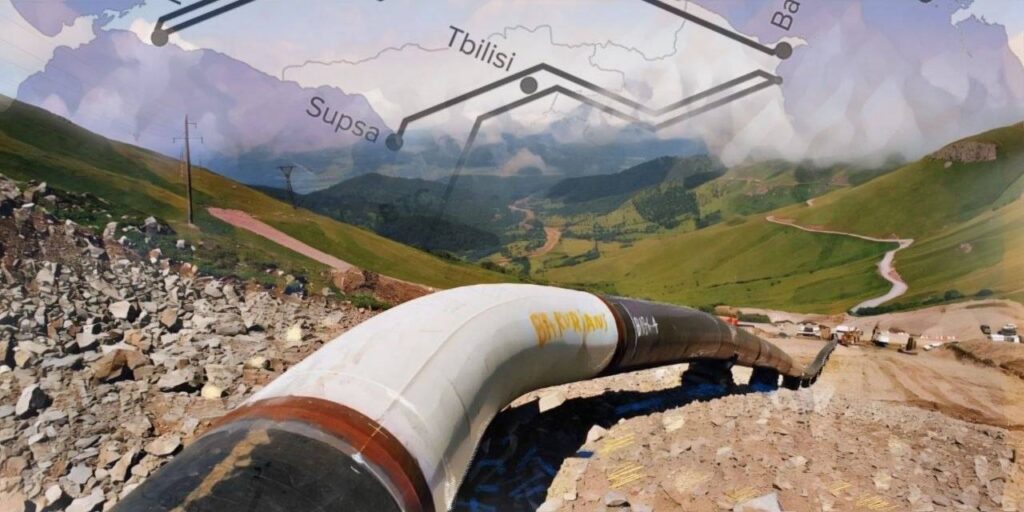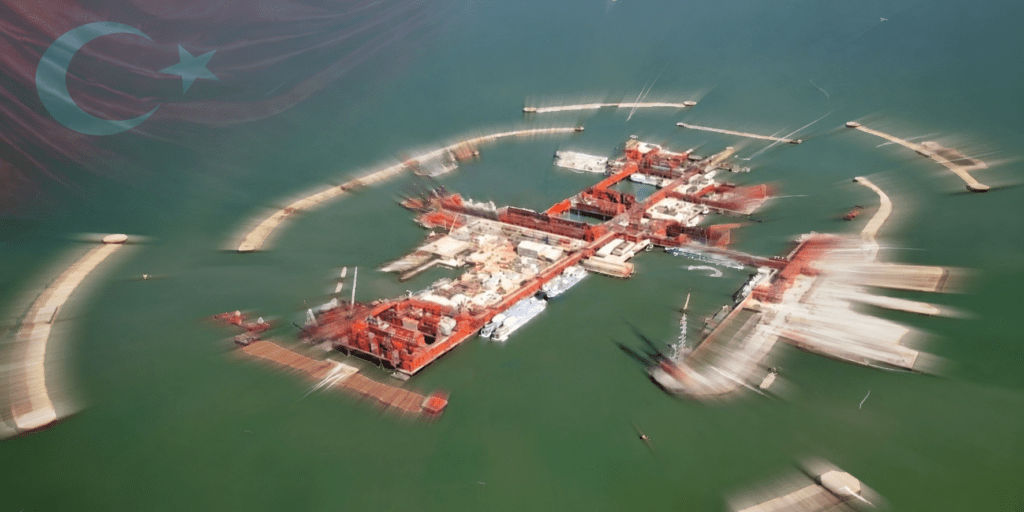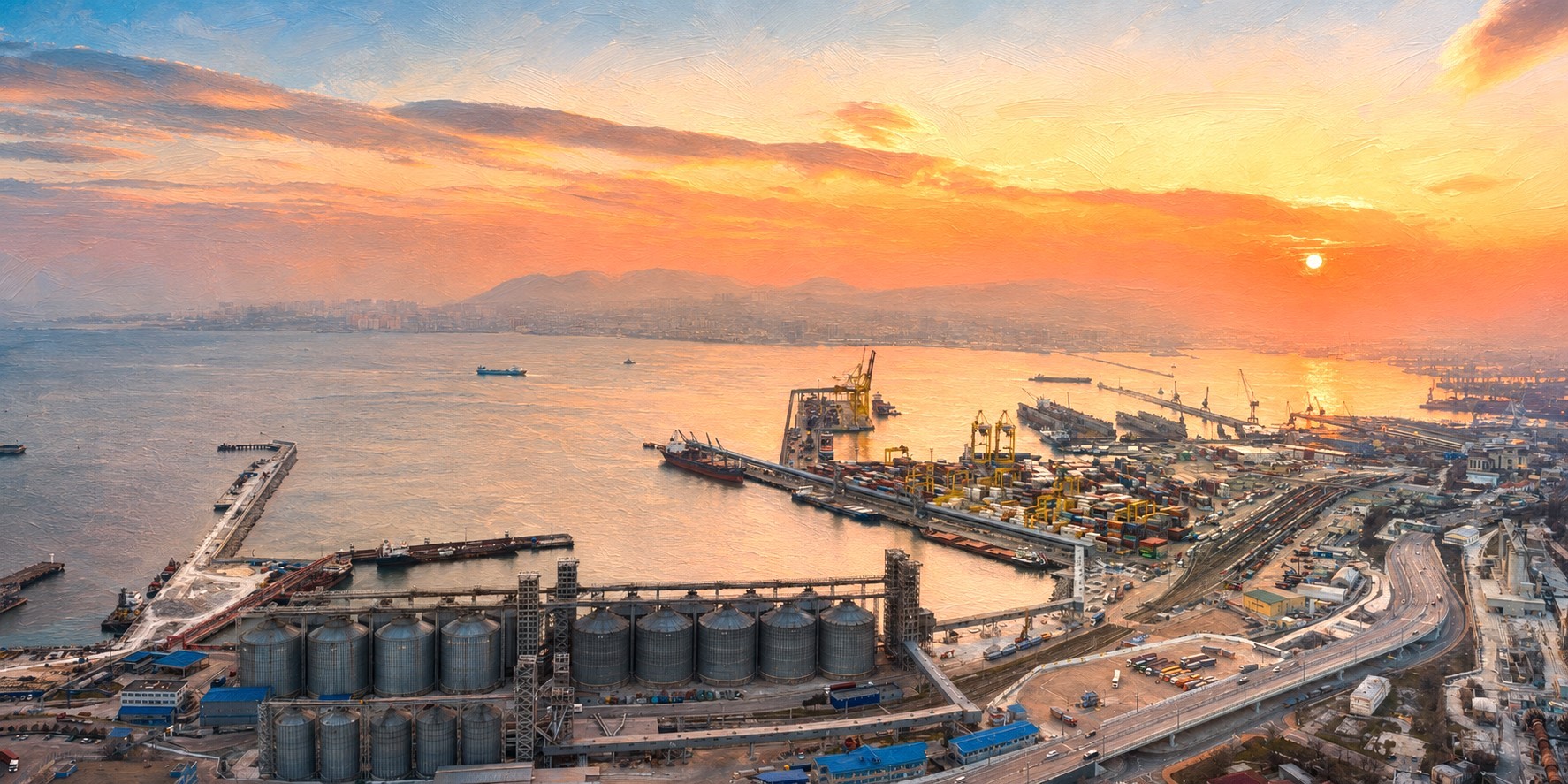
Kazakhstan resumed oil exports through the Caspian Pipeline Consortium on July 27 after the consortium restarted accepting crude and loading tankers at its Black Sea terminal near Novorossiysk. The Energy Ministry said the SEAMAJESTY and MILOS tankers were loading crude supplied by Tengizchevroil at two of the terminal’s single-point moorings. CPC said its pipeline had been back online since 12:28 p.m. Moscow time. Loading operations resumed after a week-long suspension. The ministry said terminal operations would continue according to assessments of the security situation and compliance with safety requirements. It remains in contact with CPC management, oil producers, and other companies involved in the shipments. The restart followed the sharpest production decline recorded during the disruption. Kazakhstan’s oil and gas condensate output fell to about one million barrels per day on July 26, according to an industry source. That was less than half the June average of 2.16 million barrels per day. Production had already fallen by about 21% as of July 22, to 1.63 million barrels per day. Tengiz, Kazakhstan’s largest oilfield, bore the heaviest initial reduction. Its output dropped by 56%, from a July average of 925,000 barrels per day to about 406,000 barrels per day. By July 26, the cuts had spread across Kazakhstan’s three largest oil projects. Daily production at Tengiz, Kashagan, and Karachaganak fell by between 70% and 90% compared with June levels, according to an industry source. The Energy Ministry and the projects’ operators did not comment on the field-level figures. Producers reduced output after CPC restricted intake from Kazakhstan and suspended tanker loadings. Storage tanks at the terminal had reached capacity, leaving the pipeline system with little room to receive additional crude. The Energy Ministry described the reductions as a technical measure intended to keep production operations stable. The halt followed a series of drone attacks on tankers near the CPC terminal. Three vessels were struck on July 17 and 19, including two loading Kazakh oil. Loadings briefly resumed before another tanker, NELSA, was hit at a single-point mooring on July 20. No casualties or oil spills were reported. Kazakhstan condemned the attacks and said an agreed information-sharing mechanism intended to protect civilian vessels carrying CPC crude had been disregarded. The government described the incidents as a threat to international energy security and demanded an immediate halt. The 1,510-kilometer CPC pipeline carries crude from western Kazakhstan through Russia to the Black Sea. It handles more than 80% of Kazakhstan’s oil exports, including most production from Tengiz, Kashagan, and Karachaganak. The shutdown added to a difficult year for the sector. Kazakhstan produced 45.7 million tonnes of oil in the first half of 2026, down 8.4% year-on-year. The ministry expects full-year production of 98 million tonnes after lowering its previous target because of earlier Tengiz outages and CPC disruptions. It was not immediately clear how quickly output would return to earlier levels. The reopening restores Kazakhstan’s main export outlet, but the speed and scale of the cuts again exposed its dependence on infrastructure vulnerable to disruption beyond its borders.