For Kazakhstan, a country with vast territory and high dependence on transboundary rivers, water is becoming an increasingly critical constraint on economic development. Amid climate change, industrial expansion, and deteriorating infrastructure, water scarcity is emerging as a strategic risk, on par with fluctuations in global commodity markets.
Recognition of the issue has been growing for over three decades, but water resource management remained fragmented across environmental, agricultural, and municipal departments, with no unified decision-making center.
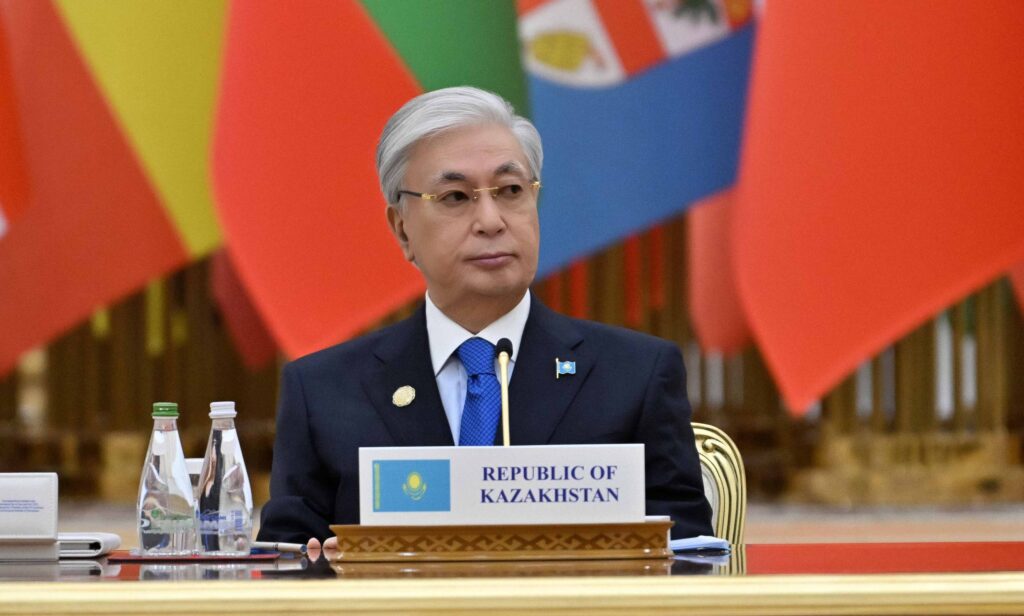
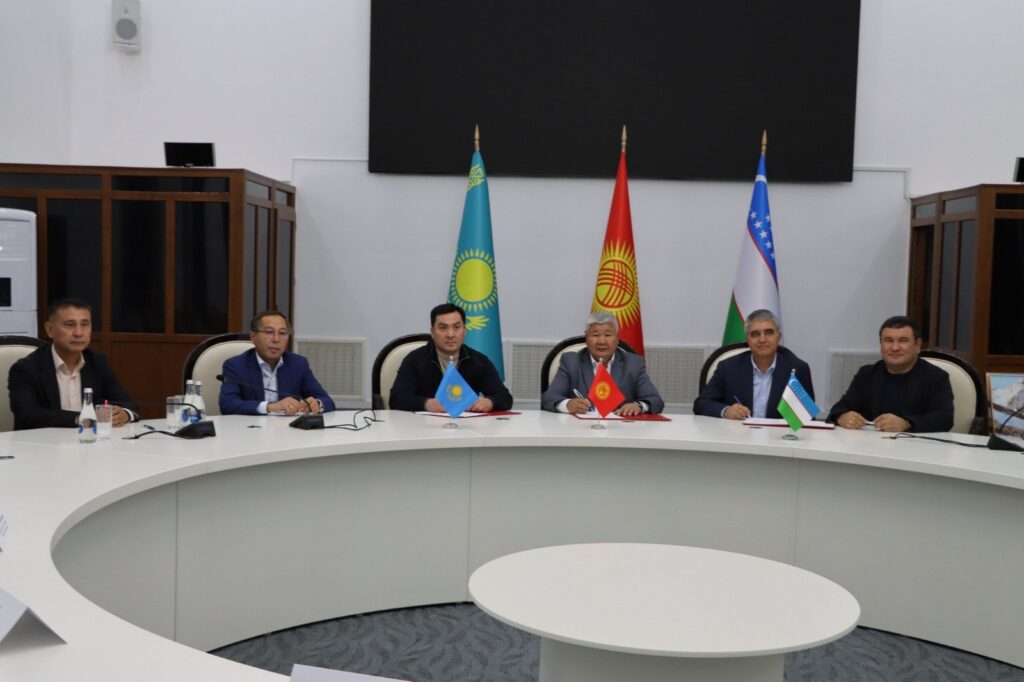
A turning point came in 2023, when President Kassym-Jomart Tokayev signed a decree establishing the Ministry of Water Resources and Irrigation. This marked institutional recognition of the water crisis and an admission that the existing governance model no longer matched the country’s needs.
The subsequent step was the drafting of a new Water Code, introducing a fundamental shift in the approach to managing water as a resource.
From Natural Resource to Economic Asset
The previous legislation was hampered by weak enforcement mechanisms. Fines for pollution or exceeding water usage limits were negligible for large industrial enterprises. In many cases, investing in treatment facilities or water-saving technologies was more costly than repeatedly paying fines.
A further constraint was a lack of personnel: only about 70 inspectors were responsible for monitoring water use nationwide, rendering comprehensive oversight unfeasible.
The new Water Code redefines the regulatory philosophy. Water is no longer treated as a near-free natural resource but is now recognized as a strategic economic asset, comparable to hydrocarbons or mineral resources.
The most significant innovation is the shift from punitive measures to economic deterrents. Companies that fail to adopt water-saving technologies risk losing their special water use permits. Continued unauthorized withdrawal is then subject to a fivefold tariff increase.
A Multi-Level Control System
The new enforcement model introduces a tiered response to violations. The first stage includes preventive oversight, during which companies receive instructions and deadlines to address issues. Penalties follow only in cases of non-compliance. Persistent violations may result in full restriction of water access.
The Ministry of Water Resources and Irrigation stresses that the primary aim is not to punish, but to incentivize water conservation and technological modernization. For many industrial enterprises, water is a vital input, making this regulatory shift especially impactful.
Sector-Specific Regulatory Models
The Water Code adopts differentiated approaches based on industry.
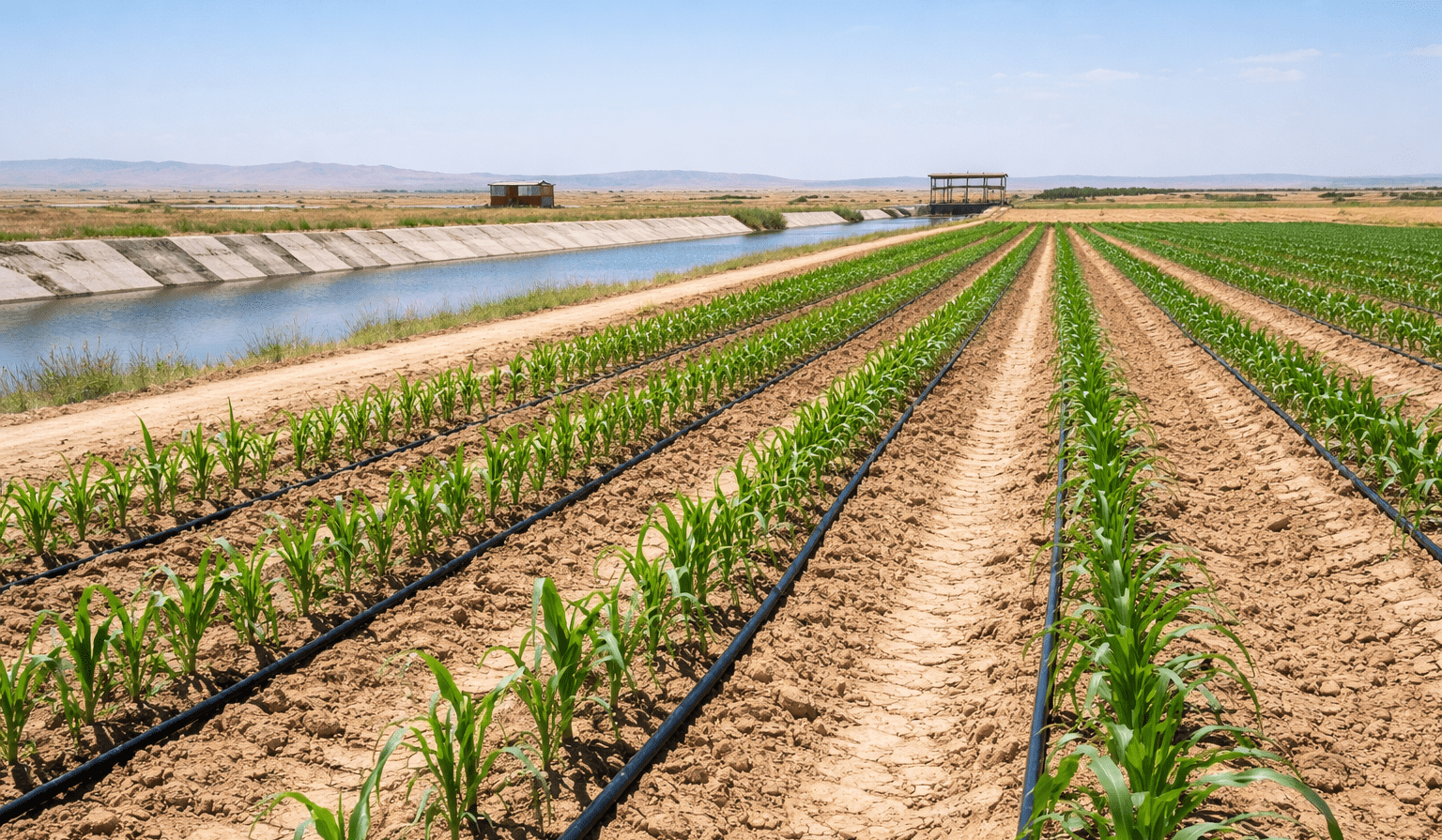
Agriculture, which accounts for 60-70% of total water withdrawals, remains the largest consumer. Most of this use is non-recoverable due to outdated irrigation techniques.
Farmers are offered an incentive-based framework. The state subsidizes up to 80% of the cost for adopting drip irrigation, installing metering devices, and upgrading irrigation infrastructure. Beginning in 2024, projects to repair canals and hydraulic structures, where water losses are critical, are being rolled out.
Small businesses, including car washes, bathhouses, restaurants, and service providers, account for approximately 15% of consumption. These entities fall under the purview of municipal water utilities.
Here, an indirect pressure mechanism is introduced: as water intake quotas are reduced, municipal utilities will be held financially accountable for excess consumption, encouraging them to adopt water-saving solutions for end users.
Digital Oversight Over Manual Inspection
Although the number of inspectors has nearly tripled, and basin inspection units have been established nationwide, the primary emphasis is on digital monitoring tools.
The ministry already deploys drones to create 3D terrain models and detect illegal dams, pumps, and unauthorized canal connections.
By the end of 2026, a unified information system for water monitoring is expected to launch. Modeled on tax control systems, this platform will use algorithms to review enterprise reports and flag anomalies automatically. On-site inspections will be reserved for high-risk cases.
The system will also verify the actual implementation of water-saving technologies, moving beyond mere formal compliance.
Authorities acknowledge that an immediate overhaul is unrealistic. A sudden tightening of regulations could shutter enterprises and trigger social disruption.
Accordingly, the Water Code allows for phased implementation. Core regulations will take effect in 2027, with a transition period extending to 2032. Businesses will have five years to adapt and invest.
Crucially, the ministry underscores that this transition is not a regulatory hiatus; real-time monitoring will continue throughout.
Kazakhstan is entering a phase where sustained economic growth can no longer depend on the unrestrained consumption of natural resources. As water reserves dwindle, the state is compelled to adopt a framework of strict but transparent regulation.