• KGS/USD = 0.01144 0%
  • KZT/USD = 0.00209 0%
  • TJS/USD = 0.10523 0%
  • UZS/USD = 0.00008 0%
  • TMT/USD = 0.28530 0%
  • KGS/USD = 0.01144 0%
  • KZT/USD = 0.00209 0%
  • TJS/USD = 0.10523 0%
  • UZS/USD = 0.00008 0%
  • TMT/USD = 0.28530 0%
  • KGS/USD = 0.01144 0%
  • KZT/USD = 0.00209 0%
  • TJS/USD = 0.10523 0%
  • UZS/USD = 0.00008 0%
  • TMT/USD = 0.28530 0%
  • KGS/USD = 0.01144 0%
  • KZT/USD = 0.00209 0%
  • TJS/USD = 0.10523 0%
  • UZS/USD = 0.00008 0%
  • TMT/USD = 0.28530 0%
  • KGS/USD = 0.01144 0%
  • KZT/USD = 0.00209 0%
  • TJS/USD = 0.10523 0%
  • UZS/USD = 0.00008 0%
  • TMT/USD = 0.28530 0%
  • KGS/USD = 0.01144 0%
  • KZT/USD = 0.00209 0%
  • TJS/USD = 0.10523 0%
  • UZS/USD = 0.00008 0%
  • TMT/USD = 0.28530 0%
  • KGS/USD = 0.01144 0%
  • KZT/USD = 0.00209 0%
  • TJS/USD = 0.10523 0%
  • UZS/USD = 0.00008 0%
  • TMT/USD = 0.28530 0%
  • KGS/USD = 0.01144 0%
  • KZT/USD = 0.00209 0%
  • TJS/USD = 0.10523 0%
  • UZS/USD = 0.00008 0%
  • TMT/USD = 0.28530 0%

Kyrgyzstan Turns to Coal Power Amid Electricity Shortages

Kyrgyzstan is turning to coal-fired electricity generation as a key strategy to address its chronic energy deficits, particularly acute during winter, when heating demand spikes and reliance on costly imports increases.

While the country continues to expand hydropower capacity, the government is emphasizing the role of thermal power as a stable, year-round energy source. Unlike hydropower, which is vulnerable to fluctuating river flows worsened by climate change, coal-fired generation offers a more consistent electricity supply.

On January 22, Energy Minister Taalaibek Ibrayev met with representatives of an international consortium that includes the German consulting group GPRC, along with NRP and KCG. The minister proposed the construction of thermal power plants at domestic coal sites.

According to the Ministry of Energy, the consortium has expressed its intention to design, finance, and build three coal-fired power plants, each with a capacity of 350 MW for a total of 1,050 MW. The proposed facilities would utilize clean coal technologies aligned with international environmental standards. Before construction begins, specialists will assess coal quality and geological conditions at the proposed sites.

Kyrgyzstan’s coal reserves are estimated at around 2 billion tons. In 2024, the country produced 4.396 million tons of coal, with nearly half mined in the Naryn region and the rest in Batken, Osh, and Jalal-Abad. The country’s largest coal deposit is Kara-Keche, a lignite mine in Naryn operated by the state-owned Kyrgyzkomur.

In June 2025, Electric Stations OJSC, which generates about 86% of Kyrgyzstan’s electricity, announced a tender to build a 1,200 MW coal-fired power plant near Kara-Keche. The project was structured in two phases: the first involving two 300 MW units at a cost of $934.38 million, and the second, a 600 MW unit valued at $370.6 million. The proposed plant was expected to generate 7.8 billion kWh annually. However, the tender was declared invalid in September 2025 due to incomplete documentation from bidders.

Despite the setback, the Ministry of Energy remains committed to attracting international investors, viewing coal-fired power as a transitional solution until long-term hydropower projects are fully operational.

Kyrgyzstan exported 1.1 million tons of coal in 2024, valued at $52.7 million. Uzbekistan was the largest buyer, while exports to China surged to 118,200 tons, up from just 13,000 tons in 2023.

As electricity demand rises and hydropower faces increasing climate-related constraints, officials see coal-based generation as a pragmatic measure to stabilize the national grid and bolster energy security during a critical transition period.

Central Asia Launches Regional Electricity Market with World Bank Support

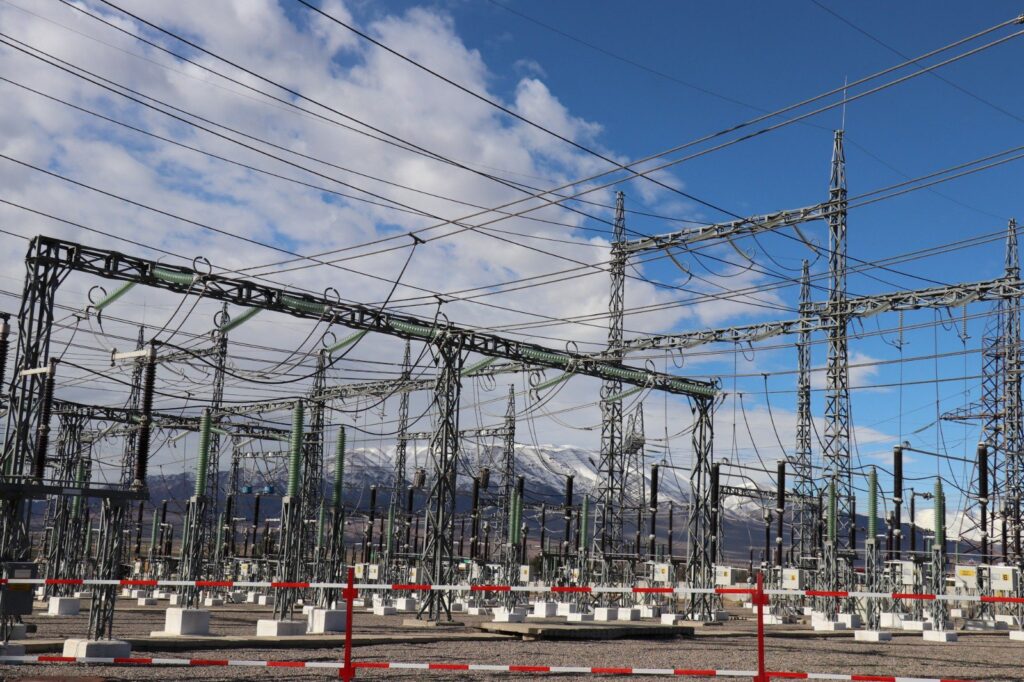
On January 22, the World Bank’s Board of Executive Directors approved the 10-year Regional Electricity Market Interconnectivity and Trade (REMIT) Program, an ambitious initiative to establish Central Asia’s first regional electricity market. The program aims to boost cross-border electricity trade, expand transmission capacity, and lay the foundation for large-scale renewable energy integration across the region.

Electricity demand in Central Asia is projected to triple by 2050 under a business-as-usual scenario. Yet electricity trade in the region currently accounts for only 3% of total demand. The REMIT Program seeks to harness Central Asia’s diverse and complementary energy resources: hydropower in Kyrgyzstan and Tajikistan, thermal power from coal and natural gas in Kazakhstan, Turkmenistan, and Uzbekistan, and the region’s rapidly expanding solar and wind potential.

Over the next decade, REMIT aims to:

  • Increase regional electricity trade to at least 15,000 GWh annually, enough to supply millions of consumers
  • Triple regional transmission capacity to 16 GW
  • Enable up to 9 GW of clean energy integration

The initiative is designed to enhance regional energy security, reduce power outages, lower electricity costs, and promote a more resilient and interconnected grid system.

Total indicative financing for the program is $1.018 billion, to be deployed in three phases. These funds will support the creation and operation of a regional energy market, boost transmission infrastructure, introduce digital technologies to improve grid reliability, and strengthen regional energy institutions and coordination mechanisms. Investments are also expected to generate both construction-related employment and high-skilled jobs tied to market operations.

In the program’s first phase, Kyrgyzstan, Tajikistan, Uzbekistan, and the Central Asian Countries’ Coordinating Dispatch Center (CDC) Energia will benefit from grants and concessional financing totaling $143.2 million. This comprises $140 million from the World Bank’s International Development Association (IDA) and $3.2 million from the Central Asia Water and Energy Program (CAWEP).

“The REMIT Program supports Central Asian countries’ ambition to deepen energy cooperation and create a regional electricity market,” said Najy Benhassine, World Bank Regional Director for Central Asia. “This will enable more efficient use of energy resources, including cross-border deployment of clean energy, improve access to reliable and affordable electricity, and support jobs. By 2050, stronger regional connectivity could generate up to $15 billion in economic benefits.”

Charles Cormier, World Bank Regional Infrastructure Director for Europe and Central Asia, added that REMIT will advance energy security and unlock private sector investment. “The first phase alone is expected to enable about 900 MW of new clean energy capacity, leveraging $700 million in private investment. This will pave the way for a more resilient and interconnected power system across this dynamic region,” he said.

CDC Energia will lead the implementation of market and institutional activities, while national transmission companies will be responsible for infrastructure investments.

Uzbekistan Airways Boeing 767 Makes Emergency Landing in Krasnoyarsk

An Uzbekistan Airways Boeing 767 made an emergency landing at Russia’s Krasnoyarsk airport on January 21 while en route from Tashkent to Vladivostok, according to a statement published by Krasnoyarsk airport on its Telegram channel.

The aircraft, a Boeing 767-300, was carrying 101 passengers, five flight crew members, and 16 cabin crew at the time of the incident. Airport authorities confirmed the plane landed safely. Passengers subsequently underwent border and customs procedures and were relocated to the airport’s general terminal area.

The aircraft was temporarily taken out of service pending a technical inspection. Uzbekistan Airways was expected to dispatch a reserve aircraft to complete the journey to Vladivostok.

Later that day, airport officials reported that the stranded passengers were transferred to local hotels and provided with meals. As of 17:45 local time, the reserve aircraft was expected to arrive early on January 22, with a scheduled departure shortly thereafter. A follow-up update confirmed that the replacement aircraft departed Krasnoyarsk at 7:11 a.m. on January 22.

Uzbekistan Airways has not yet disclosed the technical issue that led to the emergency landing.

This incident follows another serious aviation event earlier this month involving aircraft from Russia’s Pobeda Airlines and Uzbekistan Airways. On January 10, in the Shymkent regional airspace over southern Kazakhstan, Pobeda flight PBD997 from Moscow to Samarkand and Uzbekistan Airways flight UZB9609 from Termez to Moscow came into potential conflict. The incident was classified as serious under Kazakhstan’s aviation safety regulations and prompted a formal investigation, Kazinform reported.

Uzbekistan Among Countries Affected by Lactalis Infant Formula Recall

French dairy conglomerate Lactalis has announced a voluntary recall of several batches of its Picot infant milk formula, citing concerns over potential contamination with a toxin. The recall affects products distributed in France and more than a dozen other countries, including Uzbekistan, according to Al Jazeera, which cited a company statement.

Lactalis reported that six batches of Picot infant formula, sold in pharmacies and major retail chains, are being withdrawn following the detection of cereulide in one ingredient supplied by an external provider. Cereulide is a heat-stable toxin that can cause gastrointestinal symptoms such as vomiting and diarrhea.

In its statement, the company acknowledged that the recall may alarm parents of young children but emphasized that the move is a precautionary measure. The recall is voluntary and specific to the contaminated ingredient, not the entire Picot product range.

Outside France, the recall impacts consumers in Australia, Chile, China, Colombia, the Democratic Republic of Congo, Ecuador, Spain, Madagascar, Mexico, Uzbekistan, Peru, Georgia, Greece, Kuwait, the Czech Republic, and Taiwan. A company spokesperson told AFP that only “a few batches” are involved in each country.

Lactalis confirmed that no adverse health incidents linked to the affected formula have been reported to French authorities, and no illnesses have been officially attributed to the recalled products to date.

This follows a similar recall earlier in the year by Nestlé, which voluntarily withdrew certain baby food products due to concerns over cereulide contamination. That recall, initiated in January, was also described as precautionary.

Lactalis stated it is working closely with distributors and public health authorities to ensure the prompt removal of the affected products from shelves and to inform consumers of recall procedures.

Kyrgyzstan’s Fishing Industry Goes Digital

Kyrgyzstan is launching a large-scale digital transformation of its fishing industry. The Ministry of Agriculture has announced the rollout of several new electronic services, including online fishing permits, a unified digital registry of fishing waters, and a fish traceability system.

According to the ministry, the Department of Fisheries is implementing a suite of digital platforms aimed at enhancing transparency and convenience for entrepreneurs in the aquaculture sector.

A new electronic fishing permit system is already in place for recreational anglers. Permits can be purchased through the Ministry of Agriculture’s official website, with payments processed via QR code. To streamline the process, the ministry has released a step-by-step video tutorial on social media, intended to simplify access and reduce informal transactions.

In parallel, an automated information system has been launched, including a unified electronic register of fishery water bodies and registered fishery entities.

“An automated information system has been developed, a unified electronic register of fishery water bodies and fishery entities, which is now operational. With it, entrepreneurs can access state services from the Department of the Fishing Industry in electronic format,” the ministry’s press service stated.

A key component of the digitalization effort is the development of a fish and fish product traceability system. This initiative is designed to ensure compliance with veterinary and sanitary standards and to boost the export potential of products labeled “Made in Kyrgyzstan.”

By the end of 2025, Kyrgyzstan’s commercial fish production reached approximately 19,500 tons. The Chui region led the country in output, producing 12,800 tons.

Turkmenistan Secures CIS Backing Ahead of 2026 Chairmanship

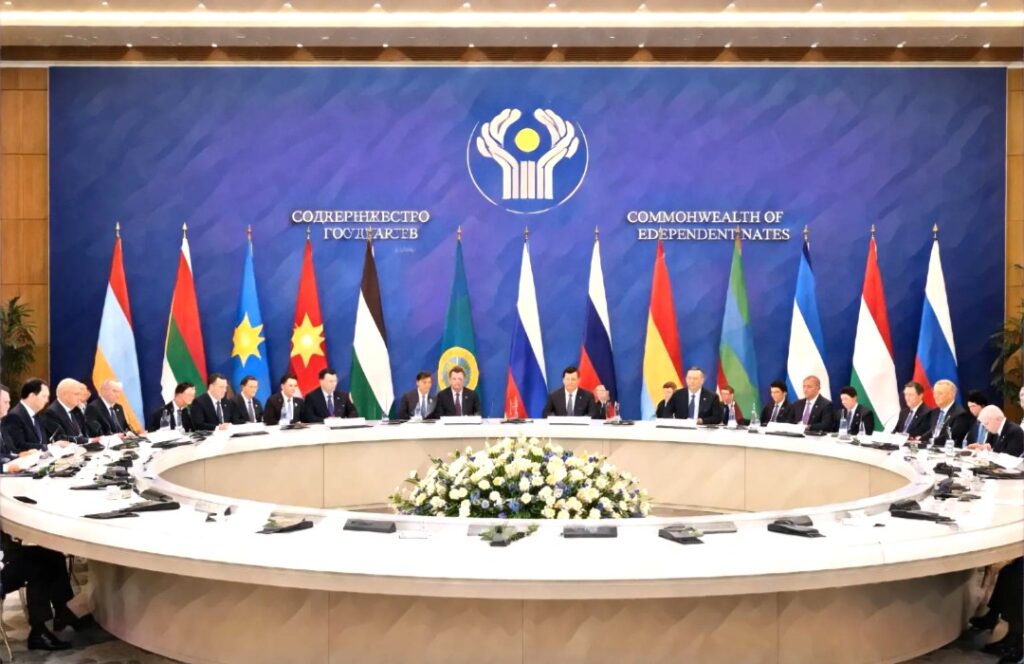
The Commonwealth of Independent States has pledged its full support for Turkmenistan’s chairmanship of the CIS in 2026, signaling a rare moment of consensus around Ashgabat’s role within the post-Soviet bloc.

According to a statement from the CIS Executive Committee, member states agreed to assist Turkmenistan in implementing its chairmanship program, including organizational, analytical, and coordination support. The commitment was discussed during consultations involving CIS officials and representatives of member governments, with a focus on continuity and practical cooperation within the organization.

Turkmenistan, which maintains a policy of permanent neutrality and typically limits its participation in multilateral institutions, is expected to use the chairmanship to emphasize economic cooperation, transport connectivity, and humanitarian initiatives. While Ashgabat has historically kept a low profile within the CIS, its upcoming leadership role offers an opportunity to shape the bloc’s agenda at a time when its relevance is increasingly being questioned.

Formed after the collapse of the Soviet Union in 1991, the CIS continues to function as a platform for dialogue and technical cooperation, despite waning political influence and increasing overlap with newer regional formats. For Central Asian states, CIS mechanisms still intersect with trade coordination, labor migration frameworks, and regulatory alignment, even as governments pursue more diversified foreign policy strategies.

Turkmenistan’s chairmanship will coincide with broader regional shifts, as Central Asian countries balance engagement with legacy post-Soviet institutions against emerging diplomatic and economic initiatives. Observers note that Ashgabat is likely to adopt a cautious and pragmatic approach, avoiding overt political positioning while focusing on areas consistent with its neutrality doctrine.

Further details of Turkmenistan’s chairmanship priorities are expected to be announced in the coming months, as the CIS Executive Committee and Turkmen authorities finalize the agenda and calendar of events.