• KGS/USD = 0.01144 0%
  • KZT/USD = 0.00211 0%
  • TJS/USD = 0.10432 -0.29%
  • UZS/USD = 0.00008 0%
  • TMT/USD = 0.28571 0.28%
  • KGS/USD = 0.01144 0%
  • KZT/USD = 0.00211 0%
  • TJS/USD = 0.10432 -0.29%
  • UZS/USD = 0.00008 0%
  • TMT/USD = 0.28571 0.28%
  • KGS/USD = 0.01144 0%
  • KZT/USD = 0.00211 0%
  • TJS/USD = 0.10432 -0.29%
  • UZS/USD = 0.00008 0%
  • TMT/USD = 0.28571 0.28%
  • KGS/USD = 0.01144 0%
  • KZT/USD = 0.00211 0%
  • TJS/USD = 0.10432 -0.29%
  • UZS/USD = 0.00008 0%
  • TMT/USD = 0.28571 0.28%
  • KGS/USD = 0.01144 0%
  • KZT/USD = 0.00211 0%
  • TJS/USD = 0.10432 -0.29%
  • UZS/USD = 0.00008 0%
  • TMT/USD = 0.28571 0.28%
  • KGS/USD = 0.01144 0%
  • KZT/USD = 0.00211 0%
  • TJS/USD = 0.10432 -0.29%
  • UZS/USD = 0.00008 0%
  • TMT/USD = 0.28571 0.28%
  • KGS/USD = 0.01144 0%
  • KZT/USD = 0.00211 0%
  • TJS/USD = 0.10432 -0.29%
  • UZS/USD = 0.00008 0%
  • TMT/USD = 0.28571 0.28%
  • KGS/USD = 0.01144 0%
  • KZT/USD = 0.00211 0%
  • TJS/USD = 0.10432 -0.29%
  • UZS/USD = 0.00008 0%
  • TMT/USD = 0.28571 0.28%

EU’s €20M Project to Diversify Internet Resources in Kazakhstan with Satellite Communications

The European Union (EU) is set to contribute to the diversification of internet resources in Kazakhstan, as announced by Johannes Baur, the Head of the Cooperation Department of the EU Representative Office in Kazakhstan. This initiative is part of the EU’s broader commitment to bolstering digital infrastructure and connectivity in Central Asia.

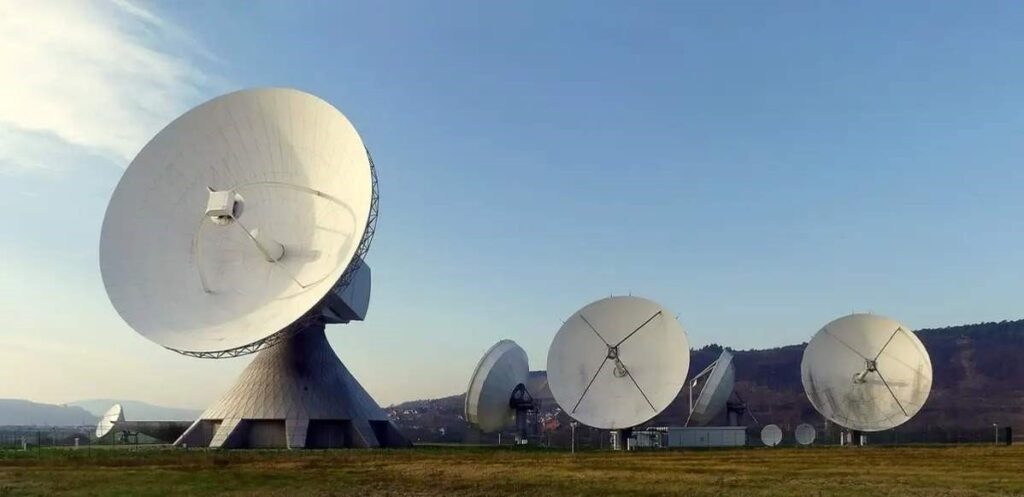
“In Kazakhstan, internet traffic now comes from Russia and China,” Baur said during a meeting organized by the Eurasian Foundation for Central Asia. He further explained the EU’s proposition: “Our project wants to offer Kazakhstan the opportunity to use European satellite communications, a product of the European company, SES. For example, while Starlink satellites orbit the Earth in a low orbit, SES satellites orbit in a medium orbit. Satellites in medium orbit can cover the whole of Kazakhstan, which is an advantage. We can even cover the whole of Central Asia.”

This ambitious project has received approval from the European Commission and is set to be showcased at the Central Asia – European Union summit scheduled for 2024. Baur disclosed the initial funding earmarked for the project, stating, “First of all, the European Union will allocate 20 million euros, but this is the amount allocated to the whole of Central Asia. I think most of these funds will be directed to Kazakhstan, Kyrgyzstan and Uzbekistan. The specific details are still unknown, but it will be a large loan from the European Investment Bank.”

This initiative aligns with the EU’s ongoing efforts to diversify its supply chains and strengthen its relations with strategic partners like Kazakhstan. Moreover, it is expected to contribute significantly to the development of a secure and sustainable supply of digital resources across Central Asia.
OCCRP Reports on Corruption Linked to Berdimuhamedov family

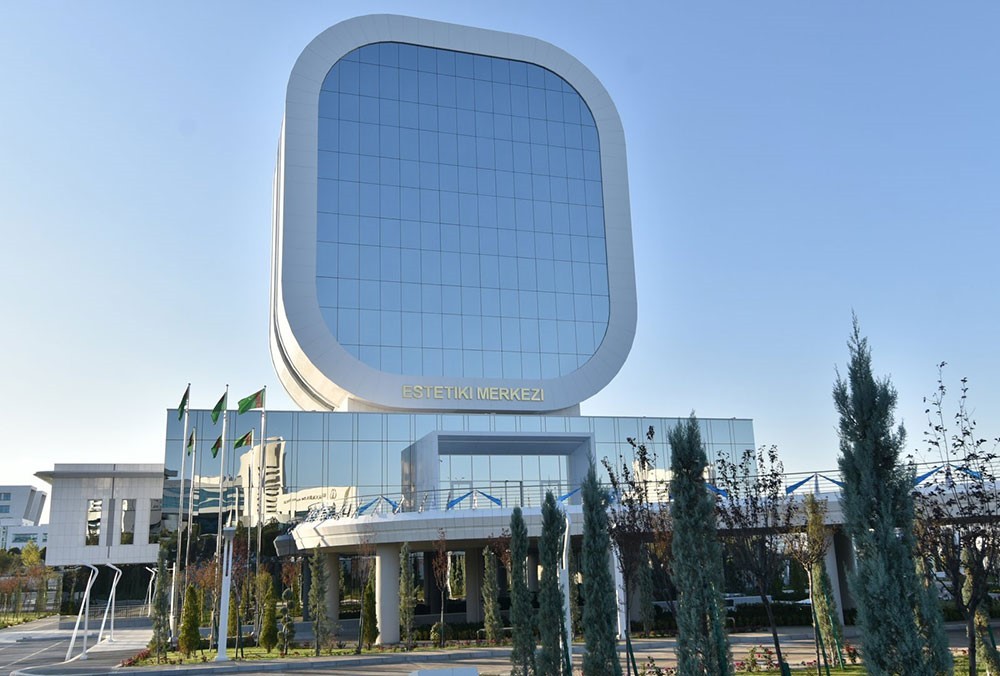
The Center for Aesthetic Medicine in Ashgabat was sold at a huge discount to a company called Ashgabat International Aesthetic Medicine Center (AIATC), associated with the Berdimuhamedov family, the Center for Research on Corruption and Organized Crime (OCCRP) has reported together with the publications Turkmen.news and Gundogar. According to investigators, the Government of Turkmenistan built the center at a cost of U$51 million dollars; its official opening took place in October 2020. However, two days before the opening, the President of Turkmenistan at that time, Gurbanguly Berdimuhamedov, signed a decree authorizing the privatization of the center without a tender. As a result, the center was sold for $ 6.5 million less than the state spent on its construction.

Journalists believe that the real discount the buyers received may be much higher taking into account the unofficial exchange rate. (In 2020, the unofficial exchange rate was 23.6 manat per dollar, whilst the official rate was 3.5.).

AIATC belongs to a group of seven legal entities, investigators learned from a data leak about members of the Union of Industrialists and Entrepreneurs of Turkmenistan. Two of these seven companies are related to the Berdymukhamedov family.

Despite the fact that the Center for Aesthetic Medicine was bought by AIATC, it is managed by the Center for Beauty and Aesthetics, the director of which is Doctor Gulya Annanepesova, who is the head of both the selling and the buying enterprise. Annanepesova has allegedly accompanied Gurbanguly Berdimuhamedov on official trips at least twice. In March 2017, they traveled to Qatar, and in November 2019 to Italy. Annanepesova is listed as a cosmetologist and a doctor in the lists of participants of the delegations.

In 2016, Annanepesova was awarded a medal in honor of the 25th anniversary of Turkmenistan’s independence. At that time, she worked at the state Center for Internal Medicine, and among her colleagues was one of the younger sisters of the president, who worked as a nurse. A year after the opening of the Center for Aesthetic Medicine, Berdimuhamedov awarded Annanepesova with a commemorative badge for services to the development of health care in Turkmenistan. She was listed in the list of awardees as the director of the Center for Beauty and Aesthetics.

Annanepesova, according to the sources of the publications, is married to Maksat Geldiev, who worked in the Ministry of National Security and played an important role in the introduction of internet censorship in Turkmenistan.

The Center for Aesthetic Medicine offers a wide range of cosmetology and wellness treatments, from weight loss programs to hairdressing services. The journalists drew attention to the fact that all these services do not coincide with the initiatives of the authorities, which prohibit, among other things, bright make-up and plastic surgery. The imposition of restrictions on women intensified shortly after Serdar Berdimuhamedov succeeded his father as president of the country in March 2022.

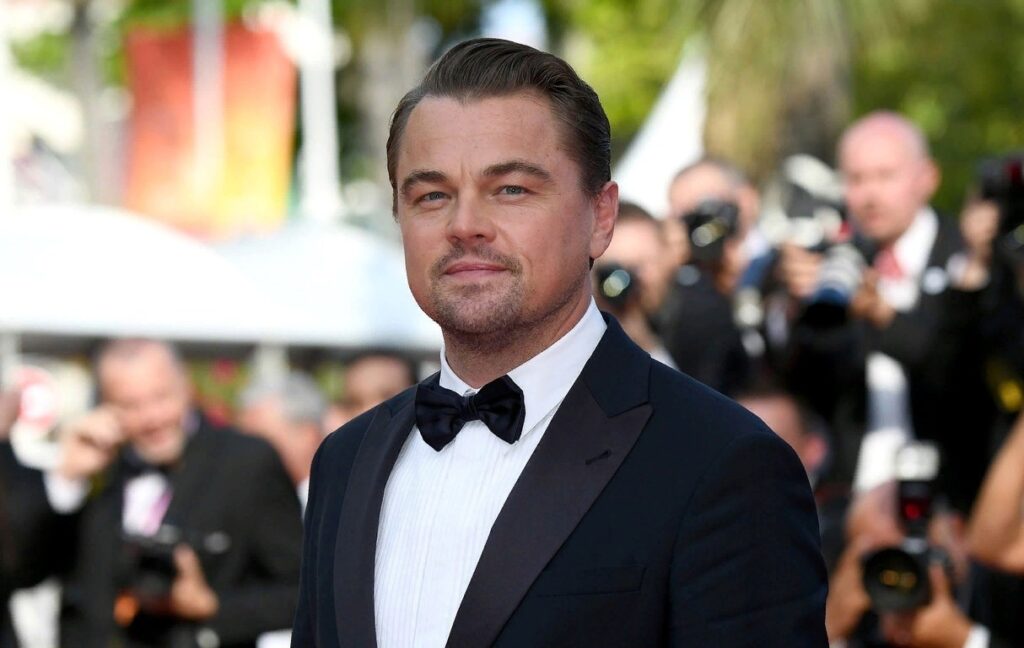
Leonardo DiCaprio Congratulates Government of Kazakhstan

One of the most sought-after Hollywood actors, Leonardo DiCaprio, has appealed to the government of Kazakhstan on his personal Instagram page. On December 25th, the Oscar-winner congratulated the Kazakhstan authorities on the increase in the population of the endangered saigas.

“Congratulations to the Government of Kazakhstan, which has invested heavily in anti-poaching initiatives, powerful law enforcement agencies and the creation of new protected areas. Their cooperation with environmental organizations, universities and scientists is a vivid example of real success in the field of nature conservation based on joint efforts,” wrote DiCaprio, noting that saigas had moved categories from “on the verge of extinction” to “in a state close to threatened” on the international Red List.

“This unprecedented recovery reflects the remarkable preservation of saiga in Kazakhstan. The species, which once numbered 48,000 in 2005, has now grown to more than 1.9 million in the wild,” the actor noted.

DiCaprio contributes considerably to climate change and pollution issues, supporting more than 200 projects focused on protecting wildlife and restoring the balance of ecosystems and communities.

On December 12th, the International Union for Conservation of Nature reported that saigas no longer belong to the species of animals on the verge of extinction.

Tajikistan and Kyrgyzstan Agree on Another Border Section

Delegations from Tajikistan and Kyrgyzstan have conducted more work on the definition and designation of the state border, agreeing on the divination of another 11.88 km at a meeting in Buston held between the 17th and 23rd of December. The two parties also agreed to continue determining the remaining sections oat the next meeting to be held in Kyrgyzstan.

A long-standing source of conflict between the two nations, it is emblematic of the problem that even the length of the border – sometimes cited as being 975-kilomtres long, and at others times 972-kilomteres – is rarely agreed upon. In January 2023, Tajikistan’s President Rahmon stated that 614-kilometres have been agreed upon, backtracking on a previously stated figure of 664.

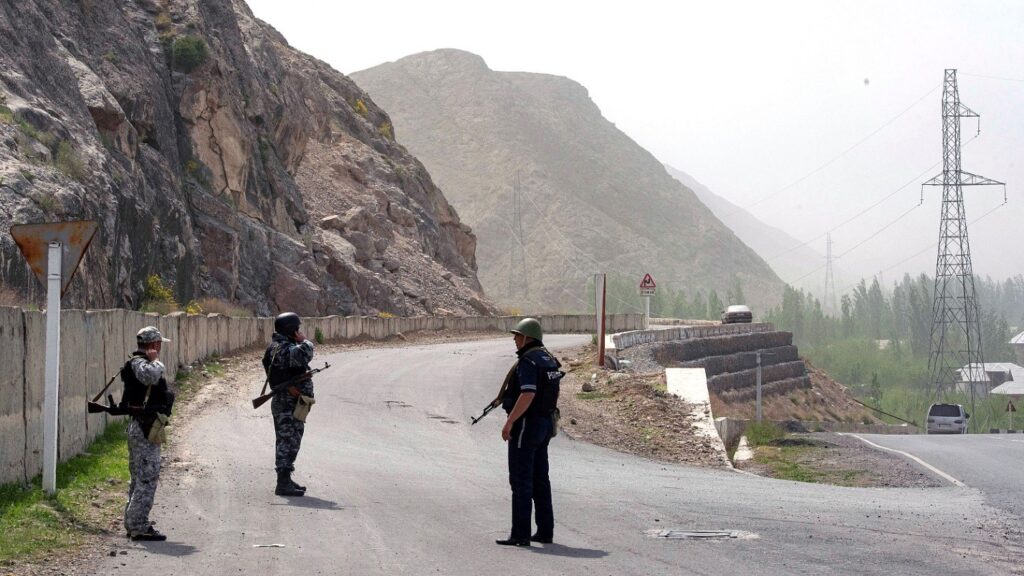
With its scant natural resources and dwindling water supplies, the border between Kyrgyzstan and Tajikistan has been the scene of numerous skirmishes for many years. In 2014, all borders between Kyrgyzstan and Tajikistan were closed indefinitely to Kyrgyz and Tajik citizens following clashes over a bypass road in disputed territory; mortars were fired and both armies suffered casualties. In 2021 and 2022, troubles flared up again. Several hundred kilometers of the border have not yet been defined.

This situation developed after the collapse of the USSR, leaving the parties unable to agree on dozens of disputed areas. The non-delimited territories become a conflict zone between the local population, and the border guards of the two countries became involved. The last major conflict occurred on September 16th 2022, as a result of which hundreds of people were killed and injured on both sides, and massive damage was caused to the infrastructure in Sughd and Batken.

The Presidents of Tajikistan and Kyrgyzstan, Emomali Rahmon and Sadyr Japarov, have repeatedly discussed delimitation of the border. The situation in the disputed areas is also closely monitored by the Collective Security Treaty Organization (CSTO). In recent years, the authorities of the two countries have been actively negotiating to resolve this issue. Meetings have been held alternately on the territory of the two republics. Currently, more than 90%, or about 885 km of the border has been mutually recognized by States.

EEU Leaders Seek to Strengthen Position of Economic Bloc

A meeting of the Supreme Eurasian Economic Council was held in St Petersburg on December 25th. The meeting was attended by leaders of the Eurasian Economic Union (EEU) member countries – the Prime Minister of Armenia, Nikol Pashinyan, President of Belarus, Alexander Lukashenko, President of Kazakhstan, Kassym-Jomart Tokayev, President of Kyrgyzstan, Sadyr Japarov, and President of Russia, Vladimir Putin.

Opening the meeting, Russian President Putin said that the Eurasian Economic Union will soon be ten years old, and over this period, the mutual trade between its member countries has almost doubled and the aggregate GDP of the EEU countries has grown from US$1.6 trillion to US$2.5 trillion. “We have created deep common markets for goods, services, capital, and workforce, which are operating in line with agreed-upon rules. The main point is that the Eurasian Union has become an authoritative international integration association with an efficient structure and a good foundation,” he said.

Putin added that the work on aligning integration processes within the EEU and China’s Belt and Road Initiative is also yielding results.

The Council’s meeting adopted the declaration “Eurasian Economic Path,” which is aligned with China’s Belt and Road Initiative.

Government to Support Projects of Young Investors and Entrepreneurs

On December 25th, Deputy Minister of Investment, Industry and Trade, Khurram Teshabayev took part in a dialogue between the Ministry and young Uzbek investors and entrepreneurs, the Ministry’s official website reported.

The event gathered senior officials of the ministry and more than 500 representatives of the younger generation – successful investors and business people from all regions of the country, in online and offline formats.

Opening the meeting, Teshabayev emphasized the importance of involving young people in entrepreneurial and investment activities, saying that a number of opportunities have been created in Uzbekistan to realize the potential of young people, including within the framework of the “Uzbekistan-2030 Strategy”.

Today, the task of providing comprehensive support to young entrepreneurs and investors has been elevated to the level of state policy, the Deputy Minister said. Youth industrial-entrepreneurial zones with preferential treatment for manufacturers have been created, a fund to support young entrepreneurs has been established, which provides assistance in the implementation of investment projects and entrepreneurial initiatives, covering the production of products and the provision of services, startup projects and scientific research.

Young entrepreneurs can receive support both by obtaining an infrastructurally developed territory for organizing production facilities, and in the form of financial assistance for the implementation of projects for the production of import-substituting products that are in high demand in foreign markets. To date, the Fund for Support of Young Entrepreneurs has allocated funds for the implementation of about 700 youth projects, with about 150 of them located in Youth Industrial Zones.