• KGS/USD = 0.01144 0%
  • KZT/USD = 0.00193 -0%
  • TJS/USD = 0.10811 -0.28%
  • UZS/USD = 0.00008 0%
  • TMT/USD = 0.28490 0%
  • KGS/USD = 0.01144 0%
  • KZT/USD = 0.00193 -0%
  • TJS/USD = 0.10811 -0.28%
  • UZS/USD = 0.00008 0%
  • TMT/USD = 0.28490 0%
  • KGS/USD = 0.01144 0%
  • KZT/USD = 0.00193 -0%
  • TJS/USD = 0.10811 -0.28%
  • UZS/USD = 0.00008 0%
  • TMT/USD = 0.28490 0%
  • KGS/USD = 0.01144 0%
  • KZT/USD = 0.00193 -0%
  • TJS/USD = 0.10811 -0.28%
  • UZS/USD = 0.00008 0%
  • TMT/USD = 0.28490 0%
  • KGS/USD = 0.01144 0%
  • KZT/USD = 0.00193 -0%
  • TJS/USD = 0.10811 -0.28%
  • UZS/USD = 0.00008 0%
  • TMT/USD = 0.28490 0%
  • KGS/USD = 0.01144 0%
  • KZT/USD = 0.00193 -0%
  • TJS/USD = 0.10811 -0.28%
  • UZS/USD = 0.00008 0%
  • TMT/USD = 0.28490 0%
  • KGS/USD = 0.01144 0%
  • KZT/USD = 0.00193 -0%
  • TJS/USD = 0.10811 -0.28%
  • UZS/USD = 0.00008 0%
  • TMT/USD = 0.28490 0%
  • KGS/USD = 0.01144 0%
  • KZT/USD = 0.00193 -0%
  • TJS/USD = 0.10811 -0.28%
  • UZS/USD = 0.00008 0%
  • TMT/USD = 0.28490 0%
10 December 2025

Opinion: Kazakhstan Caught in the Crossfire of Caspian Pipeline Strikes

The developing peace process between Russia and Ukraine, initiated by U.S. President Donald Trump, offers a glimmer of hope for stability. Yet Kazakhstan finds itself in a difficult position, caught in the crosshairs of a conflict that continues to spill across its borders, at least economically. Over the past few months, the Caspian Pipeline Consortium (CPC), through which more than 80% of Kazakhstan’s oil is exported, has become the target of repeated drone attacks linked to the war in Ukraine.

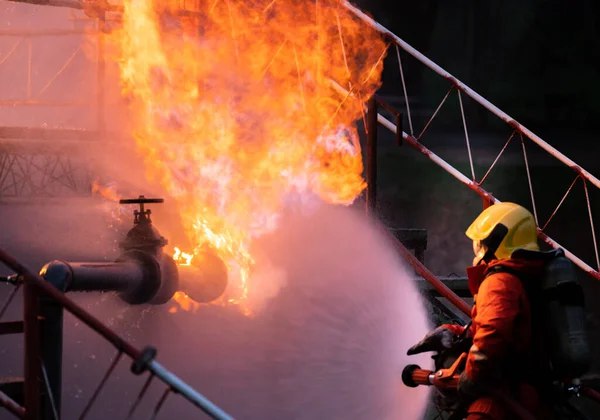
Despite a tentative ceasefire agreement, damage to CPC infrastructure continues. In mid-March, the Kavkazskaya oil depot in Russia’s Krasnodar region, part of the CPC system, suffered a major fire following a suspected Ukrainian drone attack. According to Reuters, the blaze lasted nearly a week before being extinguished, raising concerns about the vulnerability of energy infrastructure in the region.

Western outlets have confirmed that the CPC’s Kropotkinskaya pumping station was targeted around the same period. S&P Global reported that drone strikes on March 18-19 damaged a key facility transferring oil from rail tankers to the pipeline system. Business Insider noted the attack caused serious financial disruption, particularly for CPC shareholders such as Chevron-led Tengizchevroil.

Kazakhstani journalist Oleg Chervinsky has stated that the CPC was included in a ceasefire moratorium on mutual strikes, reportedly agreed upon by both sides. If accurate, the March attacks could suggest a violation of those terms. AP News has also highlighted ambiguity in the ceasefire framework, with Russia and Ukraine each accusing the other of non-compliance.

The economic stakes for Kazakhstan are high. According to oil and gas analyst Olzhas Baidildinov, the CPC distributed $1.3 billion in dividends in 2024, with KazMunayGas, Kazakhstan’s national oil company, receiving an estimated $250 million, approximately $85 million of which was channeled into the state budget.

At a time when Kazakhstan is still recovering from a budget deficit, further disruptions to CPC operations are more than technical, they threaten fiscal stability. Yet the response from Astana has remained subdued.

Political analyst Andrei Chebotarev recalled that following an an earlier attack in February, the Kazakh Ministry of Foreign Affairs pledged to engage with its Ukrainian counterparts. What emerged from those talks remains unclear. Chebotarev also noted that Ukraine has yet to appoint a new ambassador to Kazakhstan, despite generally constructive relations.

Fellow analyst Daniyar Ashimbayev has speculated that geopolitical rivalries may be at play, including competition with the Baku-Tbilisi-Ceyhan pipeline and Kazakhstan’s recent overproduction within OPEC+, though these claims remain unverified.

In a brief official comment, Deputy Foreign Minister Alibek Kuantyrov confirmed that Kazakhstan remains in contact with Ukraine and that discussions are ongoing.

Meanwhile, the Ministry of Energy has stated that Kazakh oil continues to flow through the CPC pipeline without restriction. Yet, for many observers, Kazakhstan’s measured diplomacy, perhaps aimed at avoiding antagonism with either side, is beginning to feel inadequate. As key infrastructure remains exposed to cross-border conflict, the case for a firmer and more public diplomatic posture grows stronger.

Kyrgyzstan Combats Pastureland Degradation to Safeguard Livestock Farming

Pastureland is a strategic asset for Kyrgyzstan, where agriculture forms the backbone of rural livelihoods. A majority of the population depends on raising sheep, cattle, and horses for food and income. However, widespread degradation of pastureland, especially near settlements, now poses a growing threat to the country’s livestock sector.

Farmers and herders increasingly favor grazing their animals on easily accessible village pastures, leaving more remote areas underused. This uneven distribution has led to overgrazing and deterioration of pastures near populated areas. According to the Ministry of Water Resources, Agriculture and Processing Industry, more than 139,000 hectares of village pastures have been degraded and require restoration.

Policy Response: Grazing Restrictions and Seasonal Rotation

In response, the ministry has issued a directive mandating seasonal rotation of grazing lands. Under the new policy, farmers must move their livestock to distant pastures between April 15 and September 15 each year.

This initiative aims to:

  • Preserve natural ecosystems
  • Promote responsible use of state-owned pastureland
  • Enhance livestock productivity through improved pasture management

Grass Reseeding Campaign Underway

To rehabilitate affected areas, the government has launched a nationwide reseeding campaign. For the 2025 season, the Ministry of Agriculture has procured 94,462 kilograms of sainfoin seeds and 137,725 kilograms of other pasture grass seeds. These have been distributed across regions for use by local farmers and pasture users.

The reseeding effort is expected to help restore 15,299 hectares of degraded pastureland. As of now, 2,810 hectares have already been sown with a mix of sainfoin and pasture grasses.

This proactive approach underscores Kyrgyzstan’s commitment to sustainable agriculture and long-term food security. Ensuring the health of its pastures is not just an environmental necessity, it’s an economic imperative for the thousands of families who depend on livestock farming for their livelihoods.

EU Pledges Steady Support for Tajikistan Ahead of Historic Central Asia Summit

The European Union will maintain its current level of assistance to Tajikistan despite the recent suspension of U.S. funding through USAID, EU Ambassador to Tajikistan Raimundas Karoblis has confirmed. He emphasized that European and American aid programs operate independently and that EU support will remain unaffected.

“Aid from the EU will continue and will not be reduced,” Karoblis stated. He added that the EU’s assistance framework for Tajikistan is already set through 2027 and cannot be revised before then. Discussions about increased support may take place after that period.


EU and Central Asia: Toward a Historic Summit

On March 27, Ashgabat will host the 20th meeting of foreign ministers from the European Union and Central Asia. The key objective of this gathering is to prepare for the first-ever EU-Central Asia Summit, scheduled for April 3-4 in Samarkand. The summit will bring together the President of the European Council, the head of the European Commission, and the leaders of all five Central Asian states.

According to the EU Delegation in Tajikistan, the summit will mark a new milestone in EU-Central Asia relations, reflecting the EU’s deepening political engagement with the region.

Financial Assistance and Strategic Priorities

Between 2021 and 2027, the EU has committed more than €550 million in aid to Central Asia, with €142 million allocated to Tajikistan. The focus areas include building an inclusive green economy, investing in human capital, and ensuring sustainable management of natural resources.

Under its Global Gateway initiative, the EU is working to develop smart and sustainable connectivity across transport, digital infrastructure, energy, and education. A key initiative is the Trans-Caspian Transport Corridor, to which the EU has allocated more than €88 million. Other efforts target enhanced digital and energy integration in the region.

In the strategic domain of critical raw materials, the EU has earmarked €16 million to support local value chains and promote sustainable investments. Additionally, through the European Fund for Sustainable Development Plus (EFSD+), €30 million in guarantees have been allocated for renewable energy and raw material extraction projects.

Security, Education, and Youth Engagement

The EU plays an active role in regional security initiatives. Its BOMCA program supports border management and the fight against transnational crime, while the CADAP program focuses on drug use prevention.

In Tajikistan specifically, the EU, in partnership with the OSCE, is implementing a project to strengthen the capacity of border guards along the Tajik-Afghan frontier. The EU also contributes to counter-terrorism efforts and collaborates with the government on related initiatives.

Education and youth empowerment are additional EU priorities. From 2013 to 2027, €95 million has been directed toward reforming Tajikistan’s education sector. The Erasmus+ program received €73 million for 2021-2027, enabling students from Central Asia to study at European universities.

Youth employment is also being addressed through the €10 million DARYA program, and the recently launched €4.5 million Regional Civil Society Fund (as of September 2024) is aimed at strengthening civic engagement.

Karoblis reaffirmed the EU’s long-term commitment to Tajikistan, noting that assistance will remain consistent, structured, and aligned with the broader goals of sustainable development.

Mysterious Drones on Kazakhstan’s Border with Russia: Third Drone Found in a Month

A third unidentified drone has been discovered in Kazakhstan’s West Kazakhstan region near the Russian border, heightening security concerns and prompting official investigations. Law enforcement and relevant agencies are currently inspecting the latest find.

New Fragments in Zhanibek District

The most recent wreckage, believed to be part of an unmanned aerial vehicle (UAV), was found in Zhanibek district. According to a statement from the West Kazakhstan Region Police Department, the debris was located in a remote, uninhabited area.

“The West Kazakhstan Region Police Department, together with authorized services, is conducting verification activities regarding the discovery of objects resembling fragments of an unmanned aerial vehicle,” the department stated.

Authorities are working to determine the circumstances surrounding the incident, including the drone’s origin and potential flight path.

Third Case in a Month

This is the third such incident in the region within the span of a month. As previously reported by The Times of Central Asia, on March 18, residents of Atameken village, approximately 60 kilometers north of Taskala, reported the crash of a drone approximately three meters in length.

A similar incident occurred on February 18 in the village of Uyaly, Bokeyordinsky district, where authorities recovered an unidentified flying object measuring 120 centimeters in length. In both previous cases, police and emergency services responded to secure and analyze the sites.

Assumptions and Unofficial Theories

While there has been no official identification of the drones, some regional media outlets suggest a possible match between one of the recovered UAVs and the French-made “Crecerelle” reconnaissance drone, produced by Sagem.

The lack of confirmation has done little to quell speculation, particularly amid rising concerns about the drones’ potential connection to the war in Ukraine. In Russia’s neighboring Saratov region, Ukrainian UAVs have repeatedly targeted strategic infrastructure, including airfields and fuel depots. This geographic proximity raises questions about whether Kazakhstan is inadvertently becoming a transit zone, or even a crash zone, for drones involved in that conflict.

Local officials and residents alike are increasingly uneasy about the repeated discoveries. Investigations remain ongoing, with experts aiming to identify the drones’ origins and assess any security risks. Law enforcement agencies have refrained from commenting on possible links between the drone crashes and the military conflict in Ukraine until further evidence is gathered.

Central Asia’s Crypto Gamble: Growth Amid Uncertainty

Central Asian countries are approaching the cryptocurrency and crypto-mining industry at varying speeds. While some are just beginning to explore the sector, others have already taken significant, albeit sometimes contradictory, steps.

Kazakhstan: From Mining Powerhouse to Regulatory Caution

Kazakhstan once emerged as a global leader in bitcoin mining. Between mid-2021 and early 2022, the country ranked third in the world in terms of bitcoin mining capacity, accounting for 13.22% of global computing power, trailing only the United States and China. This boom was fueled by low electricity costs, favorable tax conditions, and an influx of miners fleeing stricter regulations in China.

However, the rapid growth strained Kazakhstan’s energy infrastructure. The Ministry of Energy reported that while annual electricity consumption had previously grown by an average of 2%, in 2021 it surged by 6.1% and up to 12% in the densely populated southern energy zone. Digital mining was cited as the primary cause.

By early 2025, Kazakhstan’s share of global mining capacity had dropped to just 1.4%, placing it outside the top five globally. Although around 60 companies are currently active in the sector, some operations have stalled. Tax legislation has tightened since 2022, with miners required to pay 1-2 tenge per kilowatt-hour depending on the energy source. Illegal mining and unlicensed exchanges remain a challenge; in 2024 alone, 12 criminal cases were launched against underground platforms.

Despite these setbacks, experts see potential for a more sustainable and regulated industry. The Astana International Financial Center (AIFC) has become the hub for cryptocurrency operations. A 2023 law on digital assets and updated rules from the Astana Financial Services Authority (AFSA) in 2024 have laid a more comprehensive legal foundation, including provisions on cybersecurity and anti-money laundering.

Over 10 licensed cryptocurrency exchanges now operate in Kazakhstan, including global names like Binance, Bybit, and Bitfinex Securities. New initiatives such as the digital tenge and the Cryptocard aim to further integrate blockchain into daily financial transactions.

President Kassym-Jomart Tokayev reaffirmed the government’s commitment to digital transformation in March 2025:

“The development of the digital asset industry and blockchain technology plays a major role. Urgent measures must be taken to liberalize regulation, ensure the legal circulation of digital assets and crypto exchanges, and attract investment in digital mining,” he said.

Uzbekistan: State-Supported Growth

Uzbekistan has made blockchain and digital assets a policy priority. The National Agency for Perspective Projects (NAPP) is the main regulatory body. Between 2022 and 2024, the agency issued 14 licenses to cryptocurrency companies.

The UzNEX exchange, an internationally licensed platform, has played a key role in developing the crypto market in both Uzbekistan and the wider region. Its services include crypto asset trading, staking, and NFT transactions. In 2024, it expanded its list of supported cryptocurrencies (including Toncoin) and plans to launch a digital art platform. Total trading volume exceeded $1 billion in 2024.

Kyrgyzstan: Building a Legal Framework

Since 2022, Kyrgyzstan has actively developed its regulatory environment for digital assets. The key legislation is the Law on Virtual Assets, which outlines rules for the issuance, circulation, and mining of cryptocurrencies. It mandates licensing for exchanges and mining companies.

By 2024, Kyrgyzstan had registered 75 virtual asset exchange operators and seven full-fledged crypto exchanges. The volume of cryptocurrency transactions reached $4.2 billion.

Tajikistan: Cautious Progress

Tajikistan has yet to formalize regulations on cryptocurrency. While mining is not banned, it operates in a legal gray area. Miners are required to pay taxes, but the absence of comprehensive legislation remains a barrier.

However, in March 2024, Tajikistan established an Agency for Innovations and Digital Technologies, with a mandate to develop digital legislation.

Turkmenistan: Minimal Engagement

Turkmenistan currently has no legal framework governing cryptocurrency. The national banking system does not recognize digital assets as legal tender, which complicates access for users and potential investors.

Drive, Prudence, and Innovative Regulation

Central Asia’s engagement with the cryptocurrency and crypto-mining industries reflects a mix of ambition, caution, and regulatory experimentation. While Kazakhstan and Uzbekistan lead in infrastructure and adoption, Kyrgyzstan is quickly catching up with clear legal reforms. Tajikistan remains in early or exploratory phases. As global demand for digital assets continues to grow, Central Asia’s ability to balance innovation with regulation will determine its role in the next chapter of the crypto economy.

Uzbekistan at the 2025 Venice Biennale: Ekaterina Golovatyuk on the Modernist Legacy of a Soviet-Era Solar Furnace

Is it possible to preserve architectural heritage while working towards sustainability? And what to make of the architectural relics of the past century? Can they somehow take on new meaning rather than remaining a representation of dystopias and utopias of the past?

All these questions and more are addressed by the Uzbekistan Pavilion at the 2025 Venice Architecture Biennale. Running alternate years with the Art Biennale, this is undoubtedly one of the most important architectural events in the international arena.

Promising to be a thought-provoking exploration of Soviet-era scientific ambition, modernist architectural heritage, and the challenges of sustainability in a rapidly changing world, the pavilion hosts the research of GRACE studio – an architectural firm established by Ekaterina Golovatyuk and Giacomo Cantoni – which operates at the intersection of built heritage, contemporary urbanism, and cultural production.

Commissioned by the Uzbekistan Art and Culture Development Foundation (ACDF), the pavilion responds to the theme of the Biennale’s curator, Carlo Ratti’s overarching Biennale concept of ‘Intelligens‘.

The pavilion focuses on the Sun Institute of Material Science, originally known as the Sun Heliocomplex, a vast Soviet-era solar furnace built outside Tashkent during the Cold War to test materials at high temperatures. What emerges is the paradox of a structure designed for technological advancement that now faces questions of obsolescence and adaptation in contemporary discourse.

TCA spoke with Ekaterina Golovatyuk to understand how the pavilion evolved from years of research into Tashkent’s modernist legacy and why this solar furnace has become the focal point of Uzbekistan’s presence at the Biennale.
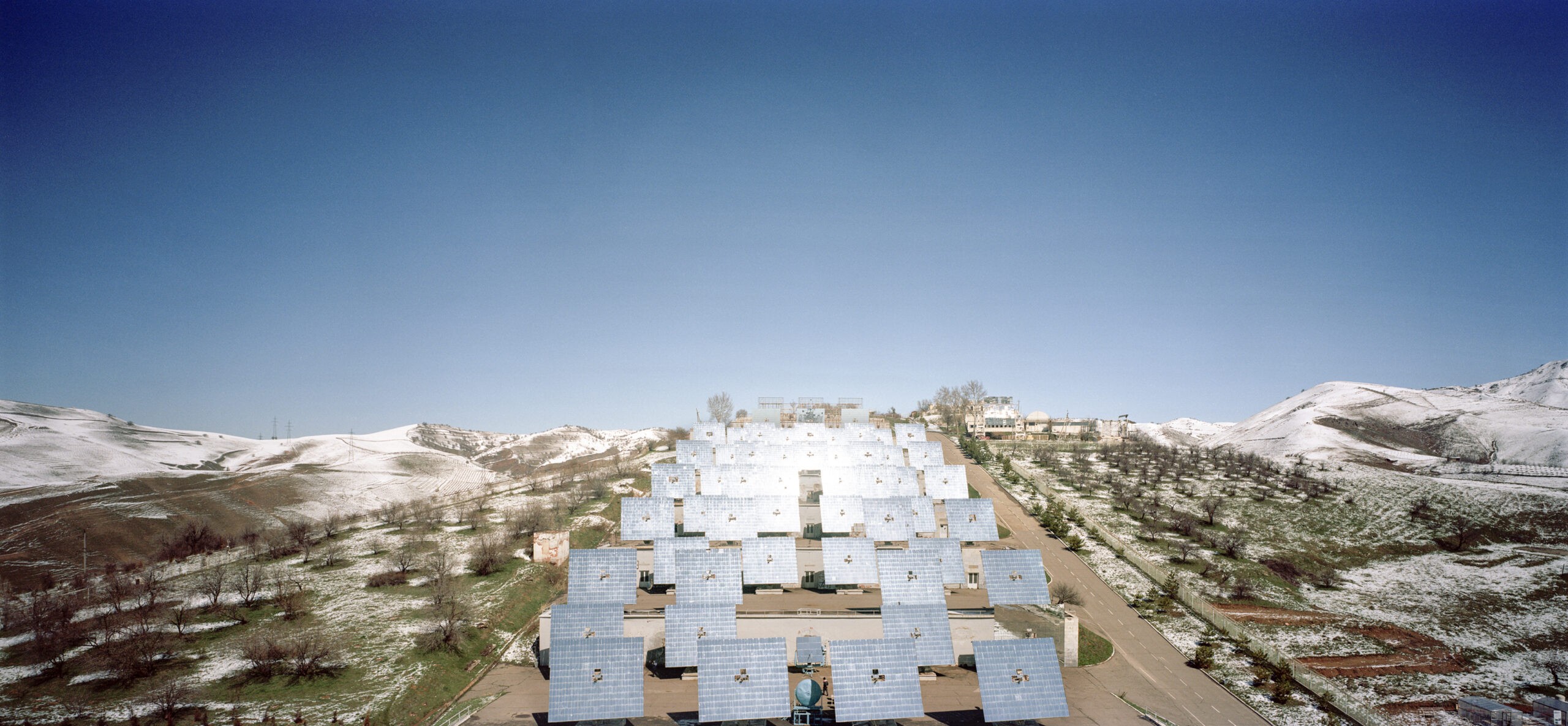
Heliocomplex Sun, field of heliostats, Tashkent, Uzbekistan; image: Armin Linke

TCA: The Uzbekistan Pavilion for the 2025 Venice Biennale builds on your previous research, Tashkent Modernism XX/XXI. Can you tell us how this project began?

This is a project commissioned and initiated by Gayane Umerova of the Uzbekistan Art and Culture Development Foundation that works with cultural heritage, museums, and other culture-related initiatives in Uzbekistan but also promotes Uzbekistan’s culture abroad. They have curated large exhibitions in the Louvre, in the British Museum, showing historical artifacts from Uzbekistan, but also art of the 20th century, and Tashkent Modernism is part of their mission in regards to architecture.

The Tashkent Modernism XX/XXI project began in 2021, when it became clear that Tashkent had started to change so rapidly that special tools had to be put in place in order to protect the recent architectural heritage that, at the time, was mostly not listed and therefore at risk. Our project team consisted of multiple experts from Uzbekistan and abroad, including a historian, Boris Chukhovich, a team of preservation specialists from Politecnico di Milano led by Davide Del Curto, urbanists Laboratorio Permanente, and an artist [photographer], Armin Linke.

For this project, we started by selecting 40 buildings and then narrowed it down to 24, for which we created monographs and statements of significance that described the important values of the building as well as what parts should be absolutely kept and what parts could eventually be transformed and adapted. An important message of our project was that given the diversity of Tashkent’s architecture and the different states of its preservation, our approach was very nuanced and specific for each building, providing a repertoire of solutions that ranged from almost doing nothing to restoration or adaptation.
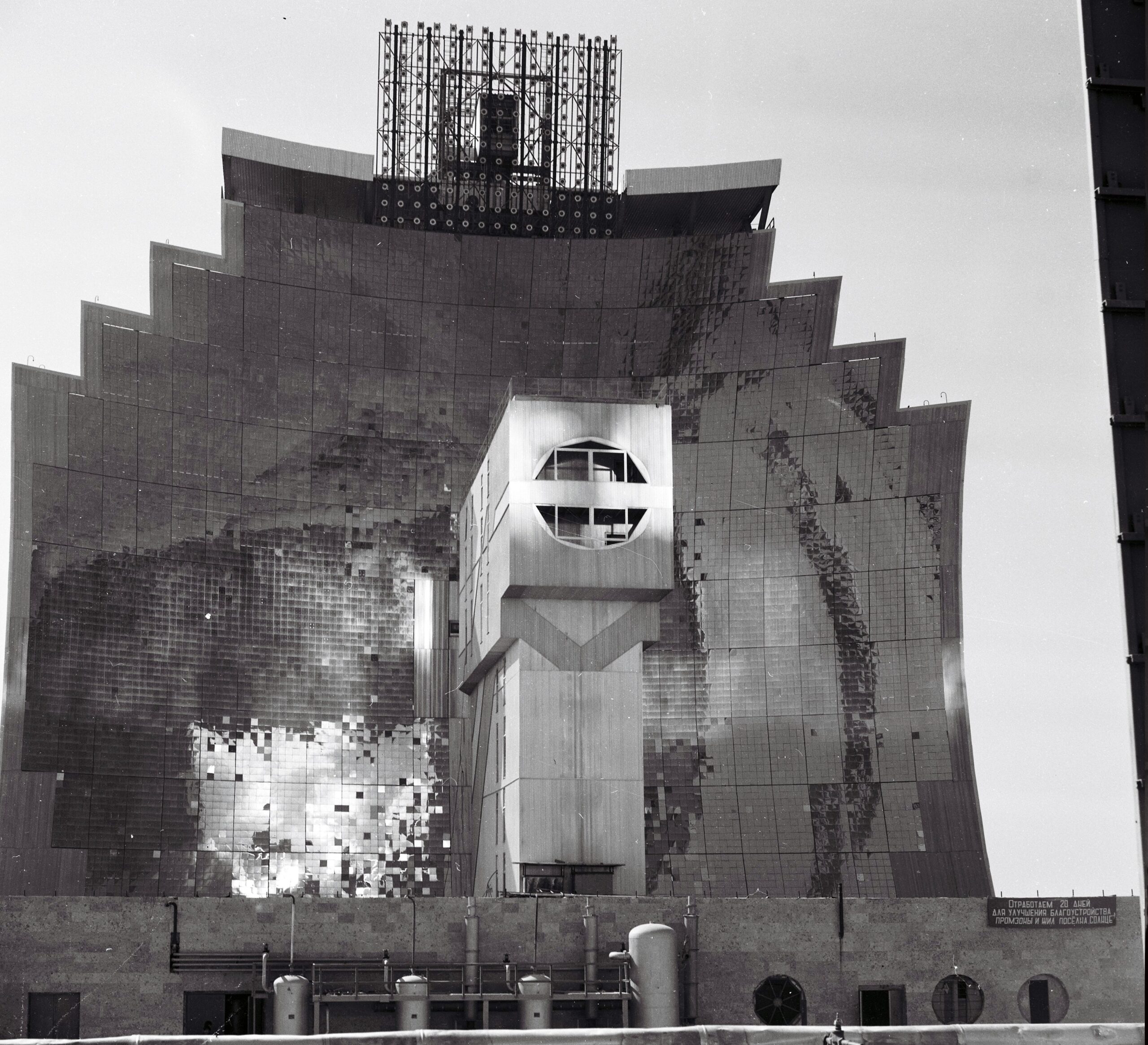
View towards the concentrator and solar furnace, 1986. From the private archive of the Azimov family

TCA: How did the focus on the Sun Institute of Material Science emerge as the central theme for the pavilion?

This complex emerged as the central theme because of all modernist buildings in our research, it was the one that responded to sustainability and the circularity manifesto proposed by Biennale’s curator Carlo Ratti. The Institute’s big solar furnace uses pure solar energy to heat materials to very high temperatures, nearly 3,000 degrees Celsius. We found this scientific infrastructure quite exceptional in terms of its technology, architectural scale, and quite peculiar functional ambiguity.

TCA: What was the original function of the solar furnace, and how did it change after 1991?

The project was born during the Cold War. France built the first prototype of such a furnace in the late sixties, and the Soviet one followed in 1987. The furnace was initially conceived as a tool to test materials at very high temperatures or to synthesize new materials.

After construction, the furnace was used mainly for the space and defense industries. When the Soviet Union fell apart, the complex lost many of its commissions. The furnace’s scale reflects the level of ambition of a large country such as the Soviet Union, and then it ended up being used in Uzbekistan, which is, of course, a much smaller country with different resources. It received basic funding for maintenance but could not function at full scale. The scientists tried to find applications in local industries and the agricultural sector, but the furnace was still, in a way, too big for any local tasks.
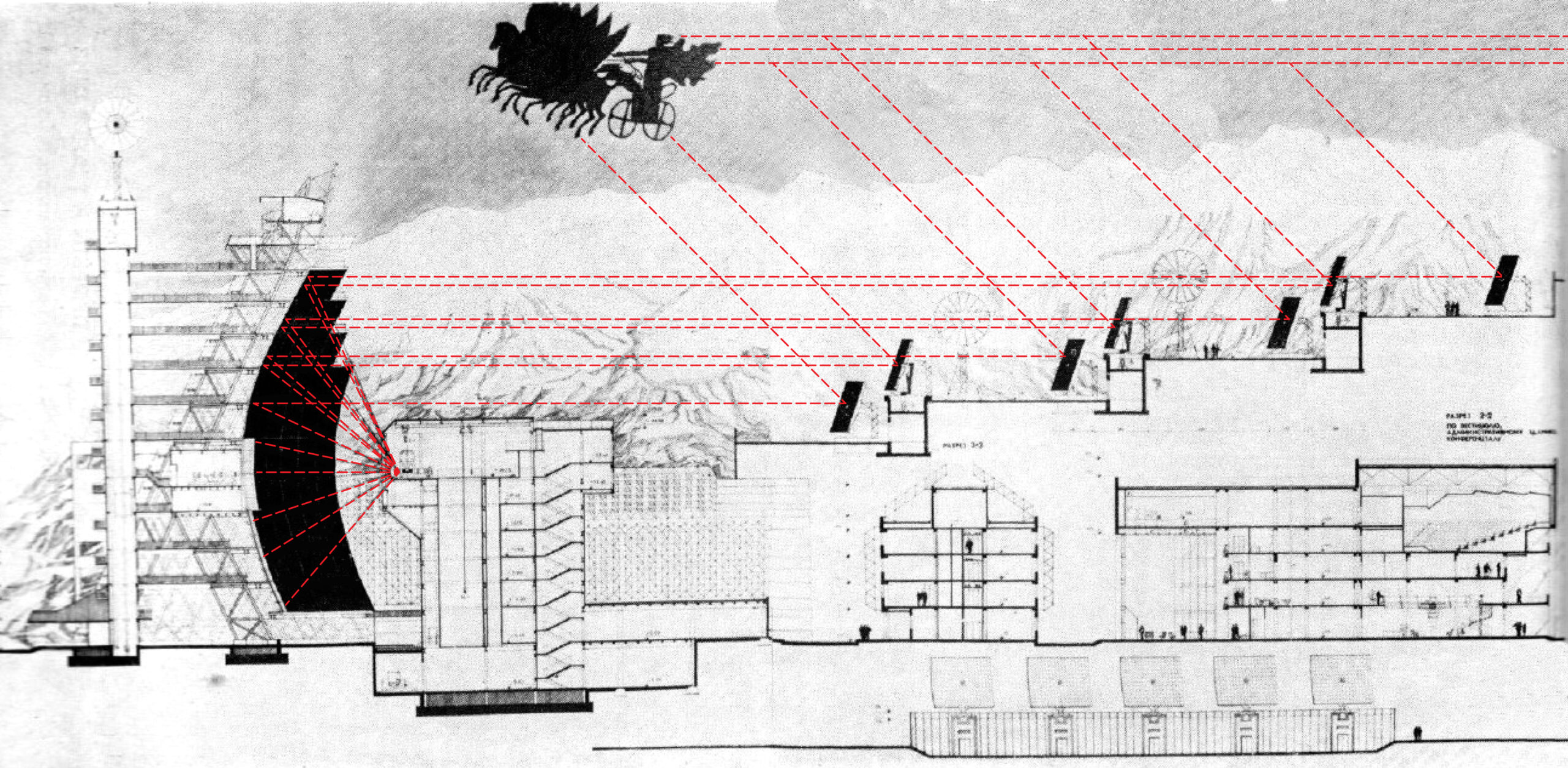
Section of the helisostatic field and the Process tower; Source: Architecture of USSR, n. 3-4, 1988

TCA: How does the pavilion address the history and paradoxes of this building?

The Pavilion’s narration departs from the point that the combination of massive scale that was part of its original idea and the historic events the entire region went through in the 1990s led to the fact that the scientists who ran this furnace had to continually reinvent new applications for it, because the original scope disappeared after just a few years.

So, the pavilion suggests that the large scale generates a kind of indeterminacy of use that is, in a way, a burden but also a guarantee of its possibility to adapt to shifting necessities of science or production. The pavilion narrates this ambiguity through fragments either reconstructed or brought from Parkent.

TCA: How does the pavilion fit into the overarching theme of the 2025 Venice Biennale, ‘Intelligens,’ curated by Carlo Ratti?

Among all the 24 modernist buildings we focused on during the Tashkent Modernism XX/XXI research project, we chose the big solar furnace precisely because it addresses the use of solar energy and is the best fit to help pose critical questions on sustainability. We don’t try to claim that the building is very sustainable, but we try to provide a more critical picture and a broader reading of what can be considered sustainable when you deal with a historic artefact.

All objects from the exhibition in Venice will travel to Uzbekistan in November 2025 and will continue to be used at the ‘Sun’ Institute.
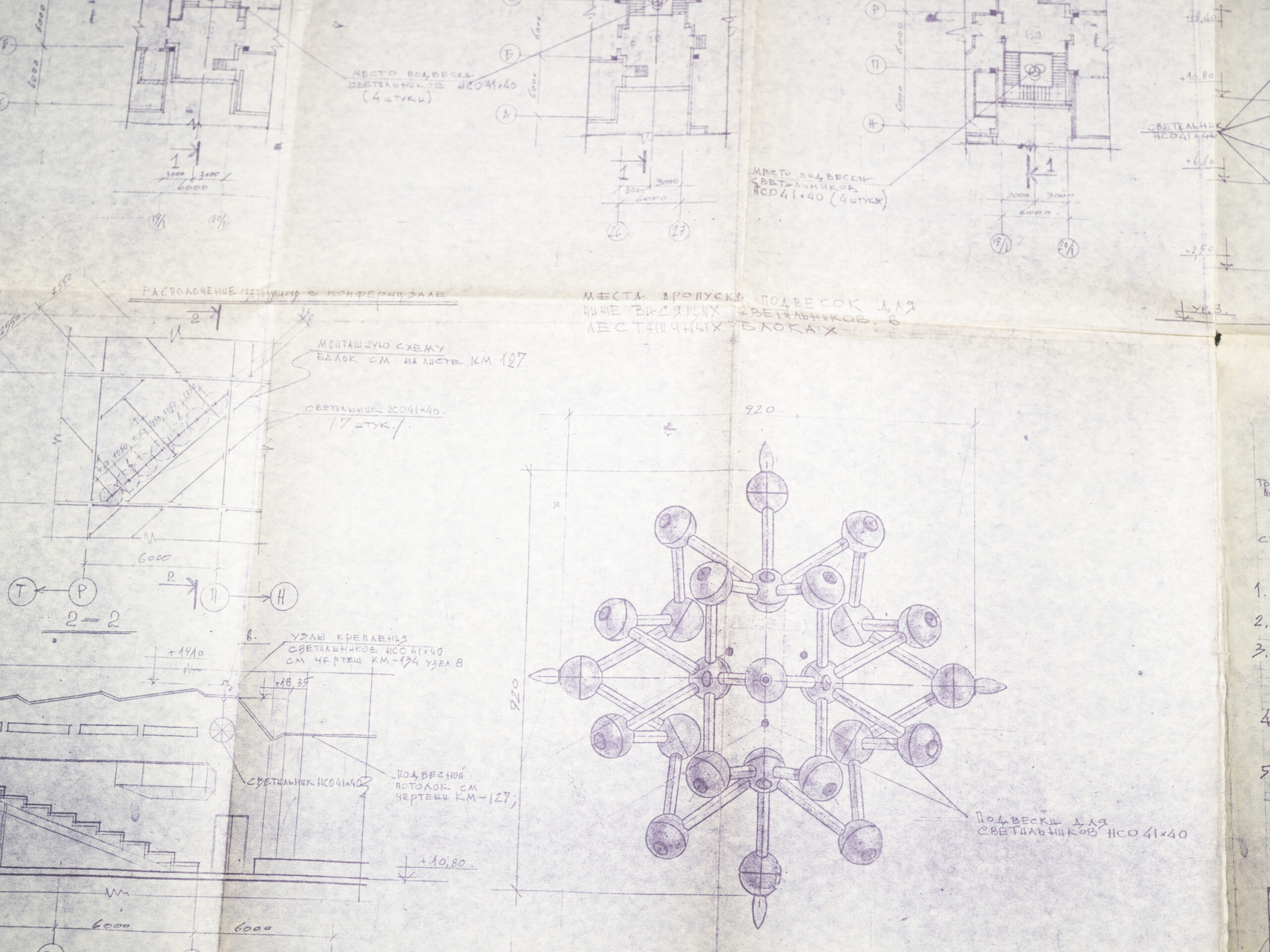
Heliocomplex Sun, lighting design, detail, Parkent, Uzbekistan; image: Armin Linke

TCA: You’re integrating artistic interpretations alongside scientific research; can you tell us more about this approach?

Already, the ‘Sun’ institute itself is an interesting hybrid of science, architecture, and art. The building has many beautiful works of monumental art that were part of the original project, so in the pavilion, we wanted to disclose the interdisciplinary nature of the complex by inviting different figures, from writers and artists to a theatre group from Tashkent, to engage with the furnace through their imaginations and different media.

TCA: What do you hope visitors will take away from the Uzbekistan pavilion?

Through this pavilion, we hope to inspire deeper discussions about how heritage and technology coexist in our changing world. Can you think of technology in terms of preservation? Is the latent role of this complex to formulate complex questions about science and technology? Is the large scale the reason for or an impediment to its survival?

Ekaterina Golovatyuk; image: Grace

The 19th International Venice Architecture Biennale will be open from Saturday, 10 May, to Sunday, 23 November.