• KGS/USD = 0.01144 0%
  • KZT/USD = 0.00192 -0%
  • TJS/USD = 0.10876 0.55%
  • UZS/USD = 0.00008 0%
  • TMT/USD = 0.28490 0%
  • KGS/USD = 0.01144 0%
  • KZT/USD = 0.00192 -0%
  • TJS/USD = 0.10876 0.55%
  • UZS/USD = 0.00008 0%
  • TMT/USD = 0.28490 0%
  • KGS/USD = 0.01144 0%
  • KZT/USD = 0.00192 -0%
  • TJS/USD = 0.10876 0.55%
  • UZS/USD = 0.00008 0%
  • TMT/USD = 0.28490 0%
  • KGS/USD = 0.01144 0%
  • KZT/USD = 0.00192 -0%
  • TJS/USD = 0.10876 0.55%
  • UZS/USD = 0.00008 0%
  • TMT/USD = 0.28490 0%
  • KGS/USD = 0.01144 0%
  • KZT/USD = 0.00192 -0%
  • TJS/USD = 0.10876 0.55%
  • UZS/USD = 0.00008 0%
  • TMT/USD = 0.28490 0%
  • KGS/USD = 0.01144 0%
  • KZT/USD = 0.00192 -0%
  • TJS/USD = 0.10876 0.55%
  • UZS/USD = 0.00008 0%
  • TMT/USD = 0.28490 0%
  • KGS/USD = 0.01144 0%
  • KZT/USD = 0.00192 -0%
  • TJS/USD = 0.10876 0.55%
  • UZS/USD = 0.00008 0%
  • TMT/USD = 0.28490 0%
  • KGS/USD = 0.01144 0%
  • KZT/USD = 0.00192 -0%
  • TJS/USD = 0.10876 0.55%
  • UZS/USD = 0.00008 0%
  • TMT/USD = 0.28490 0%
11 December 2025

New Kazakh-Chinese Lab to Streamline Agricultural Exports to China

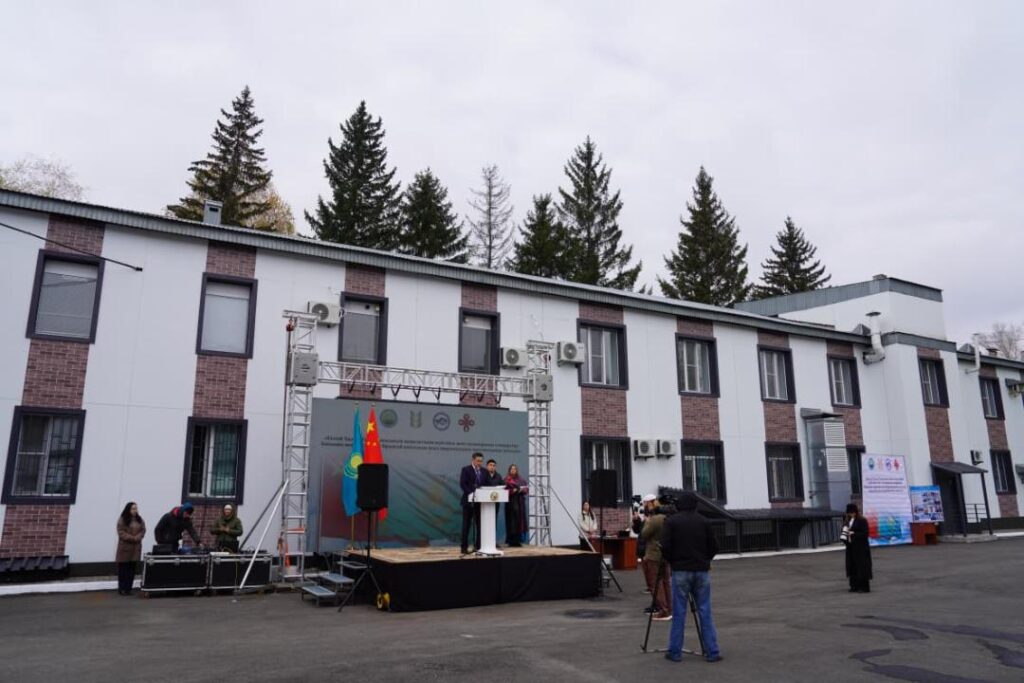
A joint Kazakh-Chinese veterinary laboratory has opened in the East Kazakhstan region, aiming to streamline and accelerate the export of Kazakh agricultural products to China.

According to the Ministry of Agriculture of Kazakhstan, the facility was outfitted with modern equipment and furniture provided by the Chinese government. Accredited under Chinese and international ISO 17025 standards, the laboratory is equipped to conduct high-precision veterinary diagnostics, quality control, and food safety testing.

Chinese specialists assisted with the installation and provided training for local staff. The facility can perform up to 550,000 tests annually on particularly dangerous infections, along with approximately 4,000 food safety tests.

The new laboratory is expected to remove technical trade barriers and boost Kazakhstan’s export potential for agricultural and livestock products to China and other international markets.

Speaking at the opening ceremony, Minister of Agriculture Aidarbek Saparov said:
“The opening of this laboratory is the result of the strategic partnership between Kazakhstan and China, aimed at advancing science and technology and enhancing the competitiveness of domestic products. I am confident that this new facility will play a key role in ensuring the quality and safety of agricultural goods.”

Kazakhstan’s agricultural exports to China have been rising steadily. According to the Ministry of Agriculture, bilateral trade in agricultural products increased by 10.5% in 2024, reaching $1.4 billion. Of that, Kazakh exports accounted for $1.05 billion, primarily consisting of animal feed, grain, oilseeds, and vegetable oil.

Kazakhstan has also made progress in ensuring its meat exports meet Chinese quality and safety standards. In May 2025, Minister Saparov and Sun Meijun, head of China’s General Administration of Customs, signed the Protocol on Inspection,

Quarantine, and Food Safety Requirements for the Import and Export of Poultry Meat. The agreement opened the Chinese market to Kazakh poultry products.

Since 2019, Kazakhstan has aligned its veterinary standards with Chinese requirements, signing 11 bilateral protocols regulating the trade of meat and livestock products. These agreements now cover 29 categories of plant and animal goods approved for export to China.

Currently, over 2,400 Kazakh enterprises are registered as exporters to China, supplying products such as safflower meal and cake, peas, lentils, and rapeseed.

In 2025, Kazakhstan plans to open the Chinese market to sugar beet cake, and in 2026 to rice, mung beans, cotton, and melons.

Additionally, regional restrictions related to foot-and-mouth disease and avian influenza have been lifted, further clearing the path for meat and meat product exports to China.

Meat Becomes Increasingly Unaffordable in Turkmenistan Amid Soaring Prices

Meat is fast becoming a luxury item in Turkmenistan, as residents across the country report skyrocketing prices and declining quality. Even in Ashgabat, where incomes are generally higher, beef is no longer affordable for many households.

Rising Prices, Declining Quality

For years, the price of meat has served as a barometer of living standards in Turkmenistan. This year, costs have repeatedly hit new highs. Ahead of the Eid al-Adha holiday, prices in Ashgabat nearly doubled, with similar surges reported in the Balkan region. Today, even after the holiday period, beef prices in the capital remain elevated, reaching up to 175 manats ($9.2) per kilogram, with noticeable drops in quality.

Consumers complain that even trusted vendors are selling overly fatty or tough cuts. At a late September session of the Halk Maslahaty, elder Yazmyrat Atamyradov proposed scrapping the annual increase in wages and pensions, prompting widespread public backlash.

The move brought renewed attention to the cost of basic goods, including meat. Globally, Turkmenistan ranks 15th in per capita beef consumption and 4th for lamb.

The Cost of Meat in Markets and Shops

In spring, boneless beef was selling for 75-80 manats ($3.9-4.2) per kilogram. Now, such prices are a rarity, available only in a handful of shops in Ashgabat’s Gulistan (Russian Bazaar) and other select outlets, often with the condition of purchasing bones or offal as well.

Current pricing is as follows:

• 80-95 manats ($4.2-5): Occasionally available in supermarkets and hypermarkets, but often sells out quickly and varies in quality.

• 100-110 manats ($5.3-5.8): Entry-level pricing for consistently decent meat at open markets.

• 140-150 manats ($7.4-7.9): Common at popular vendors and “premium” stores.

To address the situation, state-owned shops have expanded their offering of low-cost meat products. Shoppers can now buy frozen ground chicken for 25 manats ($1.3), beef bones for 26 manats ($1.4), and frozen beef briquettes for 38 manats ($2) per kilogram.

However, buyers report that the briquettes contain very little meat and are sold in limited quantities per customer.

Livestock Disease and Veterinary Shortcomings

The price hikes coincide with reports of recurring disease outbreaks among livestock. In June, Chronicles of Turkmenistan reported suspected anthrax cases in the Akhal region, and in August, additional deaths were reported in Lebap. In September, Radio Azatlyk cited a new illness in Akhal causing skin inflammation and respiratory distress in cattle.

Farmers have criticized the poor state of veterinary services, citing misdiagnoses and contradictory advice. Years of drought have weakened livestock’s immune systems and reduced herd sizes.

Meanwhile, hospitals in the capital have begun admitting patients with brucellosis, a bacterial infection transmitted from animals that can affect nearly every organ in the human body.

While cooking destroys the pathogen, brucellosis can still be contracted during the handling or cutting of infected meat, especially under unsanitary conditions. Medical professionals warn that with lax veterinary oversight and poor quality control, the risk of infection remains high.

Experts attribute the worsening situation to a mix of agricultural mismanagement, shrinking livestock numbers, and growing meat exports to neighboring Kazakhstan and Uzbekistan, where market prices are more favorable. The crisis is further deepened by feed shortages, animal diseases, and weak government support for domestic producers.

Kazakhstan Labor Migration Report Shows Most Citizens Working in Russia

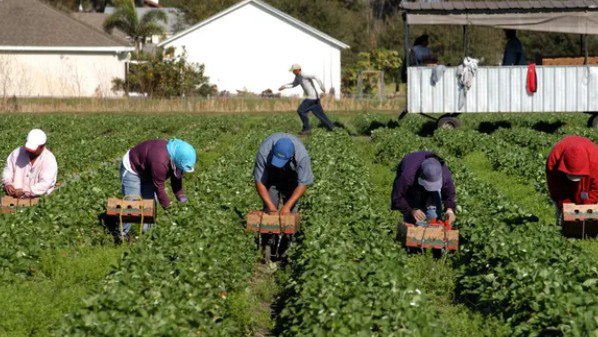
The Ministry of Labor and Social Protection has released updated data on the number of Kazakh citizens working abroad. According to the ministry, 126,000 citizens are currently employed outside the country, which has a population of more than 20 million. The vast majority, over 80%, have found work in neighboring Russia.

The figures were shared by First Deputy Minister of Labor and Social Protection Askarbek Yertayev during a briefing with journalists on the sidelines of a Senate meeting.

Of the 126,000 citizens working abroad, 102,000 are employed in Russia, 15,000 in South Korea, and approximately 2,000 in the United Kingdom and European Union member states.

Yertayev noted that Kazakhstan has yet to finalize bilateral labor agreements with all countries where its citizens are working.

“In particular, an agreement with South Korea is still under discussion, we have been negotiating for two years. Talks were paused due to the domestic political situation there,” Yertayev said, referring to the ongoing standoff between South Korean President Yoon Suk Yeol and the country’s parliament.

“Negotiations resumed this fall, and we plan to continue them, as 11,000 of the 15,000 Kazakh citizens in South Korea are working illegally. Measures must be taken, but the Korean side has several conditions, including that Kazakhstan address the issue of its undocumented migrants,” he added.

Seoul has requested a “road map” from Kazakhstan to address the problem of illegal labor migration. The document is expected to include mechanisms to prevent undocumented employment. Yertayev expressed confidence that an agreement would be reached before the end of the year. He noted that legal employment in South Korea would allow Kazakh workers to access higher wages and social protections, including healthcare and insurance.

“Currently, our citizens in South Korea who are working illegally cannot even send their earnings back home: banks refuse to process the transfers, forcing them to rely on informal channels, which often leads to fraud,” the deputy minister said.

As previously reported by The Times of Central Asia, Kazakh authorities have also intensified domestic efforts to formalize the labor market by cracking down on employers who pay “gray” wages, off-the-books income that evades taxes and social contributions.

Tokayev Proposes Regional Nuclear Council in Kazakhstan

At the second Central Asia-Russia summit in Dushanbe, Kazakh President Kassym-Jomart Tokayev proposed establishing a regional council in Kazakhstan focused on nuclear fuel cycle expertise and radioactive waste management.

The proposal follows last year’s national referendum in which over 70% of voters supported building a nuclear power plant (NPP) in Kazakhstan. Since then, the government has selected a site for the first plant and announced plans to construct at least two additional facilities. This summer, Rosatom began construction of the first NPP in the Almaty region in southern Kazakhstan.

Tokayev has previously emphasized the need for Kazakhstan to develop domestic expertise in the peaceful use of nuclear energy, citing international best practices. He expanded on this vision during the Dushanbe summit.

“Cooperation in the nuclear industry will ensure the development of a number of related industries, which is critically important for us,” Tokayev stated.

“We propose to establish a Regional Council of Competencies in the field of the nuclear fuel cycle and radioactive waste management in Kazakhstan. It is important to strengthen the modern research base and the system for training qualified personnel. The first step in this direction has already been taken: a branch of the National Research Nuclear University MEPhI has opened in Almaty,” Tokayev said, referring to the Moscow-based institute that has conducted nuclear research since 1953.

He added that Kazakhstan intends to continue developing this sector in cooperation with research institutions from both countries.

Tokayev also highlighted recent progress in regional energy integration, citing the trilateral gas union between Russia, Kazakhstan, and Uzbekistan as a key development in ensuring stable gas supplies for both citizens and industry.

“An important document on cooperation in the gas sector between Kazakhstan and Russia was signed recently in St. Petersburg,” he said, referencing a memorandum with Gazprom on the construction of a new gas pipeline from Russia to Kazakhstan to support domestic gasification.

The president also underscored the strategic role of the Caspian Pipeline Consortium, which transported approximately 63 million tons of Kazakh oil to Europe in 2024. He noted the increasing significance of the so-called eastern vector for hydrocarbon exports.

“Kazakhstan serves as a transit corridor for Russian oil to China, with volumes reaching up to 10 million tons per year. In 2024, deliveries have already surpassed this level. Given this momentum, there is potential to further increase capacity,” Tokayev said.
As previously reported by The Times of Central Asia, the China National Nuclear Corporation (CNNC) has been awarded contracts to build the second and third nuclear power plants in Kazakhstan.

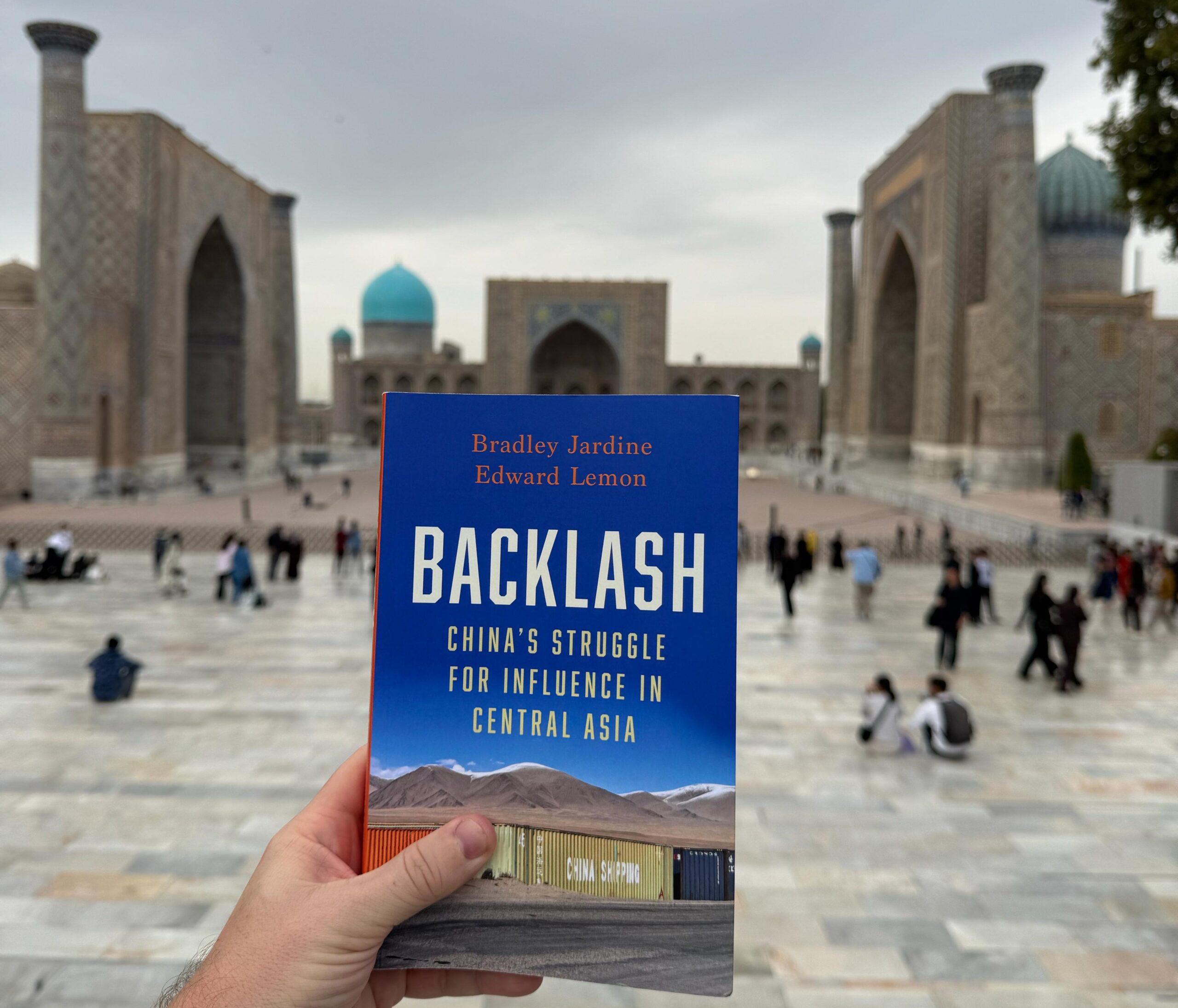
From Belt and Road to Backlash: Edward Lemon and Bradley Jardine Discuss China in Central Asia

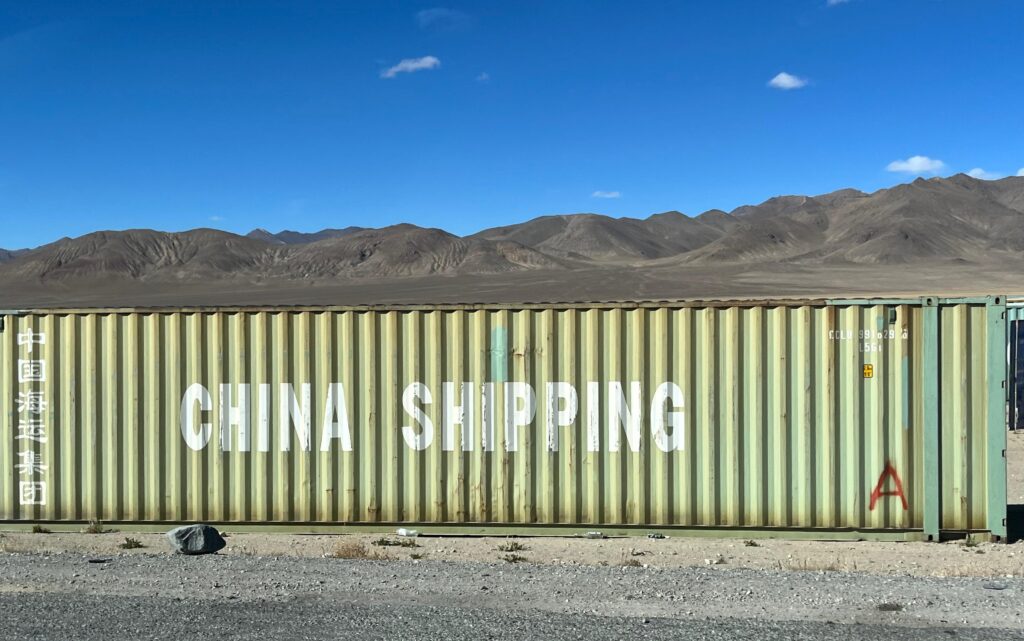
As China invests billions in Central Asian oilfields, railways, and cities, the region’s response is anything but passive. In Backlash: China’s Struggle for Influence in Central Asia, Bradley Jardine and Edward Lemon document how Central Asians – from government halls to village streets – are responding to Beijing’s expanding footprint. The book provides a nuanced look at China’s engagement in Kazakhstan, Kyrgyzstan, Tajikistan, Turkmenistan, and Uzbekistan over the three decades since these nations gained independence. Drawing on more than a decade of fieldwork, Jardine and Lemon ask a timely question: can Beijing maintain its growing influence in an environment where local voices and interests are increasingly assertive? The Times of Central Asia spoke with the authors.

TCA: Central Asia has become an increasingly strategic crossroads, rich in resources, young in demographics, and positioned between major powers. Yet China’s engagement appears far more ambitious than that of Western or regional players. In your view, what accounts for this asymmetry? Is it primarily a matter of geography and financial capacity, or has China been more politically and diplomatically attuned to Central Asia’s priorities than others?

J/L: China’s dominance in Central Asia stems from both geography and political attunement. As we note in Backlash, Beijing views the region as an extension of its own security frontier, as both a buffer protecting Xinjiang and a potential source of terrorism. It has built deep ties through consistent, elite-level engagement since the 1990s. Its approach blends vast financial capacity with political instincts that resonate with local elites: prioritizing sovereignty, stability, and non-interference rather than the governance conditionalities that often accompany Western aid and investment. Through the Belt and Road Initiative, which was launched in the region in 2013, the Shanghai Cooperation Organization, which was established in 2001 with four Central Asian republics as founding members, and newer platforms like the China-Central Asia (C+C5) summit, China offers infrastructure, energy investment, and regime security in ways tailored to the needs of authoritarian partners. Unlike the episodic or values-driven engagement of Western actors, and with Russia’s attention increasingly divided, China’s steady, pragmatic diplomacy, backed by proximity and resources, has allowed it to entrench itself as the region’s indispensable power.
TCA: China’s expanding presence across trade, infrastructure, and finance has reshaped Central Asia’s economic landscape. To what extent do these investments remain primarily commercial, and when do they start to carry political or strategic implications? How do local governments manage the risks of dependency or debt while pursuing development gains?

J/L: China’s expanding economic footprint in Central Asia may be driven by trade and infrastructure, but the lines between commerce and strategy have become increasingly blurred. As we note in Backlash, Beijing’s investments, roads, pipelines, railways, and energy grids are rarely purely commercial. They create structural dependencies that bind Central Asian economies to China’s markets, finance, and technology. By 2020, roughly 45% of Kyrgyzstan’s external debt and more than half of Tajikistan’s were owed to China, while around 75% of Turkmenistan’s exports flowed to Chinese buyers. These imbalances give Beijing quite a leverage, often translating into diplomatic support on sensitive issues like Xinjiang at the United Nations. Still, local governments are not passive: they manage these risks through diversification, courting Gulf, Western, and Turkish investment, and by invoking “multi-vector” foreign policies to balance great-power influence. At the same time, they have used Chinese support to help bolster their ability to rule distant areas like the Ferghana Valley and Tajikistan’s Pamir region. Yet opaque deals, elite capture, and public resentment over land use and labor practices mean that even as leaders seek development gains, they must constantly navigate the political backlash that accompanies China’s economic rise.

TCA: In Central Asia, public reactions to Chinese projects have at times been resistant, driven by concerns over transparency, sovereignty, and local impact. Yet overall attitudes toward China remain mixed and continue to evolve as governments balance public skepticism with the economic and strategic advantages of deeper engagement. How should we interpret these instances of protest or criticism within that broader context? Do these episodes of protest suggest a broader regional recalibration in attitudes toward China, or do they reflect more localized tensions that coexist with pragmatic cooperation?

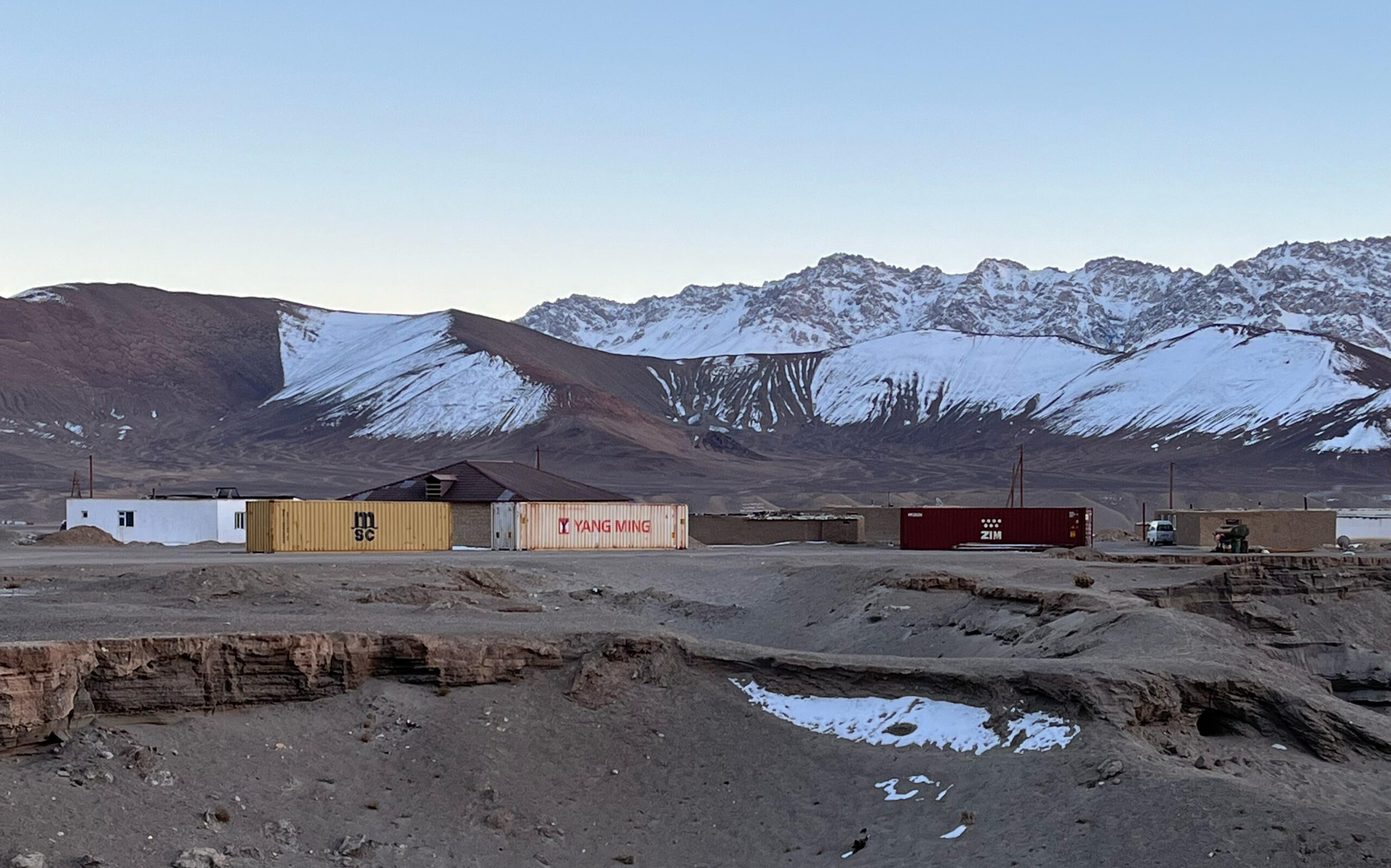
J/L: Protest and criticism are best read as localized stress tests on a still-pragmatic relationship – not a wholesale regional turn away from China. The patterns we document show backlash clustering where projects provoke concerns over control of land, labor rights, or the environment (e.g., mines, refineries, logistics hubs), and in the two more protest-permissive states, Kazakhstan and Kyrgyzstan; of 191 China-related protests since 2010, 92% occurred in those two countries, with incidents largely about land/leasing, extractives, and Xinjiang rather than abstract geopolitics.

Public opinion is mixed and fluid (captured by the Chinese saying “warm politics, cold publics”): skepticism spiked between 2019 and 2021, then eased somewhat by 2023 in Kazakhstan and Kyrgyzstan, even as Uzbekistan’s negative attitudes rose – evidence of heterogeneous, issue-tethered sentiment rather than a uniform anti-China turn. In parallel, governments keep balancing: they suppress flashpoints, bank the economic upside, and pursue multi-vector hedging rather than realignment. The upshot: protests signal where China’s model grates, transparency, sovereignty, local impact, while coexisting with elite-level cooperation; cumulatively, they pressure Beijing to adapt (localization, skills programs, softer messaging) and pressure host states to demand cleaner, more accountable deals, but they do not, on their own, amount to a region-wide rupture.
TCA: All five Central Asian states continue to pursue multi-vector diplomacy, engaging China alongside Russia, Western institutions, and emerging partners from the Gulf and South Asia. Yet results have been mixed: attracting substantial non-Chinese investment remains a persistent challenge. How sustainable is this balancing strategy in practice? Can it deliver real economic diversification, or will China’s financial scale and reliability ensure it remains the region’s dominant partner?

J/L: Multi-vectorism is sustainable as a tactic, but it delivers only partial diversification – China is likely to remain first among equals economically. The region has widened its dance card (C5+1, EU Global Gateway, Gulf money, Turkey’s rise, India’s outreach). Yet, structural realities keep tilting the floor toward Beijing: proximity and pipelines, the scale and speed of Chinese finance, entrenched trade in energy/minerals, and Beijing’s steady institution-building (SCO, C+C5) that converts commerce into influence. Kazakhstan and Uzbekistan have the greatest amount of agency and can peel off meaningful projects, especially in critical minerals, renewables, and manufacturing, and intra-regional “balancing regionalism” helps. But poorer, smaller economies (Kyrgyzstan, Tajikistan) remain debt- and import-dependent; Russia still dominates security and migration flows; and headline alternatives (e.g., the Middle Corridor) face cost/capacity bottlenecks. Ultimately, multi-vectorism buys bargaining power and niche diversification, not a wholesale rebalance: expect a mosaic where China provides the backbone of complex infrastructure and finance, the Gulf/Turkey adds sectoral capital, and the U.S./EU compete in select lanes (critical minerals, governance, tech) with the region’s room to maneuver shrinking when great-power pressures spike.

TCA: Russia’s war in Ukraine has tested Moscow’s influence in Central Asia and reshaped regional dynamics. How has this affected China’s approach? Has Beijing adjusted its strategy in response, and what lessons might it draw from Russia’s experience in managing regional relationships?

J/L: Beijing has treated the Ukraine war as both a warning and an opening. With Russia distracted and less bankable, China has tightened its “first-among-equals” role in Central Asia – elevating the C+C5 format that excludes Moscow, expanding security and surveillance cooperation, and casting its Global Security Initiative as the region’s stability framework – while still avoiding steps that would overtly trample Russian equities. You see this two-track in practice: Xi’s public pledges to uphold Kazakhstan’s sovereignty and territorial integrity (a pointed signal after Russian elites questioned Kazakh statehood), alongside a steady build-out of bilateral corridors, arms sales, training, and a small footprint in Tajikistan, all framed as counter-terrorism and regime security rather than sphere-of-influence politics. At the same time, Beijing has learned from Russia’s missteps: don’t over-militarize; do work through elites; translate commerce into influence via parallel institutions (SCO, then C+C5); and let geography and finance do the heaviest lifting. The result is adjustment, not rupture: China exploits the space created by Russia’s war (e.g., more re-exports and logistics work-arounds, higher-level summits without Russia), but it still calibrates to avoid a frontal challenge where Moscow retains leverage (transit routes, remittance ties, CSTO legacies). The lesson taken: patient, institutionalized, elite-centric statecraft beats coercive dominance, and Central Asia’s multi-vector hedging is a feature to be managed, not a problem to be crushed.


Backlash: China’s Struggle for Influence in Central Asia by Bradley Jardine and Edward Lemon is now available from all good retailers.

Once Lost from Kyrgyzstan, Little Bustard Population Soars in Northern Valleys

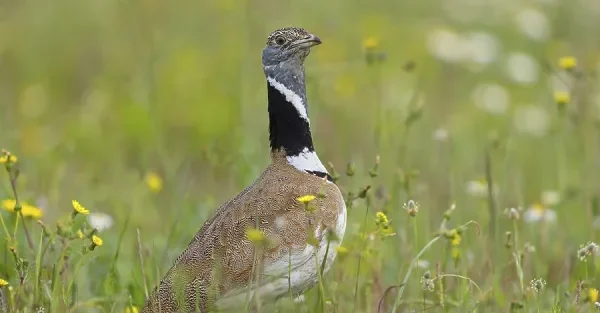
The Little Bustard, a pheasant-sized bird native to Asia and southern Europe, has reached a nesting population of around 1,900 individuals in Kyrgyzstan this year. This marks a remarkable recovery, as the species was nationally extinct in the country less than 20 years ago.

The Little Bustard was listed as extinct in the Red Book of Kyrgyzstan in 2006. However, recent ornithological surveys have discovered breeding populations in the Chuy and Talas valleys in the north of the country, thought to be between 1,400 and 1,900 individuals.

Signs of a wider recovery first appeared in 2009, with the discovery of four nests in the Talas valley. In 2019 a nest outside Bishkek suggested that Little Bustards were returning to the Chuy valley.

Once common throughout the country, the species’ decline was caused by the industrialization of Soviet Kyrgyzstan’s agriculture industry in the 1950s, which destroyed the birds’ natural habitat. By the 1970s only a few residual groups remained, in the non-cultivated steppe areas near the Kazakh border.

In recent years, surveys by the Ornithological Society of the Middle East (OSME) each spring have tracked their breeding activity, using listening points spaced through known and potential habitats.

While Little Bustards’ migratory and wintering patterns eastwards remain mostly unknown, recent observations suggest numbers in wintering areas may also be rising.

Despite the strong growth of its population, the bird remains vulnerable in Central Asia. Current threats to their habitats are a consequence of modern changes in farming, including increased use of pesticides, and the turning of traditional steppe into irrigated crops. Illegal hunting of Little Bustards is also a problem.

The species is currently classified in the national Red Book as Near Threatened. The Little Bustard is also considered Near Threatened by the International Union for Conservation of Nature (IUCN).