As global leaders gather for the Global Environment Facility (GEF) Assembly in Samarkand, Central Asia has an opportunity to send a clear message to the world: protecting biodiversity is not only about saving species — it is about securing water, livelihoods, resilience and long-term stability for millions of people across our region.
From the glaciers of the Tien Shan and Pamir mountains to the deserts, steppes and river basins downstream, Central Asia’s ecosystems are deeply interconnected across borders. Rivers flow between countries. Wildlife migrates through shared landscapes. Mountain ecosystems regulate water systems that sustain agriculture, energy production and communities far beyond the highlands themselves.
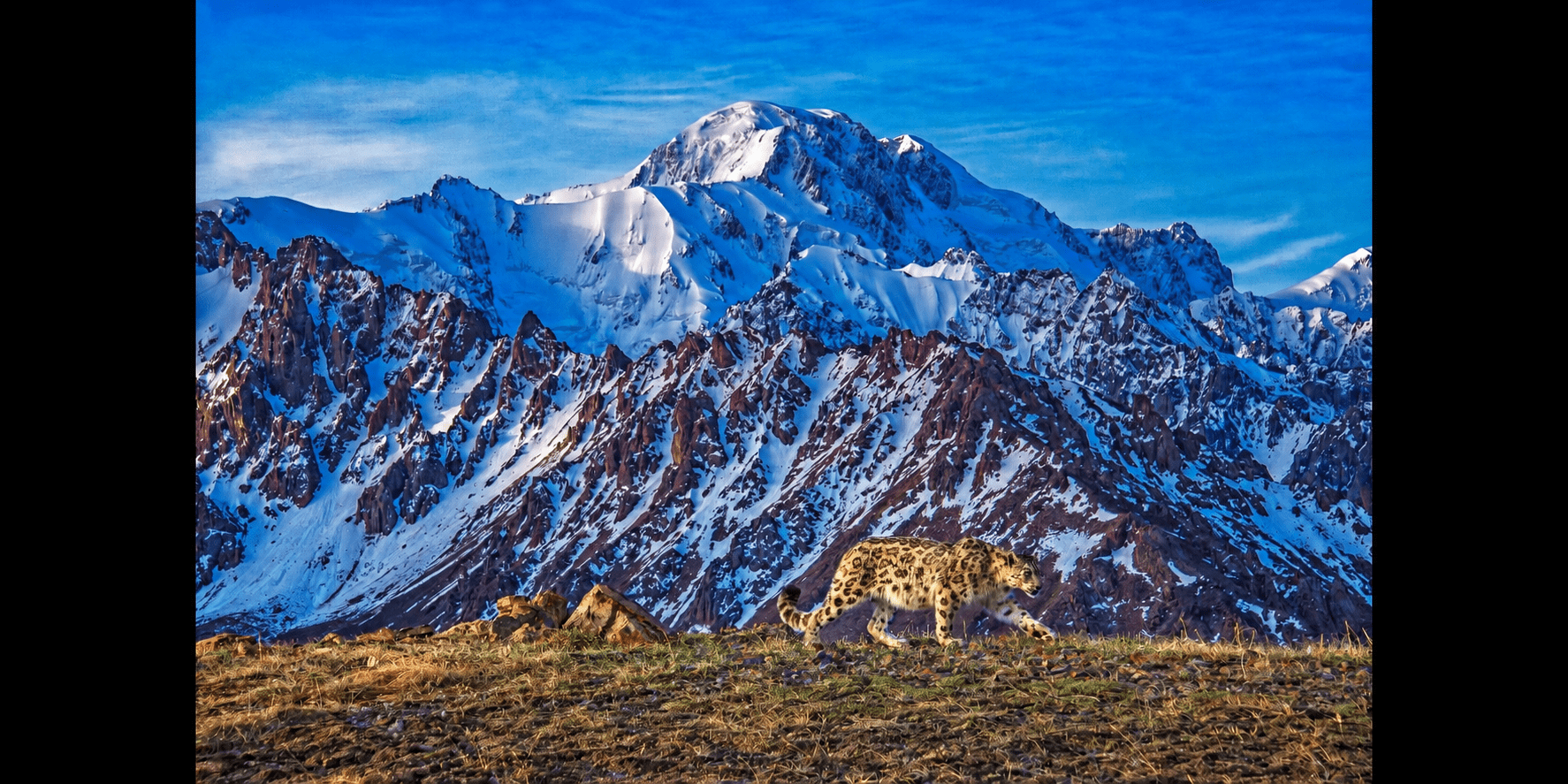
Among the most powerful symbols of this shared natural heritage is the snow leopard — the silent guardian of Central Asia’s mountains.
The snow leopard represents far more than a rare and iconic species. Its survival reflects the health of entire ecosystems that millions of people depend upon every day. Healthy mountain landscapes help secure freshwater resources, reduce disaster risks, sustain pastures and agriculture, preserve biodiversity, and strengthen resilience to climate change across the region.
But today, these ecosystems are under growing pressure.
Climate change is accelerating glacier melting and intensifying water stress. Land degradation, unsustainable grazing, habitat fragmentation and biodiversity loss are placing increasing pressure on fragile mountain environments and rural livelihoods. Communities living closest to nature are often the first to feel the consequences — through declining water availability, degraded pastures, reduced agricultural productivity and increasing climate-related risks.
These challenges do not stop at national borders. And neither can the solutions. Only a coordinated regional response can match the scale of the challenge.
Protecting Central Asia’s mountain ecosystems requires countries to work together to conserve ecological corridors, strengthen transboundary protected areas, improve water and land governance, and invest in climate-resilient livelihoods for communities whose futures are closely tied to nature.
There are already successful examples of regional agreements. For example, a highly successful transboundary nature conservation agreement in Central Asia protects the Ustyurt Plateau and the Turan Temperate Deserts. Spanning across Kazakhstan, Uzbekistan, and Turkmenistan, this initiative has successfully safeguarded vulnerable ecosystems and migratory species like the saiga antelope and snow leopard.
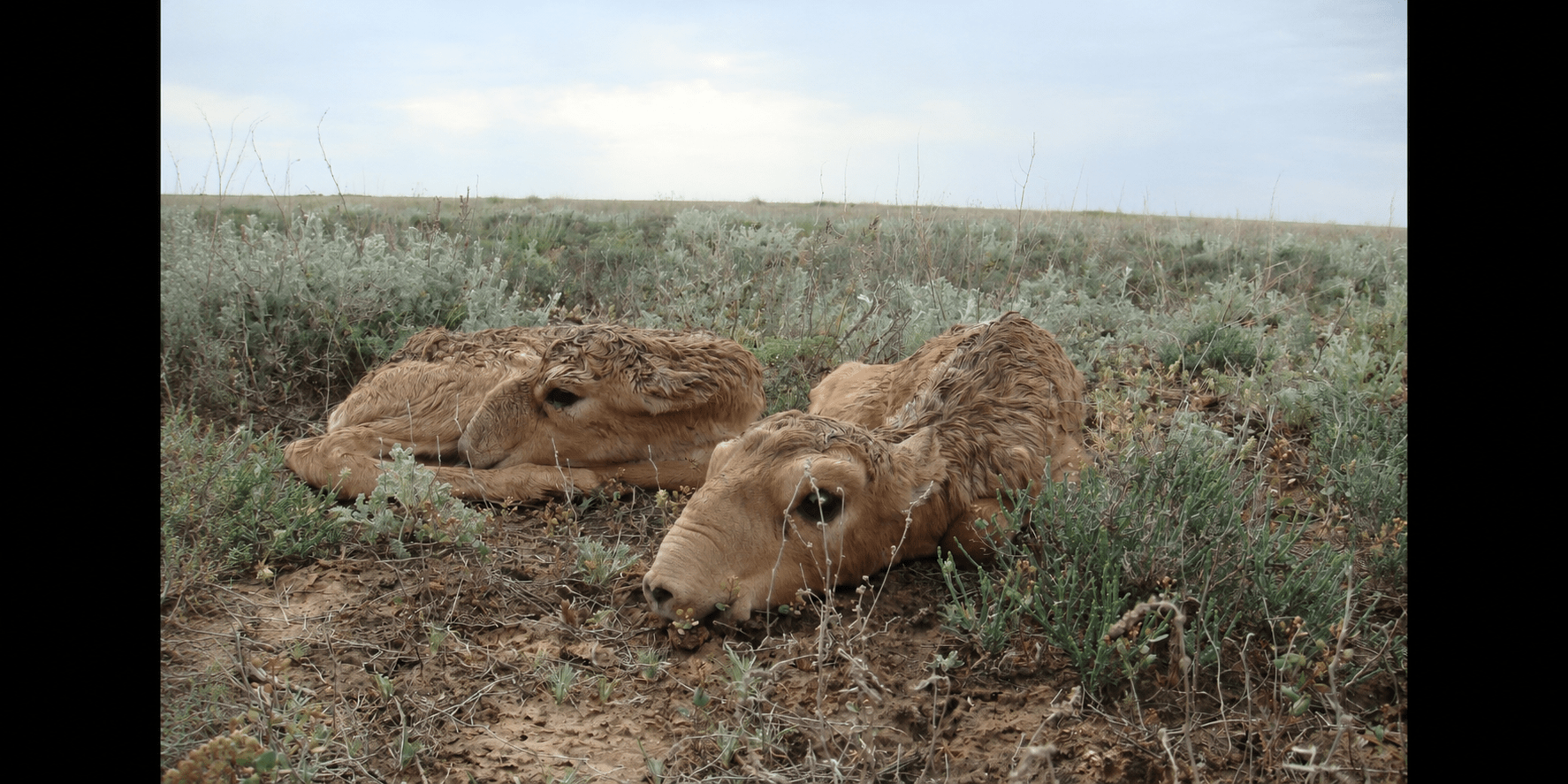
Photo: Saiga calf. Kazakhstan/UNDP Kazakhstan
It is encouraging that transboundary cooperation has already taken shape across the region.
Across Central Asia, governments, communities and development partners are already demonstrating that conservation and development can advance together. While each country’s experience is unique, the lessons are remarkably similar: when communities benefit from healthy ecosystems, nature and people both thrive.
In Kazakhstan, the snow leopard has become one of the clearest examples of how coordinated conservation efforts can help restore fragile ecosystems across borders. The species inhabits mountain systems that extend beyond national boundaries into China, Kyrgyzstan, Russia, and Uzbekistan, making its protection inseparable from regional cooperation.
Over the past decade, habitat countries have strengthened efforts to protect the species through national conservation strategies, expanded protected areas, and improved ecosystem monitoring. Supported by cooperation between the Government, UNDP, the Global Environment Facility, and the scientific community, large-scale monitoring and habitat conservation initiatives have generated new data on snow leopard populations and migration routes across the Tien Shan and Altai Mountain systems.
In Kazakhstan, the snow leopard population had declined to an estimated 80–100 animals by the mid-1990s, as habitat degradation, human pressure, and ecosystem fragmentation intensified across mountain landscapes. Over the years, systemic interventions, including digital monitoring, the establishment of a genetic bank, and studies of behavior and migration routes, helped support the creation of the Merke Regional Nature Park in 2026, strengthening the protection of critical habitats and ecological corridors shared across borders.
Today, the population is estimated at 152–189 snow leopards, with around 70 percent of the species’ range in Kazakhstan now falling within protected areas.
The growing snow leopard population, a symbol of the “health” of mountain ecosystems, shows that countries can create the conditions needed to conserve this rare and majestic species. It also demonstrates how biodiversity conservation in Central Asia increasingly depends on long-term regional cooperation, scientific collaboration, and shared responsibility for ecosystems that connect communities across borders.
For Kyrgyzstan, the snow leopard has become far more than a symbol of a rare species. It represents a broader commitment to safeguarding the mountain ecosystems that underpin water security, biodiversity, climate resilience, and the well-being of millions across Central Asia.
A longstanding symbol of strength, freedom, and harmony with nature, the snow leopard was officially designated a national symbol of the Kyrgyz Republic, reflecting the country’s deep connection to its mountain heritage.
As one of the world’s most mountainous countries, Kyrgyzstan views the conservation of snow leopard landscapes as both a national and regional priority. Protecting these habitats also means safeguarding forests, pastures, glaciers, snowfields, and watersheds that sustain communities and economies far beyond national borders. Recognizing their critical role in maintaining biodiversity and freshwater resources, Kyrgyzstan has established a legal basis for the protection of glaciers and snowfields and is developing mechanisms for their long-term conservation.
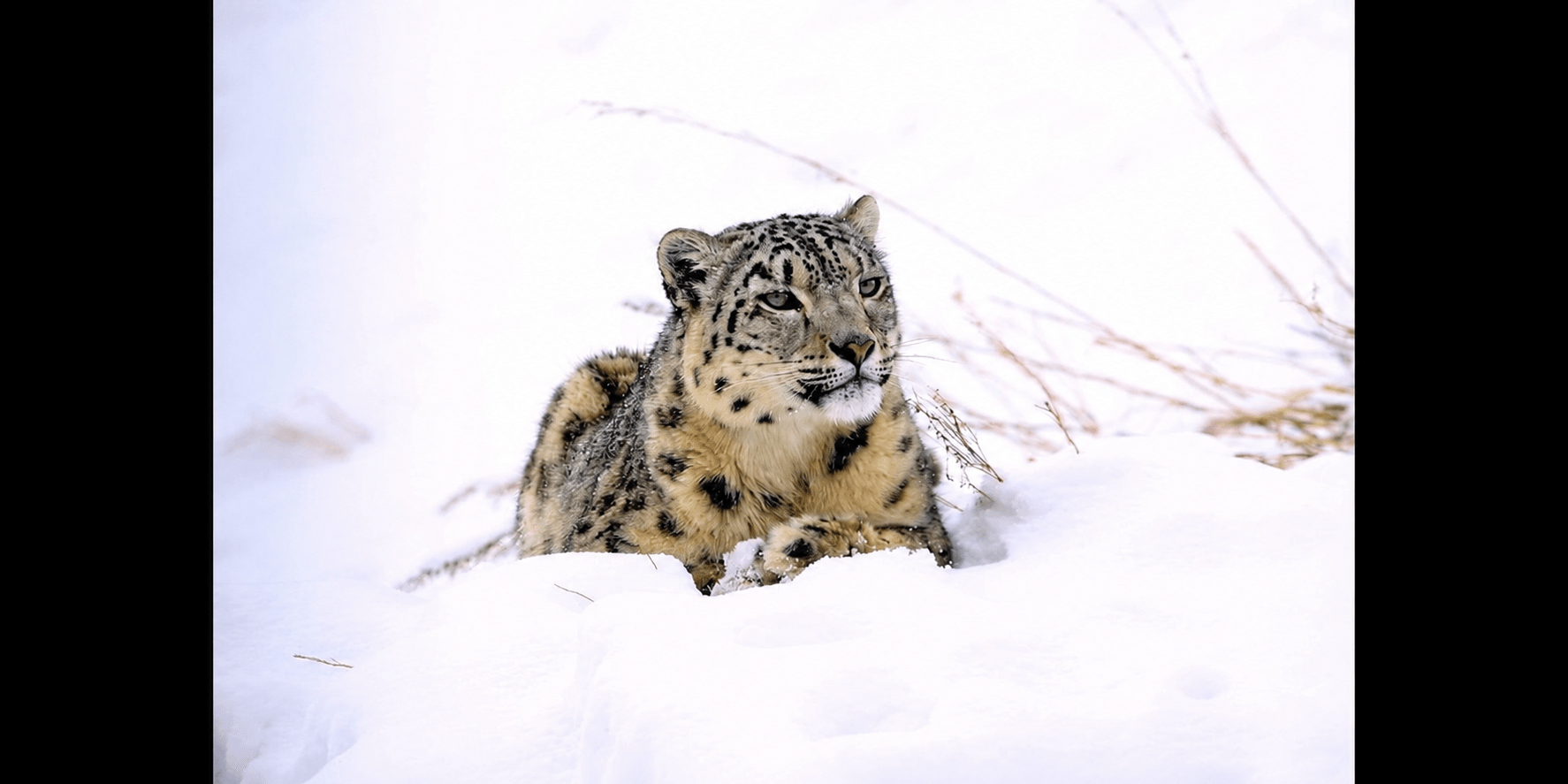
Photo: UNDP Kyrgyzstan/Vlad Ushakov
Kyrgyzstan has also used snow leopard conservation as a platform for advancing mountain resilience and regional cooperation. The country championed the UN Five Years of Action for the Development of Mountain Regions (2023–2027), supported the establishment of International Snow Leopard Day, and promotes transboundary cooperation through GSLEP, regional agreements, and joint conservation efforts among range countries.
Kyrgyzstan’s experience demonstrates how conserving one iconic species can unite countries around a shared agenda for mountain resilience, biodiversity conservation, water security, and sustainable development.
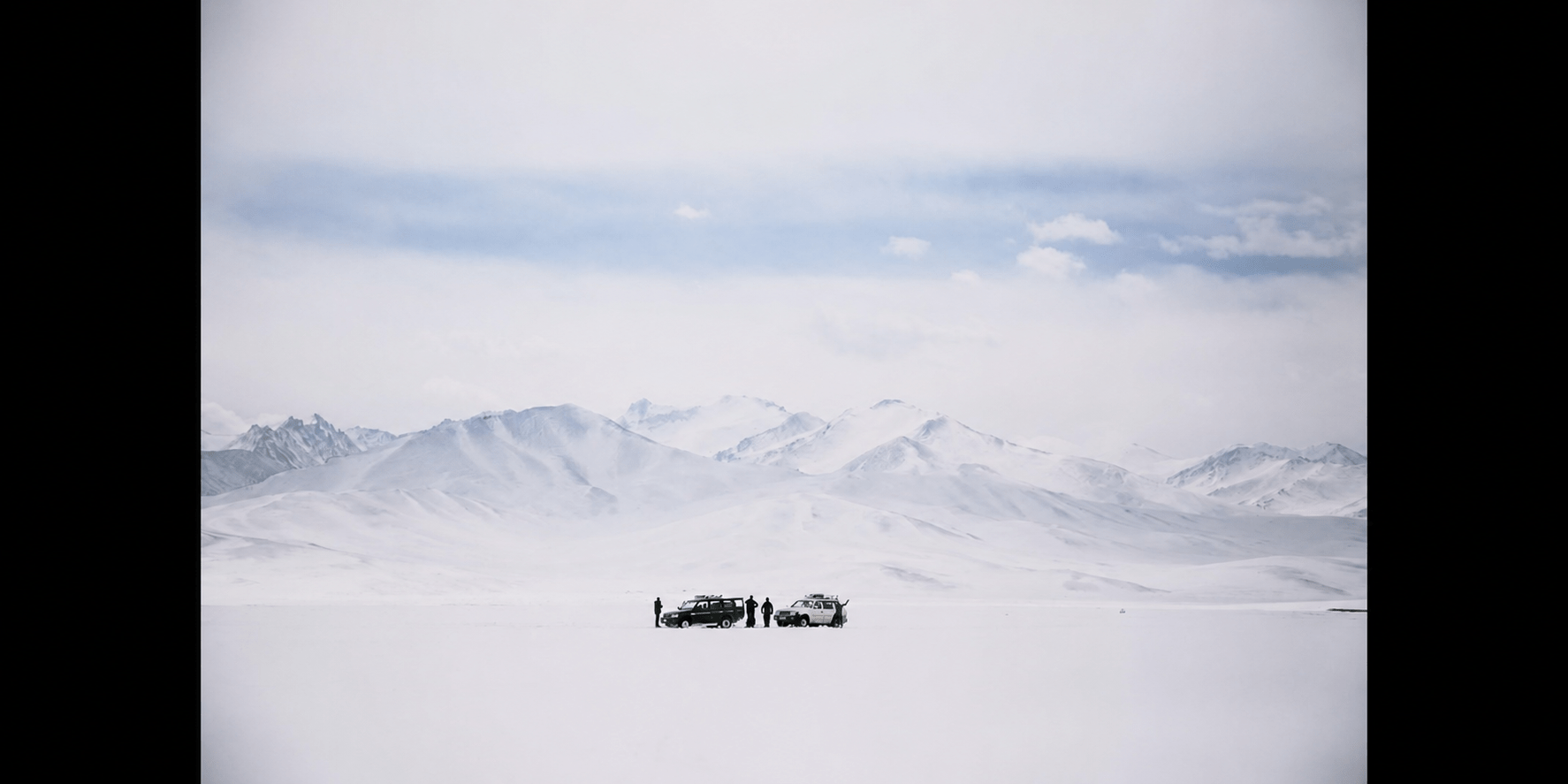
Photo: Snow leopard’s habitat/UNDP Tajikistan
High in the mountains of Tajikistan, people have lived alongside snow leopards for generations. But for many years, life was becoming harder for both. Shrinking pastures and disappearing wildlife pushed communities and predators into conflict. When snow leopards attacked livestock, families suffered. And when wild prey disappeared, the future of the snow leopard became uncertain.
Today, there is hope.
According to the 2025 edition of Tajikistan’s national Red Book, the country’s snow leopard population has grown to around 500 individuals — nearly double the estimated 250 recorded in 2017. Behind these numbers is a powerful lesson: protecting nature only works when local people are part of the solution.
A conservation project led by UNDP and funded by the Global Environment Facility (GEF) helped mountain communities enhance their livelihoods while protecting wildlife. Women in remote villages were trained in wildlife monitoring and ecotourism, gaining new opportunities while helping monitor and protect nature.
Altogether, 450 people from remote mountain areas, including protected area rangers and community members, strengthened their skills in smart patrolling and wildlife monitoring through project-supported trainings. These enhanced capacities improved wildlife tracking and threat detection, contributing to reduced illegal hunting and tree cutting.
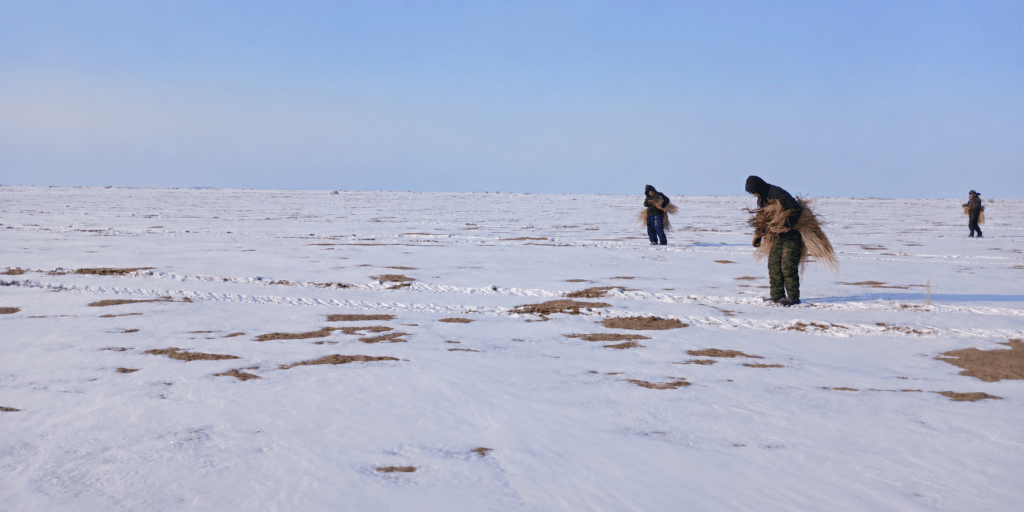
The project also introduced a simple but effective solution to reduce conflict between people and snow leopards. Communities received hay to feed livestock for just 20 extra days in spring, allowing mountain pastures to recover and wild prey to return. With more food in the wild, snow leopards were less likely to attack farm animals.
Most importantly, communities were trusted to lead. Through small grants and local initiatives, they supported restoration of degraded pastures and forests, adoption of sustainable livestock practices, and reduced pressure on fragile mountain ecosystems, helping conserve iconic species while strengthening local livelihoods.
The story of the snow leopard in Tajikistan shows that when communities are empowered, nature can recover too.
Importantly, conservation success was not driven by communities alone. It was also enabled by stronger institutions, enhanced protected area management, expanded wildlife monitoring, and closer cooperation among scientists and conservation agencies. At the same time, while biodiversity frameworks are in place, their implementation depends on the capacities of staff at national and subnational levels. Continued education, skills development, awareness raising and, overall, investment in people remain essential to sustaining conservation efforts.
The return of the snow leopard reflects the recovery of entire mountain ecosystems.
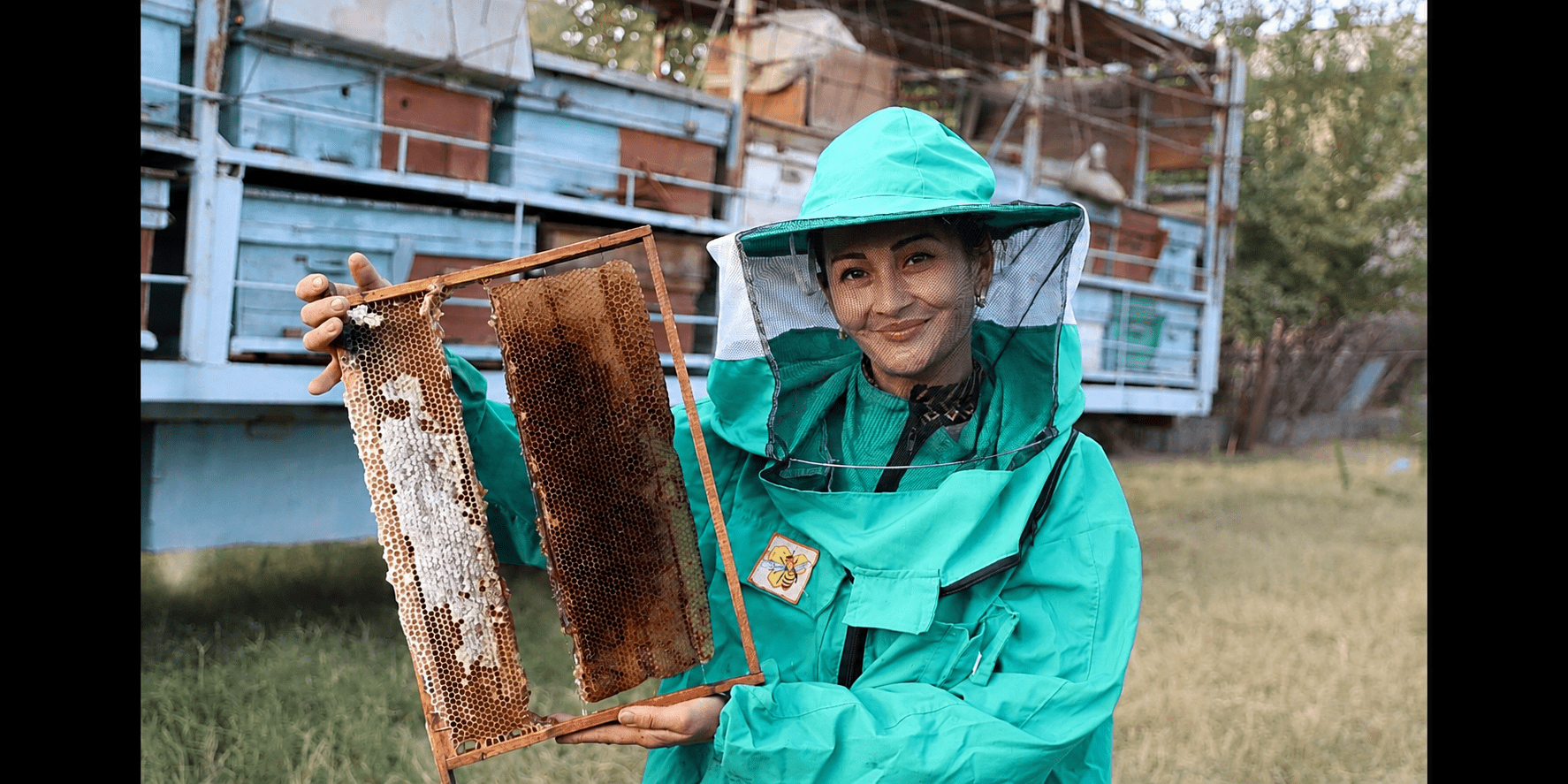
Photo: UNDP Turkmenistan / Dovlet Rejepov
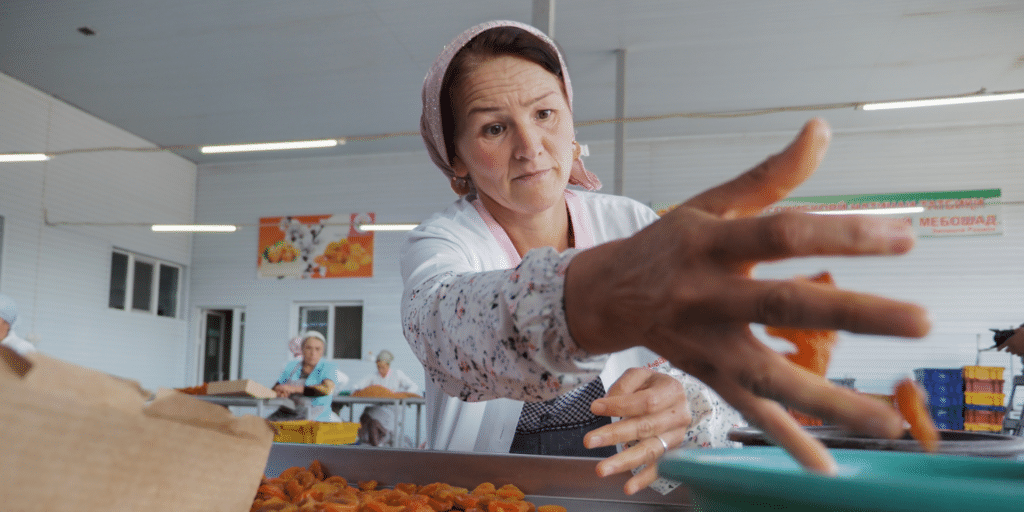
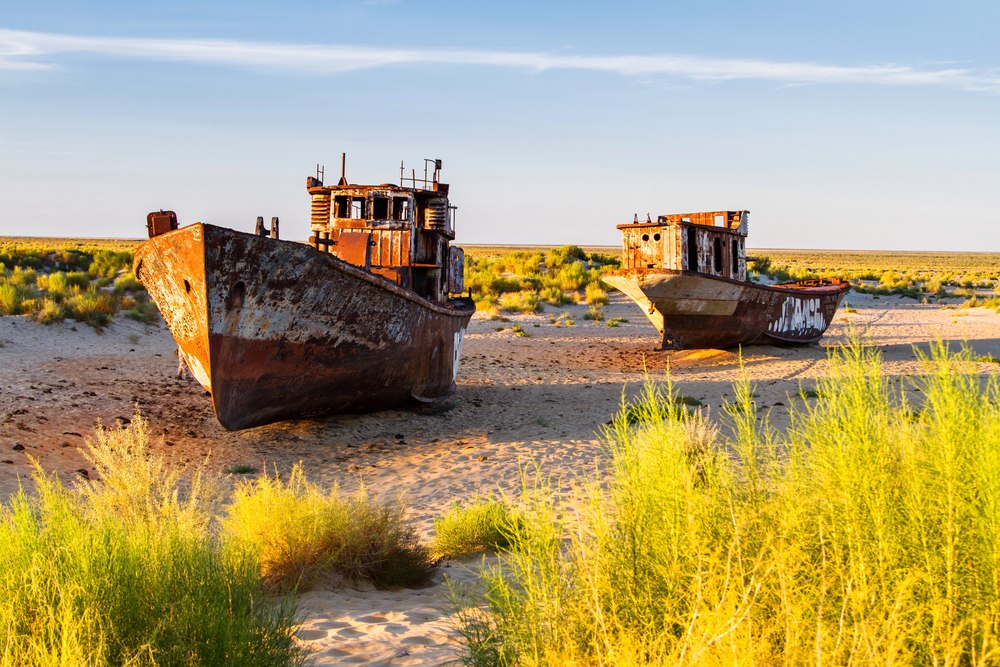
In Turkmenistan, in the Aral Sea Basin, communities are restoring degraded pastures and adopting more sustainable land management practices to improve productivity while reducing pressure on fragile ecosystems. These efforts are helping rural households strengthen resilience to climate change while supporting biodiversity conservation.
Environmental degradation has had significant social and economic consequences, particularly for women and vulnerable households that depend heavily on natural resources for livelihoods and food security. As climate-related pressures such as declining agricultural productivity, degraded grazing lands and increasing water stress intensify, strengthening women’s participation in sustainable resource management and local decision-making is becoming increasingly important.
Across affected landscapes, practical efforts are helping reduce pressure on natural resources while supporting livelihoods and biodiversity conservation. Communities are increasingly engaged in identifying solutions that strengthen resilience, improve resource management, and promote inclusive participation in sustainable local development.
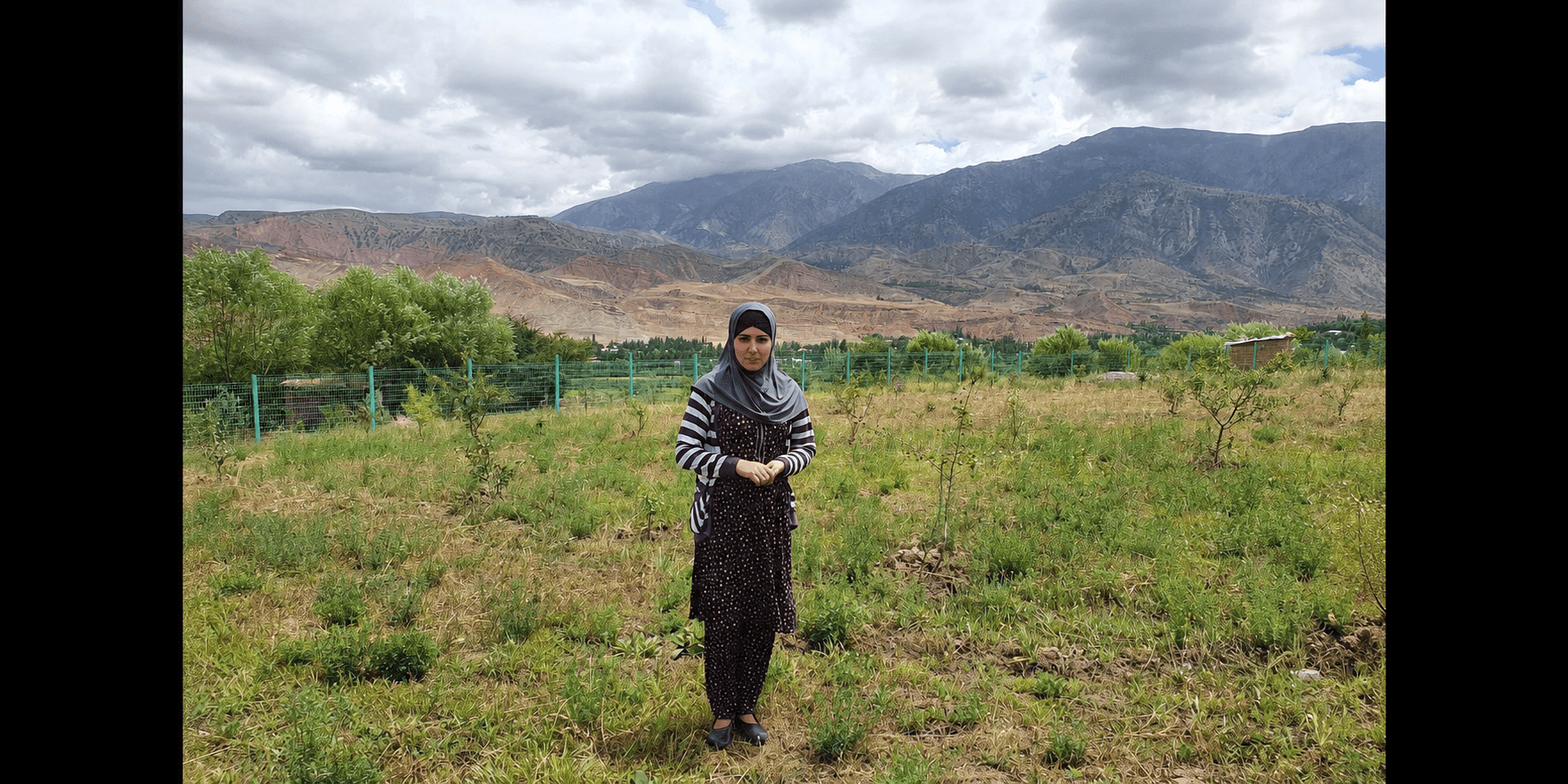
Photo: UNDP Uzbekistan
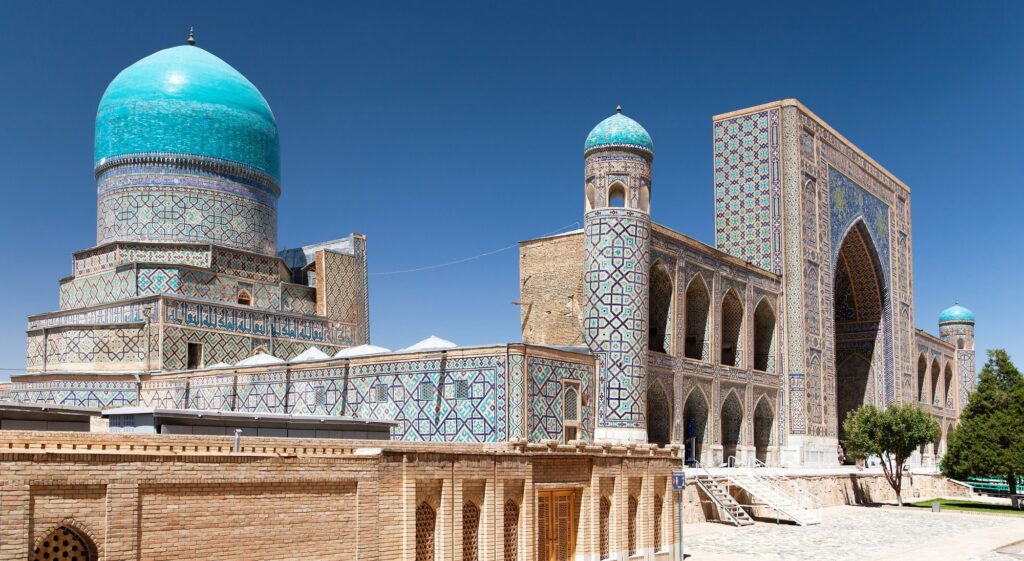
In Uzbekistan, community-led solutions in biodiversity-rich landscapes are demonstrating how ecosystem protection can go hand in hand with improving everyday life. Among many locally driven initiatives, families like Gulnoza Nuriddinova’s benefited from practical measures such as fencing, which helped protect household gardens and crops from wildlife intrusion and uncontrolled grazing, improving food security and reducing economic losses. For families like Sharofat Fayziddinova’s, access to piped water within the village transformed daily life by eliminating the need for frequent journeys to remote water sources, saving time and effort while improving living conditions.
While these were individual solutions tailored to local needs, together they helped reduce pressure on sensitive natural areas, lower the risk of human-wildlife encounters, and strengthen the relationship between communities and the ecosystems on which they depend. They reflect an important lesson: conservation efforts are most effective when communities benefit directly from environmental protection and become active partners in safeguarding nature.
For people living in mountain and rural areas, biodiversity is not an abstract concept. It is directly connected to water access, food security, incomes, health and resilience. The experiences of communities across Central Asia show that conservation is most effective when it improves people’s lives while protecting the ecosystems on which they depend.
Healthy mountain ecosystems help regulate river systems that sustain economies and populations across borders. Degraded forests, pastures and watersheds increase erosion, water insecurity and disaster risks for entire regions downstream. Protecting nature is therefore also an investment in regional stability, economic resilience and human security.
The region has already demonstrated growing cooperation on climate action, biodiversity protection and sustainable natural resource management. Countries are expanding protected areas, strengthening environmental governance and investing in ecosystem restoration. Regional dialogue and collaboration are increasing.
But much more is needed to match the scale of today’s environmental challenges.
If Central Asia is to safeguard its shared natural heritage, three priorities deserve greater attention: investment in transboundary ecological corridors; stronger cooperation on water, land and biodiversity governance; and expanded support for communities whose livelihoods depend directly on healthy ecosystems.
The GEF Assembly provides an important opportunity to strengthen this momentum.
As Resident Representatives of the United Nations Development Programme (UNDP) in Central Asia, we believe that with the leadership of the five Central Asian countries, the region can become a global example of how biodiversity conservation, climate resilience and sustainable development can advance together across borders.
The future of the snow leopard, like the future of Central Asia’s shared mountain ecosystems, depends on continued cooperation across borders.
At this moment, we call for stronger partnerships and greater investment in transboundary biodiversity conservation across Central Asia — investment that protects ecosystems while creating opportunity, resilience and hope for the people who call these mountains home.
The snow leopard does not recognize national borders. Neither do rivers, droughts, dust storms or climate impacts. Our response cannot stop at borders either. By investing together in nature, Central Asia can strengthen resilience, create opportunity and protect the ecosystems that sustain future generations.