In 2026, Kazakhstan’s automotive market is undergoing a fundamental transformation. The era of unregulated gray-market imports is coming to an end, while large corporate players are replacing independent importers. The government is deliberately changing the rules of the game by introducing strict tax and administrative barriers to unofficial vehicle imports.
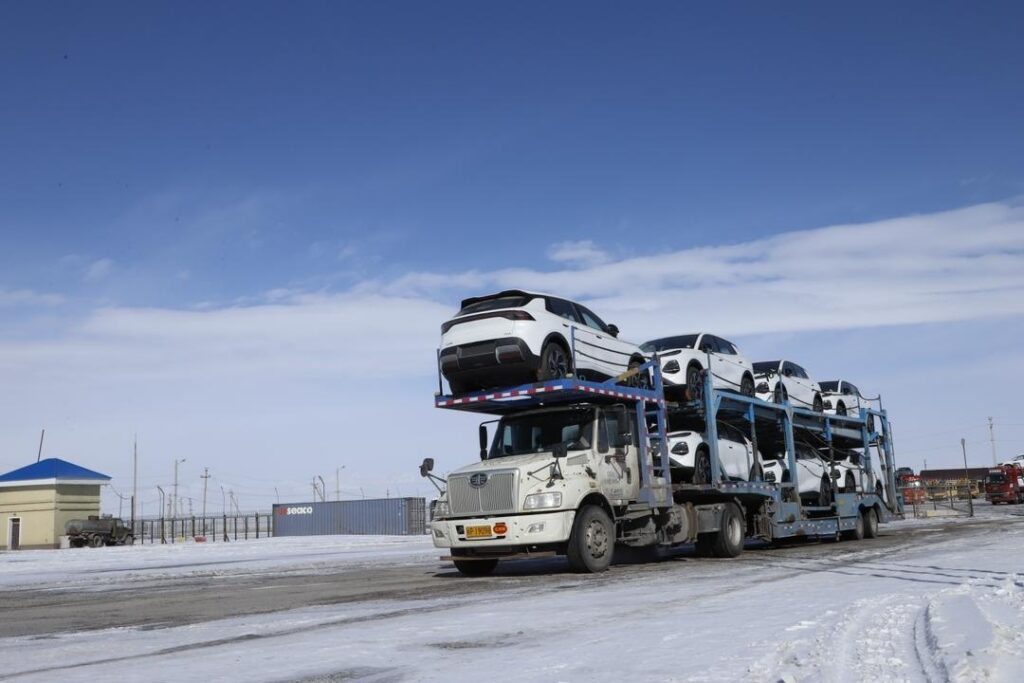
Chinese automakers are the main beneficiaries of these changes, rapidly displacing traditional Western brands. For local industrial groups, deep localization is no longer optional but has become a prerequisite for survival, triggering competition for exclusive contracts with Chinese manufacturers and access to government incentives.
Legislative Barriers
For many years, private imports accounted for a significant share of the market. At their peak in 2023, more than 60% of cars were imported through gray-market schemes.
However, new administrative measures are making this model economically unviable. First, a strict quantitative limit has been introduced: an individual may now import only one car per year.
Second, importing cars older than three years has become financially prohibitive. The base rate for initial registration has risen to $4,250, while recycling fees have increased and a 15% customs duty applies.
Third, technical requirements have been tightened. Vehicles must now comply with the Euro-5 standard, possess a Vehicle Design Safety Certificate (VDS), and be equipped with an emergency call system (EVAK). At the same time, importing vehicles less than three years old is permitted only for legal entities holding a Vehicle Type Approval (VTA) certificate.
Additionally, the cancellation of VAT exemptions has stripped independent dealers of their price advantage.
As a result, gray imports have declined steadily. They accounted for about 35% of the market in the first half of 2025 and approximately 30% by the end of the year.
In 2026, China exerted additional pressure. From January 1, the so-called “180-day rule” took effect: vehicles registered for less than six months cannot be exported without the manufacturer’s permission. This has significantly complicated re-export schemes and slowed capital turnover.
Consequently, the gray market has been largely paralysed, and retail sales have shifted under the control of official distributors.
The Dominance of Chinese Brands
The decline in gray imports has coincided with a broader global realignment of supply chains. Chinese automakers have been the primary beneficiaries.
According to the Kazakhstan Automobile Union, by March 2026 Chinese brands had captured more than 40% of the domestic market.
Six brands, Chery, Jetour, Changan, Haval, Geely and JAC, now rank among the top ten in sales. They are steadily displacing traditional leaders. A telling example is Toyota, which has fallen to tenth place after losing nearly 60% of its sales year on year. Meanwhile, the electric and hybrid segment is expanding rapidly: sales of China’s BYD have surged by almost 800%.
This growth is driven not only by competitive pricing and technological innovation but also by large-scale investment in dealer infrastructure. Under current conditions, Western and Japanese brands appear unlikely to regain their former positions in the near term.
Capitalisation in Service and Logistics
The shift to a corporate model requires substantial investment. The key competitive advantage is no longer price but supply stability and service reliability. Consumers are increasingly unwilling to wait months for spare parts, forcing distributors to build large warehouse reserves.
In Almaty, for example, more than 1.2 million parts are stored in a facility covering over 8,300 square metres. Capital tied up in inventories is estimated in the billions of tenge. Approximate investments include:
- Chery – about $5.1 million
- Changan – about $3.4 million
- GWM (Haval and Tank brands) – about $2.7 million
These measures have raised parts availability to around 85%, meaning eight out of ten vehicles can be repaired without waiting for deliveries. However, only large market players can sustain such investments, increasing the risk of consolidation and potential monopolisation.
A Course Toward Deep Localisation
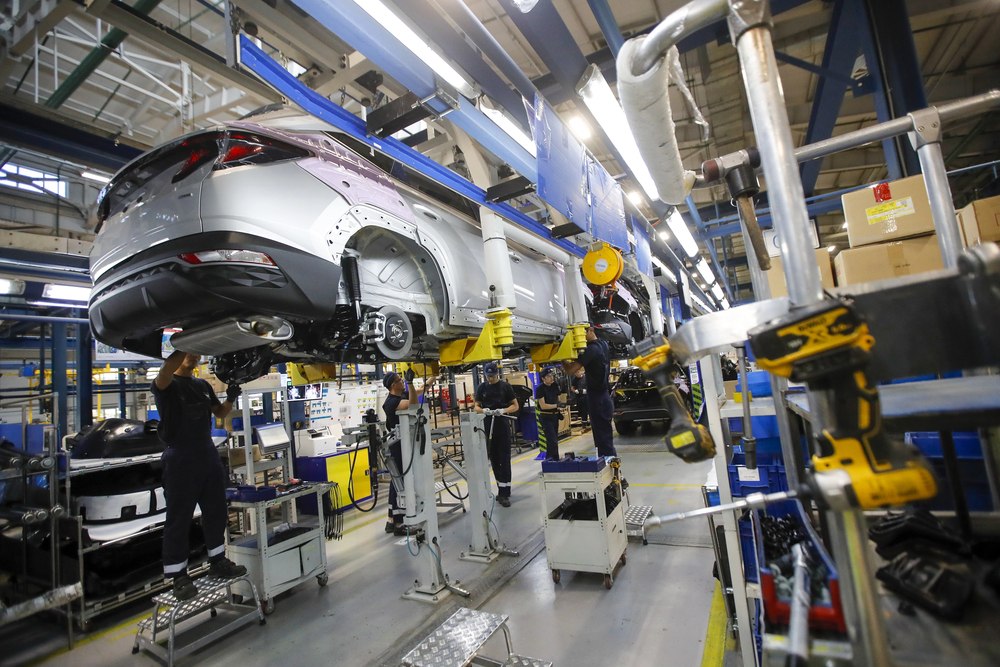
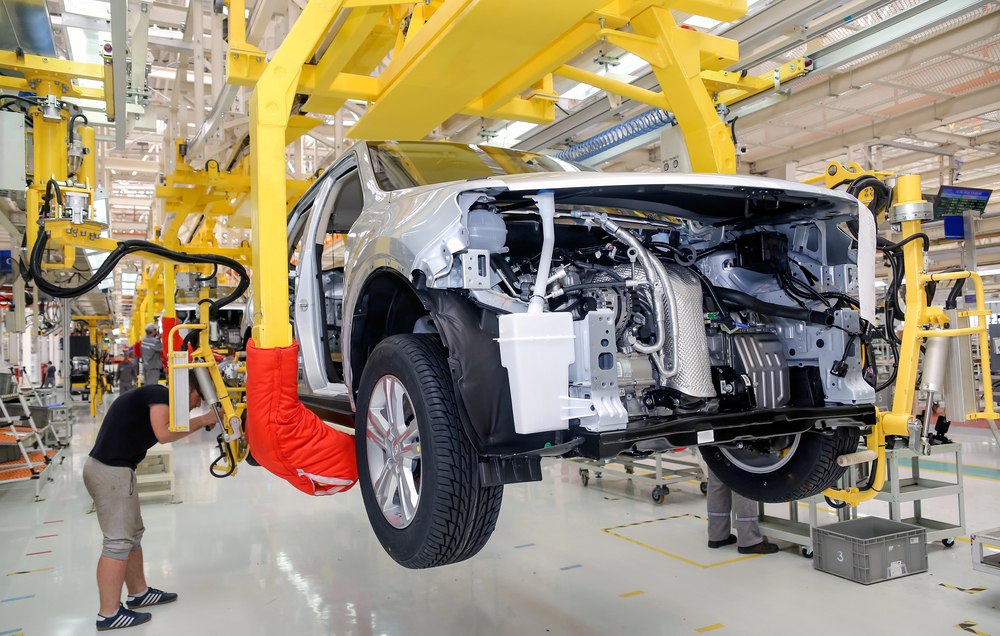
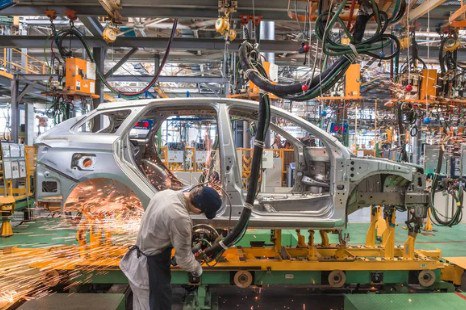
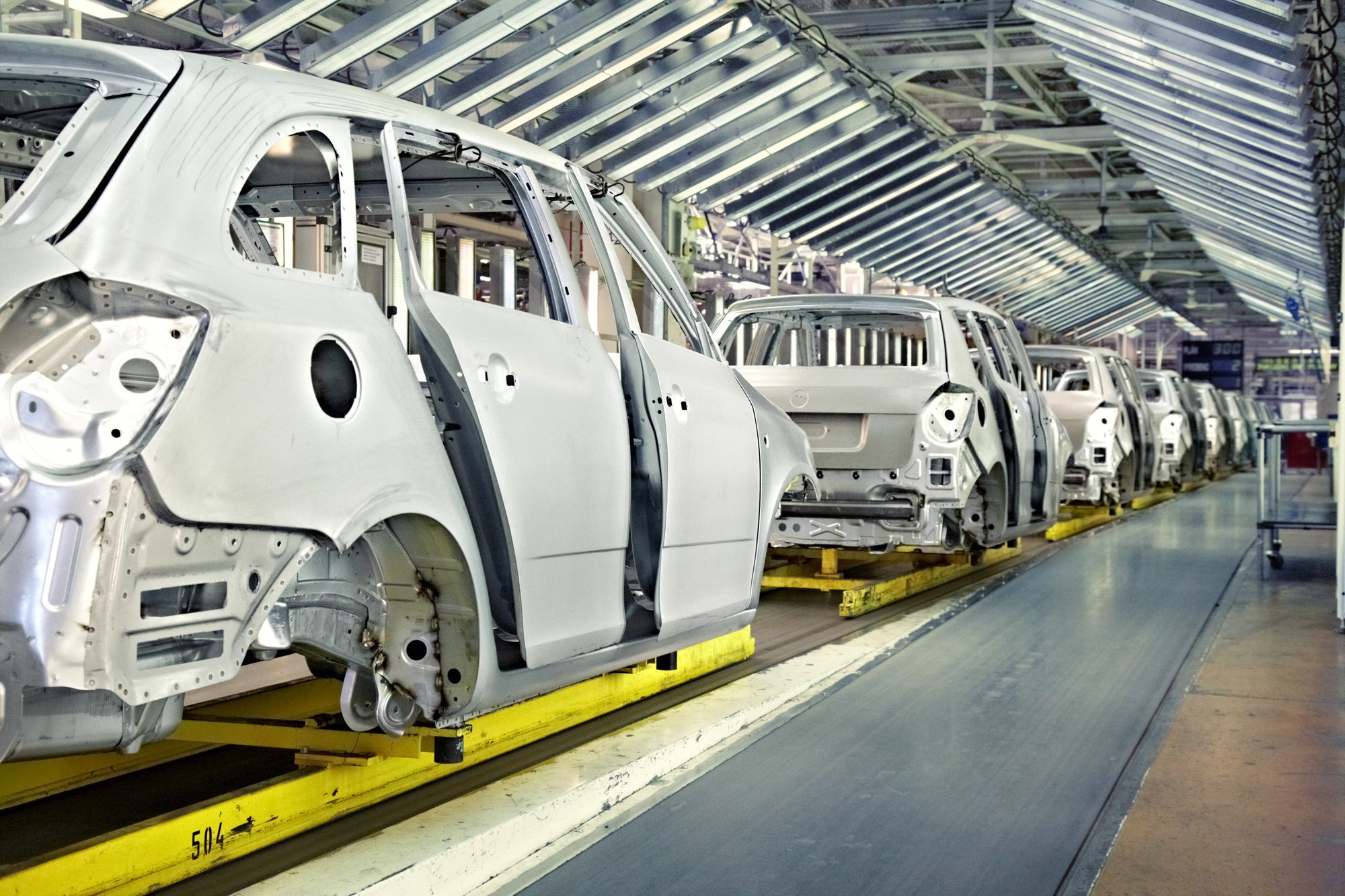
The final stage of this transformation is the relocation of production within Kazakhstan. The government is combining import restrictions with incentives for domestic manufacturing. Companies are expected to move from large-component assembly to full-cycle CKD production, including robotic welding and painting.
Data from early 2026 illustrates the scale of change: output rose by 37.3%, exceeding 13,000 vehicles.
Localisation is becoming a crucial tool in price competition. This is particularly significant given the ageing vehicle fleet, with more than 41% of cars older than 20 years. By producing vehicles locally, companies can access state incentives and reduce dependence on import duties. For instance, the launch of the Astana Motors Manufacturing Kazakhstan plant has enabled price reductions of 7-15% for locally produced models.
The transformation of the automotive sector is affecting not only the market but the wider economy. The shift towards high-tech manufacturing requires skilled labour and is shaping new educational standards. Companies are investing in training ecosystems. At Allur’s corporate university, for example, more than 4,000 specialists completed training in a single year.
Kazakhstan’s automotive market has thus moved from a spontaneous trading model to an industrial one. A new ecosystem is emerging in which competition centres not on individual sales but on control over production chains, investment flows and technological development.