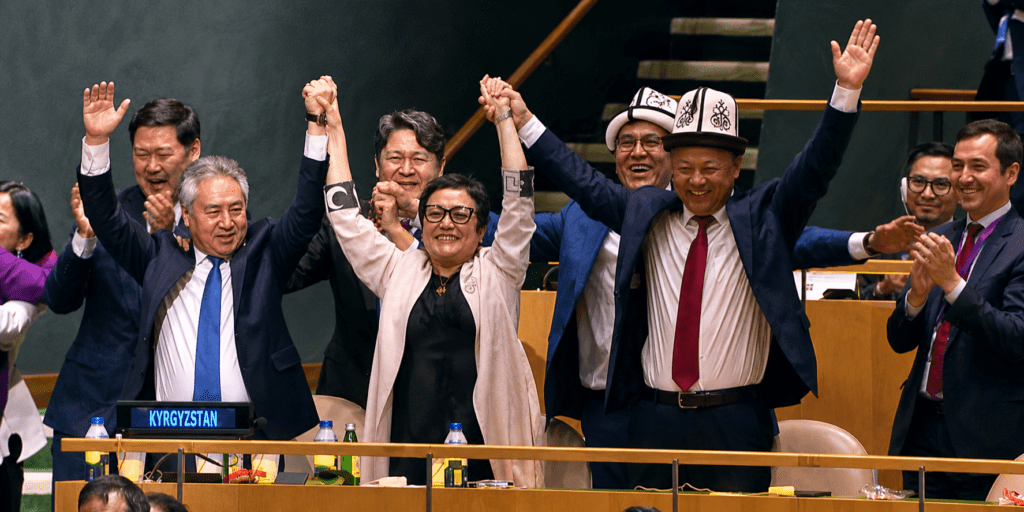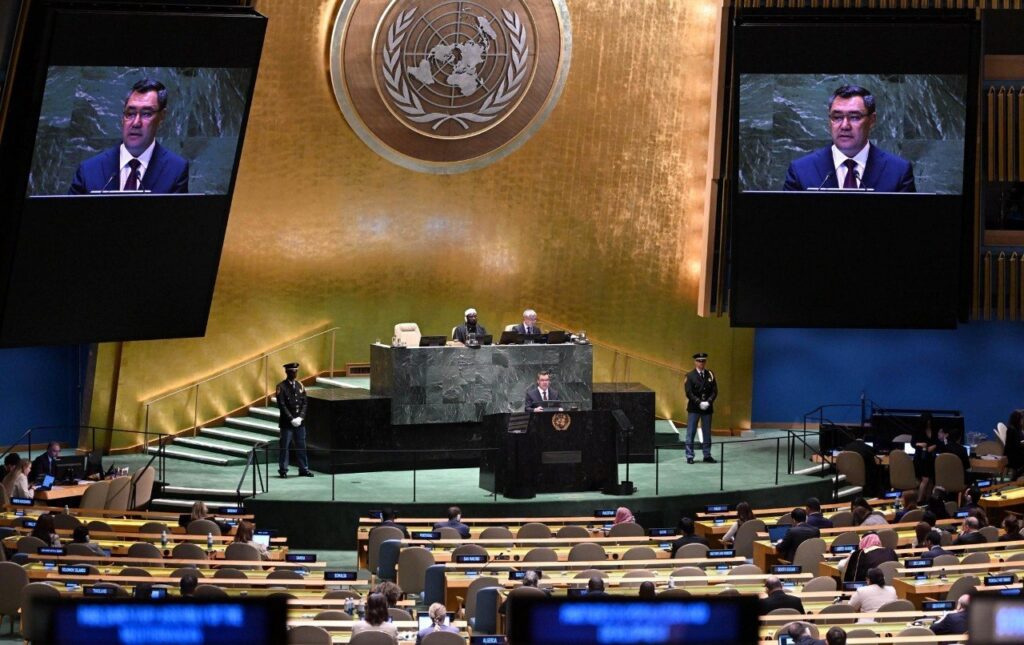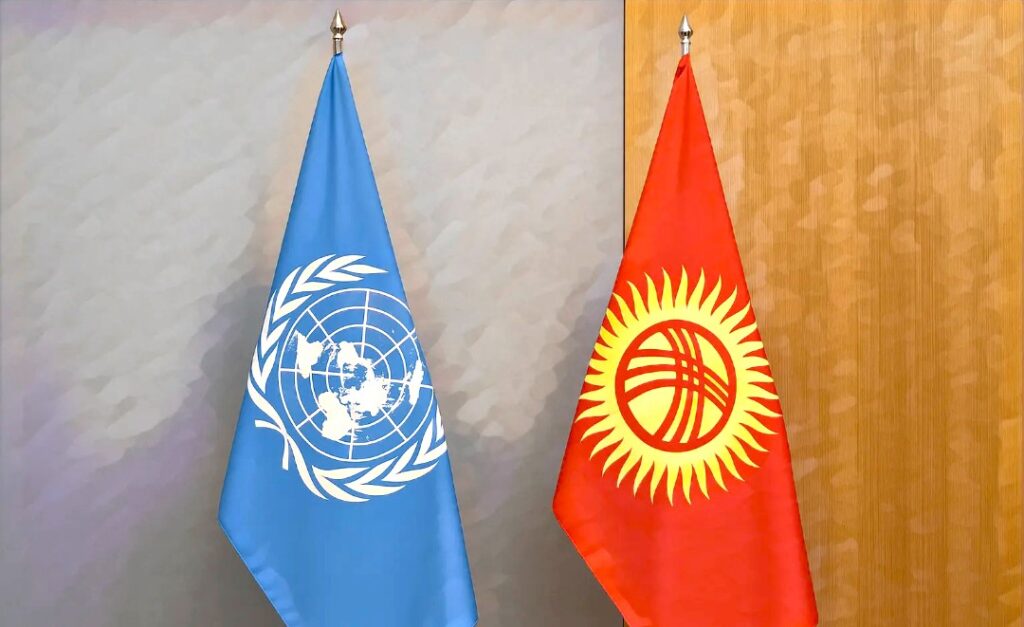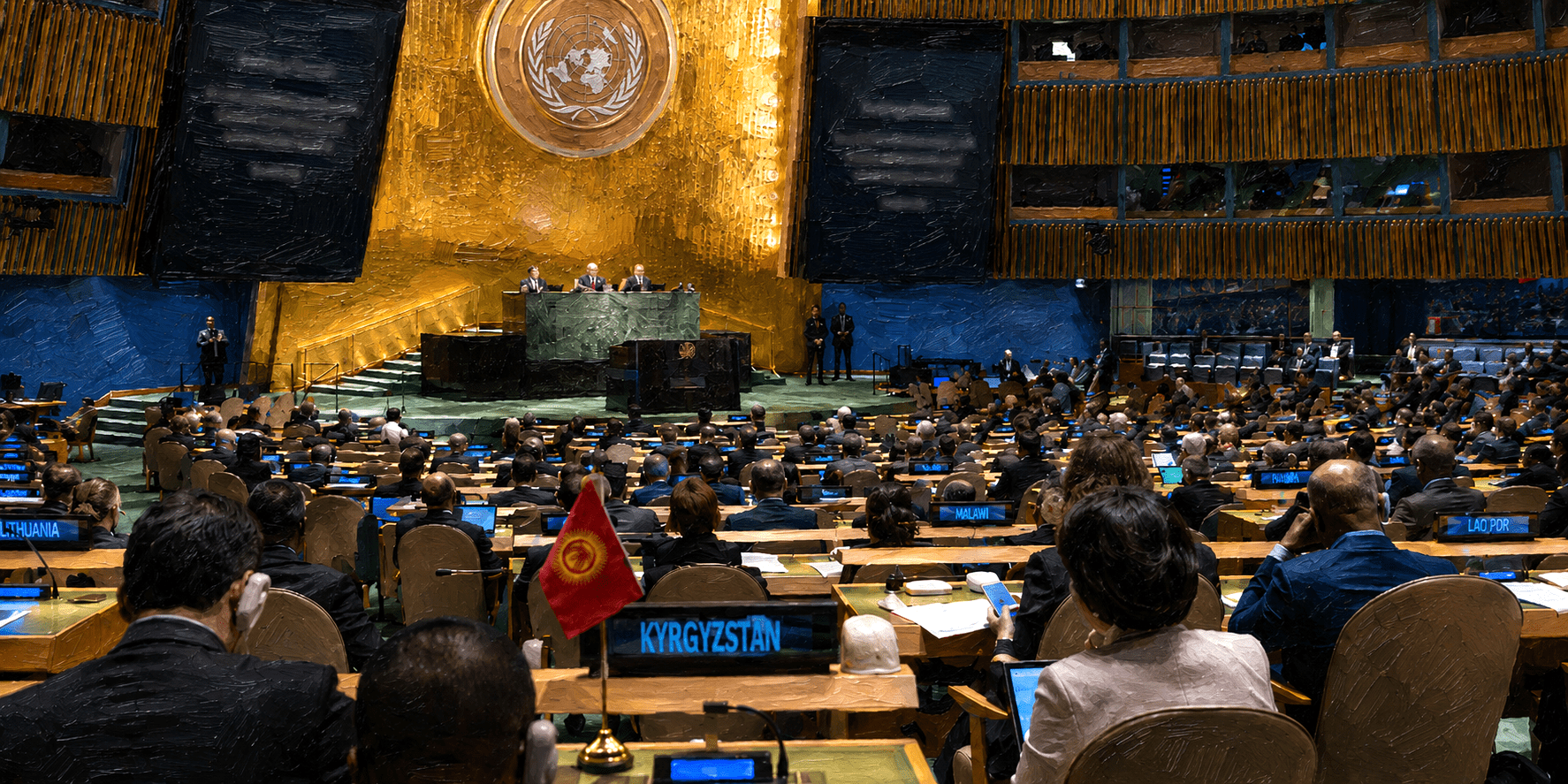
After years of campaigning and four rounds of voting, Kyrgyzstan defeated the Philippines to secure the Asia-Pacific’s sole non-permanent seat on the UN Security Council (UNSC) for the 2027-2028 term. Kyrgyzstan won decisively by 142-49, a result that underscores the growing call from small, developing, and landlocked states for greater representation at the UNSC table and highlights the increasing geopolitical importance of the Eurasian heartland.
Kyrgyzstan promoted itself as a bridge-builder committed to advancing dialogue, applying preventive diplomacy, and utilizing mediation as a means to resolve global conflicts and reduce geopolitical tensions. The country outlined several priorities for its 2027-2028 term, including nuclear disarmament and non-proliferation, regional stability, reform of the UN, stronger participation from the Global South, and greater attention to the needs of developing countries, landlocked nations, and vulnerable regions affected by climate change. These priorities likely resonated with states that have often felt overlooked in the UNSC, in contrast to member states such as the Philippines, which has already served multiple terms.
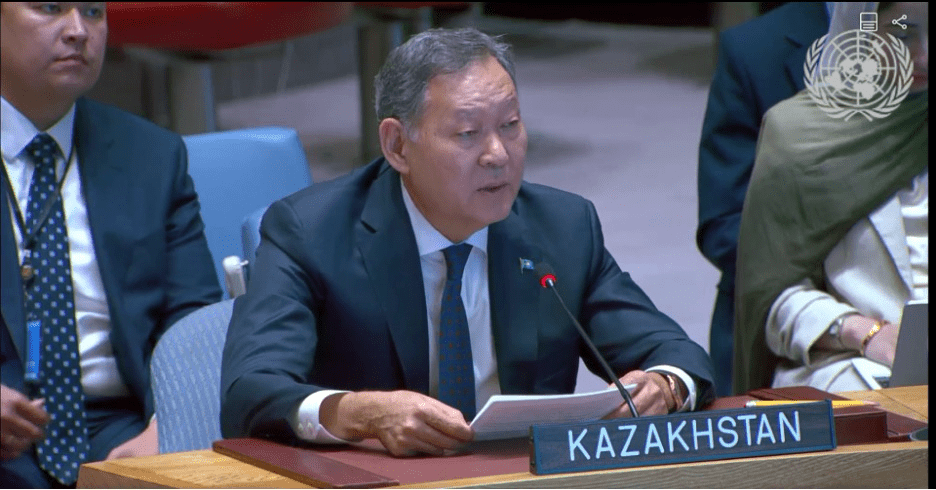
Before its victory, Kyrgyzstan was among 59 states that had never been elected to the UNSC since its establishment in 1946. It is now the second Central Asian country to secure a non-permanent seat, following Kazakhstan’s 2017-2018 term. Kyrgyzstan’s initial campaign in 2011 ended in defeat to Pakistan, coming just a year after the violent 2010 revolution, when the country lacked unified support from its Central Asian neighbors. This time, however, Kyrgyzstan received the full backing of its neighbors after settling regional border disputes. This historic achievement reflects growing regional solidarity in the Eurasian heartland, where platforms such as the Organization of Islamic Cooperation have supported Kyrgyzstan’s bid to enhance representation in the UNSC.
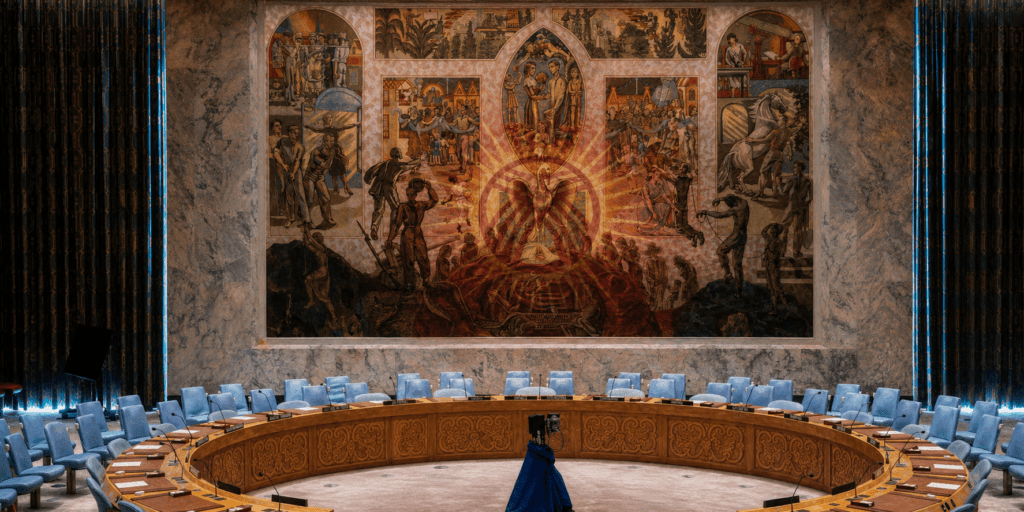
With a non-permanent seat secured, Kyrgyzstan is positioned to advance its priorities and assume the UNSC presidency, which it is scheduled to hold for one month in 2028. This role carries considerable significance, as it enables Kyrgyzstan to shape the UNSC’s agenda, schedule votes, manage operations, and lead discussions on conflicts, sanctions, peacekeeping missions, and emerging security challenges.
Kyrgyzstan’s election suggests a shifting diplomatic perspective in global geopolitics. Since the American pivot to Asia, the Indo-Pacific has dominated much of the strategic conversation in Asia, given flashpoints such as the South China Sea and the Taiwan Strait. Yet the vote also shows that Indo-Pacific salience does not automatically translate into UN General Assembly support. Many member states appeared receptive to Kyrgyzstan’s argument that Central Asia, landlocked countries, and the wider Eurasian heartland deserved a stronger voice in the UNSC.
Eurasia has long been a strategic area for culture, commerce, and conflict. Its vast landmass, stretching from Europe to Asia, has historically served as a crossroads for civilizations, armies, and trade, from the Silk Road to the two World Wars and China’s Belt and Road Initiative. Today, Eurasia remains central to global competition over critical minerals, energy security, trade corridors, and logistics networks. Control of infrastructure and transportation directly shapes global supply chains, and as power balances shift, Eurasia is emerging as one of the decisive arenas of influence where the interests of great powers and regional actors converge.
The Philippines suffered a disappointing campaign for the Asia-Pacific seat. Although it was considered the favorite, given its role in Indo-Pacific security debates and its position as chair of the Association of Southeast Asian Nations (ASEAN), many member states appear to have concluded that a new voice and fresh representation were needed in the UNSC. Voter fatigue may also have mattered, as the Philippines has served multiple UNSC terms. The result suggests that the diplomatic appeal of the Indo-Pacific narrative may be more limited in General Assembly voting than in strategic-policy forums.
The Philippines campaigned as a partner, pathfinder, and peacemaker grounded in the international rules-based order. This approach may have faced resistance from some member states wary of backing a candidate that consistently invoked international law to call out breaches.
Looking ahead, the Philippines must reevaluate its campaign, remain undeterred by the result, and continue its consistent contribution to multilateralism. At the same time, it should engage more nontraditional partners, including those in Eurasia, to gain a deeper understanding of the challenges they face. The announcement of a new embassy in Kazakhstan, support for Uzbekistan’s accession to the World Trade Organization, and ongoing discussions on a Central Asia-ASEAN dialogue format highlight Manila’s efforts to diversify its partnerships.
The principle of “one state, one vote” was clearly demonstrated in Kyrgyzstan’s election, which brought greater representation to an often-overlooked part of the world. Kyrgyzstan’s victory suggests that UN member states are paying closer attention to Central Asia and to the challenges facing landlocked and developing states. Great powers are increasingly jockeying for influence in areas such as security, critical minerals, energy, trade corridors, and infrastructure, underscoring the Eurasian heartland’s growing strategic relevance.
At the same time, the Philippines’ loss should not be read as the end of Indo-Pacific relevance. The region remains a critical geopolitical hotspot, with flashpoints that could escalate if miscalculations occur among states in the region and potentially require UNSC attention. What the vote does show is that diplomatic geography is broadening: the Eurasian heartland can no longer be treated as peripheral in multilateral politics.