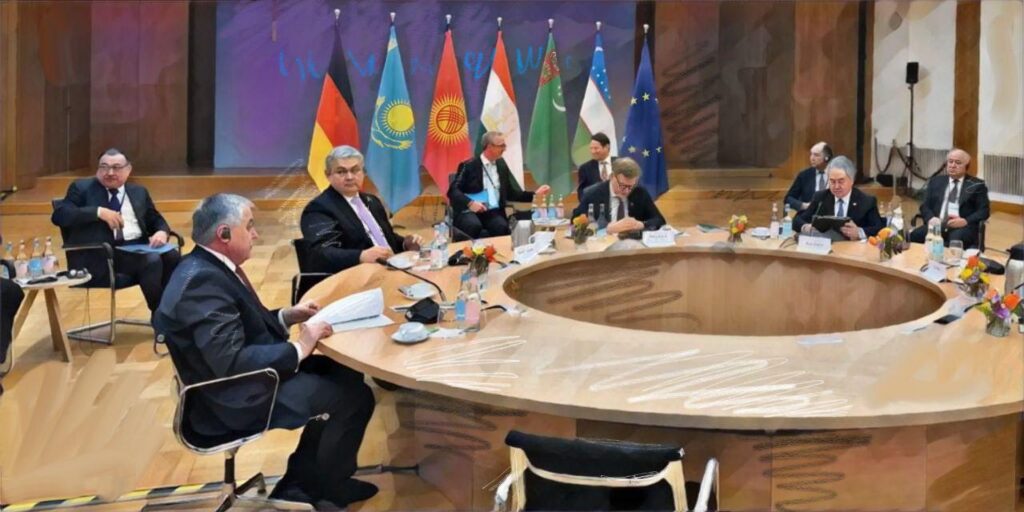
The European Union held a full-day sanctions seminar in Bishkek on June 9, aimed at Kyrgyz companies, banks, logistics operators and virtual-asset businesses. The session comes less than seven weeks after Brussels used its anti-circumvention tool against Kyrgyzstan for the first time.
The EU Delegation to the Kyrgyz Republic said the seminar was designed to raise awareness of EU sanctions, explain their application, and improve cooperation to prevent circumvention. The published agenda set out a program covering the EU sanctions system, financial restrictions, dual-use trade controls, penalties, trade-flow risks, and practical compliance. It also included question-and-answer sessions on financial sanctions and dual-use goods.
The Kyrgyz Chamber of Commerce and Industry said the event would cover sanctions policy. Trainers were expected to come from the European Commission, EU member states, international law firms, banks, logistics companies, technology firms, and the virtual-asset sector.
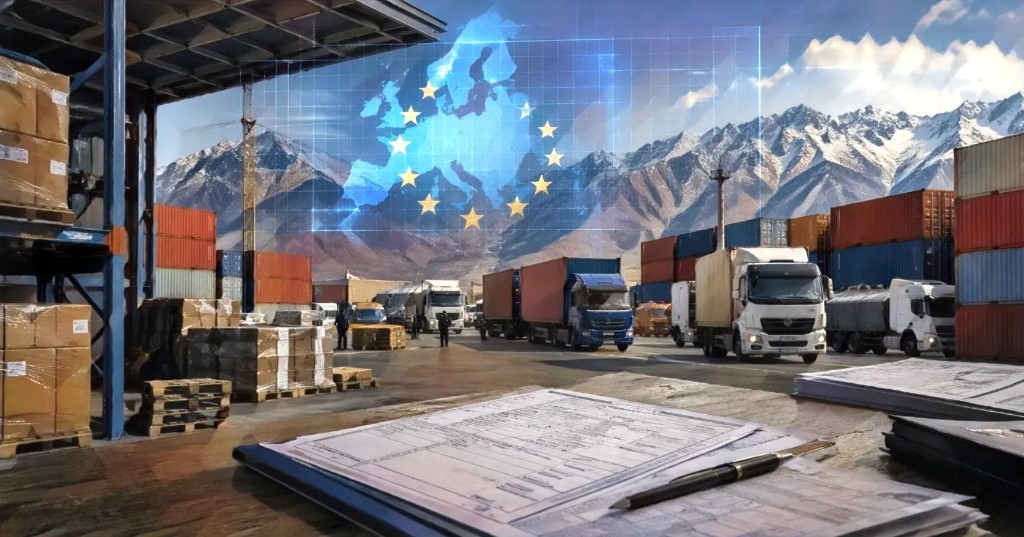
The timing gives an otherwise technical seminar a political edge. On April 23, the Council of the EU adopted its 20th sanctions package against Russia. Brussels banned the export of computer numerical control machines and radios to Kyrgyzstan, where there is a high risk that the products could be re-exported to Russia. The Council said trade data showed a significant rise in the re-export of common high-priority items.
Those narrow categories carry large compliance risk. They include machine tools, electronics, radio equipment and other components that can support military production, drones, communications systems, and advanced industrial supply chains. The EU is not attempting to stop Kyrgyz trade with Russia; it is trying to close routes for goods that European regulators say should not reach Russia through third countries.
Kyrgyzstan has drawn closer EU scrutiny since Russia’s full-scale invasion of Ukraine in 2022. A member of the Eurasian Economic Union, goods can enter Kyrgyzstan, clear customs, and then move through regional trade channels. That role has supported growth in Kyrgyzstan, but has placed freight forwarders, importers and banks under closer foreign review.
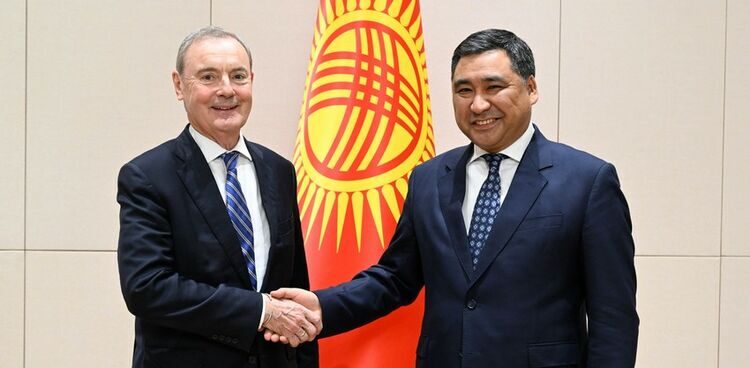
The concern had been building before the April decision. During a February visit to Bishkek, EU sanctions envoy David O’Sullivan discussed Kyrgyz banks, cryptocurrency and sensitive imports with Kyrgyz officials. Local coverage said the EU was watching about 80 dual-use product categories shipped from Europe to Kyrgyzstan. Around 50 had been found directly in Russian weapons, while 30 more were described as economically critical industrial items used in their production.
The April package also increased pressure on Kyrgyz financial channels. The EU placed a transaction ban on 20 Russian banks and targeted four financial institutions in third countries. Keremet Bank and Capital Bank were among the affected Kyrgyz lenders. The EU also designated a Kyrgyz entity operating a platform where large volumes of the government-backed A7A5 stablecoin are traded.
Virtual assets remain one of the most sensitive areas. On June 3, Kyrgyzstan’s financial-market regulator revoked the license of CJSC TengriCoin as a virtual-asset trading operator. The regulator cited systematic legal violations, failure to comply with official requirements, and failure to submit required reports. It also reminded market participants that anti-money-laundering rules apply to the sector.
Bishkek has rejected claims that it helps Russia evade sanctions. First Deputy Chairman of the Cabinet of Ministers Daniyar Amangeldiev said on June 3 that Kyrgyzstan considers Western sanctions illegal, while Bishkek continues dialogue with the EU and the United States. Foreign Minister Jeenbek Kulubaev also raised concerns with European counterparts about the effect of unilateral restrictions on Kyrgyzstan and Central Asia.
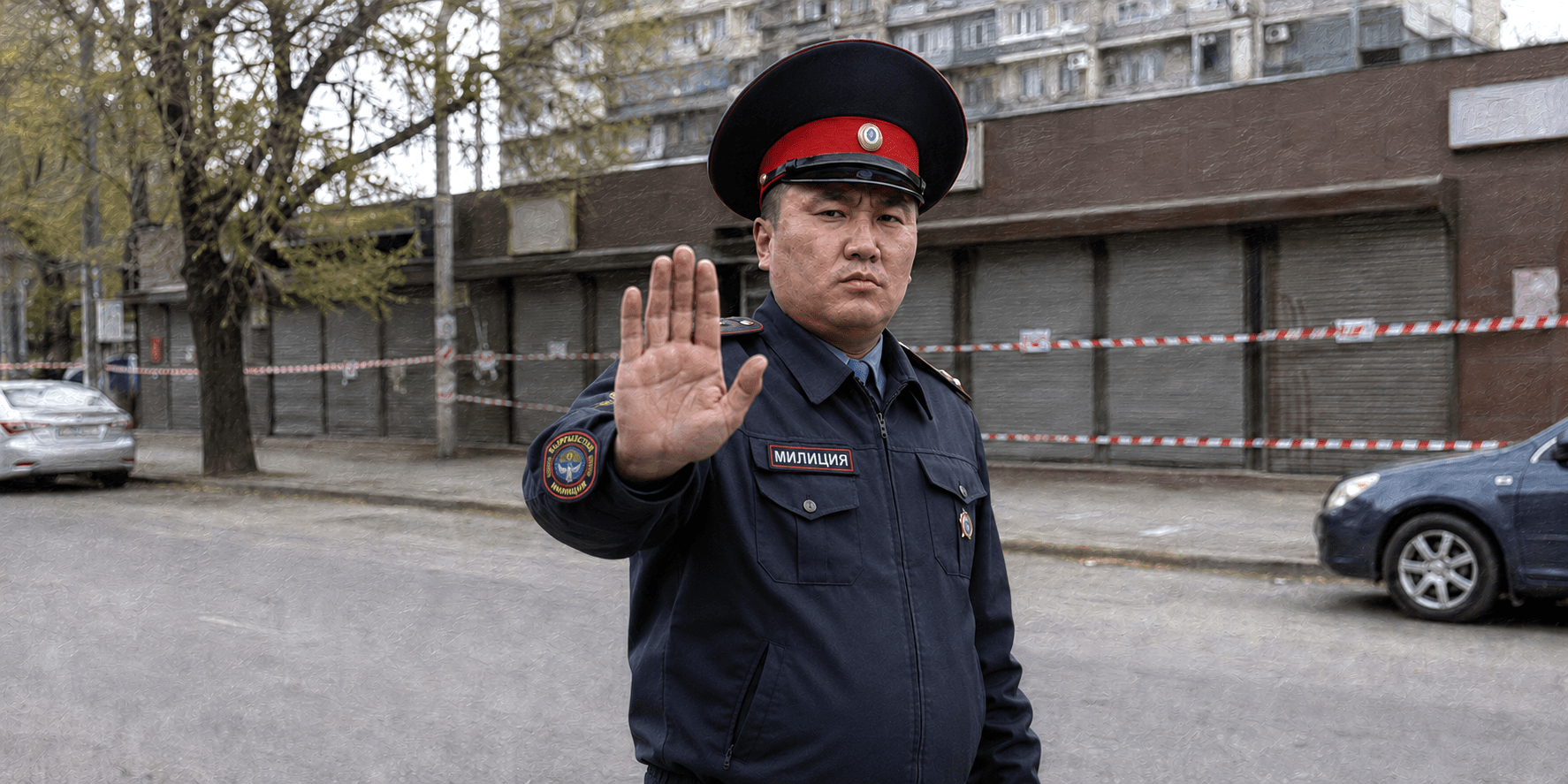
Nevertheless, Kyrgyz authorities have moved to lower the country’s exposure. In May, the Justice Ministry took the first simultaneous action of its kind against 50 legal entities, after state agencies flagged them for operations with higher sanctions risk. The ministry did not name the companies, owners or sectors. It said the measure was tied to a new interagency mechanism for identifying dishonest participants in foreign economic activity.
President Sadyr Japarov followed with a senior appointment, naming Economy and Commerce Minister Bakyt Sydykov as special representative for sanctions policy and the reduction of sanctions risks. Sydykov will keep his ministerial post and hold deputy cabinet chairman status until December 31, 2026. His mandate includes coordination with state agencies, foreign regulators, financial institutions and international organizations.
On the same day, local developments showed how quickly the compliance agenda is widening. On June 9, Tazabek reported that Japarov had appointed Farhat Iminov to lead the new National Agency for Virtual Assets and Blockchain Technologies. The agency was created in May 2026. Tazabek also reported that a financial-security commission chaired by Amangeldiev had approved the structure of a new AML/CFT national strategy and started work on a phased plan to implement the FATF Travel Rule for the virtual-asset sector.
The economic stakes remain high. In 2025, Kyrgyzstan’s foreign and mutual trade in goods totaled about $15.8 billion, down 10.2% from the previous year. Exports fell 44.5%, while imports rose 3.9%. Trade with the Eurasian Economic Union reached $5.9 billion, and Russia accounted for 64.9% of Kyrgyzstan’s trade inside the bloc.
Growth is still strong, but sanctions risks have entered the forecast. The European Bank for Reconstruction and Development cut its 2026 growth forecast for Kyrgyzstan to 8.7%, citing the expected impact of new EU sanctions. The EBRD stated that Kyrgyz real GDP grew 10.1% year on year in the first quarter, supported by industry, construction and trade.
For Kyrgyz businesses, the June 9 seminar turns a diplomatic dispute into operating rules. Importers need proof of end-users; freight forwarders need cleaner routing checks; and banks need stronger screening of clients, payments and counterparties. Crypto firms also face closer oversight as regulators look at digital channels linked to sanctioned activity. Kyrgyzstan has started closing risky companies, appointing sanctions officials, and tightening control of virtual assets. It remains to be seen whether those steps can stop restricted goods and payments before they reach Russia.