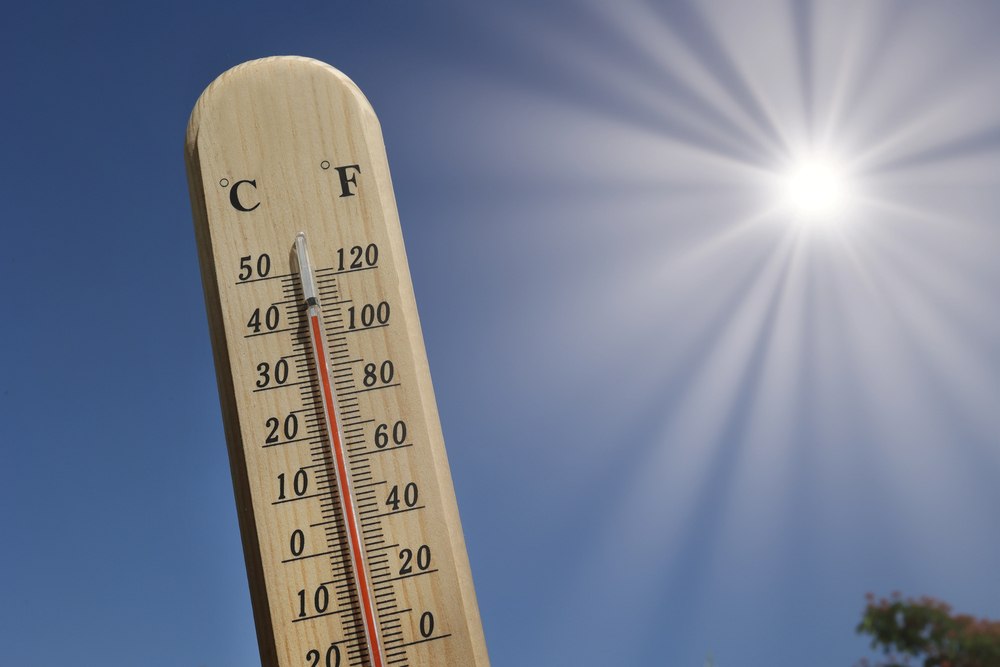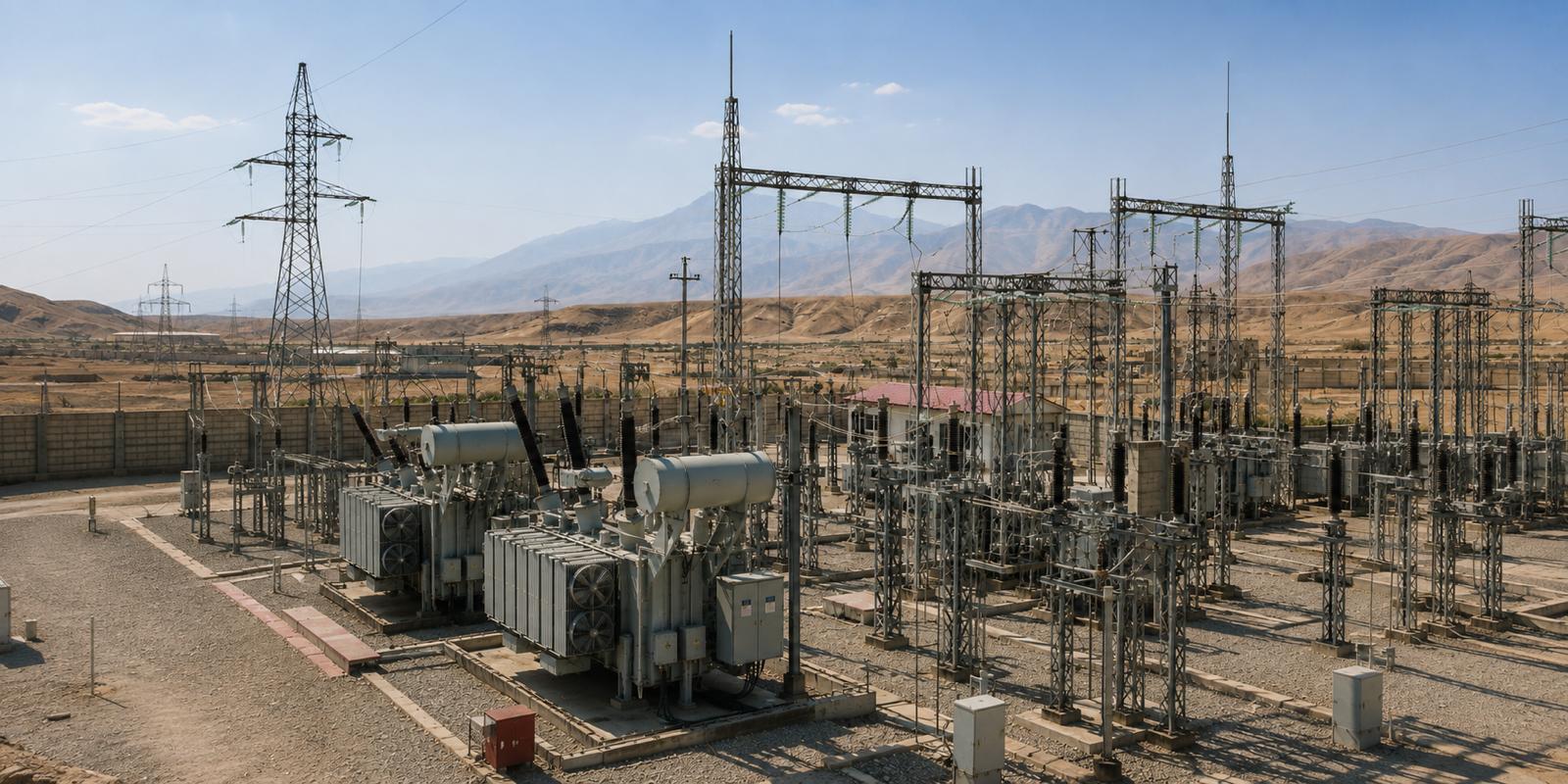
At 5:22 p.m. on July 20, after days of extreme heat, Uzbekistan’s electricity system hit its highest load on record. Air conditioners were running on overdrive across the country as demand reached 14.2 gigawatts. Over the full day, consumers used 301.9 million kWh, almost 11% more than the previous year’s summer peak.
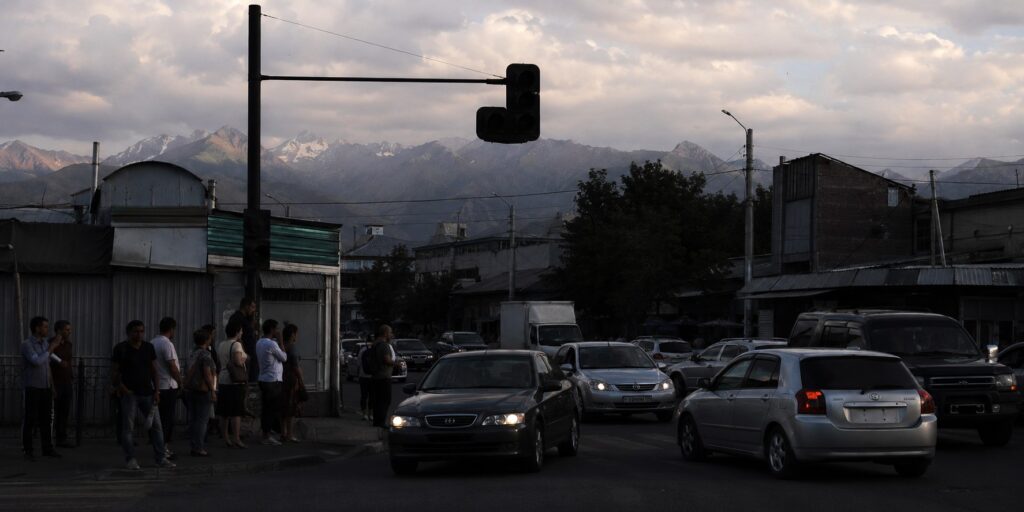
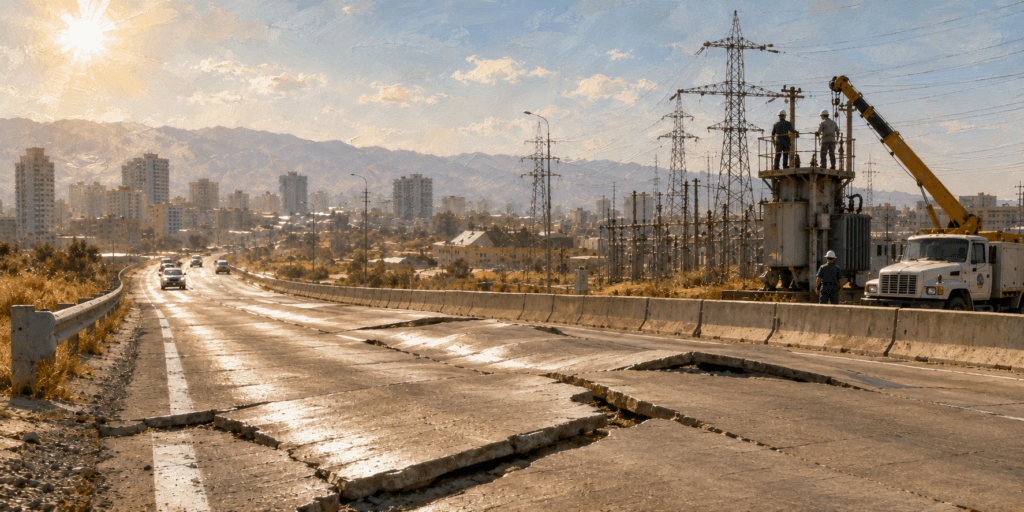
The pressure was visible elsewhere. In Kyrgyzstan, electricity consumption jumped 18% year-on-year on July 19. Parts of Bishkek and the Chui Region lost power for periods of up to two hours as operators tried to stop overloaded equipment from failing. In Almaty, where temperatures reached 40°C, 35 repair crews were deployed as record demand triggered faults across parts of the city’s electricity network.
Central Asia has spent years preparing for power shortages during freezing winters. July demonstrated that 40°C-plus summer days can now pose a different version of the same problem.
The Demand Problem
Governments across Central Asia have largely approached energy shortages from the supply side: more generation, new plants, stronger transmission, and greater investment. The summer peak exposed another weakness, however: demand is rising faster than many networks can comfortably absorb it.
The pressure comes from new apartment blocks, shopping centers, construction sites, cooling systems, and the rapid spread of air conditioning. In Tashkent, Almaty, Bishkek, and other expanding cities, hotter summers also intensify the urban heat-island effect as concrete and glass retain heat and increase cooling demand. Much of the region’s electricity infrastructure was built for a different pattern of consumption.
That makes demand-side management increasingly important alongside new generation. Building another plant increases the amount of electricity available, but does little by itself to control when households and businesses consume it. Efficiency standards, more responsive tariffs, modern metering, and investment in distribution networks will become more important as peak demand rises.
Four Systems, Shared Pressure
Kazakhstan, Uzbekistan, Kyrgyzstan, and Tajikistan are not facing identical problems, but July highlighted a common vulnerability: electricity systems are being asked to meet demand patterns for which they were not originally designed.
Kazakhstan is pursuing major long-term additions to generation. In May 2026, it signed a $16.5 billion agreement with Russia’s Rosatom for its first nuclear power plant near Lake Balkhash. Construction is expected to begin in 2027, with the first reactor scheduled for commissioning in early 2034. For a coal-heavy system facing rising demand, the baseload argument is clear. But new capacity will take years to arrive. Tariff reform and modernization of existing infrastructure remain politically sensitive, especially if households are asked to pay more before improvements in reliability become visible.
Uzbekistan is racing to add capacity, especially solar, in response to a rapidly growing population and dwindling gas reserves. Solar can reduce daytime strain and free gas for other uses, but it does not resolve the evening peak. Cooling demand can remain high after sunset, when solar output falls. Without sufficient storage, flexible backup generation, and stronger transmission and distribution networks, rapid additions of renewable capacity can coexist with local shortages and outages. Uzbekistan’s July records underline the pace of the challenge: generation is rising, but demand continues to set new highs.
Kyrgyzstan and Tajikistan face an additional constraint because of their dependence on hydropower. Electricity supply is tied closely to reservoir levels, rainfall, snowmelt, and the timing of water releases. Recent shortages in both countries have shown that exposure. In Tajikistan, dry conditions in late 2025 reduced reservoir levels and contributed to electricity rationing. Dushanbe is again conserving water and arranging imports from Uzbekistan ahead of winter. Hydropower gives both countries a large domestic source of relatively low-carbon electricity, but it also connects their power systems directly to weather and regional water management.
Water and Power
Central Asia’s electricity system cannot be separated from its water system. Kyrgyzstan and Tajikistan need reservoir water for hydropower generation, particularly during winter when electricity demand rises. Downstream Kazakhstan, Uzbekistan, and Turkmenistan require large summer water flows for irrigated agriculture.
Under the Soviet system, those competing seasonal needs were managed through a planned regional exchange. Upstream republics released water during the summer for downstream agriculture and received fuel and electricity to help meet winter energy demand. After independence, the infrastructure remained interconnected, but the centralized mechanism coordinating those exchanges disappeared.
That seasonal mismatch remains difficult to manage. Releasing more reservoir water in summer can help downstream irrigation but leaves less stored water available for upstream winter hydropower. Holding more water back strengthens winter energy security upstream but can reduce the flows available when downstream agriculture needs them most.
Electricity trade can ease some of that pressure, but it requires dependable cross-border markets, sufficient transmission capacity, agreed prices, and confidence that supply will be available when needed. National energy projects therefore have regional consequences. Uzbekistan can add solar, Kazakhstan can build nuclear power, and Kyrgyzstan and Tajikistan can expand hydropower, but those investments cannot fully resolve the water-energy problem without stronger coordination over electricity trade and reservoir management.
Managing the Peak
Investment is already flowing into Central Asia’s energy sector from international financial institutions, foreign investors, and national governments. New generation is being built across the region. But additional supply alone will struggle to keep pace if consumption continues rising without stronger demand management.
That means placing more emphasis on peak-load pricing for large consumers, efficiency standards for new buildings, smart metering, and incentives for businesses to move some electricity use away from the busiest periods. Distribution networks also need investment to handle increasingly concentrated summer loads.
Tariff policy is particularly sensitive. Cheap electricity has long been treated as a form of social protection, and affordable power remains important for lower-income households. But uniformly low prices also weaken incentives for consumers to use electricity more efficiently. A more targeted system could protect vulnerable households while giving larger users stronger reasons to reduce peak consumption. Better-insulated buildings, more efficient cooling systems, and stricter construction standards can also reduce the amount of additional generation needed simply to meet rising summer temperatures.
A New Energy Season
July 2026 did not bring Central Asia’s power systems close to collapse. It did show how quickly the region’s electricity profile is changing. Systems shaped around heavy industry, winter heating, and centrally coordinated water management now serve larger cities, rapidly expanding residential districts, rising commercial demand, and millions of additional cooling appliances.
Winter shortages will remain, but summer has become a power season in its own right. Governments are responding with new generation, renewable energy, nuclear plans, imports, and network investment. Much more capacity will be required as demand grows. But managing when electricity is consumed will become as important as increasing how much is produced. Without improvements in efficiency, tariffs, distribution infrastructure, and regional water-energy coordination, much of the new capacity coming onto the system risks being absorbed by rising demand almost as quickly as it is built. Central Asia’s summer power problem remains manageable. July showed that the margin for ignoring it is getting smaller.