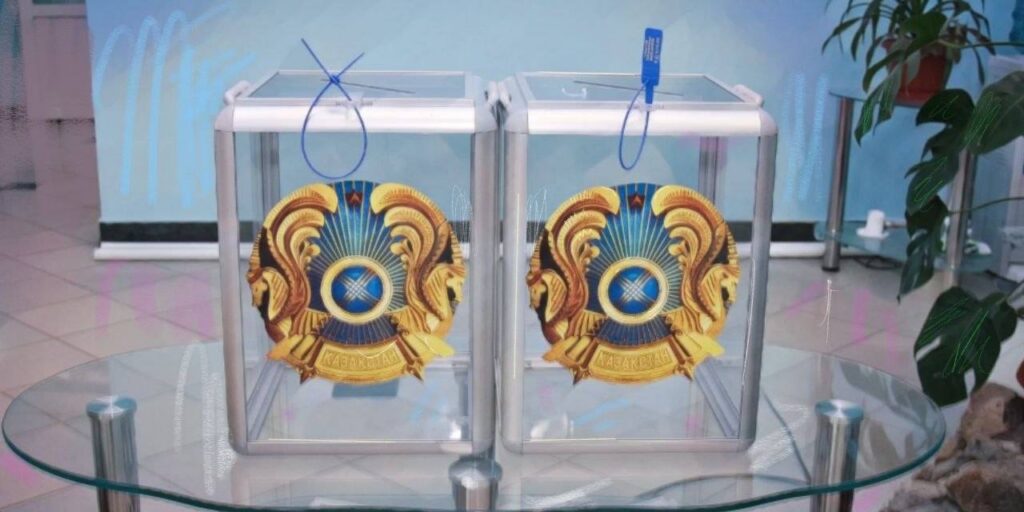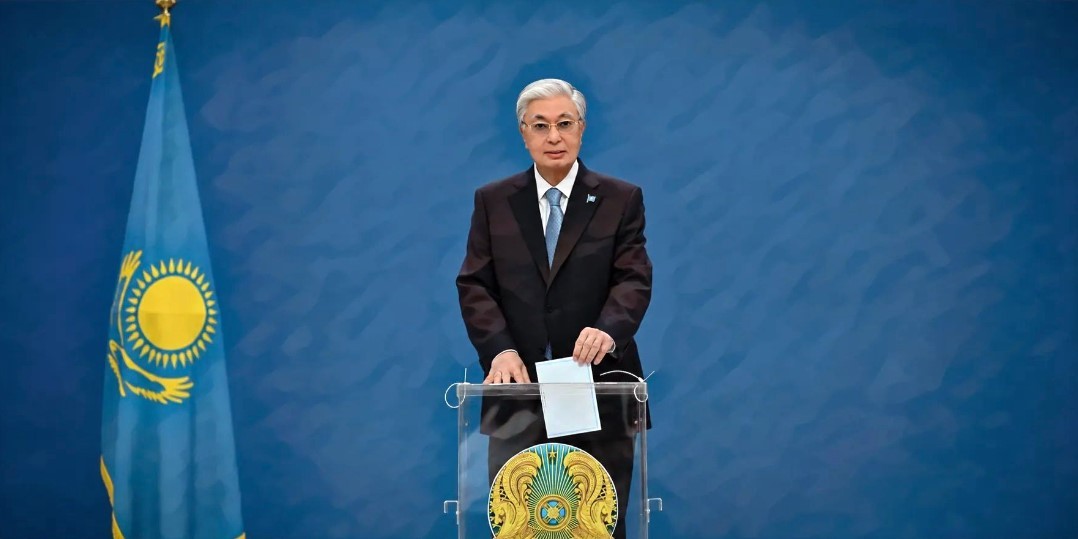
Kazakhstan’s new pro-presidential Adilet party has won 71.17% of the vote in the country’s first election to the new unicameral Kurultai, according to preliminary results announced by the Central Election Commission on August 24.
Five parties cleared the 5% threshold for representation in the 145-seat legislature. Auyl finished second with 6.26%, followed by Respublica with 5.56%, Ak Zhol with 5.21%, and the Nationwide Social Democratic Party with 5.11%. The People’s Party of Kazakhstan received 3.11% and the Baitaq green party 1.07%, leaving both outside parliament. Another 2.51% of voters chose “against all.”
The CEC figures show that 9,351,539 of the 12,623,289 registered voters cast ballots, putting turnout at 74.08%. The commission has yet to announce the final allocation of seats.
The result gives Adilet a commanding position at the outset of Kazakhstan’s new parliamentary system. The party was registered only on June 1 and is led by Aibek Dadebay, a former head of President Kassym-Jomart Tokayev’s presidential administration. In June, the long-dominant Amanat party voted to merge into Adilet, transferring its nationwide organization into the new pro-presidential party.
Amanat won 53.9% of the party-list vote in the 2023 parliamentary election. Direct comparison is limited because that election used a mixed system, while all 145 Kurultai seats are now elected through nationwide party lists.
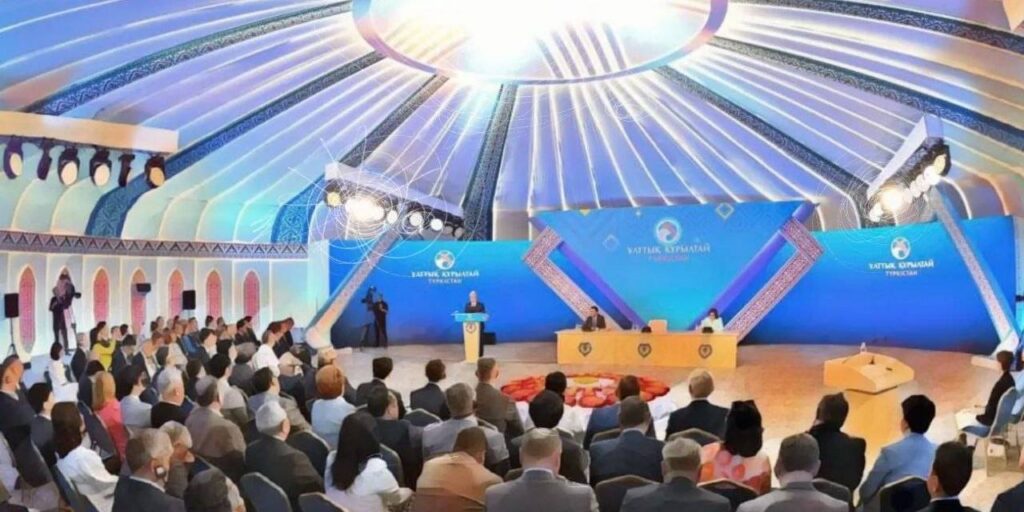
Sunday’s vote was the first parliamentary election under Kazakhstan’s new Constitution, which entered into force on July 1 after being approved in a March referendum. The new framework abolished the Senate and Mazhilis and replaced them with the single-chamber Kurultai. It also removed single-mandate constituencies, meaning independent candidates could not contest the August election.
The scale of Adilet’s victory had been widely expected, but assessments of the election diverged on Monday.
The OSCE Office for Democratic Institutions and Human Rights said the election was “technically well prepared” but lacked political pluralism. It noted that all seven parties supported Tokayev and said Adilet benefited from structures and resources inherited from Amanat. While voting procedures were generally followed, ODIHR reported violations during counting and credible cases of public resources being used in the campaign.
A separate Commonwealth of Independent States observer mission offered a different assessment, describing the election as well organized, fair, competitive, and open.
The result means the first Kurultai will contain five parties, but Adilet will dominate the chamber once seats are allocated. The exact composition will become clear when the CEC completes the formal allocation of mandates.
The vote also begins the practical phase of the constitutional overhaul approved earlier this year. The new legislature will be the first to operate entirely under the party-list system and will take office as Kazakhstan implements a wider institutional redesign that will also restore the vice-presidency and change the structure of national political institutions.