BELGRADE – While seeking to join the European Union – a process that has been going on for nearly two decades – Serbia is also moving to build closer relations with Central Asia. After expanding cooperation with Kazakhstan earlier this year, the Southeast European nation is now looking to replicate that momentum in its relations with Uzbekistan.
At first glance, the two countries seem to have little in common. Serbia is a relatively small economy with strong ties to European markets, while Uzbekistan is Central Asia’s most populous nation and one of the region’s fastest-growing economies. Yet the two states are actively expanding their cooperation.
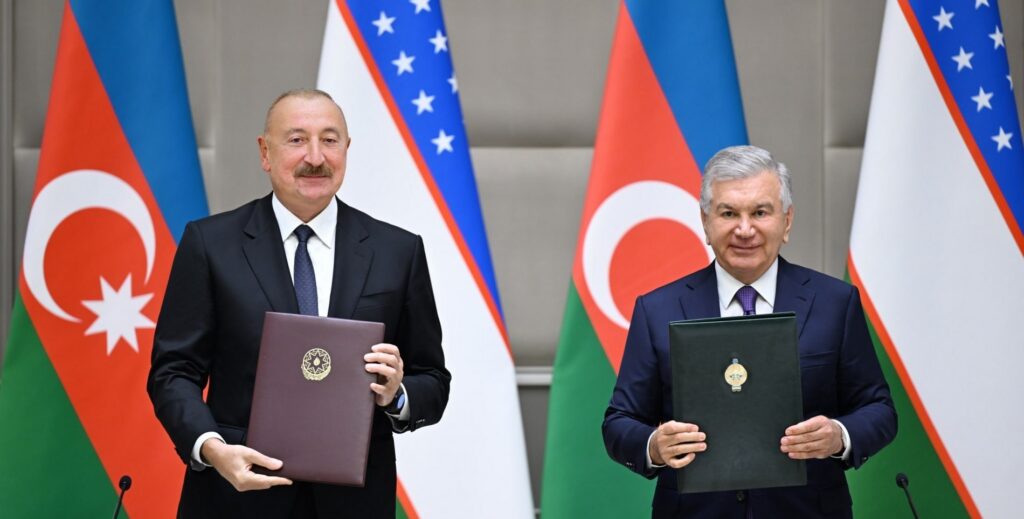
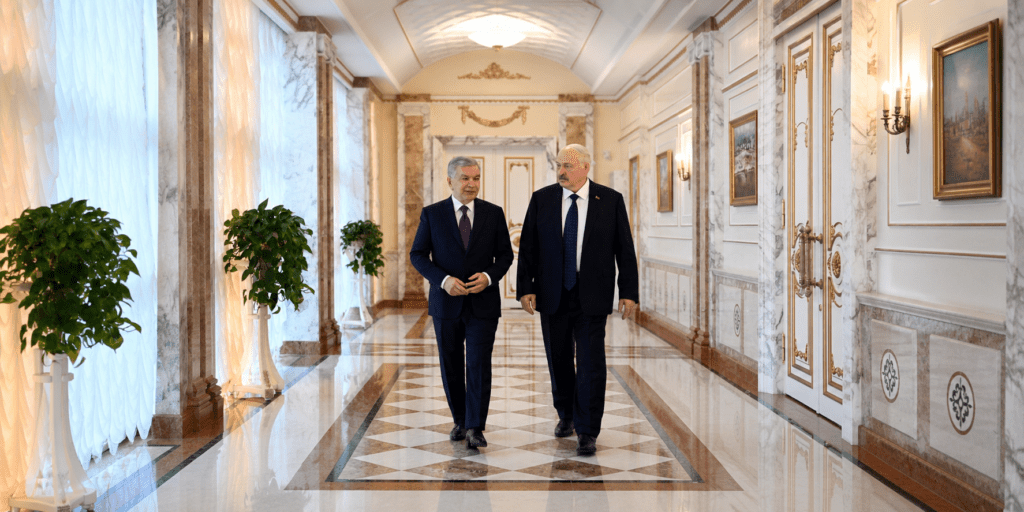
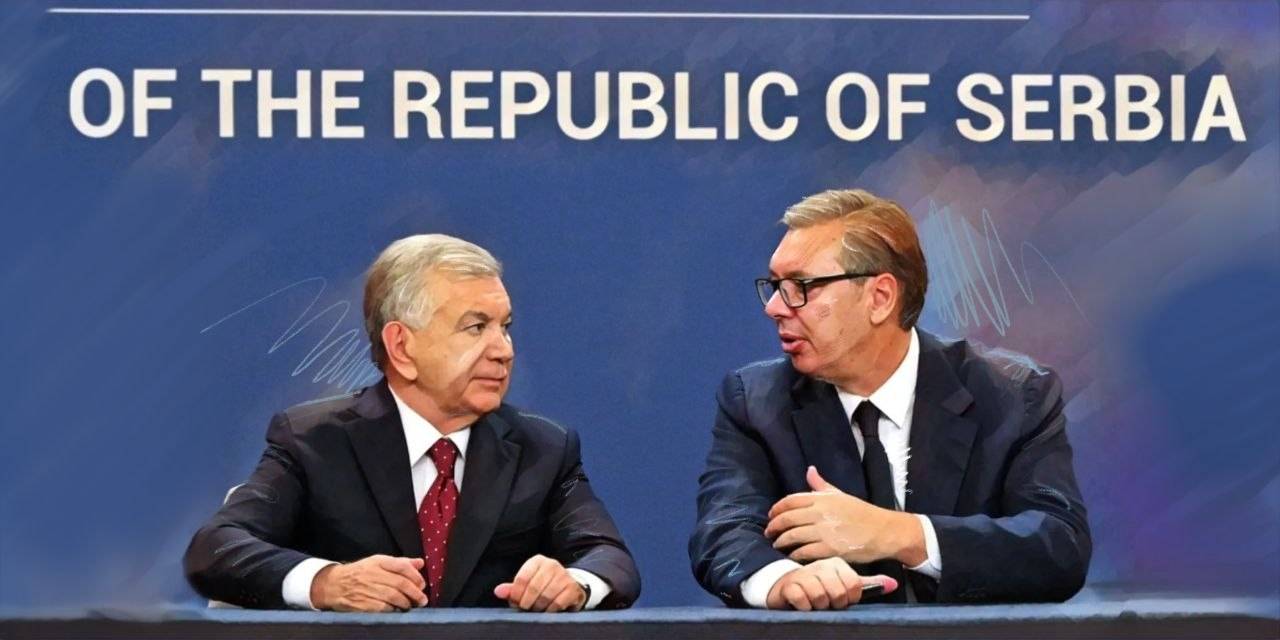
On September 8, Serbian President Aleksandar Vucic and his Uzbek counterpart, Shavkat Mirziyoyev, signed a joint statement establishing a strategic partnership between Belgrade and Tashkent. Uzbekistan’s leader’s visit to Serbia comes less than a year after Vucic made his first official trip to the Central Asian state. In the meantime, the Serbian government announced its plans to open an embassy in Tashkent – a move that will undoubtedly further strengthen diplomatic and economic ties between the two countries.
While the economy was at the top of the agenda during Vucic and Mirziyoyev’s talks in Belgrade, the meeting also carried significant political importance for the Serbian leader. Mirziyoyev arrived in Serbia on September 7, when thousands of people gathered to attend the funeral of former Bosnian Serb military commander Ratko Mladic. His death and the public tribute to him have reopened divisions over Serbia’s wartime legacy and further complicated its relationship with the European Union.
Vucic had a long-standing reason not to attend the ceremony: he was due to meet Mirziyoyev at the airport. However, multiple opposition figures accused the Serbian leader of using Mirziyoyev’s visit as a justification for staying away, with one alleging that the visit had actually been rescheduled to give him an excuse.
The following day, the two leaders, as well as Serbian and Uzbek delegations, signed 20 agreements in various fields, from digitalization and renewable energy to trade, transport, agriculture, tourism, healthcare, and culture. Vucic even hinted that Serbia aims to expand military ties with Uzbekistan. As he stressed, Belgrade plans to develop long-range ballistic missiles over the next year and has invited Uzbekistan to cooperate in this area.
Meanwhile, the Southeast European nation is expected to establish direct flights between Belgrade and Tashkent within the next seven to eight months. More importantly, Serbia, which has free trade agreements with the European Union, China, Turkey, the UK, and the Eurasian Economic Union, as well as regional Balkan nations, hopes to strike such a deal with Uzbekistan. According to Jagoda Lazarevic, the country’s Minister of Internal and Foreign Trade, if the process succeeds, Serbia would become the first European country to enter into free trade talks with Uzbekistan.
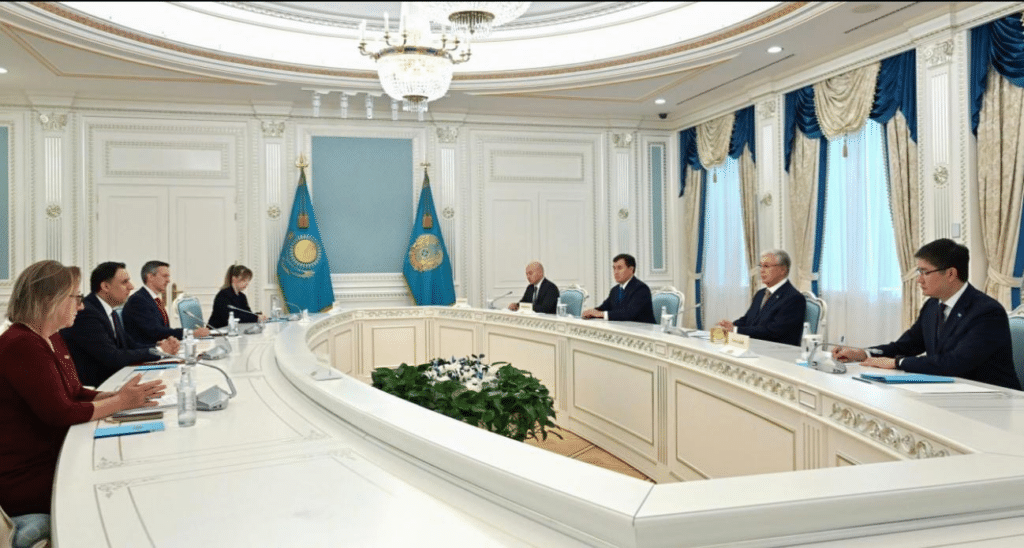
However, bilateral trade between the two nations remains relatively small, reaching $41.8 million in 2025. By comparison, according to data from Kazakhstan’s Ministry of Trade and Integration, trade between the largest Central Asian country and Serbia reached $107.7 million last year. Belgrade also has a considerably more established relationship with Kazakhstan than with Uzbekistan. Over the past two years alone, Vucic and Kazakhstan’s President, Kassym-Jomart Tokayev, have met at least three times, while various Serbian and Kazakh delegations have made frequent visits to each other’s capitals.
The balance, however, could soon begin to shift. During the Vucic- Mirziyoyev summit, the two delegations signed an agreement on labor mobility. In May, Danijel Igrec, Serbian Assistant Minister for Labor, said the Balkan country needs Uzbek workers, describing them as “exceptionally hardworking and respectful of the laws, culture and customs of the countries where they work.” Given that remittances account for approximately 15% of Uzbekistan’s gross domestic product (GDP), more Uzbek workers in Serbia could bring more money back to the country and benefit its economy.
“It is possible that Uzbekistan’s leadership sees Serbia as a potential gateway to the European Union for its labor migrants,” Branko Radun, a Belgrade-based political analyst and a close ally of Serbian President Vucic, told The Times of Central Asia, pointing out that the Balkan nation is facing labor shortages in some sectors.
It is not a secret that Tashkent is actively looking for new destinations for labor migration, especially since Russia – still a major destination for Uzbek workers – is proposing an overhaul of its foreign worker recruitment system in 2027. In Radun’s view, Moscow’s debacle in Ukraine, difficult economic situation and loss of influence in Central Asia are forcing former Soviet states, including Uzbekistan, to seek alternative partners.
Serbia, on the other hand, having spent years in the EU’s “eternal waiting room”, is gradually shifting its focus towards Central Asia. When Vucic paid his first official visit to Uzbekistan in October 2025, it was a clear indication that Belgrade was planning to deepen its engagement with Tashkent. But bringing its relationship with Uzbekistan to the level it has reached with Kazakhstan will take time, sustained political engagement and, above all, deeper economic cooperation.
Mirziyoyev’s visit and the 20 agreements signed in Belgrade are undoubtedly steps in that direction, suggesting that bilateral ties between Serbia and Uzbekistan, established in 1995, are entering a new phase.