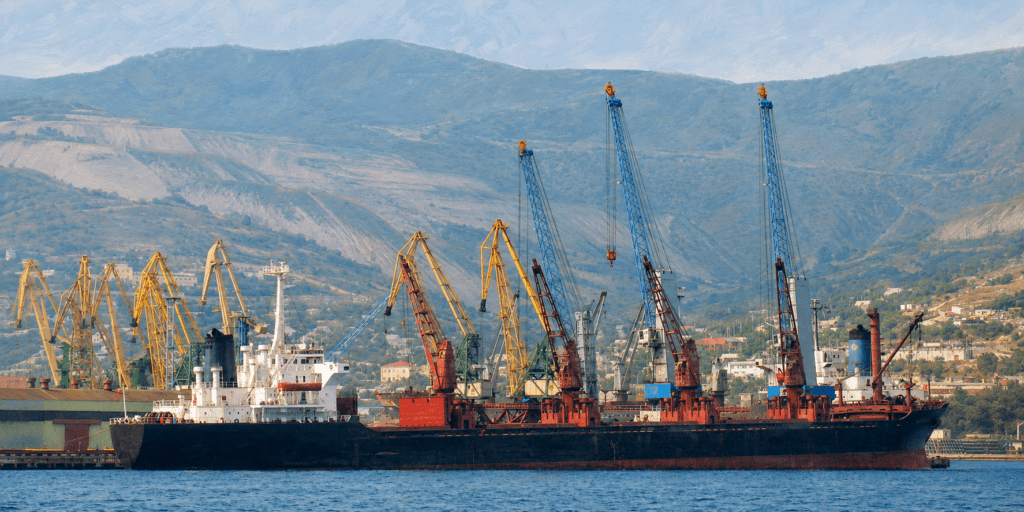
Kazakhstan is rapidly restructuring its oil export routes in response to disruptions affecting the Caspian Pipeline Consortium (CPC), a critical channel for the country’s crude shipments. To maintain export volumes and avoid production slowdowns, authorities have turned to alternative infrastructure.
According to a statement from KazMunayGas, the national oil company, approximately 300,000 tons of oil were rerouted in December 2025 after restrictions limited the CPC’s intake capacity. In coordination with KazTransOil JSC (KTO), the country redirected oil flows to other export corridors.
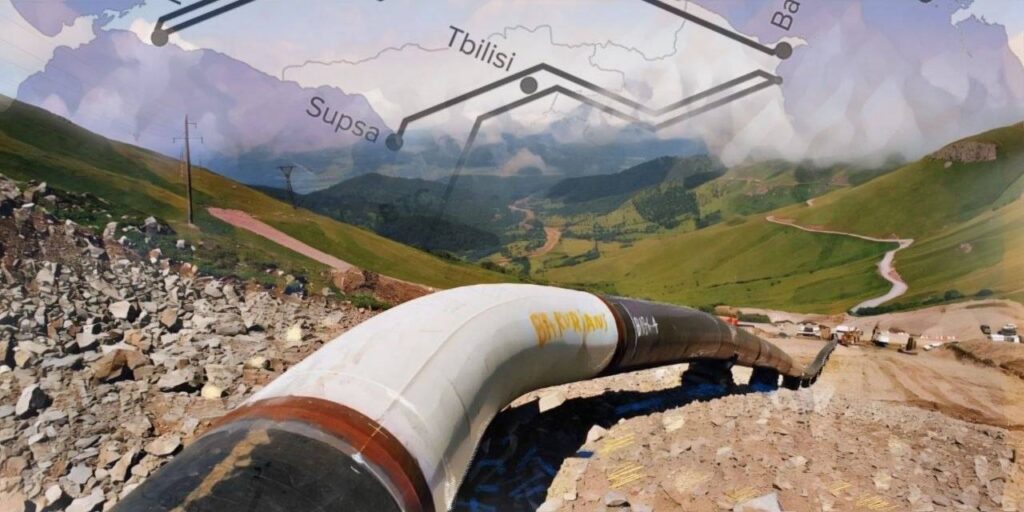
These rerouted volumes were exported to Germany, China, and via the Baku-Tbilisi-Ceyhan (BTC) pipeline, with shipments also handled through the ports of Novorossiysk and Ust-Luga. As CPC restrictions remained in place into January 2026, the redirection strategy continued.
Amid these challenges, Kazakhstan’s use of alternative routes gained momentum. KazMunayGas reported that oil deliveries to Germany’s Schwedt refinery totaled 2.1 million tons by the end of 2025, with projections indicating a rise to 2.5 million tons in 2026.
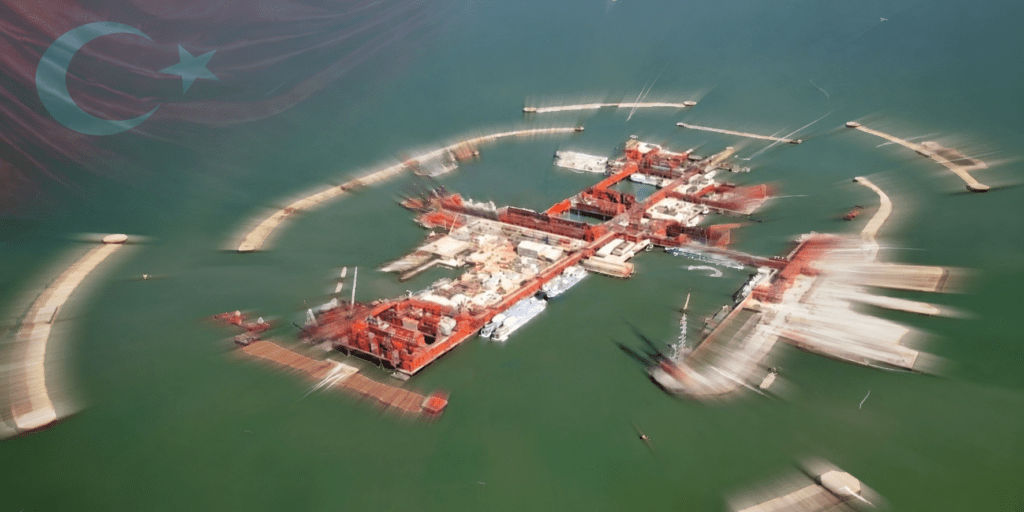
Exports through the port of Aktau to the BTC pipeline reached 1.3 million tons in 2025 and are expected to grow to 1.6 million tons this year. Shipments to China remained stable, with 1.1 million tons delivered by the end of 2025.
These developments reflect a gradual shift aimed at reducing Kazakhstan’s dependency on the CPC which has faced repeated operational setbacks.
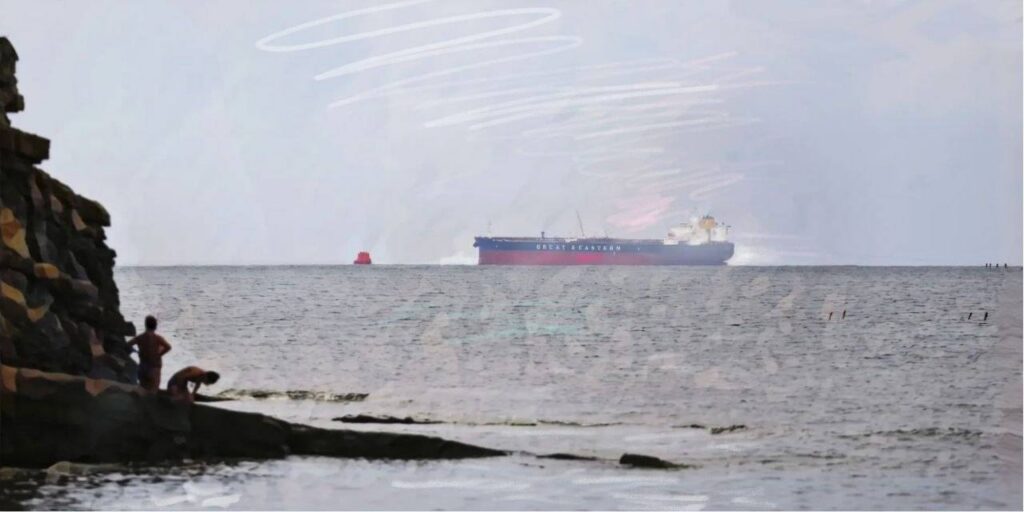
The CPC disruptions stem from a series of security incidents. In February and March 2025, the Kropotkinskaya station was targeted in drone attacks. On 29 November, a strike on the consortium’s remote mooring device caused damage to its marine terminal.
Following the November incident, Kazakhstan’s Ministry of Energy stated that the CPC pipeline is an international energy project and warned that “any forceful impact on its facilities poses direct risks to global energy security.”
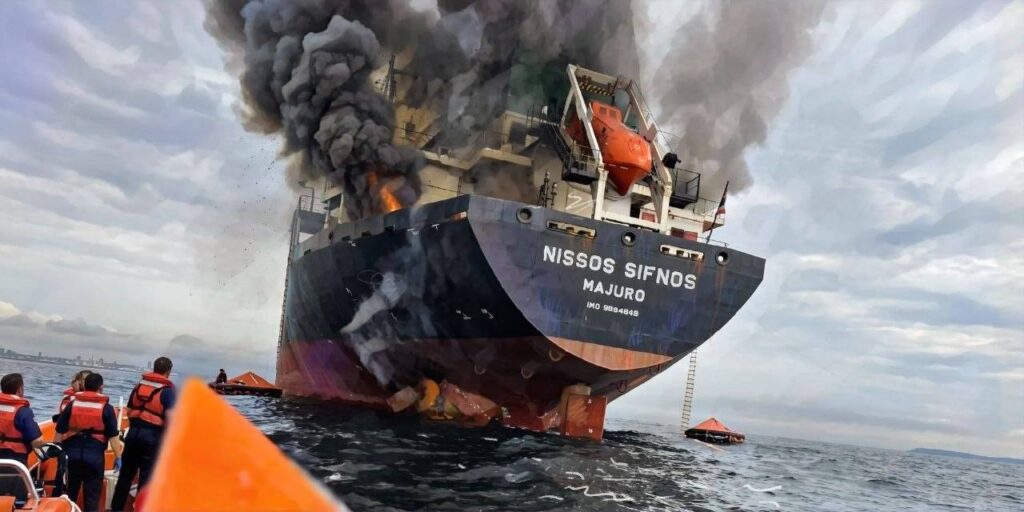
After another attack on 13 January 2026, when drones targeted three oil tankers near the CPC terminal in the Black Sea, the Ministry of Foreign Affairs issued a sharper response. In emergency consultations with European partners, the U.S., and other stakeholders, Kazakhstan called for reinforced protection of hydrocarbon transportation routes and maritime corridors, emphasizing the need for adherence to international law.