Kyrgyzstan has put a national climate adaptation plan through 2035 out for public consultation as shrinking glaciers and changing river flows threaten water supplies, agriculture, and hydropower. Published on September 3, the draft sets out measures including climate-risk mapping, better monitoring, and improved warning systems for droughts, floods, and mudflows. The risks extend beyond Kyrgyzstan, as rivers rising in its mountains feed water systems shared across Central Asia.
The draft National Adaptation Plan remains subject to public consultation and government approval. Its preliminary cost for 2026–2035 is estimated at 74.5 billion som, with more than half expected to come from international partners and climate funds.
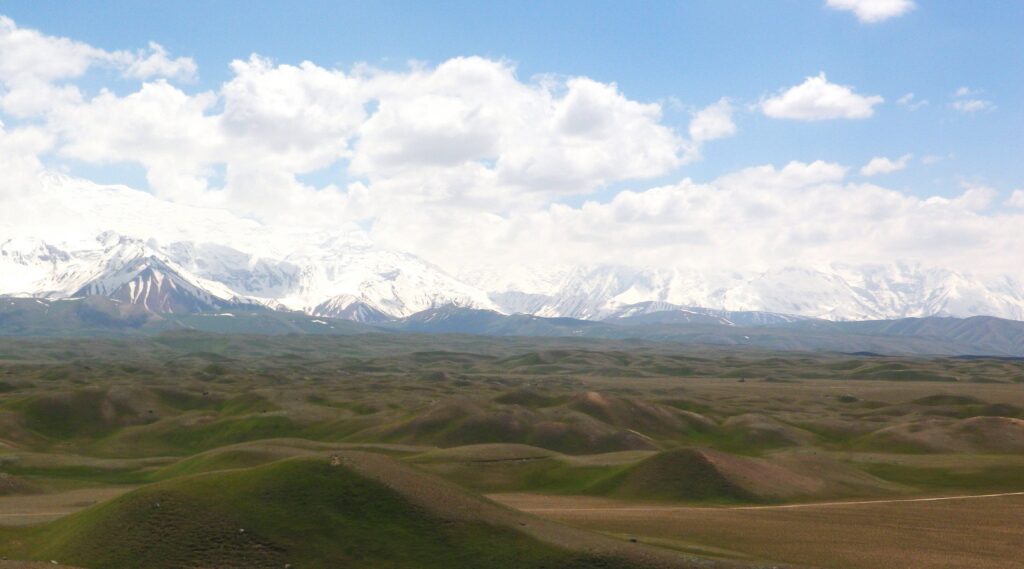
The effects of warming in Kyrgyzstan are already measurable. According to data presented with the plan, the average temperature increased by about 0.28°C per decade between 1981 and 2020. Since the beginning of the 21st century, the country’s glaciated area has shrunk by 16–17%. Even without additional warming, glacier volume could decline by more than another third by mid-century.
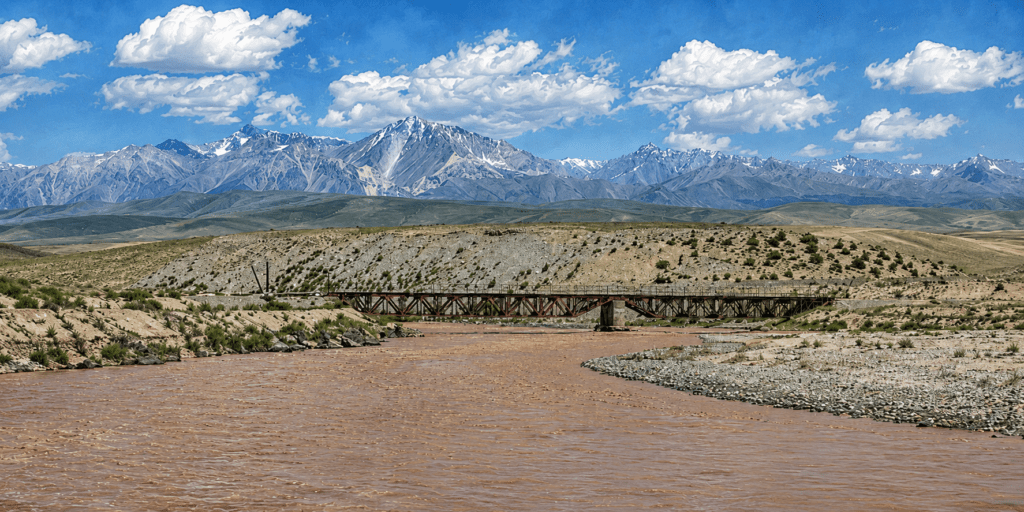
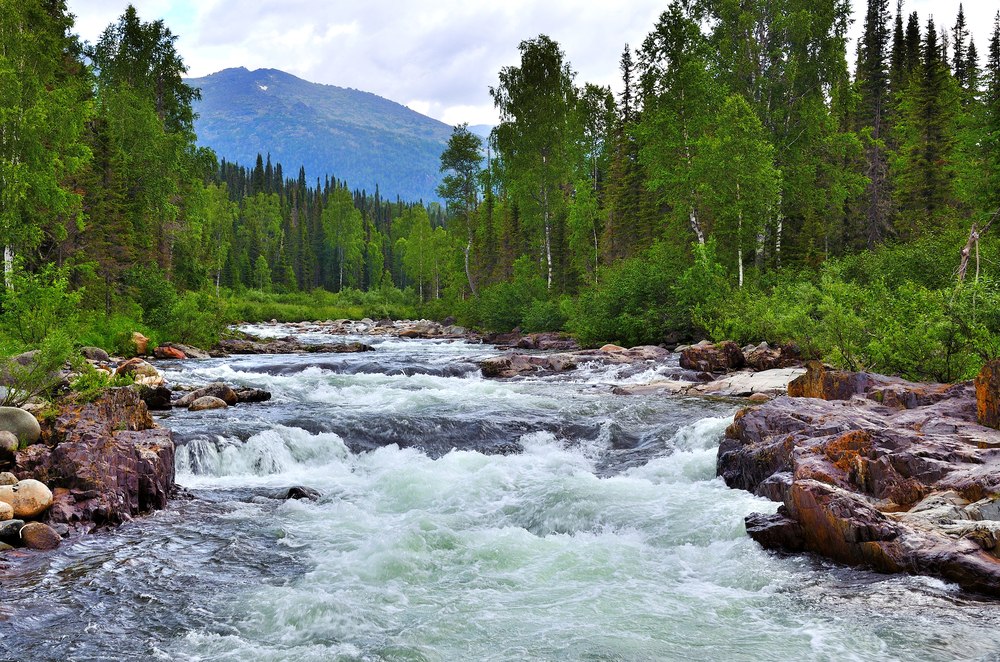
For Kyrgyzstan, this is primarily a water issue. Mountain rivers provide irrigation for farmland and power hydropower plants, which generate most of the country’s electricity. The changes are already affecting the traditional water cycle: peak runoff on the Naryn and Talas rivers has shifted, now occuring roughly 50 days earlier than it used to, complicating irrigation and hydropower planning.
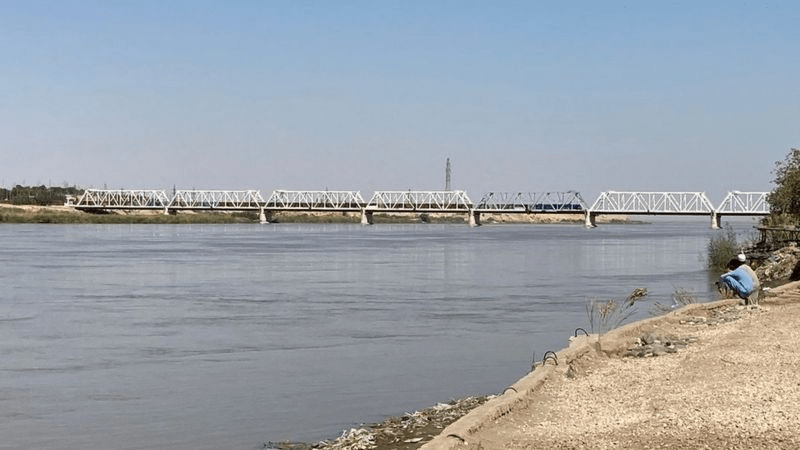
The consequences extend beyond Kyrgyzstan. Rivers originating in the Tien Shan are part of Central Asia’s shared water system, where water is needed both for upstream hydropower and for major agricultural areas downstream. As glaciers retreat, countries in the region are increasingly discussing joint monitoring and closer coordination of water use.
The economic cost is becoming increasingly apparent. The World Bank estimates that without adequate adaptation, Kyrgyzstan could lose 2–3% of real GDP by 2040. By mid-century, up to 24% of agricultural irrigation demand could go unmet, while an additional 170,000 people could be pushed into poverty by 2040.
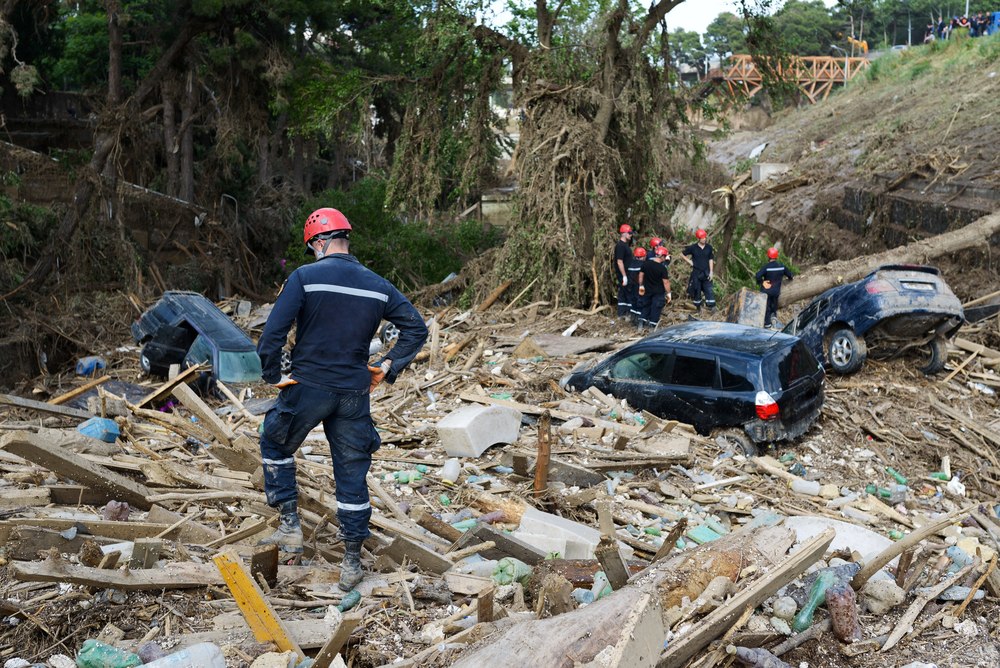
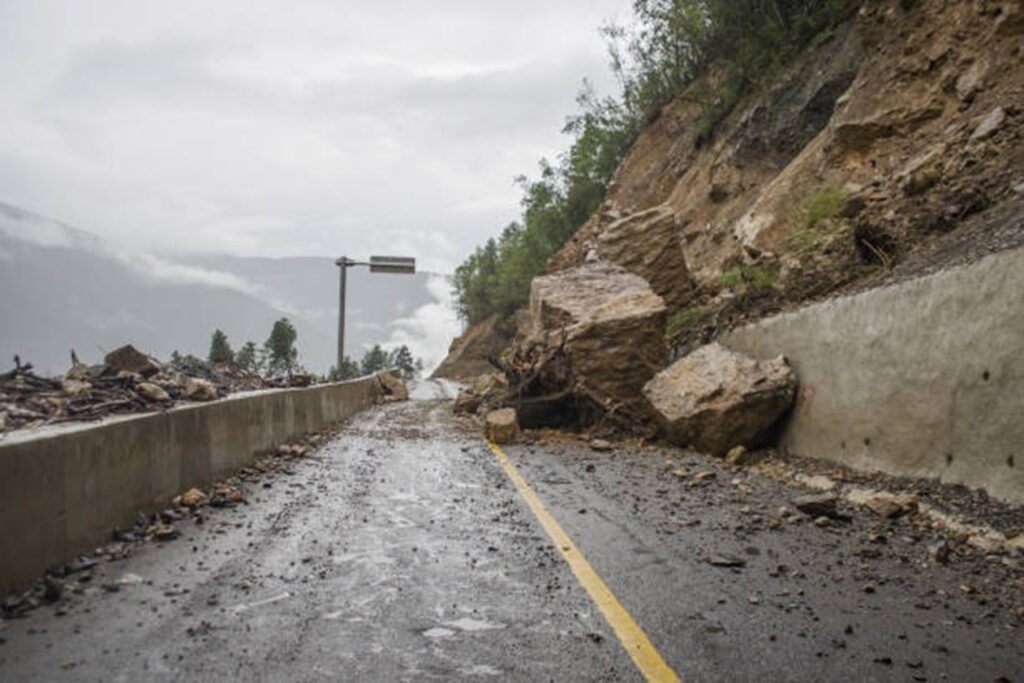
The problem is not limited to the gradual decline in water reserves. Warming also increases the risk of sudden natural disasters. In the northern Tien Shan, the number of glacial lakes has increased by about 30%, raising the risk of outburst floods and mudflows. Between 2015 and 2022, nearly one-third of the emergencies recorded in Kyrgyzstan were related to mudflows and floods.
The new plan is intended to put the management of such threats on a permanent footing. Bishkek plans to create a climate-risk map; improve forecasting of droughts, floods, and mudflows; modernize monitoring systems; and improve the collection and use of climate data.
Agriculture is another major focus. In 2024, about 26% of the water withdrawn from natural sources was lost during transportation. Authorities therefore view irrigation modernization and the wider adoption of technologies that can produce crops with less water as key adaptation measures.
The cost of such a transition is high for a small economy. The World Bank estimates that around $950 million in investment will be needed through 2050 to strengthen the resilience of water supplies, agriculture, and infrastructure. At the same time, the cost of adaptation is considerably lower than the potential damage from droughts, floods, landslides, and land degradation.
Bishkek expects international climate financing to cover part of the cost. The Green Climate Fund is currently involved in seven projects in Kyrgyzstan with total financing of around $149 million. These include regional programs aimed at strengthening water infrastructure and adapting territories stretching from glaciers to agricultural areas.
The National Adaptation Plan itself was also developed with support from the United Nations Development Programme and the Green Climate Fund. Work on it began several years ago and covers water resources, agriculture, energy, infrastructure, and the most vulnerable mountain areas.
Securing money for adaptation has also become part of Kyrgyzstan’s foreign policy. At the Climate Finance Summit in Istanbul on September 4–5, Dinara Kemelova, the president’s special representative for the mountain agenda, called for increased financing for developing countries and easier access to international climate funds. Bishkek has also proposed debt swaps for green projects as a way to channel resources into environmental and climate projects.
At the summit, Kyrgyzstan again promoted the idea of establishing a Global Center for Climate Resilience of Mountain Regions headquartered in Bishkek. The country is seeking greater attention from international donors to mountain states, where warming is simultaneously reducing water reserves and increasing the risk of natural disasters.
Kyrgyzstan is also raising the question of how adaptation costs should be shared within Central Asia. Bishkek has proposed that neighboring countries contribute to financing water infrastructure and glacier preservation because a significant share of the water originating in Kyrgyzstan’s mountains is used beyond its borders.