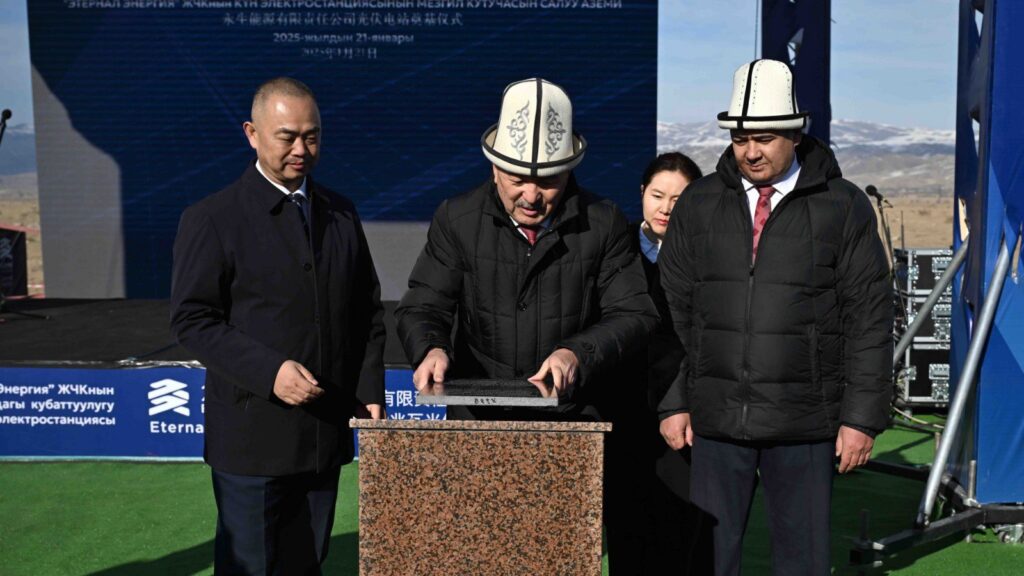
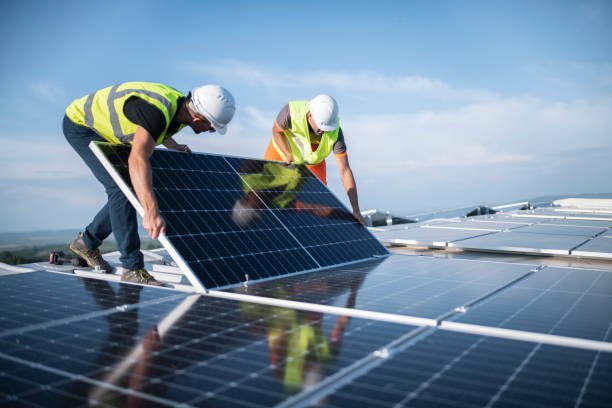
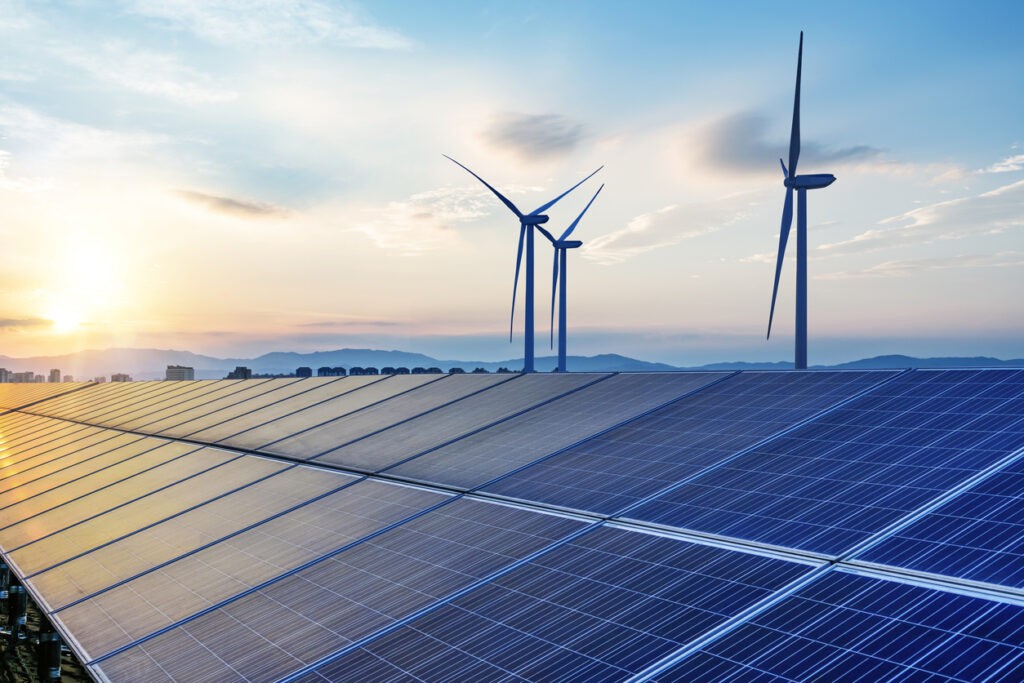
On December 24, Kyrgyzstan inaugurated its first solar power plant in the Kemin district of the Chui region, approximately 100 kilometers east of the capital, Bishkek.
The 100-megawatt facility was constructed with $56 million in Chinese investment and is expected to generate approximately 210 million kWh of clean electricity annually. According to government estimates, this output will reduce carbon dioxide emissions by 120,000 tons per year.
Speaking at the launch ceremony, President Sadyr Japarov described the project as one of the largest foreign investments in Kyrgyzstan’s renewable energy sector to date. He said the plant signals a new phase in the country’s energy transition and its commitment to sustainable development.
“The opening of the solar power plant marks the beginning of an important stage in strengthening our country’s energy independence and developing renewable energy sources,” Japarov said. “We now recognize that without the active development of renewables, it is impossible to fully ensure stable electricity supplies for both the population and economic sectors.”
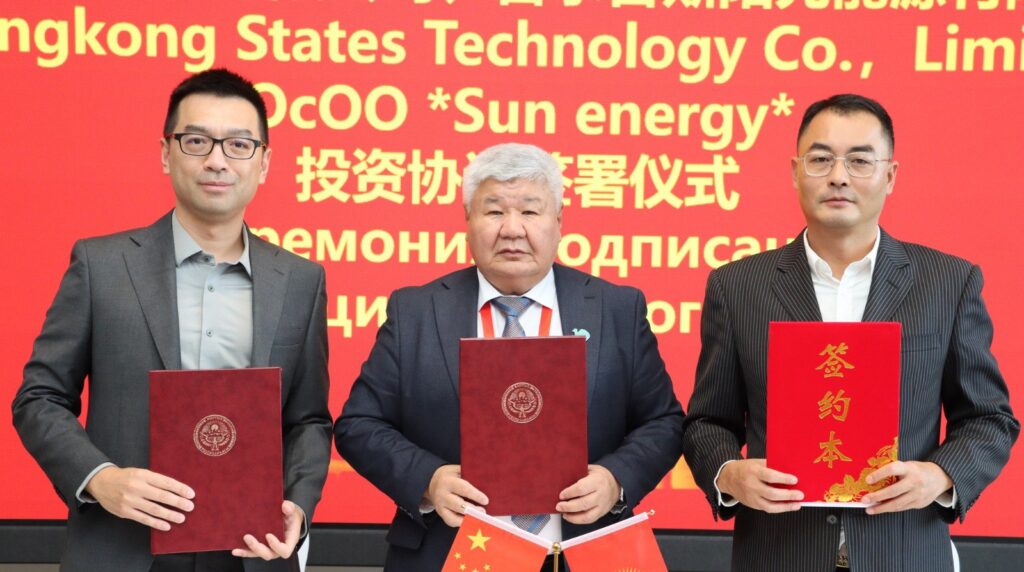
Japarov added that the Cabinet of Ministers has signed 12 agreements with investors to build solar and wind power facilities with a combined capacity of over 5 gigawatts.
The solar plant is part of a broader development plan for the Kemin area and the wider Chui region, including the creation of an environmentally sustainable urban center, Kemin City. In January 2025, Japarov signed a decree allocating 353 hectares for the project, which aims to provide modern housing, reduce outward migration, and retain local skilled labor.
Located about 95 kilometers from Bishkek, Kemin and the nearby town of Orlovka were once industrial hubs during the Soviet era. The collapse of the USSR led to the closure of many enterprises, triggering significant out-migration. The development of Kemin City and supporting infrastructure is intended to reverse these trends and revitalize the local economy.
Also on December 24, President Japarov visited the construction site of a major cement plant in the Kemin district, another project backed by Chinese investment. Scheduled to be commissioned in 2027, the facility is expected to produce 3,200 tons of clinker per day.
The project will create more than 300 jobs during the construction phase and over 500 permanent positions once fully operational.
Japarov emphasized the strategic importance of the plant for the region’s socioeconomic development and instructed government agencies to provide full support to the project’s investor.