Central Asia is no longer a distant frontier for global geopolitics. It is developing into a central arena of competition for critical minerals, supply chains, and industrial power, where minerals are no longer simple commodities but have instead become key components of contemporary statecraft.
In essence, this transformation highlights a recognition in Washington and other capitals that critical mineral supply chains are fundamental to next-generation energy systems, the development of artificial intelligence (AI), and strategic defense capabilities. Even as the global economy is multipolar, critical mineral supply chains remain highly concentrated and dominated by China.
Control of rare earths is increasingly geopolitical, with clear economic, political, and security consequences. The significance of that imbalance is now shaping U.S. foreign policy, Central Asia’s development strategies, and the future of global economics.
China’s Strategy: Control the Chain, Not Just the Mine
Though many years in the making, China’s critical minerals strategy is still often misunderstood as focused primarily on resource access. However, Beijing’s efforts are far broader and more effective. Not only securing raw materials, the Chinese leadership has also worked to control the entire supply chain—from extraction to processing, refining, and manufacturing.
China’s long-term focus and investments began in the 1980s with efforts that culminated in the Made in China 2025 plan for national and overseas manufacturing. In 2023 alone, Chinese firms invested more than $120 billion in overseas mining and processing, targeting key elements used in energy supply chains. Beijing also fed its industrial base by providing over $220 billion for the production of electric vehicles, batteries, and renewable infrastructure.
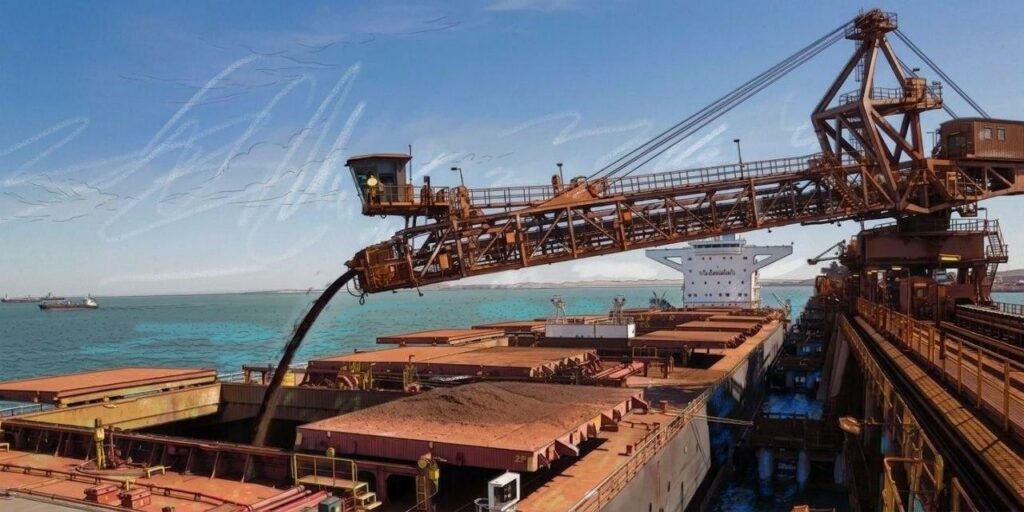
As a result, China now controls approximately 60% of lithium processing, more than 70% of cobalt refining, and over 90% of battery material manufacturing. Strategically, China controls roughly 90% of global rare earth refining and associated technologies. Early investments in supplies enabled Beijing to subsequently concentrate funds into refining capacity to feed its industrial sector. This integrated approach has shifted the power dynamic for global supply chains tied to the critical minerals economy.
As evidenced by Beijing’s near monopoly on processing, market control is not just associated with geological supplies but with processing capacity. China’s willingness to weaponize access not only to rare earths but also to processing technology demonstrates Beijing’s market muscle.
This distinction is critical. Rare earth elements are not inherently scarce, but they are rarely found in concentrated deposits, making them difficult to extract and refine. Over decades, Beijing developed unique refining capabilities and subsidized an industrial base that disincentivized competition and encouraged processing to shift to China.
The Vicious Circle
Prohibitive investment costs, long development timelines, and market volatility have discouraged Western investment in alternative supply chains. Each stage (mining, processing, refining, manufacturing) is interdependent: miners won’t invest without buyers and offtake agreements, processors and refiners need secure financing and stable mineral supply, and manufacturers need steady inputs. Such interdependence creates an investment standoff and heightens perceptions of risk.
By integrating all stages, Beijing exerts influence across global markets, from pricing to production. This has conditioned global markets to depend upon Chinese materials and standards. To build competing systems requires substantial up-front capital and long-time horizons, which together can pose significant deterrents to investment.
While some countries are seeking to break out of this vicious cycle of dependency, China is also adapting to compensate. Through the Belt and Road Initiative (BRI), Beijing is advancing loan and infrastructure projects in exchange for expanding into offshore processing partnerships tied to long-term offtake agreements. This secures Beijing stable supplies for its industries, but also extends its influence across global markets.
The U.S. Shifts to Being a Strategic Actor
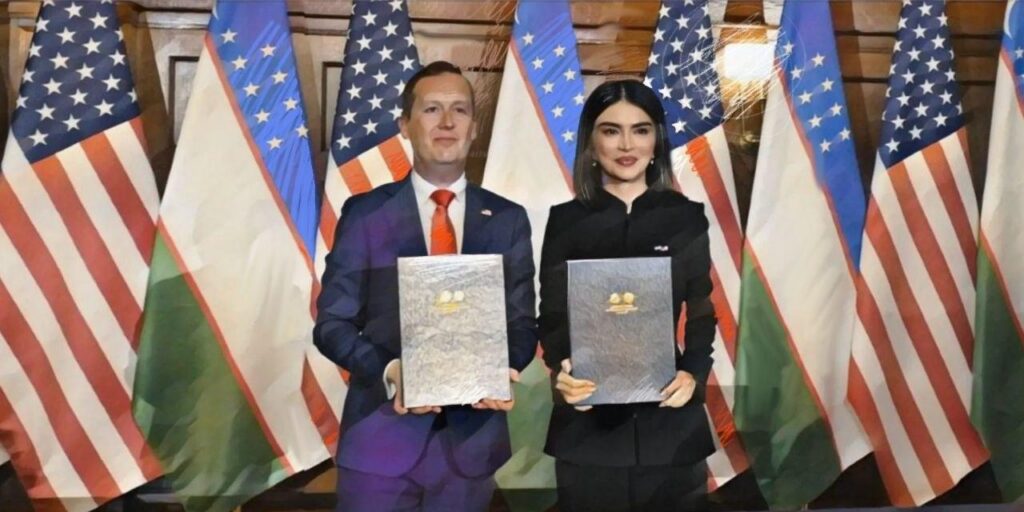
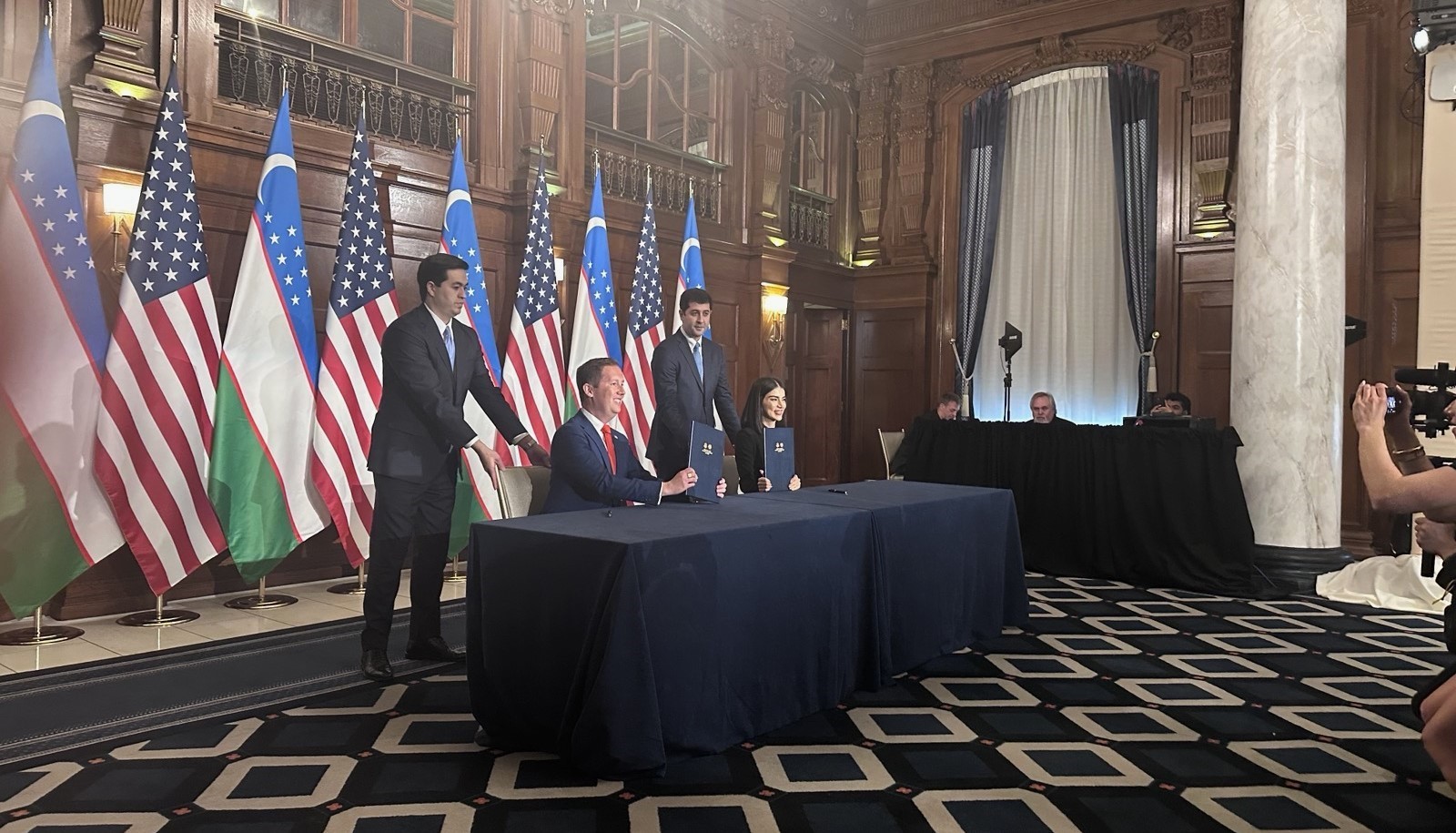
The United States has been slow to respond, but this is changing. Critical minerals are now a national security priority. Initiatives such as Project Vault, the Critical Minerals Ministerial, and the FORGE framework represent a strategic shift. These are not simply funding efforts but strategic attempts to build U.S. resilience while disrupting and restructuring the global mineral market away from China’s unchecked dominance.
Project Vault, a $12 billion public–private initiative, is designed as a strategic reserve to stabilize demand and support investment. Building off the 1939 U.S. National Defense Stockpile initiative, Project Vault goes beyond defense to protect broader U.S. industrial needs, using price floors and trade mechanisms to reduce volatility and encourage private investment.
FORGE represents a broader ambition of building a parallel supply chain among trusted partners with aligned policies and access. Elevating multilateral economic cooperation, this new market would create a trusted trading system outside of China’s orbit.
However, out of the new and expanded list of 60 critical minerals identified by the U.S. Geological Survey, the United States is completely “import-reliant” on 11 of these minerals and rare earth elements. Of the remaining minerals needed by U.S. industries, many depend upon foreign sources for more than half of their supply. Overall, China remains the central supplier.
With so high a level of dependence comes acute vulnerability. U.S. supply chains are exposed not only to market fluctuations but to geopolitical leverage. China’s 2025 imposition of export controls on rare earth elements (germanium and gallium) in retaliation for U.S. semiconductor restrictions is a prime example of how effectively such leverage can be deployed.
Central Asia: From Frontier to Strategic Market
Central Asia is gaining prominence in this context. Long viewed as a frontier zone under Russian and Chinese influence, the region is now emerging as an independent and strategic market with scale and growth potential. The region’s fundamentals are strong: over 7% GDP growth, significant foreign investment, and a young population of 80 million. It also possesses major reserves of rare earths and critical minerals, producing 50% of global uranium along with significant gold and copper.
Historically, infrastructure tied the region to exporting raw materials to China and Russia. China’s BRI investments further incentivized these transfers through large-scale infrastructure projects that promised transformative benefits. But sales and shipments of cheap raw ore from Central Asia to China for refining and processing only netted significant added value for Beijing.
Central Asian governments are now seeking to change the equation. They aim to capture more value at home while foreign backers get secure, off-take supplies at better prices than from Beijing. This shift reflects both a newfound economic ambition and geopolitical awareness.
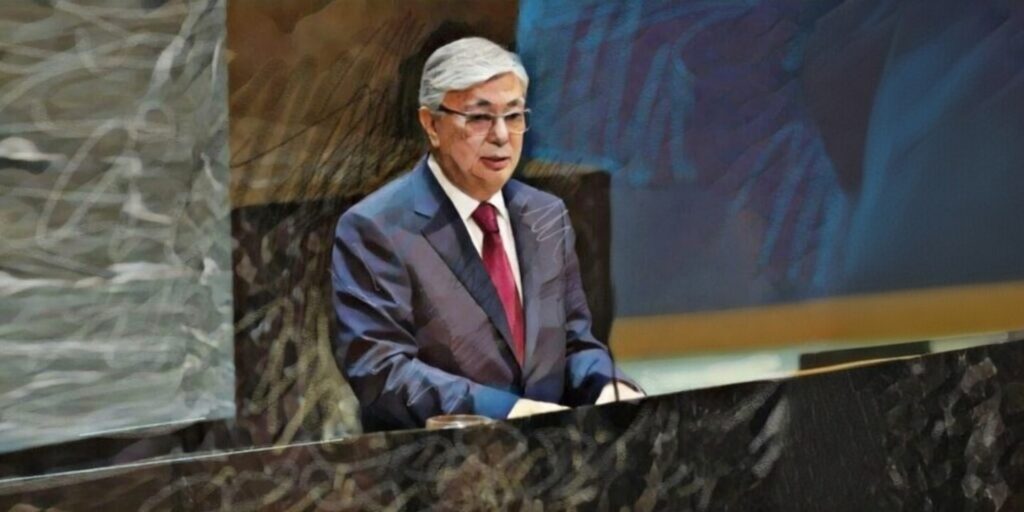
Leaders across the region emphasize diversification and multi-vector partnerships. Noting that Astana is working with U.S. partners on major mineral projects, Kazakhstan’s President Kassym-Jomart Tokayev implies that critical minerals are not just a resource, but a pathway to economic development and geopolitical agency.
The Missing Ingredient: Long-Term Capital
Despite momentum, a key constraint remains—lack of capital. Western investment has been limited and inconsistent, while mining and processing projects require decades of commitment. Many Central Asian deposits have already been located, but developing a major mining project can still take decades from inception to production. Processing and refining require additional capital and technology.
Political cycles further complicate investment. While projects require long-term commitments, policy and political cycles are often much shorter. China has filled this gap, offering long-term project financing and development packages that sometimes created a significant debt burden for the Central Asians, which enabled Beijing to lock down mineral resources and export networks.
Central Asian governments are increasingly seeking to diversify partnerships and regain autonomy and agency in managing their relations. To reverse China’s existing supply chain and export advantages, sustained Western engagement (financial, diplomatic, and institutional) will be needed to compete.
Wars and the New Geopolitical Geography
Recent geopolitical developments are accelerating Central Asia’s importance. The war in Ukraine has catalyzed the development of the Middle Corridor, a transport route linking Asia and Europe while bypassing Russia. At the same time, instability in the Middle East has exposed vulnerabilities in maritime routes such as the Strait of Hormuz. Overland transport, especially rail, is gaining further importance as a result.
Central Asia sits at the intersection of these shifts—as both a resource base and a transit hub. Freight along the Middle Corridor has increased fivefold in seven years. Kazakhstan has expanded oil output and refining capacity in response to global disruptions.
This convergence enhances the region’s strategic value. It is not only what Central Asia produces, but how those resources reach global markets. The Middle Corridor is evolving from a convenience to a necessity, representing a resilient routing that provides vital economic flexibility, redundancy, and risk reduction for Central Asia.
The Next Phase of Competition
Power in today’s global economy is evolving. Critical minerals are now central to industrial capacity, technological leadership, and geopolitical influence. China’s dominance reflects decades of sustained strategy and investment. Building alternatives will require a similar commitment. The United States must move from recognition to execution by developing long-term frameworks that endure beyond political cycles.
Central Asia presents a rare and timely opportunity combining resource abundance with growing economic dynamism and a desire for diversifying its partnerships. Plus, the region is seeking to move beyond extraction toward value creation. Yet the window for competitors to enter is narrowing as China expands its integrated supply chain model and raises barriers.
Western policymakers have begun to recognize that the competition over critical minerals is not just about output, but about who controls supply chains and industrial systems. Recent rare earth export restrictions, sanctions, and war-related disturbances highlight the core reality that supply chains must be built before crises emerge and not in response to disruption.
Mines and associated processing capabilities take decades to develop. For the United States and its partners, the imperative is to move beyond discussion to implementation. Capital needs to be mobilized, policies aligned, and institutional frameworks that enhance resilience need to be built. For Central Asia, the opportunity is transformative. By building value chains and leveraging geography, it can move from the periphery to the center of global markets.
The stakes extend far beyond economics. Control over critical mineral supply chains may help define not only patterns of trade and production but also the balance of power in the 21st century.
The views expressed in this article are those of the author and do not necessarily reflect the official policy or position of the publication, its affiliates, or any other organizations mentioned.