• KGS/USD = 0.01144 0%
  • KZT/USD = 0.00212 0%
  • TJS/USD = 0.10456 0.19%
  • UZS/USD = 0.00008 0%
  • TMT/USD = 0.28490 0%
  • KGS/USD = 0.01144 0%
  • KZT/USD = 0.00212 0%
  • TJS/USD = 0.10456 0.19%
  • UZS/USD = 0.00008 0%
  • TMT/USD = 0.28490 0%
  • KGS/USD = 0.01144 0%
  • KZT/USD = 0.00212 0%
  • TJS/USD = 0.10456 0.19%
  • UZS/USD = 0.00008 0%
  • TMT/USD = 0.28490 0%
  • KGS/USD = 0.01144 0%
  • KZT/USD = 0.00212 0%
  • TJS/USD = 0.10456 0.19%
  • UZS/USD = 0.00008 0%
  • TMT/USD = 0.28490 0%
  • KGS/USD = 0.01144 0%
  • KZT/USD = 0.00212 0%
  • TJS/USD = 0.10456 0.19%
  • UZS/USD = 0.00008 0%
  • TMT/USD = 0.28490 0%
  • KGS/USD = 0.01144 0%
  • KZT/USD = 0.00212 0%
  • TJS/USD = 0.10456 0.19%
  • UZS/USD = 0.00008 0%
  • TMT/USD = 0.28490 0%
  • KGS/USD = 0.01144 0%
  • KZT/USD = 0.00212 0%
  • TJS/USD = 0.10456 0.19%
  • UZS/USD = 0.00008 0%
  • TMT/USD = 0.28490 0%
  • KGS/USD = 0.01144 0%
  • KZT/USD = 0.00212 0%
  • TJS/USD = 0.10456 0.19%
  • UZS/USD = 0.00008 0%
  • TMT/USD = 0.28490 0%

Kyrgyzstan Moves to Address Falling Water Levels in Lake Issyk-Kul

Kyrgyzstan is stepping up efforts to combat the declining water level of Lake Issyk-Kul, a critical ecological and economic resource, as the effects of climate change intensify. Deputy Prime Minister and Minister of Water Resources Bakyt Torobaev raised the issue at a government meeting this week, highlighting a combination of shrinking glaciers, reduced precipitation, and inefficient water use, particularly in agriculture, as key contributing factors.

Lake Issyk-Kul, located in northeastern Kyrgyzstan, is the country’s largest lake and a vital component of the regional climate system. It also supports biodiversity and tourism. Torobaev warned that the continued decline in water levels could have far-reaching environmental, economic, and social consequences.

Strategic Measures to Stabilize the Lake

To address the crisis, Torobaev proposed a set of comprehensive interventions requiring cooperation between government agencies, scientists, local communities, and civil society. Key initiatives include:

  • Modernizing irrigation systems and introducing water-saving technologies;
  • Expanding green areas across the Issyk-Kul region;
  • Enhancing research on glaciers and water resources;
  • Developing long-term climate adaptation strategies.

As previously reported by The Times of Central Asia, water diversion for agricultural irrigation, particularly outside the lake basin, was identified by experts at the 2024 National Water Forum as one of the primary threats to Issyk-Kul’s sustainability.

Government Investment and Monitoring

In response, the Kyrgyz government has pledged $392 million toward efforts to stabilize the lake’s water level. This includes $200 million dedicated to installing modern irrigation systems across 100,000 hectares of farmland. An additional investment will fund the deployment of 2,200 automated sensors to monitor water consumption in real time.

Authorities expect these measures to return up to 200 million cubic meters of water to the lake, helping to mitigate the decline and protect Issyk-Kul’s long-term ecological balance.

Kyrgyzstan Sets New Summer Electricity Consumption Record

Kyrgyzstan has recorded a new peak in daily electricity consumption during the summer season, reaching 44.1 million kilowatt-hours (kWh) in a single day, according to the National Electric Grid of Kyrgyzstan (NEGK).

This marks a 22% increase compared to the same period in 2024, when the maximum daily load stood at 36 million kWh. The surge is largely attributed to an extended heatwave, with temperatures in major cities exceeding 40°C, prompting heavy use of air conditioners and cooling systems.

The NEGK also reported a steady rise in electricity consumers, with an estimated 30,000 new subscribers joining the grid annually. This trend is fueled by Kyrgyzstan’s ongoing construction boom, which includes the development of residential complexes and industrial sites, sectors that have become pillars of the national economy.

Despite the strain, the power grid remains stable. “We urge citizens to use electricity sparingly. Rational resource use contributes to the reliable operation of the energy system,” the company stated in a public advisory. Residents were also encouraged to unplug unused appliances to conserve energy.

Summer Surplus, Winter Strain

Unlike the winter months, Kyrgyzstan typically enjoys a surplus of electricity in summer due to the seasonal melting of glaciers, which boosts hydroelectric output. The country is preparing to participate in the CASA-1000 project alongside Tajikistan, aiming to export surplus electricity to Pakistan via Afghanistan. These exports will be limited to the summer, as Kyrgyzstan faces significant energy shortages in winter.

According to the National Energy and Power System Company, winter electricity demand can reach 80 million kWh per day, placing substations under considerable stress. To mitigate shortages and prevent rolling blackouts, Kyrgyzstan imports electricity from Kazakhstan and Russia, and under contracts with Turkmenistan and Uzbekistan.

The country’s energy reserve capacity is shrinking due to increasing demand. In response, the Ministry of Energy is investing in network expansion and voltage stabilization. In 2024, five 110 kV substations were constructed. In 2025, two additional major facilities are slated to open in the Issyk-Kul and Batken regions, each with a capacity of 500 kWh.

Kyrgyzstan Tops EAEU in Construction Growth Despite Labor Woes

Kyrgyzstan recorded the highest growth in construction activity among member states of the Eurasian Economic Union (EAEU) during the first half of 2025, according to data published by the Eurasian Economic Commission (EEC).

Infrastructure Boom Drives Expansion

Between January and May 2025, construction volumes in Kyrgyzstan nearly doubled compared to the same period in 2024. Last year, the sector had already grown by 38% year-on-year.

Armenia followed with a growth rate of 29%, while Kazakhstan, Belarus, and Russia posted more modest increases of 15.4%, 12.3%, and 5.5% respectively. Across the EAEU, construction grew by an average of 6.8%.

The primary drivers of Kyrgyzstan’s construction boom include extensive state and private investment in housing, infrastructure, and industrial development. The government has focused on building hydroelectric power plants, residential complexes, and administrative buildings. Notably, the state mortgage program offers housing loans at 4-8% interest rates, well below market levels.

From January to April 2025, the Cabinet of Ministers allocated nearly $500 million toward housing projects, supplemented by $77 million in equity financing. To help stabilize construction costs, the government also classified cement as a socially significant good, subject to price controls.

According to The Times of Central Asia, investment in housing, infrastructure, and social facilities rose by 62% year-on-year during the first four months of 2025, reaching approximately $800 million, the highest figure in recent years. The construction sector contributed an estimated 3% to Kyrgyzstan’s GDP growth in the first half of the year.

Quality and Labor Concerns Persist

Despite these achievements, concerns are growing over construction quality and labor shortages. Residents in major cities report poorly planned developments that lack supporting infrastructure, including roads and essential utilities such as water and electricity.

Speaking to The Times of Central Asia, construction auditor Bakhtiar Kasymaliyev highlighted critical challenges in project execution. “We have serious problems with quality and professionalism,” he said. “There is a shortage of skilled concrete workers and bricklayers. They are in high demand. As a temporary solution, companies are bringing in labor from Pakistan, India, and Egypt, but most of them are unskilled. To improve quality, we need to attract qualified specialists from abroad.”

According to Kasymaliyev, the labor shortage is already impacting project timelines and structural integrity, raising red flags amid the sector’s rapid expansion.

Turkish Safi Holding Eyes Sugar Factory Investment in Kazakhstan

Turkish industrial conglomerate Safi Holding has expressed interest in developing a high-tech sugar processing facility in Kazakhstan, according to the country’s Ministry of Agriculture.

The announcement followed a meeting between Agriculture Minister Aidarbek Saparov and Safi Holding CEO Safi Atakan. The two sides discussed the proposed plant’s specifications, which include the capacity to process up to 1 million tons of sugar beets annually and produce approximately 140,000 tons of sugar. The estimated investment ranges from $150 million to $200 million.

Potential sites for the factory are currently under consideration. According to the ministry, the key criteria for site selection include the availability of arable land for beet cultivation and proximity to necessary infrastructure.

Safi Atakan praised Kazakhstan’s agro-industrial potential, particularly in sugar production. “Kazakhstan presents favorable conditions for expanding sugar processing operations,” he noted.

A similar initiative is underway by UAE-based Al Khaleej Sugar, one of the world’s largest sugar producers, which is planning a plant in southern Kazakhstan.

Industry Gaps and Import Dependence

Kazakhstan’s sugar sector is currently under strain due to limited processing capacity. There are four sugar factories in operation: AksuKant (Taldykorgan district), Koksu Sugar Factory (Almaty region), and the Merken and Taraz factories in the Zhambyl region. Of these, three process locally grown sugar beets, while the facility in Taraz handles imported cane sugar.

Despite a record harvest of 1.2 million tons of sugar beets in 2024, only about 700,000 tons were processed, exposing significant inefficiencies in the processing chain.

In 2023, Kazakhstan produced 243,000 tons of sugar, less than half of its domestic demand. The remainder was imported, primarily from Russia. However, reliance on imports has proven volatile. In the summer of 2022, Russia’s temporary export ban led to a spike in domestic sugar prices. In response, the Kazakh government imposed seasonal export restrictions, which have been extended through 2025, to stabilize local markets.

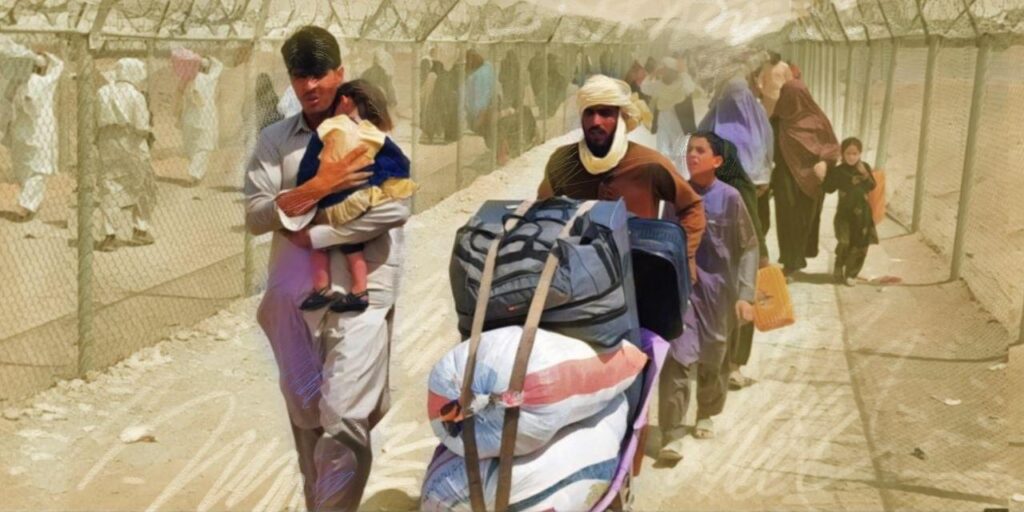
Tajikistan Escalates Deportations of Afghan Refugees Amid Growing Concerns

Afghans who fled to Tajikistan are keeping a low profile lately.

Tajik authorities have started the latest wave of deportations, and this one looks to be bigger than the previous sweeps.

“You Have 15 Days”

At the beginning of July, Afghan refugees and asylum-seekers in Tajikistan received an SMS warning them to leave the country within 15 days or else they would be forcibly deported. Tajikistan’s government has not commented on these messages, but the detention of Afghans started not long after the messages were sent.

So far, the only two places mentioned where Afghans were being apprehended were the Rudaki district outside of Dushanbe and the town of Vahdat, 26 kilometers from Dushanbe. Hundreds of Afghan refugees are known to be living in these two areas.

Radio Free Europe/Radio Liberty’s Tajik Service, known locally as Ozodi, reported that journalists who went to the houses of Afghan refugees in Vahdat were stopped and turned away by men in military uniforms outside the homes. Some Afghan refugees in Vahdat spoke with Ozodi under the condition of anonymity and said that on July 15, several vans arrived and took away “dozens” of Afghan men, women, and children.

One said Afghan refugees are staying inside their homes, fearing that if they go out, they will be detained and deported. Police “take the documents from Afghans and set a date for them to leave the country,” the refugee said, “For more than 20 days we have practically not stepped outside at all.”

Local Tajiks confirmed that Afghans were being taken away and that many of those who remained were searching for new places to live to avoid being apprehended.

The Tajik authorities did not say anything about the deportations until July 19, when the state news agency Khovar posted a text from the Press Center of the Border Troops of the State Committee for National Security. The statement said some “foreign citizens” had entered Tajikistan illegally, and a “certain number” of them engaged in illegal activities such as “narcotics trafficking, [spreading] the ideas of extremist movements,” or providing false information or documents to acquire refugee status.

The office of the UN High Commissioner for Refugees (UNHCR) said that as of the end of 2024, there were 9,902 Afghan refugees registered in Tajikistan. However, Afghans have been fleeing their homeland and coming to Tajikistan for many years, and some estimates for the number of Afghans in Tajikistan run as high as 13,000.

Something else which remains unclear about the Afghan refugees in Tajikistan is how many are ethnic Tajiks. Ostensibly, most of them could be since the ethnic Tajik population of Afghanistan is mainly found in areas adjacent to Tajikistan. Many who came to Tajikistan 10 or 15 years ago have assimilated and are likely not refugees or asylum seekers, but may not have obtained Tajik citizenship.

It is unclear how many Afghan citizens have been detained and deported since the start of July, but they are just the latest to be sent back to Afghanistan in recent years.

Earlier Waves of Deportations

On August 25, 2022, the UNHCR raised “grave concerns over the continued detention and deportations of Afghan refugees in Tajikistan.” The UNHCR said that on August 23, Tajik authorities sent five Afghan families back across the border. By September 6, the number of Afghans deported had reached 85. The UNHCR’s Director of International Protection, Elizabeth Tan, called at the time for Tajikistan to “stop detaining and deporting refugees, an action that clearly puts lives at risk.”

During the first week of December 2024, the Tajik authorities deported at least 56 more Afghans, most from the Rudaki district and Vahdat. The UNHCR again appealed to the Tajik government to halt deportations, noting it was “the third documented incident of forcible returns to Afghanistan since October 2024.”

In January 2025, the UNHCR said that at least 80 Afghans had been deported during the last month of 2024.

Grim Future, Forgotten Past

The UNHCR, rights groups, and others have pointed out that some of those being deported are employees or military personnel from the ousted Afghan government who could face ill-treatment and possibly execution back in Afghanistan.

As the government of former Afghan President Ashraf Ghani was falling in mid-August 2021, as many as 18 Afghan aircraft flew to Tajikistan with government officials, soldiers, and their families aboard. Some later departed Tajikistan for third countries, but many of those who escaped Afghanistan in August 2021 remained in Tajikistan.

Even for those who are not former government employees or soldiers, returning to Afghanistan is a journey into hunger and poverty.

Afghanistan has been unable to feed the people who remained in the country after the change in power. In 2024, the UN Development Programme said that 85% of Afghanistan’s people live on less than a dollar a day. In June 2025, the World Food Program stated that 15 million of Afghanistan’s roughly 40 million people face severe hunger.

In the first six months of 2025, Iran deported some 1.5 million Afghans back to Afghanistan, 410,000 of them since the end of the Israeli-Iran war in June. During the same period, Pakistan deported more than 300,000 Afghans. Every returning citizen places further strain on already insufficient food supplies, and few if any of those being deported are likely to find gainful employment. And Iran and Pakistan have better relations with the Taliban-run government in Afghanistan than Tajikistan does.

The Tajik authorities still view the Taliban as a threat, and Tajikistan is the only immediate neighbor of Afghanistan that has not established a dialogue with the Taliban government. The Afghan embassy in Dushanbe is still staffed by personnel from the ousted regime of Ashraf Ghani. Those being returned from Tajikistan could face a particularly bleak reception back home.

The Tajik border guards’ July 19 statement about deporting Afghans started with the words, “Due to the difficult political and economic situation in the region and the world, there has been an increase in the migration of foreign citizens to our country.”

The bitter irony is that some 30 years ago, the situation was the reverse. During Tajikistan’s civil war from 1992-1997, hundreds of thousands of people from Tajikistan fled the country. The June 1997 Tajik Peace Accord ended the war, and the repatriation of Tajik refugees started.

Russia’s border guards kept watch on the Tajik-Afghan frontier until 2005. They oversaw the return of Tajik refugees from Afghanistan after the civil war ended. By October 1999, the Russian border guards reported that more than 150,000 Tajik refugees had returned from Afghanistan since the peace accord was signed.

With this in mind, the actions of the Tajik government today in returning Afghan refugees and asylum-seekers seem particularly harsh.

Opinion: A Sea of Discord? Intensifying Military Drills Threaten Stability in the Caspian Region

On Monday, Russia and Iran launched joint military exercises in the Caspian Sea under the banner “Together for a Safe and Secure Caspian Sea.” Officially, the drills aim to enhance maritime security and naval cooperation between the two countries and are being coordinated by Iran’s Northern Fleet. While such exercises might once have passed without much notice, their timing and frequency reflect a shifting dynamic: the Caspian region is rapidly emerging as a potential hotspot in global geopolitics.

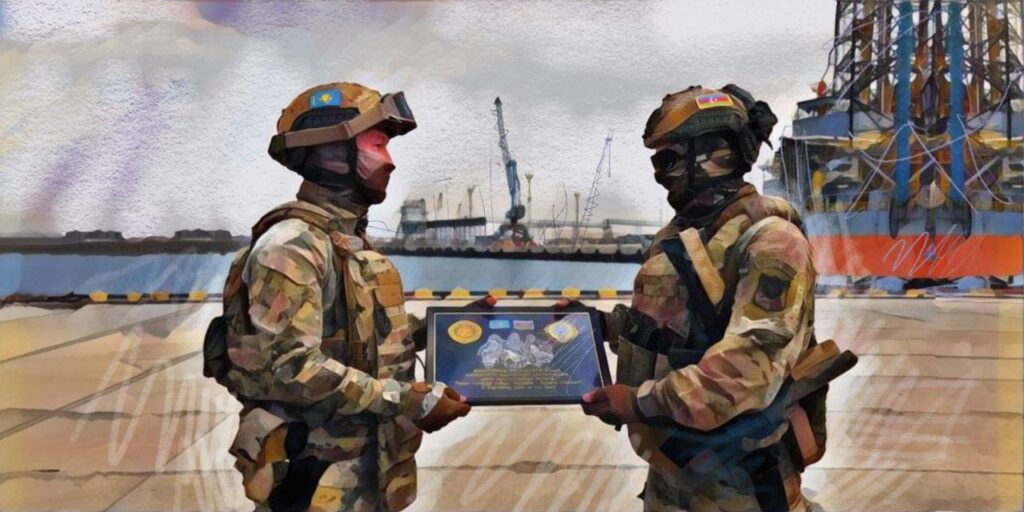
Just one month prior, the same waters hosted joint military exercises between Azerbaijan and Kazakhstan, held in Aktau, western Kazakhstan. These were followed by the “Tarlan-2025” air and tactical drills in Azerbaijan from July 8-10, which focused on enhancing UAV operations and military coordination.

Baku’s strategic alliance with Ankara is a key factor here. Azerbaijan, a close Turkish partner, is now engaged in a more strained relationship with Russia. Moscow’s muted reaction to this cooling suggests an awareness that Ankara is increasingly shaping a Turkic military-political bloc, an emerging force in a region of strategic importance to both Russia and China.

Earlier this month, Turkey launched its annual Anadolu-2025 special forces exercises. Participants included troops from 33 nations, Kazakhstan, Azerbaijan, Pakistan, Uzbekistan, and others but notably excluded Russia.

For the first time, in 2024, military exercises were held in the Caspian without Russian involvement. The Birleistik (Unity) 2024 drills were conducted at Kazakhstan’s Oymasha training ground and Cape Tokmak along the Caspian coast. Troops from Azerbaijan, Kazakhstan, Kyrgyzstan, Tajikistan, and Uzbekistan rehearsed scenarios including conflict zone identification, night maritime operations, and amphibious landings.

Previously, regional military cooperation had been limited to bilateral engagements, such as the 2023 UZAZ exercises (Azerbaijan-Uzbekistan), Kanzhar-2023 (Kazakhstan-Uzbekistan), and Hazri-2023 (Azerbaijan-Kazakhstan).

The spike in joint drills during 2024-2025 underscores growing rivalries between regional and global powers. These operations are not mere formalities but reveal emerging security alignments and geopolitical signals.

Three distinct blocs appear to be coalescing in the Caspian, with implications for Central Asia as well.

The first bloc includes Russia, Iran, and China. These nations have held annual “Maritime Security Belt” exercises since 2019, with the most recent in March 2025 off the Iranian coast.

The second bloc comprises Turkey, Azerbaijan, and members of the Organization of Turkic States (OTS). Defense ties among these countries are becoming a core element of OTS cooperation. At the 10th OTS Summit in Astana in 2023, Azerbaijani President Ilham Aliyev emphasized defense as the main guarantor of member state security, citing ongoing regional conflicts and violations of international law.

The third bloc, more pragmatic and focused, is the Kazakhstan-Azerbaijan partnership. These countries are cooperating on the basis of the 2018 Caspian Convention to secure maritime communications. Azerbaijan contributes military expertise, particularly in UAV and drone warfare developed during the Karabakh conflicts. Kazakhstan brings diplomatic credibility and promotes regional governance and connectivity, offering a stabilizing complement to Azerbaijan’s military strengths.

In sum, the Caspian Sea, once colloquially referred to as “Russia’s lake”, is steadily losing that identity. It is transforming into a contested strategic zone, where three competing security visions intersect. The risk of escalation is real.

Whether the Caspian remains a sea of cooperation or becomes a flashpoint of geopolitical strife may soon depend on decisions made far beyond its shores.