• KGS/USD = 0.01144 0%
  • KZT/USD = 0.00193 -0%
  • TJS/USD = 0.10851 0.28%
  • UZS/USD = 0.00008 0%
  • TMT/USD = 0.28490 0%
  • KGS/USD = 0.01144 0%
  • KZT/USD = 0.00193 -0%
  • TJS/USD = 0.10851 0.28%
  • UZS/USD = 0.00008 0%
  • TMT/USD = 0.28490 0%
  • KGS/USD = 0.01144 0%
  • KZT/USD = 0.00193 -0%
  • TJS/USD = 0.10851 0.28%
  • UZS/USD = 0.00008 0%
  • TMT/USD = 0.28490 0%
  • KGS/USD = 0.01144 0%
  • KZT/USD = 0.00193 -0%
  • TJS/USD = 0.10851 0.28%
  • UZS/USD = 0.00008 0%
  • TMT/USD = 0.28490 0%
  • KGS/USD = 0.01144 0%
  • KZT/USD = 0.00193 -0%
  • TJS/USD = 0.10851 0.28%
  • UZS/USD = 0.00008 0%
  • TMT/USD = 0.28490 0%
  • KGS/USD = 0.01144 0%
  • KZT/USD = 0.00193 -0%
  • TJS/USD = 0.10851 0.28%
  • UZS/USD = 0.00008 0%
  • TMT/USD = 0.28490 0%
  • KGS/USD = 0.01144 0%
  • KZT/USD = 0.00193 -0%
  • TJS/USD = 0.10851 0.28%
  • UZS/USD = 0.00008 0%
  • TMT/USD = 0.28490 0%
  • KGS/USD = 0.01144 0%
  • KZT/USD = 0.00193 -0%
  • TJS/USD = 0.10851 0.28%
  • UZS/USD = 0.00008 0%
  • TMT/USD = 0.28490 0%
19 December 2025

Trump’s Bid for Ukraine-Russia Peace: Could Kazakhstan Be the Key Mediator?

One of the anticipated top priorities of Donald Trump’s presidency is ending Russia’s war in Ukraine while normalizing relations with Moscow. Writing on his Truth Social channel, Trump stated that, “Together, we will secure PEACE THROUGH STRENGTH, and Make America, and the World, SAFE AGAIN!”

Trump’s nominee to serve as Special Envoy for Ukraine and Russia, 80-year-old former national security advisor, General Keith Kellogg, laid out his plan in writing for the America First policy institute, whilst focusing on characterizing the war “an avoidable crisis that, due to the Biden Administration’s incompetent policies [which] has entangled America in an endless war.” There are fears, however, that Kellogg’s proposal to reach a ceasefire by freezing the frontlines and forcing both sides the negotiating table will lead to a tumultuously violent period as Moscow seeks to swallow up territory. Meanwhile, NATO’s new secretary-general, Mark Rutte, has warned that compelling Ukraine into a “bad peace” would pose a “dire threat” to the U.S. itself.

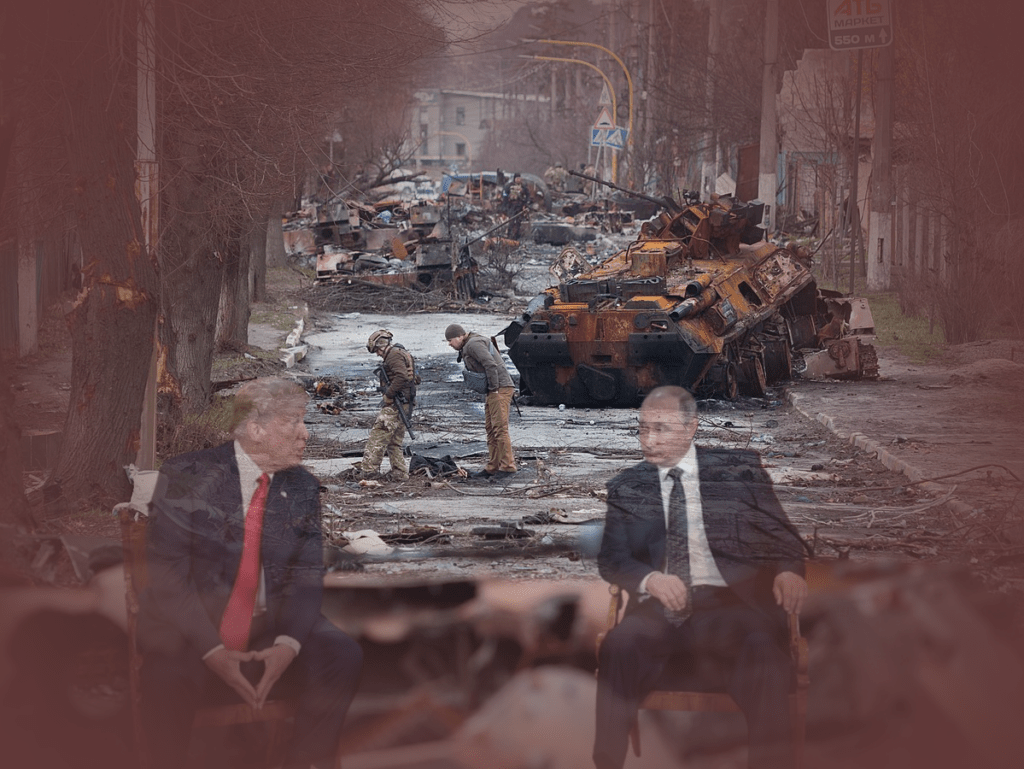
Whilst the framework for bringing a pause to hostilities is becoming clearer, it appears that Trump (or his representative) will need to meet with Vladimir Putin, and Kazakhstan has emerged as a potential venue for this high-stakes meeting.

Kazakhstan’s Role as Mediator

Russian political analyst, Arkady Dubnov, has argued that Putin’s recent state visit to Astana may be an indication that Kazakhstan could play a pivotal role, and that given Putin’s limited travel options due to the International Criminal Court’s arrest warrant against him, Kazakhstan, with its reputation for diplomacy, would be a logical choice.

“Putin is essentially restricted from visiting most of the Western Hemisphere,” Dubnov explained. “This leaves the Eurasian East, and among its cities, Astana stands out. Kazakhstan has hosted OSCE and CICA summits, mediated in the Syrian conflict, and facilitated peace talks over the future of the South Caucasus.”

Dubnov sees Putin’s visit to Astana as indirectly tied to a possible meeting with Trump. “The Kremlin trusts Kazakhstan as an ally while respecting its constructive relations with the U.S. and the broader West,” he stated.

Kazakhstan has long been recognized as a neutral ground where East and West can find commonality. The Astana process on Syria, initiated in 2017, helped prevent the escalation of hostilities for years, whilst Kazakhstan has mediated in other long-standing disputes, such as the conflict between Armenian and Azerbaijan.

Given this history, it is conceivable that a reconciliation process between Russia and Ukraine could start in Astana. Neither the Minsk agreements of 2014, nor discussions in Istanbul in 2022 achieved lasting peace, but Kazakhstan’s diplomatic efforts could provide fresh impetus.

Early Peace Efforts

In March 2022, Kazakh President Kassym-Jomart Tokayev spoke with Ukrainian President Volodymyr Zelensky, emphasized the urgency of negotiations to bring a halt to hostilities, a stance that has since gained momentum as the war drags on. By 2024, the validity of Tokayev’s view — that negotiations are the only viable path to end the bloodshed — has become increasingly apparent.

Kazakhstan’s diplomatic corps has actively pushed for peace. In May 2024, Ambassador to Russia Dauren Abayev reiterated Kazakhstan’s readiness to host negotiations, stating that “Kazakhstan is always ready to help on all processes that concern the world. This is not only Russia and Ukraine, but also Armenia and Azerbaijan, on the Syrian issue, on the Iranian issue. It is probably [an overstatement] to say to be mediators, but to provide a platform, to create some conditions, we are certainly ready.”

Despite these efforts, some initiatives, such as Ukraine’s 2024 peace conference in Switzerland, excluded Russia, a critical misstep according to observers like Abayev. In September, Deputy Foreign Minister Roman Vassilenko reaffirmed Kazakhstan’s willingness to provide a neutral platform for talks.

A Vision for Peace

During talks with German Chancellor Olaf Scholz, Tokayev articulated Kazakhstan’s position. “Militarily, Russia is invincible… Further escalation will bring irreparable consequences for all humanity,” he stated, lamenting the lost opportunity for a truce under the Istanbul Agreement, but urging all parties to consider peace initiatives, including those put forward by China and Brazil.

Tokayev suggested a resolution akin to the Korean scenario — freezing the conflict along the line of contact with a demilitarized zone. While he did not explicitly propose that Astana should act as the venue for talks, Kazakhstan’s neutrality and commitment to peace make it a highly credible candidate.

“With Russia, Kazakhstan has the world’s longest delimited land border in the world, and cooperation between our countries is developing within the framework of strategic partnership and alliance,” Tokayev emphasized. “At the same time, Kazakhstan has genuine sympathy for the Ukrainian people and their distinctive culture. There have never been any disagreements between our states. The embassy of our country continues to function in Kyiv.”

A Realistic Possibility?

The prospect of peace talks between Moscow and Kyiv taking place on Kazakh soil is grounded in Kazakhstan’s history as a mediator and its neutral stance in the conflict. Whether this will materialize remains uncertain, but Astana’s reputation as a bridge between East and West keeps it at the center of diplomatic speculation.

Amid Sanctions, China’s Xinjiang Strengthens Ties with Central Asia

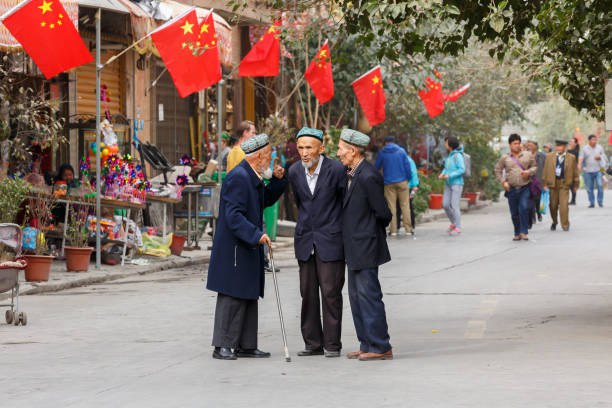
China’s Xinjiang region is deepening its engagement with Pakistan and Central Asia as part of efforts to counter Western sanctions and bolster its role in the Belt and Road Initiative (BRI).

On November 26, officials from Xinjiang met with their counterparts from Kazakhstan’s Zhetysu region for the first meeting under a new cross-border coordination mechanism. The discussions focused on cross-border tourism, infrastructure, market regulation, quarantine measures, and joint crime prevention. The meeting culminated in the signing of a memorandum on cross-border tourism.

The discussions took place near the port of Khorgos, a critical hub for the China Railway Express, which connects China with Europe. Khorgos is home to China’s first cross-border cooperation center, where residents of neighboring countries can engage in business and shop visa-free. The center allows duty-free purchases of up to 8,000 yuan ($1,104) per day.

Xinjiang Governor Erkin Tunyoz stressed the importance of strengthening ties with Zhetysu in areas such as trade, tourism, security, and agriculture. This cooperation is becoming increasingly crucial for Beijing as Xinjiang grapples with sanctions from the United States and other Western countries over alleged human rights abuses—a claim that China denies.

Sanctions include the U.S. Uyghur Forced Labor Prevention Act, which prohibits imports from Xinjiang suspected of being produced using forced labor. Similar measures have been implemented by Canada, the United Kingdom, and the European Union.

In addition to its collaboration with Kazakhstan, China has established a dialogue mechanism with the five Central Asian countries—Kazakhstan, Kyrgyzstan, Tajikistan, Turkmenistan, and Uzbekistan. Since 2020, foreign ministers from these nations have met annually to discuss logistics, trade, investment, agriculture, mining, and security.

Li Lifan, a Central Asia scholar at the Shanghai Academy of Social Sciences, described Xinjiang as a “bridgehead” for the BRI. He highlighted the region’s rich natural resources and its role as a base for major industries, including automobile manufacturing. In 2023, trade between Xinjiang and Central Asian countries surged by 50%, reaching 283 billion yuan ($39 billion).

Despite these successes, Li cautioned about future challenges. He noted uncertainties surrounding potential Western secondary sanctions, geopolitical tensions, and Russia’s ongoing war in Ukraine. Additionally, U.S.-China relations remain fraught, with further unpredictability anticipated under the leadership of Donald Trump. “Full economic development may only be achievable once global tensions ease,” he said.

Construction of TAPI Gas Pipeline Begins in Afghanistan

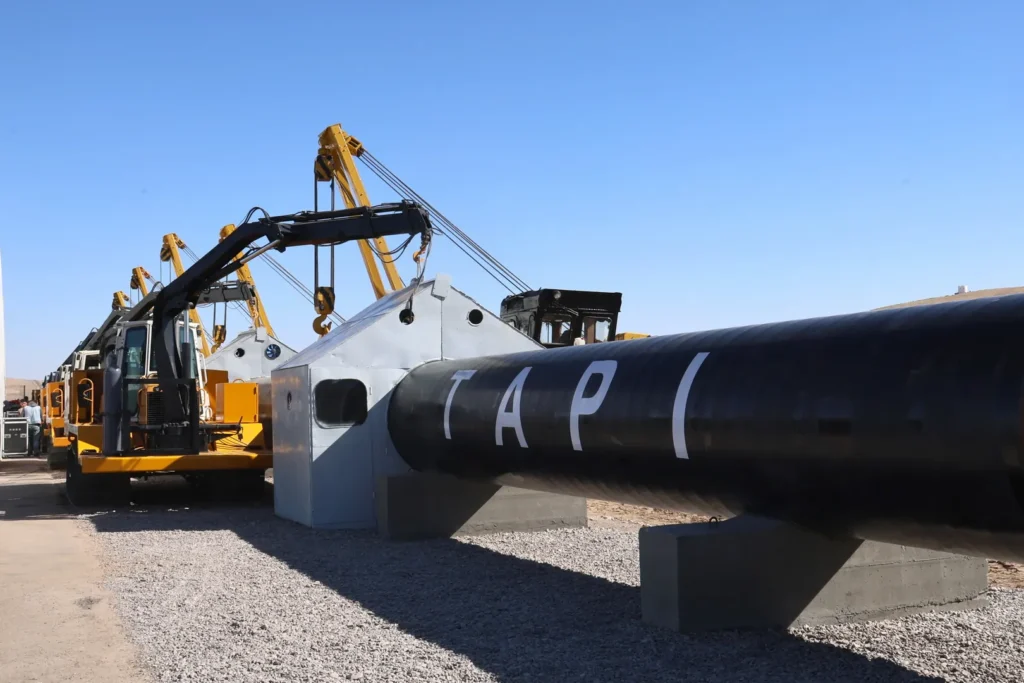
Afghanistan has commenced the practical phase of the Turkmenistan-Afghanistan-Pakistan-India (TAPI) gas pipeline project, one of the region’s most ambitious infrastructure initiatives. Local media report that essential materials and equipment have been delivered to the border areas between Afghanistan and Turkmenistan, enabling work to start on the Afghan section of the pipeline.

The TAPI gas pipeline will span 1,814 kilometers, with 774 kilometers crossing Afghanistan. Once operational, the pipeline will transport 33 billion cubic meters of natural gas annually, significantly boosting economic development across the region.

Afghanistan is set to receive 5 billion cubic meters of gas each year from the pipeline and create over 12,000 jobs for its citizens. Economists estimate that the project could generate approximately $1 billion annually in revenue for Afghanistan.

Discussions around the TAPI pipeline began in the early 2000s, and in 2013, an agreement was signed to form a consortium. The Turkmen state-owned company Turkmengaz holds an 85% stake, while Afghanistan, Pakistan, and India each hold 5% shares.

Construction on the Turkmenistan section of the pipeline began in 2015 and has since been completed. Afghanistan is the next country to advance the project, with work on the section from Serhetabat to Herat initiated in September this year.

BBC Women of the Year List Includes Two Nominees From Central Asia

The BBC has unveiled its annual list of the world’s most inspiring women.

The introduction to the list says that the “BBC 100 Women Project highlights women who have shown remarkable determination to drive change in a year marked by global upheaval.”

Alongside figures such as Nobel laureate Nadia Murad, actress Sharon Stone, Olympians Rebeca Andrade and Allyson Felix, singer Ray, artist Tracey Emin, climate activist Adenike Oladosu, and writer Cristina Rivera Garza, the list of nominees includes two women from Central Asia. They are:

Dilorom Yuldasheva (Uzbekistan)

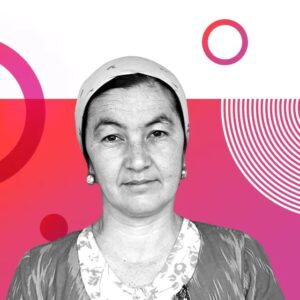
@BBC| Dilorom Yuldosheva, Uzbekistan

A seamstress and entrepreneur, two years ago Dilorom Yuldasheva lost both legs in an accident. Undeterred, she pursued her dream of empowering young women in Uzbekistan to earn livelihoods and develop new skills.

Yuldasheva established a tailoring business after studying entrepreneurship and resource management. In a short time, she trained over 40 students, offering free classes as her business grew. She secured contracts to produce clothing for workers and schoolchildren, creating income opportunities for herself and dozens of other women.

Zhanylsynzat Turganbayeva (Kyrgyzstan)

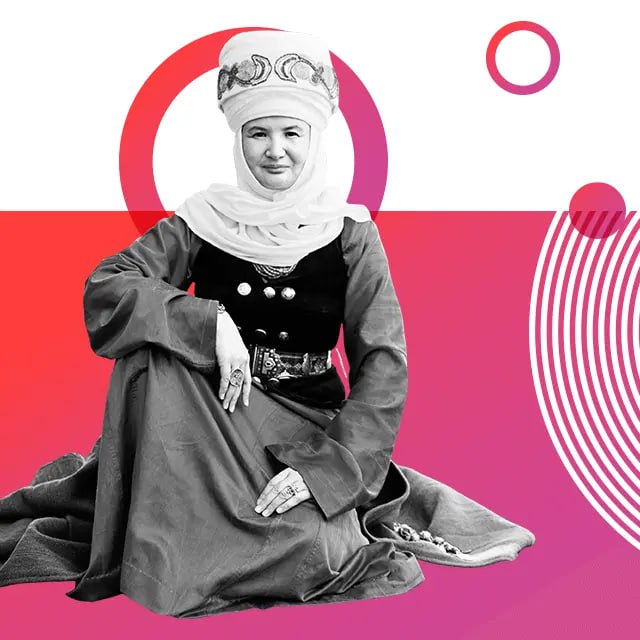
@BBC| Zhanylsynzat Turganbaeva, Kyrgyzstan

Zhanylsynzat Turganbayeva is devoted to preserving and restoring Kyrgyz cultural heritage. She runs an ethnology museum in Bishkek, showcasing unique national artifacts.

Her charitable efforts focus on safeguarding Kyrgyz literature, including the epic Manas. This UNESCO-recognized work spans approximately 500,000 lines—20 times the length of Homer’s Odyssey—and recounts the story of a hero who unites 40 Kyrgyz tribes. Turganbayeva creates resources and opportunities for “manaschi,” the traditional performers of the epic.

These women exemplify courage and perseverance, inspiring others to bring positive change to their communities.

Kazakhstan’s Power Grid Revamp Secures €267 Million Backing from EBRD and Canada

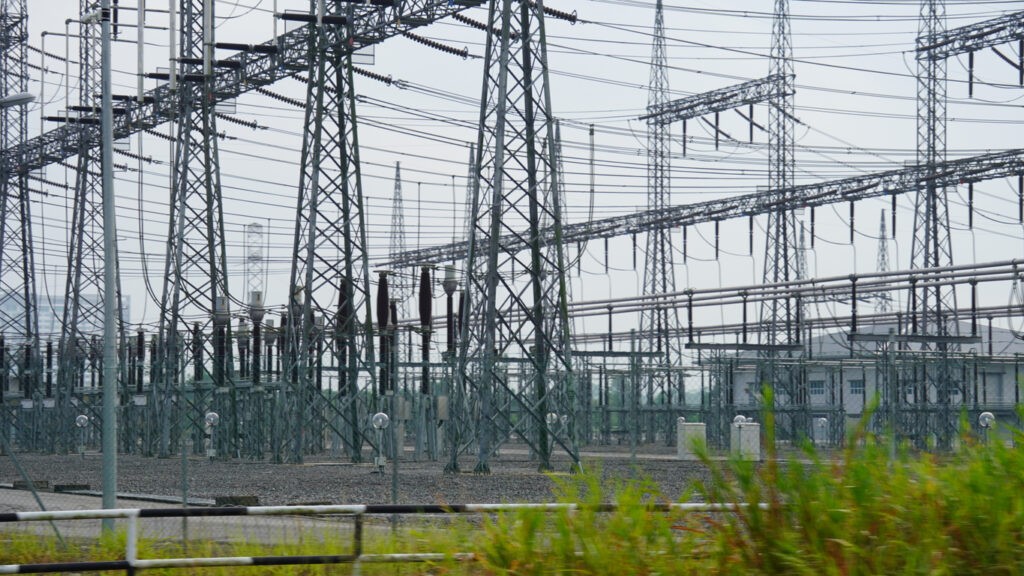
The European Bank for Reconstruction and Development (EBRD) has announced a €267 million financing package for the Kazakhstan Electricity Grid Operating Company (KEGOC) to enhance the reliability of the country’s power supply system.

The funding comprises a €252 million EBRD loan and a €15 million concessional loan from the Government of Canada. The financial support will enable KEGOC, which oversees more than 27,800 kilometers of overhead transmission lines, to construct approximately 600 kilometers of 500 kV transmission infrastructure. This will facilitate the integration of the West Kazakhstan Power System into the country’s Unified Power System.

The initiative is part of the EBRD’s broader efforts to assist Kazakhstan in implementing its long-term decarbonization strategy, aimed at achieving carbon neutrality in the power sector by 2060. It will improve the electricity supply for residents in western Kazakhstan and enable the integration of up to 12 GW of renewable energy capacity nationwide by 2030.

Currently, Kazakhstan’s power grid is divided into three separate systems. While the EBRD connected the northern and southern grids in 2004, the West Kazakhstan Power System remains isolated.

The project includes the construction of the 500 kV Karabatan-Ulke power line along the Atyrau-Aktobe motorway, the 500 kV Karabatan substation, and the expansion of the switchyards at the Karabatan (220 kV) and Ulke (500 kV) substations. These upgrades will strengthen domestic interconnections and enhance power supply reliability in western Kazakhstan.

In addition to infrastructure improvements, the project is expected to reduce annual CO2 emissions by over 200,000 tons. It is supported by grant funding from the Government of Japan.

The EBRD will also provide KEGOC with technical assistance, including piloting digital technologies within the grid, bolstering the system’s resilience to potential cyberattacks, and introducing gender-responsive training programs.

From Hero to Exile: Kyrgyz Rescuer Sultan Abdumalikov Deported from Russia

Sultan Abdumalikov, a Kyrgyz citizen hailed for his bravery during a fire in Yekaterinburg, Russia, has been deported due to issues with his documentation.

Abdumalikov gained attention on November 18 for rescuing patients and staff during a fire at Polyclinic No. 2, where he risked his own life to evacuate victims from the burning building. He suffered from smoke inhalation during the incident, which also brought him to the notice of law enforcement.

A subsequent document check revealed that Abdumalikov lacked the required labor contract to legally remain in Russia. While police officers praised his heroism, a decision was made to deport him. Abdumalikov had hoped to resolve his legal issues and remain in the country but was ultimately unsuccessful.

Upon his return to Kyrgyzstan, Abdumalikov faced significant challenges. Blacklisted for violating Russian immigration laws, he has been unable to secure stable employment. Providing for his family, including four children, has become increasingly difficult.