• KGS/USD = 0.01143 -0%
  • KZT/USD = 0.00192 -0%
  • TJS/USD = 0.10820 0.19%
  • UZS/USD = 0.00008 0%
  • TMT/USD = 0.28575 0%
  • KGS/USD = 0.01143 -0%
  • KZT/USD = 0.00192 -0%
  • TJS/USD = 0.10820 0.19%
  • UZS/USD = 0.00008 0%
  • TMT/USD = 0.28575 0%
  • KGS/USD = 0.01143 -0%
  • KZT/USD = 0.00192 -0%
  • TJS/USD = 0.10820 0.19%
  • UZS/USD = 0.00008 0%
  • TMT/USD = 0.28575 0%
  • KGS/USD = 0.01143 -0%
  • KZT/USD = 0.00192 -0%
  • TJS/USD = 0.10820 0.19%
  • UZS/USD = 0.00008 0%
  • TMT/USD = 0.28575 0%
  • KGS/USD = 0.01143 -0%
  • KZT/USD = 0.00192 -0%
  • TJS/USD = 0.10820 0.19%
  • UZS/USD = 0.00008 0%
  • TMT/USD = 0.28575 0%
  • KGS/USD = 0.01143 -0%
  • KZT/USD = 0.00192 -0%
  • TJS/USD = 0.10820 0.19%
  • UZS/USD = 0.00008 0%
  • TMT/USD = 0.28575 0%
  • KGS/USD = 0.01143 -0%
  • KZT/USD = 0.00192 -0%
  • TJS/USD = 0.10820 0.19%
  • UZS/USD = 0.00008 0%
  • TMT/USD = 0.28575 0%
  • KGS/USD = 0.01143 -0%
  • KZT/USD = 0.00192 -0%
  • TJS/USD = 0.10820 0.19%
  • UZS/USD = 0.00008 0%
  • TMT/USD = 0.28575 0%
13 December 2025

U.S. Sanctions Uzbek Companies Supplying Russia with Equipment

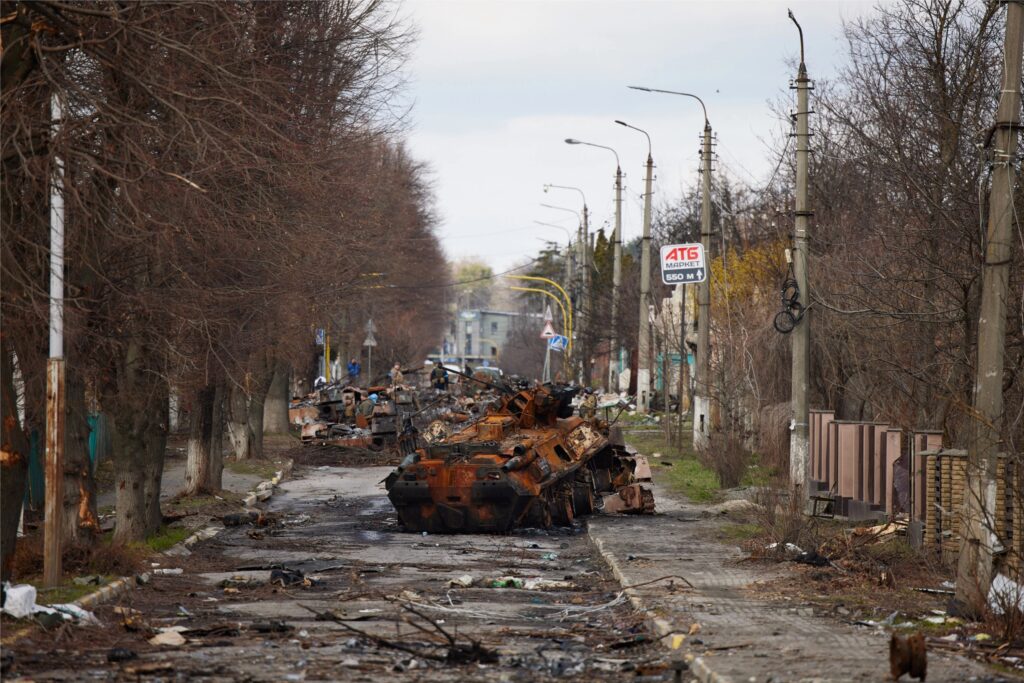
The U.S. Department of the Treasury has sanctioned 275 individuals and entities involved in supplying Russia with advanced technology and equipment that it desperately needs to support its war machine. The Uzbek companies Uzstanex and The Elite Investment Group are among the sanctioned entities.

Deputy Secretary of the Treasury Wally Adeyemo emphasized that the U.S. and its allies are committed to halting the flow of essential tools and technologies that enable Russia to pursue its unlawful war against Ukraine. “As demonstrated by today’s actions, we are unwavering in our resolve to weaken Russia’s military capabilities and to penalize those attempting to circumvent or evade our sanctions and export controls,” Adeyemo stated.

Uzstanex is part of the StanexGroup holding. The company sells and adjusts machine tools in Uzbekistan, Kazakhstan, Kyrgyzstan, Tajikistan, and Turkmenistan.

According to the U.S. Treasury Department, the machine tools purchased by Uzstanex were delivered to Russia through the Chinese company Shanghai Winsun Imp and Exp Co Ltd (Shanghai Winsun), which is why sanctions were imposed against it.

The Elite Investment Group is a non-specialized wholesaler. It is noted that from mid-March to May 2024, using GUCLU GLOBAL as a carrier agent, the company delivered approximately $190,000 worth of high-priority goods, including electrical transformers, to companies in Russia, including the GS Group.

Tajik-Born Russian Citizen Sentenced for High Treason in Moscow

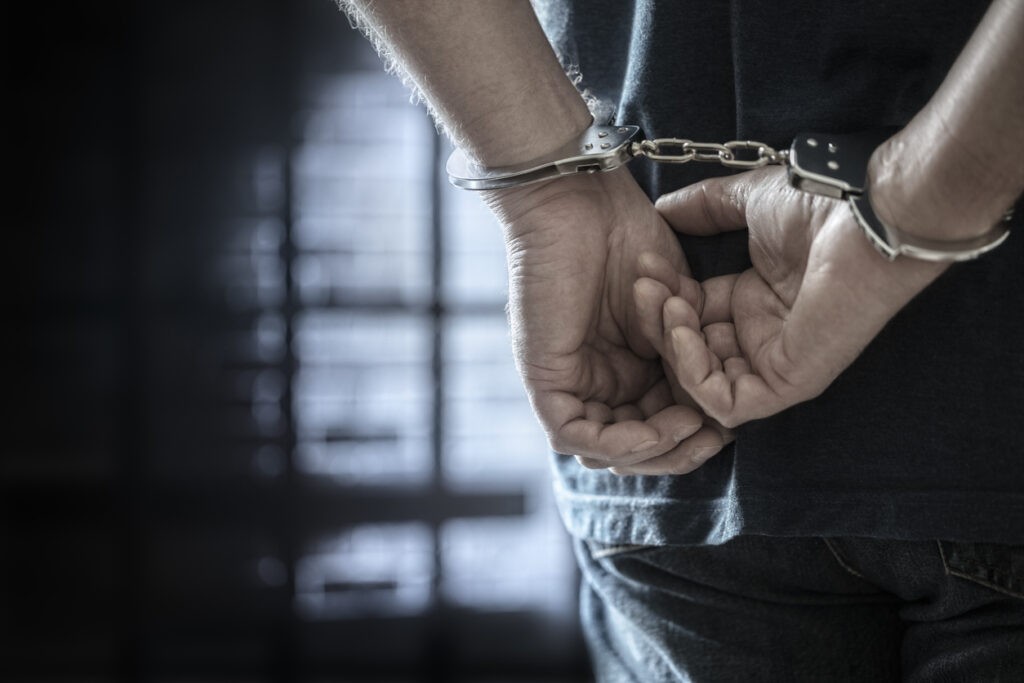
The Moscow City Court has sentenced Firuz Dadoboev, a Tajikistan-born Russian citizen, to 13.5 years in a strict regime penal colony on charges of high treason (under Article 275 of Russia’s Criminal Code) for actions benefitting the United States.

According to reports, Dadoboev, an IT specialist at a Moscow-based company, allegedly obtained classified information unlawfully. Investigators claim he intended to pass this information to a U.S. intelligence representative, having reportedly contacted the CIA. The Federal Security Service (FSB) stated that Dadoboev confessed and expressed remorse. Along with the prison term, he was fined 300,000 rubles (about $3,000).

On October 29, TASS released a video showing his arrest and sentencing. His detention was initially reported in December 2022, when he was held in the Lefortovo detention center.

Previously, The Times of Central Asia has reported that Russia is recruiting immigrants to the war with Ukraine. Central Asian migrants say that Russia threatens those who refuse to participate in the war with imprisonment.

IFC Increases Investments in Central Asia

The International Finance Corporation (IFC), a member of the World Bank Group, says it committed $1.04 billion in Central Asia in the fiscal year 2024, which started on July 1, 2023, and ended on June 30, 2024. The funds comprised over $400 million in long-term financing from IFC’s account, $600 million in mobilization, and $35 million in short-term trade and supply-chain finance to facilitate trade flows.

The funds, coupled with advisory support, aimed to increase private sector participation, create jobs, boost financial inclusion, bolster infrastructure, and support the region’s green transition.

Priority sectors included finance, capital markets, renewable energy, agriculture, and infrastructure.

Over the last fiscal year, IFC-supported projects in the Central Asian region created about 35,000 jobs, including more than 13,000 for women.

Strengthening local financial markets is among its key objectives. To that end, the IFC invested $228 million in 10 financial institutions in Kazakhstan, Kyrgyzstan, Tajikistan, and Uzbekistan, with up to half earmarked for women entrepreneurs and rural enterprises. The IFC also supported local financial institutions in growing their micro, small, and medium enterprises (MSME) businesses, advancing climate finance and digital transformation, and issuing the first-ever sustainability, social, and green bonds.

The IFC and the World Bank financed a new solar plant with the country’s first battery energy storage system to support Uzbekistan’s green transition and climate action. The plant is expected to provide electricity access to approximately 75,000 households in the Bukhara region.

In Tajikistan, the IFC invested in the country’s first green bond, issued by Eskhata Bank. The bond will support climate-smart projects and MSMEs undertaking environmental projects.

In Kazakhstan and Kyrgyzstan, in addition to investments to increase financial inclusion, the IFC has been evaluating new advisory and investment opportunities, including PPPs in areas such as drinking water supply, renewable energy (including geothermal solutions for heating and cooling), railway projects as part of the Middle Corridor, and the first municipal green bonds in Central Asia. The IFC also supports Kazakhstan’s accelerated methane mitigation efforts, which align with the Global Methane Pledge.

Wiebke Schloemer, the IFC’s Director for Türkiye and Central Asia, reiterated its commitment to the region: “Over the past 20 years, the region has seen substantial development, with an average annual growth rate of 6.2 percent. Central Asia must leverage the green transition to boost private investment, strengthen connectivity, and reduce resource dependency to continue this growth. The IFC aims to address these goals and continue to deliver solutions where we are needed most — from increasing access to finance for farmers and women entrepreneurs to creating jobs to continue to help countries transition to net zero.”

EBRD Supports Healthcare and Municipal Transport Projects in Kazakhstan

The European Bank for Reconstruction and Development (EBRD) has supported Kazakhstan’s first healthcare sector public-private partnership (PPP) project, and provided finance for a tram fleet renewal program in the Kazakh city of Pavlodar.

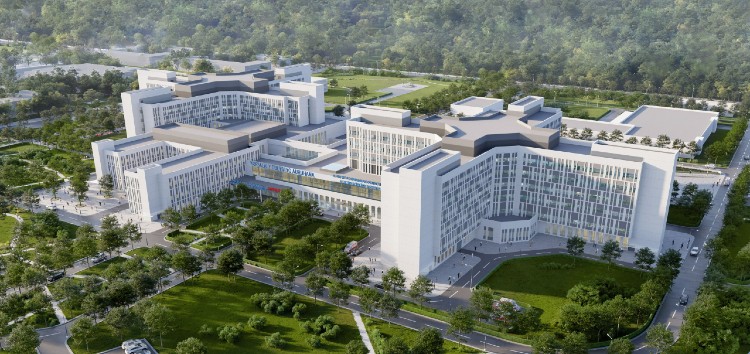
The EBRD arranged a €365 million financing package provided by six financial institutions to construct and operate a 630-bed multidisciplinary hospital in Kokshetau, northern Kazakhstan.

The financing, including the EBRD’s €105 million loan, will be provided to a Kazakhstan-based subsidiary of Rönesans Holding of Turkey.
The project will be co-financed through parallel loans totaling up to €260 million provided by the Asian Infrastructure Investment Bank (AIIB), the German investment corporation DEG, the Islamic Corporation for the Development of the Private Sector (ICD), Proparco, a subsidiary of Agence Française de Développement, and the Development Bank of Kazakhstan (DBK).

This first PPP in the healthcare sector of Kazakhstan and Central Asia will be a greenfield development of a 110,000 m2 facility, which will provide services to more than 730,000 people living in the city of Kokshetau and the broader region of Akmola.

According to the PPP agreement, the private partner will be responsible for maintaining the facility and running a digital hospital information management system. At the same time, Turar Healthcare, a state-owned, non-profit national healthcare operator, will provide medical services.

EBRD President Odile Renaud-Basso, who was visiting Kazakhstan, commented: “The EBRD is pleased to join forces with our longstanding client Rönesans Holding to launch the first healthcare sector PPP in Kazakhstan and the region. PPPs are recognized as one of the most effective forms of long-term contractual relationships between the public and private sectors. They will help provide sustainable healthcare solutions, introduce new technologies, and improve the quality of medical services.”

The EBRD has also announced support for a tram fleet modernization program in the north-eastern Kazakh city of Pavlodar.
The EBRD’s loan of up to €10 million to Pavlodar tram management company will help the company acquire up to 25 energy-efficient trams. A €4 million loan from the Clean Technology Fund will co-finance the project.

The tram company handles almost 40 percent of passenger traffic in the city, with a population of more than 360,000. Yet nearly 60 percent of the company’s fleet was commissioned in the 1970s and 1980s and requires urgent renewal.

New battery-powered trams will have an autonomous driving range of up to 20 km, which means they can continue operating during electricity outages.

The EBRD has invested €10 billion in 328 projects in Kazakhstan, most of which support private entrepreneurship.

How Can Central Asian Countries Advance Democratization Efforts Amid Geopolitical Uncertainty?

On October 27, Uzbekistan held parliamentary elections, which, along with the referendum in Kazakhstan and upcoming local council elections in Kyrgyzstan, contributed to a global election year.

In the elections in Uzbekistan, the ruling Liberal Democratic Party emerged victorious, participating for the first time in elections held under a mixed majoritarian-proportional system. As a result of the vote, the Liberal Democratic Party received 42,7% of the votes, securing 64 out of 150 seats in parliament. Voter turnout was 74.72%, and observers noted the organization and conduct of the elections.

Leaders in Central Asia frequently cite the region’s volatile geopolitical landscape as a basis for more cautious internal reforms. This reflects a need to maintain stability in the face of external pressures.

Historically and currently, Central Asian countries do not represent homogeneous societies. Additionally, increasing political divisions within society and among political elites are observed in almost all five countries of the region. Against this backdrop, escalating geopolitical conflicts on the global stage may further hinder the realization of major political reforms.


Political Reforms and an Unstable World Order

It’s challenging to definitively assess political reforms in Kazakhstan and Uzbekistan as either negative or positive, as both perspectives exist. European and American leaders often note the countries’ aspirations for reforms and express readiness to support them. Therefore, Kazakhstan and Uzbekistan effectively act as locomotives of political reforms in Central Asia at this stage.

Under the leadership of President Kassym-Jomart Tokayev, Kazakhstan has undertaken political reforms aimed at modernizing the political system and strengthening democratic institutions. A significant step was limiting presidential powers by introducing a single seven-year presidential term without the right to re-election, which should promote regular changes in political leadership. Kazakh authorities argue that the role of parliament has also been strengthened to increase its influence and accountability to the government, providing a more balanced system of checks and balances. Liberalization of the party system included simplifying the registration of political parties and introducing elections based on single-member districts, which should foster political pluralism. Steps were taken to increase citizen participation in governance, including the introduction of direct elections for village and district mayors and creating mechanisms for open citizen feedback. Additionally, a 30% quota for women, youth, and people with disabilities was introduced in party lists, contributing to strengthening gender equality.

Under President Shavkat Mirziyoyev, Uzbekistan is also conducting significant reforms aimed at democratizing the political system. These elections were noteworthy for the introduction of a mixed electoral system, representing a significant departure from past practices. Under this system, 150 seats in the Legislative Chamber of the Oliy Majlis should be filled by two methods: 75 seats were elected through single-member districts (majoritarian system), and the remaining 75 were allocated proportionally based on party results (proportional system). This approach aims to enhance political pluralism by allowing both individual candidates and political parties to gain representation. The majoritarian component allows voters to directly elect representatives from their constituencies, fostering a closer connection between elected officials and their constituents. Meanwhile, the proportional component ensures that political parties receive seats proportional to their share of the vote, promoting diversity in parliament. The EU welcomed the progress made during these elections under the revised legal framework, particularly recognizing the efforts to facilitate voting for people with disabilities and the achievement of a minimum of 40% of seats in the new parliament being held by women.

India sent the largest group of observers, with over 20 representatives, including Chief Election Commissioner Rajiv Kumar, diplomats, and academics, to monitor the electoral process. This followed Prime Minister Narendra Modi’s recent bilateral meeting with Uzbek President Shavkat Mirziyoyev in Kazan, held alongside the BRICS Summit. Uzbekistan had also recently joined BRICS as a partner country. India and Uzbekistan shared strong civilizational, historical, and political connections.

OSCE also released a report on the elections. The report concludes that although some reforms show progress, major legislative and practical improvements are needed for Uzbekistan to meet democratic standards fully. But in reality, the progress achieved in democratic processes amid global geopolitical instability is also very important.


Historical Context of Uzbekistan’s Electoral System

To understand the significance of these reforms, it’s important to consider the historical context of Uzbekistan’s electoral system. Since gaining independence from the Soviet Union in 1991, Uzbekistan has undergone several electoral cycles. During Islam Karimov’s rule, Uzbekistan operated a centralized political system with limited space for political opposition. The electoral process primarily supported the continuity of the established power structure, rather than serving as a primary channel for political change.

Mirziyoyev’s administration is seeking to break from this legacy by introducing reforms aimed at increasing transparency, accountability, and citizen participation in governance. The adoption of a new Constitution was aimed at strengthening human rights protections and achieving sustainable development goals by 2030. Women’s representation in politics was also increased by raising the minimum number of female candidates from parties.


The Impact of Geopolitical Situations on Reforms

Escalating geopolitical conflicts on the global stage may further hinder the realization of major political reforms. The global environment plays a crucial role. The most democratically developed states have evolved in stable and peaceful conditions. Central Asian countries now face several challenges, such as combating the potential rise of terrorist organizations or fighting criminal groups. Additionally, the war in Ukraine has negatively affected the economic development of countries in the region.

In his latest Address to the Nation on September 2, President Tokayev noted: “our society must be governed by law and order. This is a fundamental condition for ensuring both public and individual security. Only in this way can we create a Just, Clean, and Safe Kazakhstan. To achieve this strategic goal, it is necessary to create favorable external conditions for the peaceful and sustainable development of the country. This is the task of diplomacy, which, in the current complex geopolitical realities, must be highly professional.”


How Geopolitical Challenges Can Affect Central Asian Countries

Central Asian countries have noticeably intensified joint efforts in combating terrorism and cooperation in security. On May 16, 2024, the first meeting of security secretaries of Central Asian countries took place. President Tokayev noted that high risks remain associated with the activity of international terrorist organizations. At the 6th Consultative Meeting of Central Asian Leaders, President Shavkat Mirziyoyev of Uzbekistan proposed developing a Concept for Ensuring Regional Security and Stability.

The worsening international situation inevitably impacts Central Asian countries. Since 2022, almost all countries in the region have faced political transformations. The war in Ukraine had certain advantages for Central Asian countries, but they also faced several challenges: inflation caused by various economic factors led to a significant increase in prices for food and non-food items. Serious logistical problems arising from sanctions negatively affected the region, limiting countries’ abilities to export and transport goods, as many important trade routes pass through Russia. This constrains trade and introduces uncertainty into transportation flows, making the region more vulnerable to external economic factors. Uncertainty is also growing regarding future borrowing costs, inflation levels, and energy prices, adding complexity to long-term planning and financial stability, especially amid global economic instability.


Comparative Analysis: Lessons from India and the United States

The experiences of India and the United States can provide Uzbekistan and other countries in the region with valuable lessons in striving to improve democratic processes.

India possesses one of the largest and most complex democracies in the world, with a robust electoral system that has evolved over decades. The independent electoral body, the Election Commission of India (ECI), is an autonomous constitutional authority responsible for conducting free and fair elections across the country. Its independence is crucial for maintaining impartiality and trust in the electoral process. India also uses Electronic Voting Machines (EVMs) with Voter-Verified Paper Audit Trails (VVPAT) to ensure transparency and accuracy in voting. This technology has played a significant role in reducing fraud and increasing voter confidence. Additionally, India’s electoral system emphasizes inclusivity by ensuring polling stations are accessible to all citizens. Recently introduced measures facilitate home voting for seniors and persons with disabilities, reflecting a commitment to expanding voter participation.

The United States offers a different perspective on democratic practices that may be useful for Central Asian countries. Unlike India’s centralized model, elections in the U.S. are managed at the state level, allowing flexibility but also leading to inconsistencies between states. The U.S. employs various voting methods, including paper ballots and electronic systems, with an emphasis on local control. Many U.S. states offer mail-in (absentee) voting and early voting periods to make the electoral process more accessible to various segments of the population, including those who may have difficulty voting on Election Day due to work, health, or other reasons. These options aim to increase voter participation and accommodate diverse voter needs.


Implementing Best Practices in Central Asia

To successfully implement electoral reforms, countries in the region can leverage best practices from India and the U.S. Establishing independent electoral commissions can enhance trust and transparency. Integrating secure voting technologies can increase voter confidence. Introducing inclusivity measures, such as accessible polling stations and mail-in voting options, can broaden voter participation. Considering phased elections can help address logistical challenges. Introducing ethical codes can maintain integrity during elections.

Any adaptation of foreign practices must consider the unique cultural context of Central Asian countries. International models provide valuable frameworks, but they must be tailored to local conditions and traditions. Strengthening civil society organizations is crucial for supporting democratic reforms. These organizations can play an important role in informing voters about their rights and responsibilities, as well as monitoring electoral processes to ensure fairness.


Conclusion: The Way Forward

In this context, conducting political reforms in the region is challenging, although certain steps are being taken. For this reason, Central Asian countries may place greater emphasis on simplifying certain procedures, such as in the electoral sector, to increase citizen participation.

As Uzbekistan and other countries in the region continue their democratic transition, drawing lessons from established democracies like India and the U.S., they stand on the cusp of not only testing political reforms but also demonstrating a commitment to democratic principles on a global level. This could pave the way for a more inclusive and representative future based on transparency, accountability, and citizen participation — fundamental elements of a governance structure adapted to a unique cultural context — ensuring successful adaptation of foreign practices and fostering genuine competition, strengthening democracy in Central Asia and beyond.

American Chamber of Commerce in Kyrgyzstan: Future Development and Investment Climate

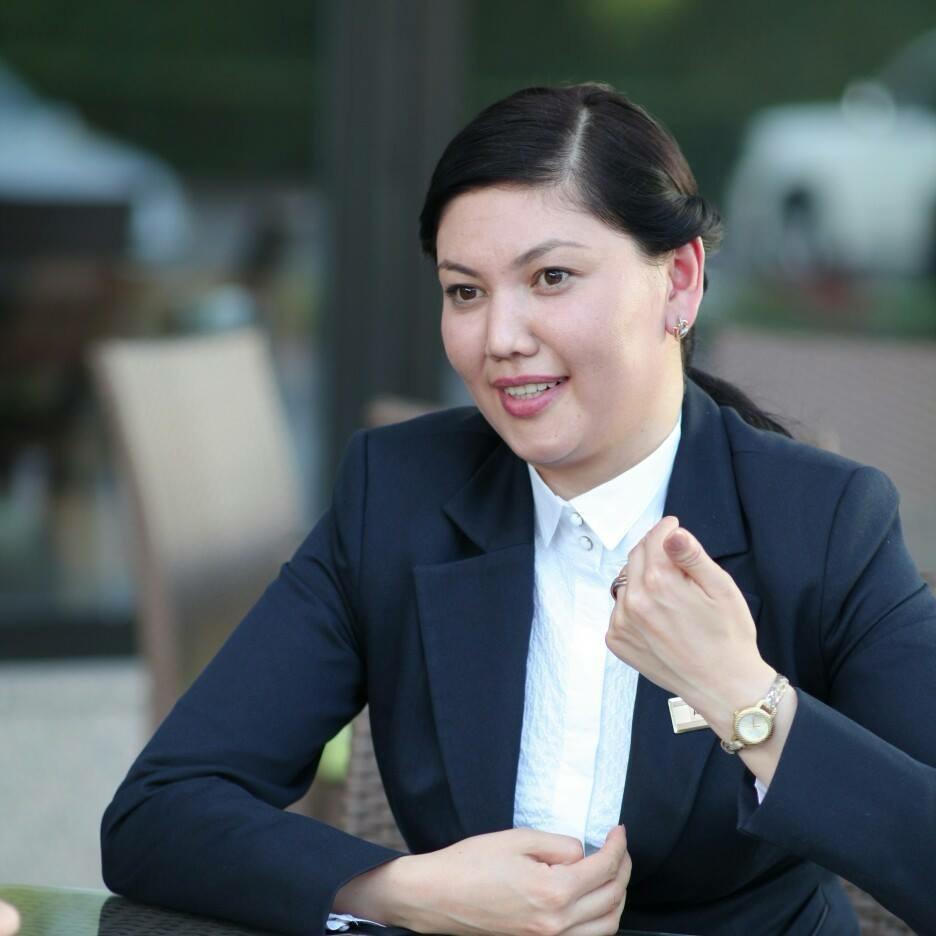
As Central Asia continues to become a regional hub for trade and innovation, The Times of Central Asia spoke with Altynai Asanova, the Executive Director of the American Chamber of Commerce in the Kyrgyz Republic, to discuss the investment climate in Kyrgyzstan, economic trends, and future development.

TCA: I see that your background is primarily in hotel management and sales; how did you transition from this role to your current position?

“My background includes 18 years in the hotel business. Ten years at Hyatt, starting in food and beverage and ending in the hotel sales department; then, I worked at the Orion Hotel for the pre-opening and opening stage for about three years. After this, I was hired by Sheraton, one of the Marriott chain hotels, to work on the pre-opening and opening stage for two years. I was still involved with the business audience and wanted to continue working with the stakeholders and companies who know me.”

TCA: How would you describe the hospitality industry in Kyrgyzstan? Is it mainly in Bishkek or other regions?

“It is developing; before, it was only the Hyatt. Now, there are three or four chain hotels in Bishkek. It is good that there are more players in the market. It is developing day by day. The development is mainly in Bishkek, but we have good perspectives for Issyk Kul as long as the roads and infrastructure are completed. The chain hotels are also becoming interested in Issyk Kul. The good thing is that enough businessmen understand and accept the market challenges in Issyk Kul. They know it will not be financially stable at launch since the busy season is only about 50 days. But if the hotels provide full service and comfort, people will travel there for the full season.”

TCA: Stepping away from hospitality, what did American investment in Kyrgyzstan look like ten years ago?”

“Before, there was an American base in Kyrgyzstan. During that time, the hospitality business was amazing. The rates were high considering the charter flights and pilots who needed a place to stay. Now, these rooms are listed at the lowest rates. At that time, the Hyatt was the only five-star hotel in Bishkek, so all the American guests were staying at the Hyatt. The investment climate dropped after the U.S.-Kyrgyzstan agreement ended. There is opportunity, but it goes slowly.”

TCA: Since then, what has changed in the business climate?

“Business-wise, if we look from the angle of the association, we do not have any purely American business; we have franchise members: KFC, Hyatt, Sheraton, and some banks. It would be nice to have purely American [businesses] here.”

TCA: Who are the current major investors in the Kyrgyz market? And is competition relevant to win contracts with local companies?

“China, Russia, Kazakhstan, the Netherlands, and Turkey are the main investors. Before making any contracts or tenders, we need to understand the possibilities of our market, ‘Is our country ready to accept this level of business?’ The first question is whether Kyrgyzstan is ready, and the second is whether some conditions should be changed to attract investors. We must improve the regulatory environment to improve transparency and ensure the country’s investment attractability. Most of our neighbors are interested in becoming deeply involved in our economies. By contrast, the U.S. is physically very far away, and the market has become very tight for them.”

TCA: What are the biggest markets for the Kyrgyz economy in the next 5-10 years? What do you see attracting the most investment?”

“Mining, apparel, tourism, and agriculture are the most attractive sectors. It would be nice to have international companies enter the market because they bring expertise and standards to their sectors. They are not only teaching people but also providing good working conditions and bringing different cultures together, changing the vision of the people. If the people are well-developed, then the organization will be different. Educational exchange programs are also critical; they strengthen the people-to-people ties. Outside expertise and opinion is essential.”

TCA: The One Belt, One Road Initiative has projects in Kyrgyzstan. Will these projects benefit the Kyrgyz economy or make the country more dependent on China?

“We should understand that any kind of these projects are a win-win for both sides. We already have Chinese companies performing well in the Kyrgyz market. It does not mean they are only looking for money here; they are developing and making efforts. They are also providing benefits for their employees. I hope that these projects produce good results for both sides.”

TCA: Are there any sectors you think the international audience should watch besides mining?

“IT. After the situation in Ukraine, many people relocated to Bishkek. Renting apartments and food is cheaper compared to where they come from. Some companies are interested in opening their hubs here, some in Bishkek and some in Issyk Kul. Compared with other Central Asian countries, the quality of the internet is high, and the price is affordable. It is not 5G yet, but the price and quality are attractive.”

TCA: Has there been any legislation or changes to the laws to attract new investment?

“We have frequent changes to the law, but the main thing is not how it looks on paper, but how it works in real life. The government is working on transparency and easy procedures for tax purposes, but how it is realized matters more. Everything should be amazing on paper, but does it work like this in reality?”

TCA: Would you like to add anything else?

“We should understand that every country has different possibilities, resources, people, and mentalities. However, we should understand that we can promote and develop countries only via fruitful partnerships between countries. During my visit to the U.S., I saw that it is a country of opportunity, technology, and innovation, where everyone can strive for success and realize their dreams. For Kyrgyzstan, it should be a shining example. Of course, it isn’t easy, but if we see these possibilities, I think they are achievable; American businesses are the example to follow. Staying positive and focusing on progress and reaching a goal is paramount.”