• KGS/USD = 0.01144 0%
  • KZT/USD = 0.00198 -0%
  • TJS/USD = 0.10903 0.18%
  • UZS/USD = 0.00008 0%
  • TMT/USD = 0.28571 0%
  • KGS/USD = 0.01144 0%
  • KZT/USD = 0.00198 -0%
  • TJS/USD = 0.10903 0.18%
  • UZS/USD = 0.00008 0%
  • TMT/USD = 0.28571 0%
  • KGS/USD = 0.01144 0%
  • KZT/USD = 0.00198 -0%
  • TJS/USD = 0.10903 0.18%
  • UZS/USD = 0.00008 0%
  • TMT/USD = 0.28571 0%
  • KGS/USD = 0.01144 0%
  • KZT/USD = 0.00198 -0%
  • TJS/USD = 0.10903 0.18%
  • UZS/USD = 0.00008 0%
  • TMT/USD = 0.28571 0%
  • KGS/USD = 0.01144 0%
  • KZT/USD = 0.00198 -0%
  • TJS/USD = 0.10903 0.18%
  • UZS/USD = 0.00008 0%
  • TMT/USD = 0.28571 0%
  • KGS/USD = 0.01144 0%
  • KZT/USD = 0.00198 -0%
  • TJS/USD = 0.10903 0.18%
  • UZS/USD = 0.00008 0%
  • TMT/USD = 0.28571 0%
  • KGS/USD = 0.01144 0%
  • KZT/USD = 0.00198 -0%
  • TJS/USD = 0.10903 0.18%
  • UZS/USD = 0.00008 0%
  • TMT/USD = 0.28571 0%
  • KGS/USD = 0.01144 0%
  • KZT/USD = 0.00198 -0%
  • TJS/USD = 0.10903 0.18%
  • UZS/USD = 0.00008 0%
  • TMT/USD = 0.28571 0%
05 December 2025

Human Rights Groups Urge Turkmenistan to Release Activists Ahead of Neutrality Anniversary

As Turkmenistan prepares to mark the 30th anniversary of its policy of permanent neutrality, international human rights organizations are urging the government to commemorate the occasion by releasing civil society activists imprisoned for peacefully expressing their views.

In a joint appeal, the International Partnership for Human Rights (IPHR), the Turkmen Initiative for Human Rights (TIHR), Turkmen.News, and the Norwegian Helsinki Committee (NHC) called on Turkmen authorities to use the milestone as an opportunity to take a humanitarian step by pardoning activists jailed on politically motivated charges.

The organizations emphasized that presidential pardons remain the only available legal mechanism for early release in Turkmenistan. Including these cases in the official pardon process, they argue, would demonstrate the country’s willingness to align with international human rights standards.

Among the prisoners named in the appeal is Mansur Mingelov, a human rights activist who has been incarcerated since 2012. He is serving a 22 year sentence after publicly denouncing the abuse of ethnic Baloch people. Another activist, Murat Dushemov, was sentenced to four years for publicly criticizing the government and its handling of the COVID-19 pandemic. He was expected to be released in the summer of 2025.

The rights groups also expressed growing concern about activists and citizen journalists who were detained abroad and reportedly subjected to forced return to Turkmenistan, where they face prosecution under opaque legal processes.

Citizen journalists Alisher Sakhatov and Abdulla Orusov were detained in Turkey in April 2025 on charges of “threatening public safety.” Farhat Meymankuliev was deported from Turkey in 2023 and, according to human rights monitors, subsequently imprisoned following a closed trial. In another case, Malikberdy Allamyrradov was secretly transferred from Russia to Turkmenistan in December 2023 and later charged with assaulting a cellmate. Saddam Gulamov was also forcibly returned from Russia and sentenced to a prison colony in the Lebap region.

The human rights groups argue that freeing these individuals would send a strong message of goodwill during a major national celebration and offer a concrete signal of Turkmenistan’s readiness to uphold its international obligations.

Kyrgyzstan Seeks to Deepen Economic Ties with Germany

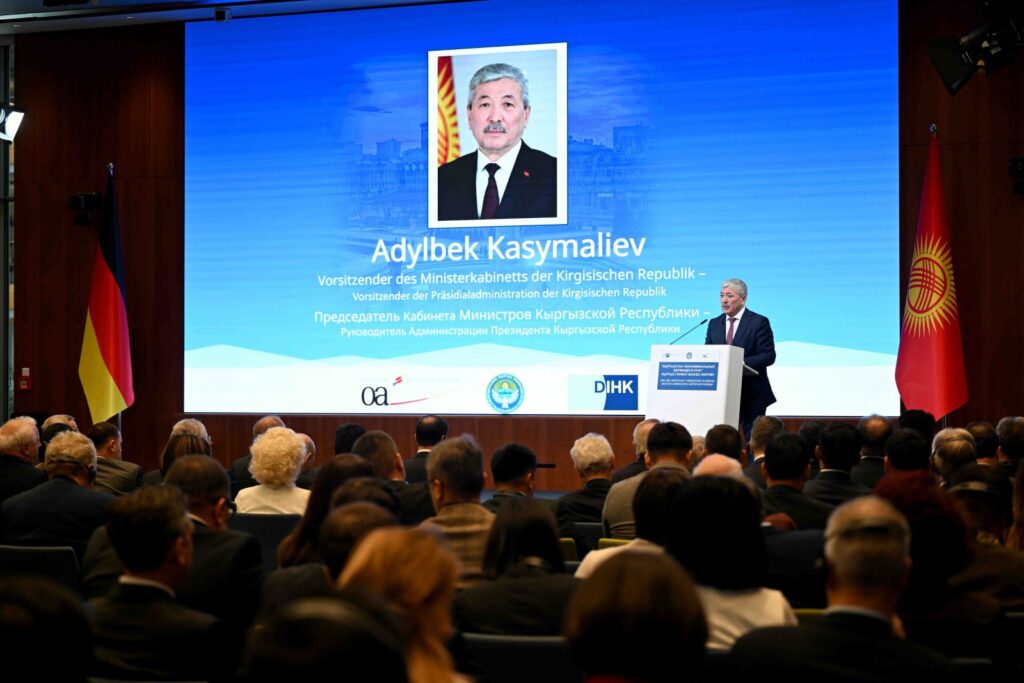
On November 28, Berlin hosted the Kyrgyz-German Business Forum and the fifth meeting of the Kyrgyz-German Business Council, with the participation of Adylbek Kasymaliev, Chairman of the Cabinet of Ministers of Kyrgyzstan.

The event was organized by Kyrgyzstan’s National Investment Agency, the Eastern Committee of the German Economy, and the German Chamber of Commerce and Industry. It brought together over 300 participants from government agencies, financial institutions, and business sectors of both countries. Key areas of cooperation included the implementation of a dual vocational education system based on the German model, legal and organized labor migration from Kyrgyzstan to Germany, and joint projects in energy, green technologies, information technology, and agriculture.

During the forum, Kasymaliev called on German companies to deepen engagement with Kyrgyzstan, from supplying equipment to investing in sustainable and green development initiatives.

The primary purpose of Kasymaliev’s visit was to launch the second cycle of the “Days of the Economy of Kyrgyzstan and Germany,” a bilateral initiative aimed at strengthening economic cooperation and attracting foreign investment.

At the Business Council meeting, Kasymaliev outlined three priority areas for collaboration.

The first is financial and banking integration. He proposed establishing direct correspondent banking relationships between Kyrgyz and German financial institutions to enhance trade transparency, expedite transactions, and ensure greater security in bilateral trade.

The second priority is cooperation in education and vocational training. Kyrgyzstan seeks to expand partnerships between universities, vocational schools, and industry centers, as well as to develop academic exchange and joint educational programs modeled on Germany’s experience.

The third area of focus is labor migration. “Kyrgyzstan proposes to jointly develop targeted training programs, including professional and language training, as well as mechanisms for recognizing professional qualifications,” Kasymaliev stated. He emphasized that such cooperation would ensure fair working conditions and safeguard the rights of Kyrgyz citizens while addressing labor shortages in Germany.

On November 29, Kasymaliev also visited the international postal exchange center of Kyrgyz Pochtasy (Kyrgyz Post) OJSC in Berlin. He noted that the establishment of such a center in the heart of Europe represents an important step toward boosting Kyrgyzstan’s export potential and expanding access for Kyrgyz businesses to European markets.

Samarkand’s CoP20 Opens with High-Stakes Debates on Wildlife Trade and Species Protection

The world’s largest conference on wildlife trade opened last week in Samarkand, drawing nearly 3,000 delegates to Uzbekistan for two weeks of critical negotiations that could reshape global conservation policy. The 20th meeting of the Conference of the Parties to the Convention on International Trade in Endangered Species of Wild Fauna and Flora (CITES CoP20) is being held in Central Asia for the first time, a region increasingly impacted by transcontinental wildlife trafficking routes connecting Africa and Asia.

Hosted by Uzbekistan’s National Committee on Ecology and Climate Change, CoP20 carries the theme “CITES at 50 in Samarkand: Bridging Nature and People,” commemorating five decades of global conservation under the Convention and echoing the city’s legacy as a historic crossroads of commerce and ideas.

One of the central issues dominating this year’s meeting is a series of proposals concerning African megafauna, particularly elephants, rhinos, and giraffes. These proposals, submitted by several African range states, challenge the extent to which legal trade in vulnerable species should be permitted, given decades of poaching and habitat degradation.

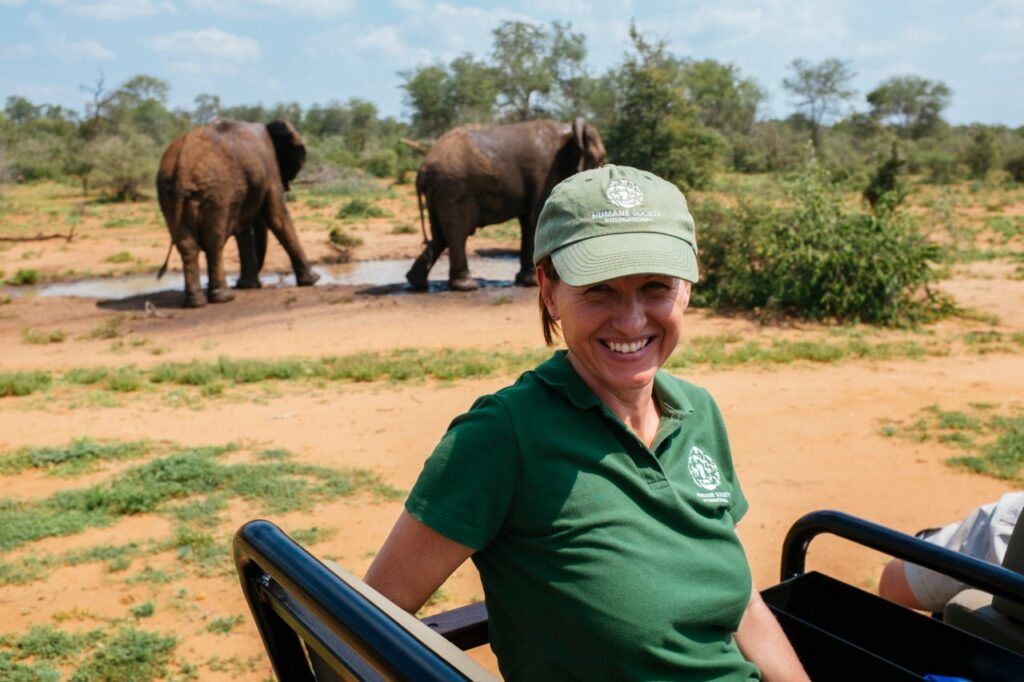
Audrey Delsink, Senior Director at Humane World for Animals, warned of the dangers these proposals pose. “All the species proposals concerning African megafauna are highly concerning because of the impact they will have on the respective species and the repercussions on illegal trade should the proposals be accepted,” she told The Times of Central Asia.

Among the most controversial is a joint proposal by Namibia, South Africa, Tanzania, and Zimbabwe to remove most southern African giraffe populations from CITES Appendix II. Delsink cautioned that this would create a fragmented regulatory regime, complicating enforcement. “It is very difficult to differentiate bones and pelts of the different species and subspecies, making it easy to launder endangered giraffe species through the system,” she said. With wild giraffe populations estimated at fewer than 120,000, any weakening of controls could prove disastrous.

Similar concerns surround Namibia’s proposal to sell ivory from registered government stockpiles. Delsink warned that the legal ivory trade has historically masked illicit flows and could trigger renewed poaching. “Legal trade provides a cover for illegal ivory and fuels illegal trade, poaching, and consumer demand,” she said, noting that CITES members have rejected such proposals for nearly two decades.

Central Asian countries, increasingly used as transit corridors for high-value wildlife contraband, are becoming key players in enforcement. Smuggling networks exploit Eurasian air, rail, and road links to move products such as ivory, rhino horn, and exotic animals.

Delsink highlighted the “Samarkand Declaration and Action Plan (2025-2032),” signed this week by Kazakhstan, Kyrgyzstan, Tajikistan, Turkmenistan, and Uzbekistan, as a major step toward regional coordination. The agreement commits signatories to harmonize laws and improve intelligence-sharing mechanisms.

Image: National Committee on Ecology of Uzbekistan

“Intelligence-led operations and rapid information exchange between agencies can disrupt organized crime networks that exploit porous borders,” Delsink said. She also underscored the need for customs modernization and officer training, supported by organizations such as TRAFFIC and the UN Office on Drugs and Crime.

Beyond enforcement, Delsink advocated for community-based conservation approaches adapted from African models. These include beehive fences to deter elephants from crop-raiding, chili-based repellents, and local ranger initiatives. “These methods empower local leadership and deliver economic benefits to communities,” she said.

Rhinos remain under intense scrutiny. On November 29, CITES delegates in Samarkand rejected Namibia’s proposals to relax trade protections for Southern white and critically endangered black rhinos, choosing instead to maintain maximum safeguards.

Meanwhile, landmark decisions were reached on marine species. Whale sharks, gulper sharks, manta rays, and devil rays, all affected by severe population declines, received stronger protections.

Whale sharks were uplisted to Appendix I, banning nearly all international commercial trade. Their numbers have plummeted by 92% globally due to overfishing, vessel collisions, and demand for fins and meat. Gulper sharks, valued for their liver oil used in cosmetics and pharmaceuticals, were added to Appendix II. Manta and devil rays, which reproduce slowly and are heavily targeted for their gill plates and fins, also received Appendix I status.

Lawrence Chlebeck, marine program manager at Humane World for Animals Australia; image: TCA

“These sharks are victims of a veracious trade,” said Lawrence Chlebeck, Marine Program Manager at Humane World for Animals Australia. “The new protections throw them a vital lifeline.”

Chlebeck warned that without these measures, “future oceans without these beautiful animals is sadly an inevitability.” He praised the international coalition backing the proposals, which reflect growing global awareness that many shark and ray species are approaching ecological collapse.

Asked about the role of landlocked countries like Uzbekistan, Chlebeck stressed that non-coastal states play a critical role in enforcement and supply-chain regulation. “They can strengthen import controls and ensure that products derived from sharks and rays originate only from sustainable and legal sources,” he said.

Other items on the CoP20 agenda include proposed loosening of giraffe trade restrictions despite a 40% drop in wild populations over three decades; attempts to reintroduce commercial trade in live elephants and rhino horn; and new protections for critically endangered vultures, Galápagos land iguanas, and gecko species vulnerable to the exotic pet trade.

Qazaq Gourmet Draws Global Gastronomic Spotlight

In late November, Paris hosted the anniversary ceremony of La Liste 2025, one of the world’s most prestigious gastronomic events. This year’s ceremony held special significance for Kazakhstan: Qazaq Gourmet, a restaurant specializing in haute Kazakh cuisine, not only represented the country at the French Ministry of Foreign Affairs but also received a special honor, the La Liste 2026 Plate.

For the QazElles community in France, this recognition marked the continuation of a journey that began last year when Qazaq Gourmet was first included in La Liste’s global ranking of the best restaurants. That initial listing signaled international recognition; this year’s award reflects growing interest in Kazakh cuisine among the global culinary elite.

@Madina Kulman

Throughout the evening, chefs and representatives from leading restaurants in Japan, France, Spain, and Italy visited the Qazaq Gourmet table. Many were encountering elevated Kazakh cuisine for the first time, a novelty that sparked considerable curiosity. Guests asked about preparation techniques, native ingredients, and the cultural heritage of the dishes, exchanging impressions and expressing delight at discovering unfamiliar flavors.

Kazakhstan’s ambassador to France, Gulsara Arystankulova, was in attendance, lending diplomatic weight to the occasion and highlighting the country’s commitment to promoting its national cuisine on the international stage.

With Head Chef Artem Kantsev, @Madina Kulman

The La Liste 2026 Plate is awarded to restaurants that demonstrate consistent quality, make use of local products, and show potential for international influence. This recognition is particularly significant for Qazaq Gourmet at a time when La Liste is increasing its focus on Asian gastronomy. Kazakh cuisine is now firmly on the radar of global culinary experts. La Liste’s methodology combines expert reviews, critical ratings, and data-driven analysis, making its awards a credible benchmark in the culinary world.

For Kazakhstan, the recognition marks a step forward in gastronomic diplomacy. For Qazaq Gourmet, it affirms that its modern interpretation of national cuisine resonates on the global stage and suggests that further accomplishments are within reach.

Kazakhstan Aims to Double Output of Existing Medium-Sized Enterprises

Kazakhstan’s Ministry of National Economy, in partnership with the European Bank for Reconstruction and Development (EBRD), is developing a strategy to help existing medium-sized enterprises increase their production capacity two to threefold. The initiative is part of the “Improving the Investment Attractiveness of Medium-Sized Businesses” program.

Deputy Minister of National Economy Yerlan Sagnaev announced the initiative at a press conference hosted by the Central Communications Service. According to Sagnaev, companies will receive state-backed support in the form of diagnostic assessments and customized development plans.

“Today, medium-sized businesses are primarily concentrated in the manufacturing sector, which currently accounts for about 12% of total SME output. Yet there remains significant untapped potential for growth, as much as two to three times the current level,” he said.

Sagnaev noted that the most active sectors include metallurgy, light industry, construction materials, mechanical engineering, and chemicals. The state plans to prioritize these industries, including through joint programs with the EBRD.

According to ministry data, small and medium-sized enterprises (SMEs) now contribute 39.8% to Kazakhstan’s GDP. In the first half of 2025, the sector’s total output reached $82.6 billion, representing a 25% increase. Employment in the SME segment rose by 3.9% to 4.4 million people, with trade, industry, construction, transport, and agriculture driving the highest growth.

However, challenges persist. A recent Business Climate rating by the “Atameken” National Chamber of Entrepreneurs  shows that while 35.4% of small businesses plan to expand, only 10.1% are interested in launching new projects. Requests for government support remain modest at 18.8%, and 6.2% of respondents are considering staff cuts or closures.

Timur Zharkenov, Deputy Chairman of the Atameken Board, highlighted the most pressing concerns for medium-sized businesses: a high tax burden (28.1%), labor shortages (16.2%), and inconsistent support from local authorities for investment initiatives.

In autumn 2025, domestic manufacturers reported a decline in orders and a rise in production costs, reinforcing the urgency of state support and the need to improve operational efficiency.

UN Meeting on Wildlife Trade Rules on Saiga, Striped Hyena

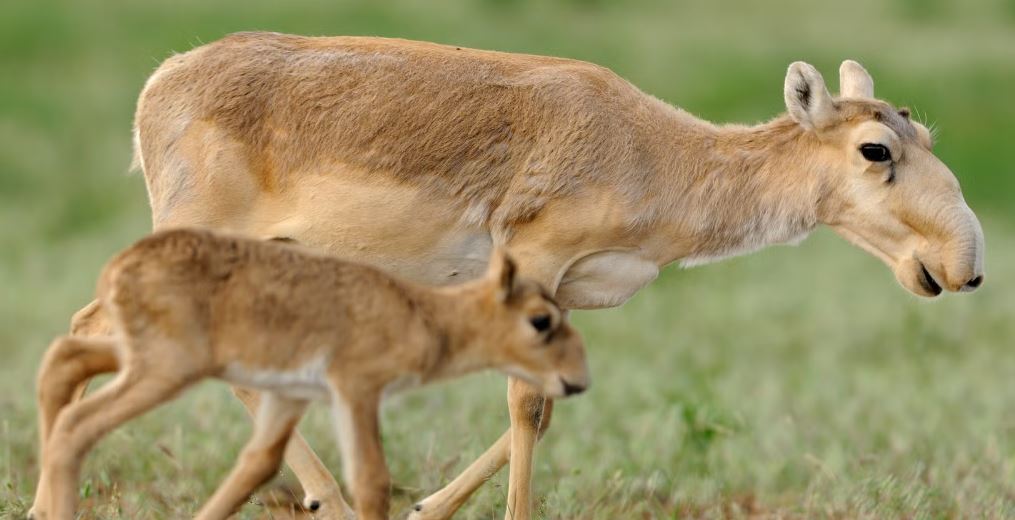
Delegates to a United Nations meeting on global wildlife commerce have approved a proposal by Kazakhstan to loosen trade restrictions on the saiga antelope, while rejecting a move by Tajikistan to tighten protections for the striped hyena.

The decisions came in Samarkand, Uzbekistan, where several thousand representatives from around the world have gathered for a meeting of the Convention on International Trade in Endangered Species of Wild Fauna and Flora, or CITES. The conference, which runs from November 24 to December 5, was last held in Panama in 2022.

The decision to relax trade in saigas, whose horns are used in traditional medicine, is a response to the spectacular recovery of the species after it was close to extinction. Kazakhstan presided over this conservation success story, and the CITES decision amends a “zero export quota” to exclude saigas only from populations Kazakhstan.

A CITES committee adopted the proposal by a vote of 111 in favor, 7 against, and 14 abstentions, reported the Earth Negotiations Bulletin, which covers U.N. environment and development negotiations. A proposal needs a two-thirds majority vote to be approved.

More saiga safeguards were added in an amendment backed by Britain, the European Union and the United States, and the situation will be reviewed at the next CITES meeting in a few years.

Mongolia, which has a smaller, more vulnerable population of saigas, had opposed Kazakhstan’s initiative. Some groups, including the New York-based Wildlife Conservation Society, said the reopening of commercial trade in Kazakhstan’s saigas could increase consumer demand, promote poaching and put pressure on enforcement mechanisms.

In the case of the striped hyena, Tajikistan unsuccessfully sought to persuade delegates to the wildlife trade meeting to place the species on Appendix I, a CITES designation that would effectively bar trade aside from with a few exemptions. The species, labeled “near threatened” by the global IUCN Red List of Threatened Species, is currently on the much less restrictive Appendix III.

Algeria, Iran and Kazakhstan were among countries that backed Tajikistan’s proposal, while Britain, the European Union, Zambia and Tanzania said the proposal doesn’t meet Appendix I criteria, according to the Earth Negotiations Bulletin.

A CITES committee rejected Tajikistan’s proposal in “a secret ballot of 75 for, 47 against and 13 abstentions,” the bulletin said, indicating that proponents did not pass the two-thirds threshold.

The striped hyena has a vast range that includes Africa, the Middle East, and Central Asia, but there is difficulty in obtaining data on the solitary, noctural species.

Additionally, while habitat degradation and human-wildlife conflict are factors in the population’s decline, uncertainty over how much the illegal trade in the striped hyena is affecting its numbers may have raised questions about whether Tajikistan’s proposal was justified.