Kyrgyzstan has recorded more than 240 mudflows since the beginning of 2026, already well above the 133 cases registered during the whole of 2024.
The figures were reported by the country’s Ministry of Emergency Situations following a series of destructive floods and mudflows in June, when heavy rain hit several parts of the country, damaging homes, farmland, and a wide range of infrastructure.
According to the ministry, 66 mudflow and flooding incidents were recorded between June 19 and 21. The southern part of the country – Batken, Osh, Jalal-Abad, as well as the northern region of Talas were among the affected regions.
More than 300 homes were damaged or flooded over that three-day period, while emergency crews evacuated around 50 people from dangerous areas. The ministry also reported heavy livestock losses.
The deadliest recent incident occurred on June 24, when a mudflow swept away a car on the Osh-Alay highway, killing six people. The ministry had earlier reported two mudflow-related deaths this year, bringing the reported 2026 toll to at least eight.
That remains lower than the 25 deaths recorded in 2024, despite the higher number of incidents this year. Emergency officials say improved response work and protective measures have helped reduce casualties, though the scale of the damage remains severe.
Kyrgyzstan has faced repeated mudflow damage in recent years, including flooding in southern regions and around Issyk-Kul. Its mountainous geography makes it particularly exposed to mudflows, as well as avalanches and landslides. Officials have also pointed to climate change, saying heavier and less predictable rainfall is increasing the danger.
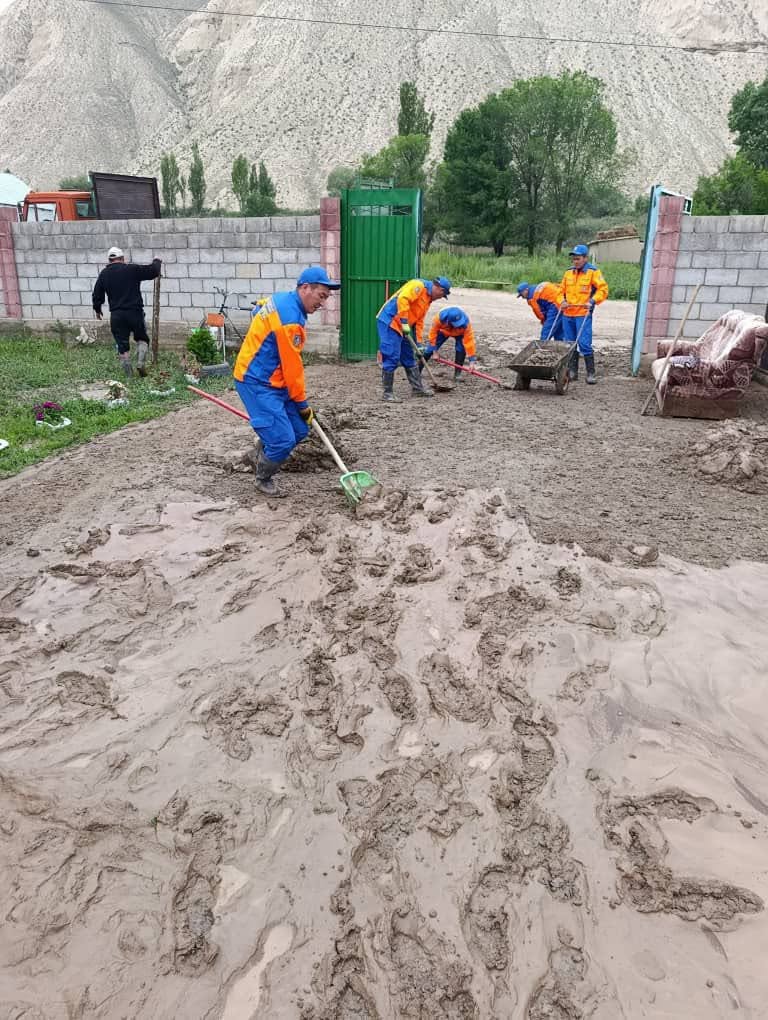
Image: Ministry of Emergency Situations of the Kyrgyz Republic
The Ministry of Emergency Situations is working with counterparts in Uzbekistan and Tajikistan under the regional RESILAND CA+ program, which is backed by the World Bank. The project is designed to reduce disaster risks in particular through building protective infrastructure and improving forecasting.
In Kyrgyzstan, the program covers 21 high-risk sites in four regions. Work has already begun on strengthening vulnerable areas and restoring mudflow-protection infrastructure.
The regional push comes as Central Asian governments warn that climate-related disasters are becoming harder to manage at the national level alone.
“Completely preventing mudflows is impossible, but their impact on people can be significantly reduced,” Deputy Emergency Situations Minister Akylbek Mazaripov said.
He also urged residents to take greater care when building homes near riverbeds and other hazardous areas.
“Each person’s safety is also their own responsibility,” Mazaripov said. “Before building a house near a riverbed, people need to understand that one day a mudflow may pass through there.”
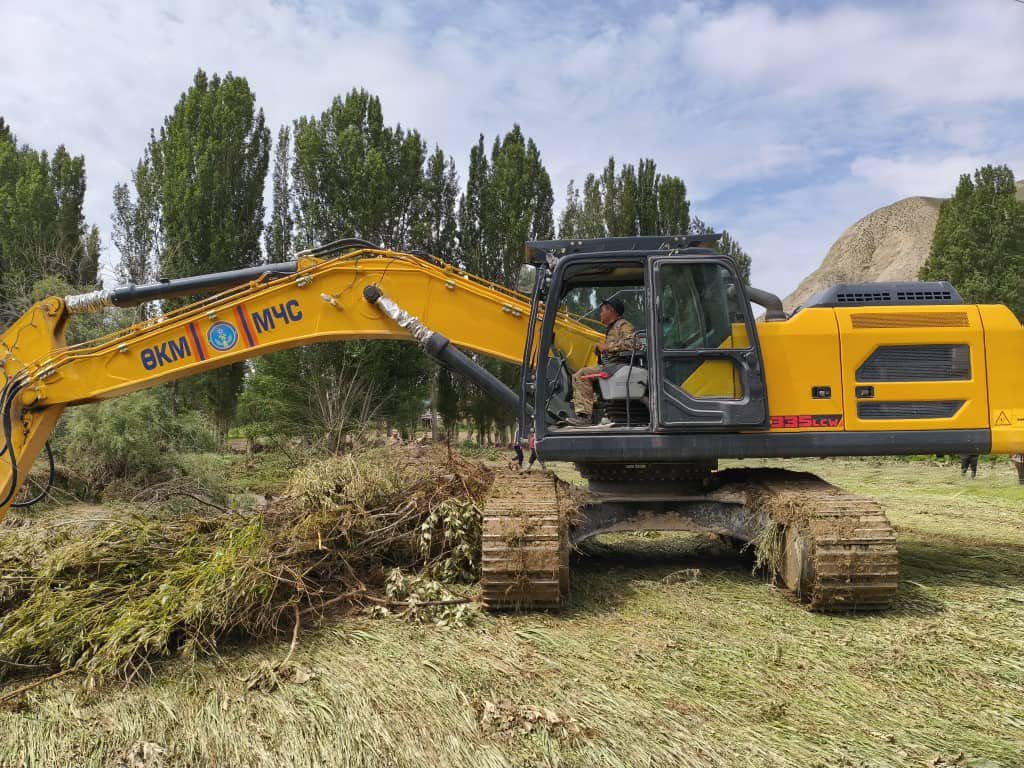
Emergency crews remain deployed in affected areas, where they are clearing riverbeds, repairing protective structures, and coordinating relief work with local authorities.