Turkey has begun restricting some commercial vessels from entering the Black Sea on voyages to Novorossiysk, adding a potential new obstacle to Kazakhstan’s oil exports through the Caspian Pipeline Consortium amid reports that Ukraine has agreed to spare CPC infrastructure and qualifying non-Russian tankers from attack.
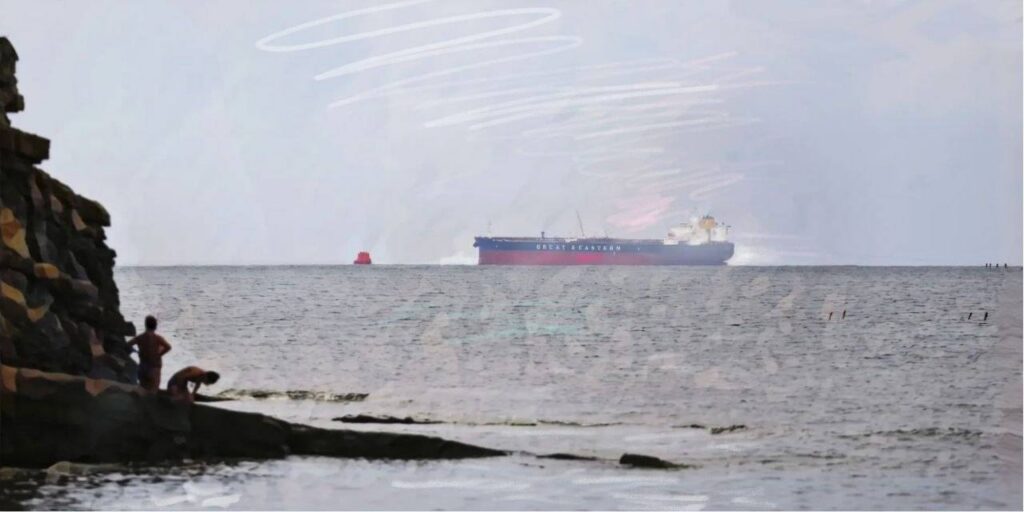
Turkey’s Directorate-General of Coastal Safety has told multiple ships bound for Novorossiysk that it is not currently issuing transit permits for those voyages or needs more time to review applications through the Dardanelles. The authorities have not publicly explained the measure. Some vessels were told the restriction also applied to ships heading to Ukraine, while traffic bound for Bulgarian and Turkish ports continued.
There is no confirmation that any tanker scheduled to load Kazakh crude at the CPC terminal has been denied passage. The measure nevertheless comes at a difficult point for CPC, where repeated attacks and stoppages have already made some shipowners reluctant to accept voyages to the terminal near Novorossiysk.
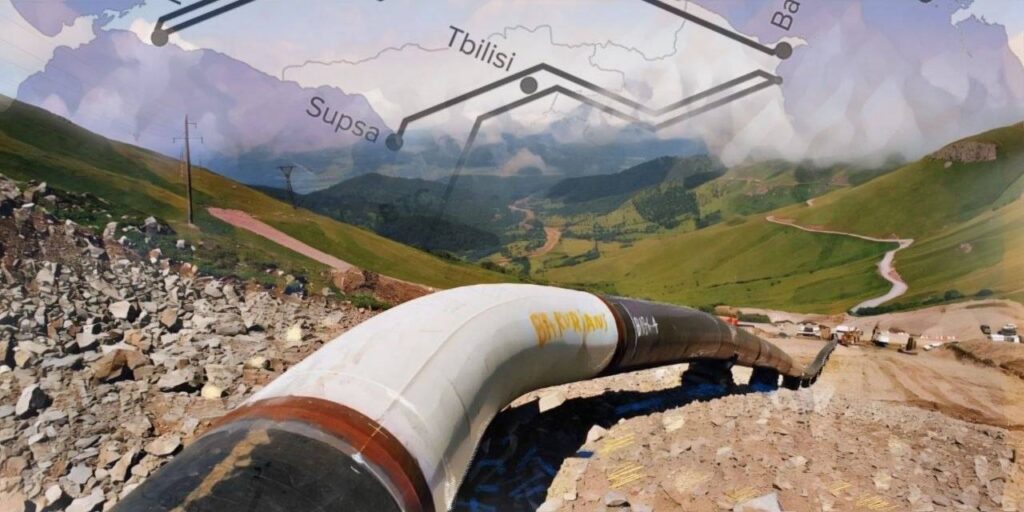
On August 7, Reuters reported that CPC loadings fell more than 20% behind schedule in July, to around 1.2 million to 1.3 million barrels per day. That removed about 400,000 barrels a day of CPC Blend from the international market. Loadings averaged roughly 1.1 million to 1.2 million barrels per day in the first week of August, while Kazakhstan’s oil production has fallen 14% from June.
CPC normally handles around 1.5 million to 1.7 million barrels per day and carries more than 80% of Kazakhstan’s oil exports. Four tankers completed loading after the July 30 attacks, but operations remained intermittent as tanker availability and security concerns continued to limit the recovery.
The Turkish restrictions emerged on the same day as a potentially important change in the security picture around CPC. According to an unnamed U.S. government official cited by Bloomberg, Ukraine has agreed not to target CPC infrastructure or qualifying non-Russian vessels bound for the terminal, provided they are not under Ukrainian sanctions, are not carrying Russian cargo, and are not owned by Russian individuals or entities.
Ukraine has also established points of contact through which commercial shippers can provide vessel information and seek safe passage. The arrangement follows months of U.S. pressure over the exposure of Kazakhstan-origin crude and Western commercial interests at CPC. During a July 29 call, U.S. Secretary of State Marco Rubio and Kazakhstan’s Foreign Minister Yermek Kosherbayev discussed the need for “reliable and uninterrupted” exports of Kazakhstan-origin oil through the system.
The commitment could reduce one source of risk for ships serving CPC, but it does not immediately resolve the commercial disruption. Previous attempts by companies to identify vessels that should not be targeted did not prevent all attacks, while war-risk insurance and charter costs have risen sharply.
Ankara has become increasingly vocal as attacks spread across the Black Sea. Turkey’s Foreign Ministry said the Turkish-owned civilian vessels Yaşar and Nadezhda were attacked by drones on August 3 after leaving Novorossiysk, injuring crew members including Turkish citizens. It warned that further escalation could have broader consequences, including for food security, and called for concrete measures to protect navigation.
Foreign Minister Hakan Fidan went further on August 8, calling for a mechanism that would allow Russia and Ukraine to declare a moratorium on attacks against vessels in the Black Sea. “The conflict has spread across the whole Black Sea,” he said.
For Kazakhstan, the two developments point in different directions. The Ukrainian commitment could improve security for tankers carrying Kazakh crude, while tighter Turkish scrutiny of Novorossiysk-bound traffic could make it harder for enough vessels to reach CPC. Until shipowners can enter, load, and leave the terminal with greater confidence, Kazakhstan’s main oil export route remains vulnerable to disruption.