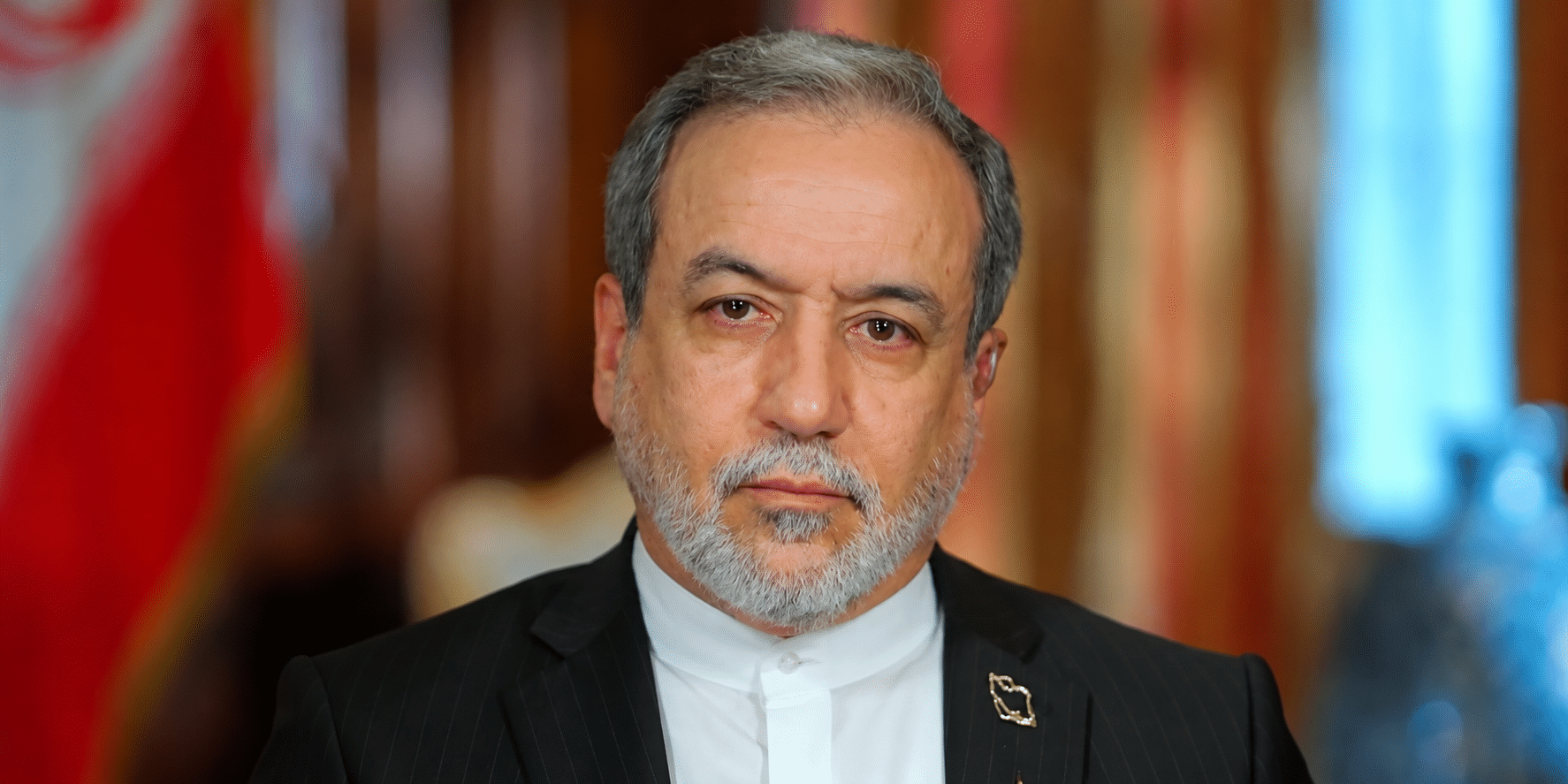
Foreign Minister Seyyed Abbas Araghchi is leading a diplomatic and economic delegation on a visit to Turkmenistan this week, according to Iranian state media.
Araghchi will travel to Ashgabat on Monday for talks with Turkmen officials on “areas of mutual interest,” reported the Islamic Republic News Agency, or IRNA.
The report didn’t specify the areas, but Iran has been working to develop its relationships in Central Asia as it faces pressure because of conflict in the Middle East, Western sanctions, and disruption to its trade routes. On October 26, Araghchi and Turkmen counterpart Rashid Meredov spoke by phone about “continuing diplomatic consultations and political efforts to de-escalate tensions and establish lasting stability and security in the region,” Iran’s Ministry of Foreign Affairs said.
Turkmenistan has a policy of permanent neutrality under which it commits to staying out of military alliances, promoting peaceful relations and not getting involved in other countries’ affairs. In July, it issued an unusually sharp statement after an attack on an Iranian vessel in the Caspian Sea that the Iranian government blamed on Ukraine. The Turkmen government described the attack as unacceptable.
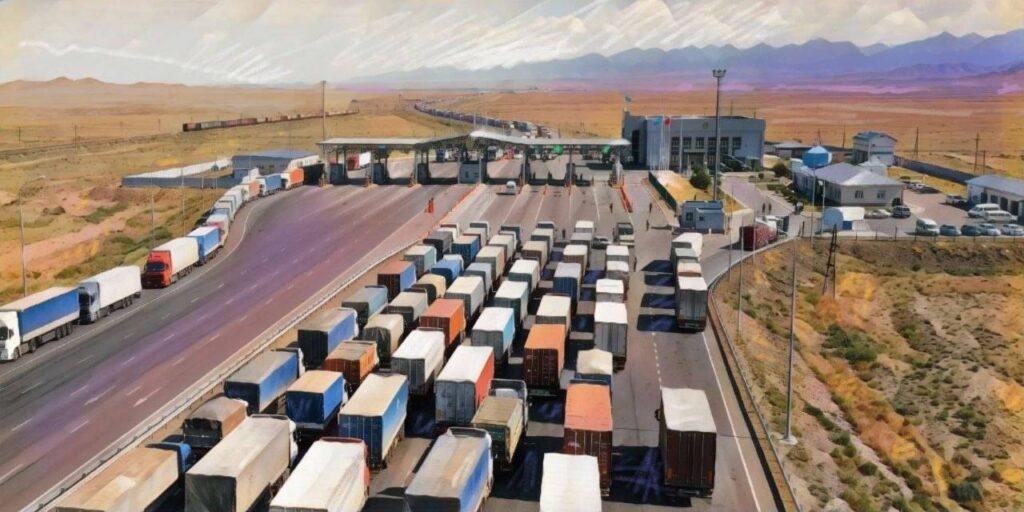
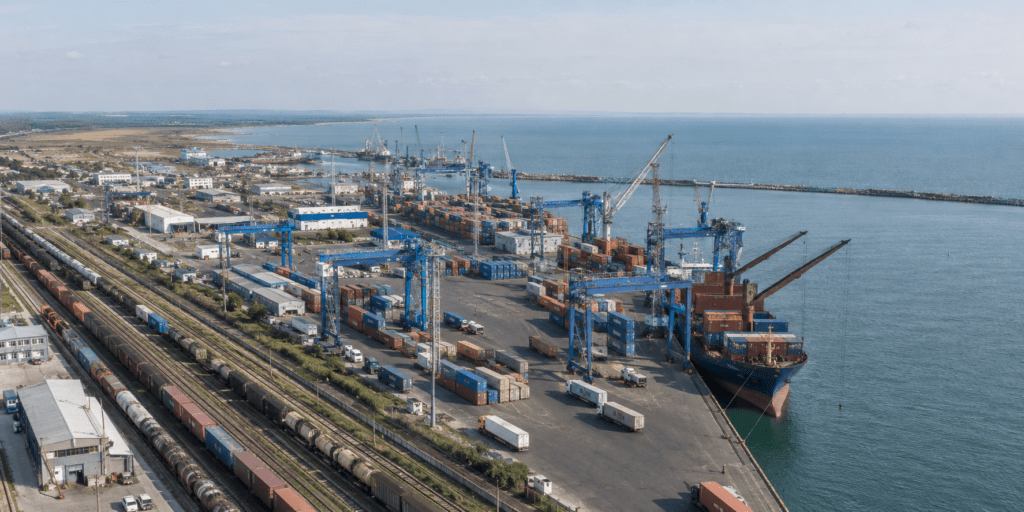
The Caspian Sea is critical to Turkmenistan’s efforts to expand its role as a transit point on the Middle Corridor, a trade network linking China and Central Asia to Europe via rail and maritime links. The country’s main port is Turkmenbashi.
Iran has a long border with Turkmenistan and is also a Caspian Sea littoral state, with its northern port of Amirabad. The sea is an alternative route for some of Iran’s regional trade, including with Russia to the north.
Iran also offers Central Asia a southern route for goods to reach the Persian Gulf and beyond, though that route has been disrupted by blockades, restrictions and attacks in the Strait of Hormuz.
In another area of collaboration, Iran imports electricity from Turkmenistan to offset shortages in northern Iranian provinces, and the two countries recently discussed expanding and extending the arrangement. They have also worked together on energy swap deals under which Iran would provide natural gas to other countries, including Azerbaijan and Iraq, and receive similar amounts of gas from Turkmenistan in return.