Kazakhstan has appointed a new chief of the national railway company, Kazakhstan Temir Zholy (KTZ), as its owner, Samruk-Kazyna, says investment banks advising on the company’s stock market debut have recommended postponing it until 2027. The appointment follows the arrest of KTZ’s former chairman and comes days before a temporary waiver on a breached loan condition expires.
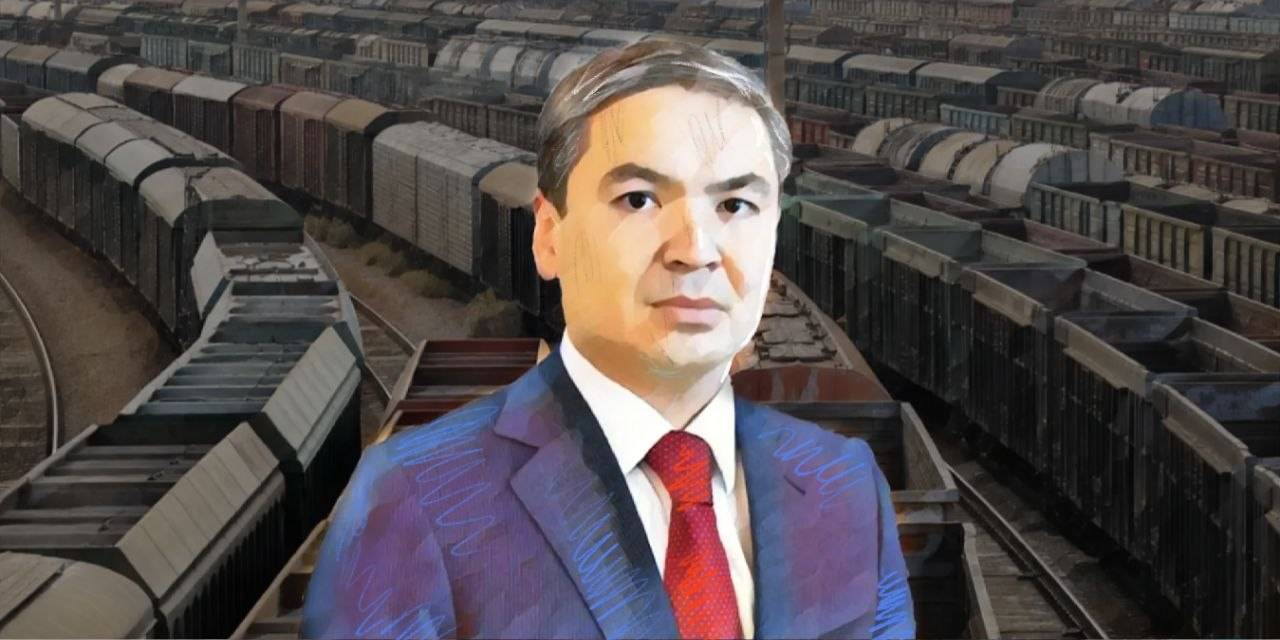
Yersaiyn Nagaspayev, previously minister of industry and construction, took charge on November 24. He worked at KTZ before entering the cabinet. Prime Minister Olzhas Bektenov met with KTZ management and instructed Nagaspayev to strengthen oversight and anti-corruption controls, and demanded greater personal responsibility from executives. “Those who are not prepared to work for the benefit of the state must leave,” he said.
Nagaspayev’s predecessor, Yelzhas Otynshiyev, was detained on November 11 by the National Security Committee’s anti-corruption service alongside Nurlan Zhakupov, head of Samruk-Kazyna, Kazakhstan’s sovereign wealth fund. Otynshiyev had only led KTZ since July. Both were ordered into pretrial custody on November 14 on suspicion of a corruption-related offense. The authorities have not disclosed details of the alleged crime, and neither has been convicted.
The IPO Timetable Shifts Again
Samruk-Kazyna told Interfax on November 23 that investment banks advising the railway had recommended moving its initial public offering (IPO) to 2027. The fund cited deteriorating international markets and recent volatility.
China International Capital Corporation (CICC) is the sole sponsor of KTZ’s Hong Kong listing, according to the stock exchange filing. Samruk-Kazyna has not identified which investment banks recommended postponement.
The listing is being prepared for exchanges in Hong Kong, London, and Kazakhstan. KTZ passed a Hong Kong listing hearing on November 5, and the exchange published a post-hearing filing on November 11, the same day the heads of KTZ and Samruk-Kazyna were detained. The timetable had already changed once: in May, a minister suggested early 2027, but Samruk-Kazyna subsequently restored its end-of-2026 target.
Under the original offering plan, KTZ would retain IPO proceeds for investment and debt repayment, including construction of the Bakhty–Ayagoz railway, a 303-kilometer line intended to establish a third rail crossing with China and ease congestion at the two existing crossings. Any postponement would push back that potential source of capital.
Infrastructure spending remains substantial. TCA’s latest freight figures show Middle Corridor container traffic rose 64% to 57,300 TEUs in January–October. Kazakhstan aims to increase annual shipments to 300,000 TEUs by 2029. Bektenov wants the Darbaza–Maktaaral railway, which will expand freight capacity to Uzbekistan, and the Moyynty–Kyzylzhar line, which will shorten the Middle Corridor route by 149 kilometers, completed this year. The Bakhty–Ayagoz line is scheduled for completion in 2027.
Debt and the November 30 Waiver
Outstanding KTZ borrowing reached 3.78 trillion tenge ($8.5 billion) at the end of September, up from 3.19 trillion tenge at the end of 2025, while its first-half net profit more than doubled to 191 billion tenge.
KTZ’s June financial statements show that it breached a borrowing condition, with its debt ratio reaching 1.18 against a maximum of 1.15 set by some lenders. HSBC Continental Europe waived the breach until November 30. KTZ is seeking further waivers from lenders and considering converting some bonds held by Samruk-Kazyna into securities with no fixed repayment date. KTZ warned that its debt ratio could again exceed the lenders’ limit when its finances are reviewed on December 31.
The financial problems are longstanding. In June 2024, Supreme Audit Chamber chairman Alikhan Smailov warned that KTZ risked default without major management changes. At the time, the company owed 2.9 trillion tenge and was using 45% of its borrowing to refinance existing debt.
Views on the current risks differ. In a November 18 interview with TCA, former KTZ public relations director Murat Buldekbayev said the company was profitable, servicing its debt, and continued to renew its network. “If I were a KTZ shareholder, I would not be worried,” he said. Buldekbayev regarded frequent management changes as a greater operational problem than the arrests themselves.
However, Daniyar Temirbayev of the QAMS Association of Minority Shareholders warned that the inquiry could delay the IPO indefinitely by complicating corporate decisions. Financial analyst Rasul Rysmambetov also favored postponement, but for financial rather than reputational reasons.
A Wider Governance Test
The arrests followed earlier scrutiny of Samruk-Kazyna’s management. A TCA examination of the fund found that a state audit had identified 119 systemic shortcomings across 18 entities. In 2025, approximately 62% of the group’s $7.7 billion in procurement contracts were awarded through single-source procedures.
At a November 13 Security Council meeting, President Kassym-Jomart Tokayev called the arrests “an extremely serious signal of large-scale corruption in state-owned companies.” He warned of damage to Kazakhstan’s reputation and foreign partners’ confidence, and ordered the government to present reform proposals by November 24.
Five days after the arrests, Tokayev replaced KNB chief Yermek Sagimbayev with Marat Irmenov, and demanded tighter anti-corruption controls within the security service.
On November 18, Bektenov assured investors and creditors that Samruk-Kazyna would meet its financial obligations and strengthen oversight and anti-corruption controls, priorities he reiterated when introducing the new KTZ chief on November 24.
On November 23, Fitch affirmed KTZ’s BBB− rating and Samruk-Kazyna’s BBB rating, both with stable outlooks. Fitch said the Kazakh government was extremely likely to support KTZ if it faced financial difficulties. Without that backing, the railway’s creditworthiness would be considerably weaker, at bb−.