Investment in Kazakhstan’s pharmaceutical and medical device manufacturing sector reached $142.8 million in 2025, more than three times the level recorded in 2023, according to the country’s Ministry of Health.
At a recent ministry board meeting, First Vice Minister of Healthcare Timur Sultangaziyev said Kazakhstan continues to show strong growth in attracting investment into pharmaceutical production.
According to Sultangaziyev, gross investment inflows into the sector totaled $46.9 million in 2023 before nearly doubling to $91.3 million in 2024. Growth continued in 2025, with investment reaching $142.8 million.
“These investments are being directed toward the modernization of production facilities, capacity expansion, and the localization of pharmaceutical and medical device manufacturing,” Sultangaziyev said. “This reflects growing investor confidence in Kazakhstan’s pharmaceutical industry and demonstrates the effectiveness of government support measures.”
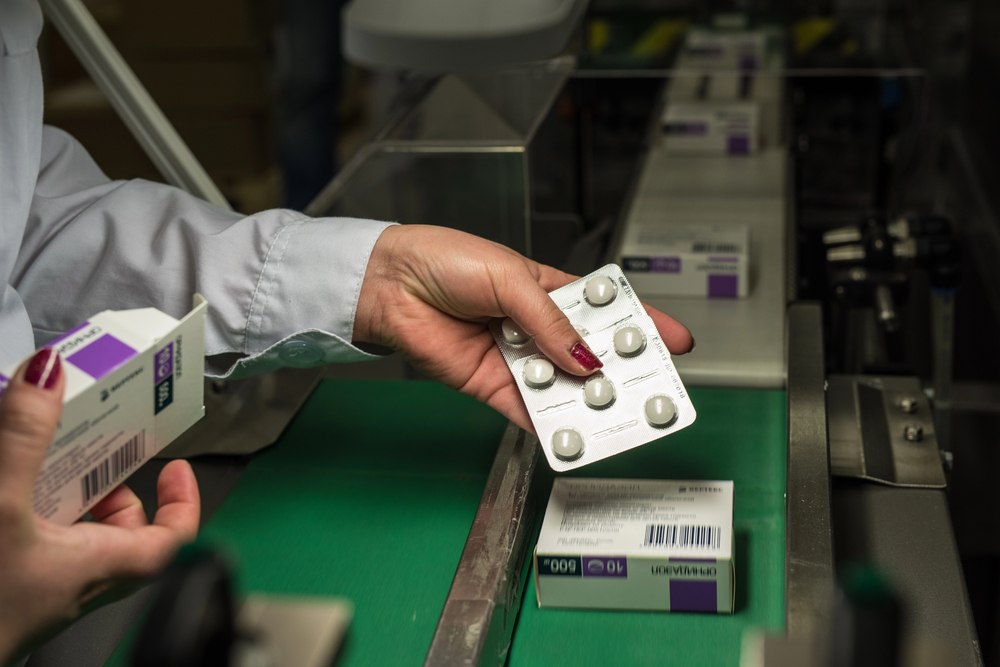
The expansion of domestic production has gradually increased the market share of locally manufactured products. In value terms, domestic pharmaceutical and medical device producers accounted for 14.4% of Kazakhstan’s market in 2023, 15.1% in 2024, and 15% in 2025.
The Ministry of Health noted that the introduction of a nationwide pharmaceutical labeling and traceability system in July 2024 has provided a clearer picture of market activity. According to ministry data, domestic manufacturers account for 39.8% of the market by volume, indicating a significant presence of local companies in terms of units sold.
In 2025, products manufactured in Kazakhstan represented 32% of purchases made by the country’s state-run Unified Distributor, a figure that officials say reflects the growth of local production and strengthens the country’s pharmaceutical security.
The ministry said efforts to increase the share of domestically produced medicines and medical devices will continue under Kazakhstan’s Healthcare Development Concept through 2029, alongside broader measures aimed at ensuring reliable access to pharmaceuticals.
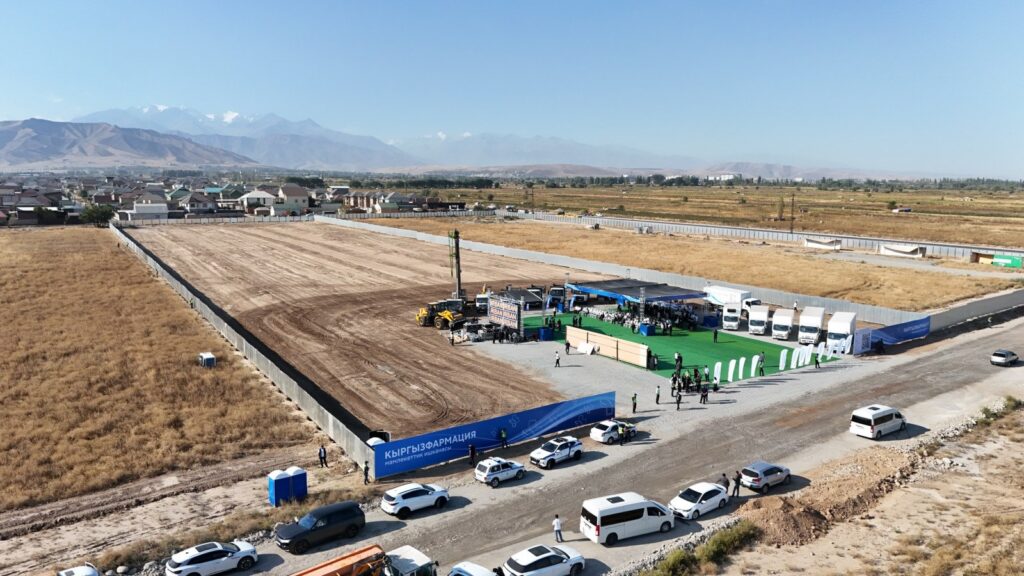
The government also recently approved an agreement between the Ministry of Health and Steppe Pharmaceuticals to build a full-cycle biopharmaceutical manufacturing complex in the Alatau Special Economic Zone in the Almaty Region.
The project is expected to attract approximately $67 million in investment. The facility will manufacture 20 pharmaceutical products, including treatments for cancer and rare diseases, as well as advanced immunobiological medicines.
The plant is scheduled to begin operations in 2031, reach full production capacity in 2032, and complete its transition to full-cycle manufacturing across key product lines by 2034.
The investment growth comes as Kazakhstan seeks to develop its healthcare and biotechnology sectors.
As previously reported by The Times of Central Asia, researchers in Kazakhstan recently developed a medical exoskeleton designed to aid stroke rehabilitation, while the Ministry of Health is expanding the use of artificial intelligence technologies to improve the early detection of strokes, cancer, among other serious diseases.