Kazakhstan’s Minister of Water Resources and Irrigation, Nurzhan Nurzhigitov, gave a sober warning to the country on January 13 that this year there could be significantly less water for agriculture in the southern parts of the country.
Nurzhigitov said that as of January 12, there was 1.9 billion cubic meters (bcm) less water in the reservoirs of southern Kazakhstan than on that date in 2025.
The Importance of the Syr-Darya
These areas are part of the Syr Darya Basin. The Syr Darya is one of Central Asia’s two large rivers, the other being the Amu Darya to the south, which runs along the Central Asia-Afghan border.
Equally alarming for Kazakhstan, Nurzhigitov noted that in the mountains of upstream neighboring countries, Kyrgyzstan and Tajikistan, where the Syr Darya originates, officials are also reporting low levels in reservoirs. According to the Kazakh Ministry of Water Resources and Irrigation, the reservoirs in those two countries are a combined 3.2 bcm lower than last year at this time.
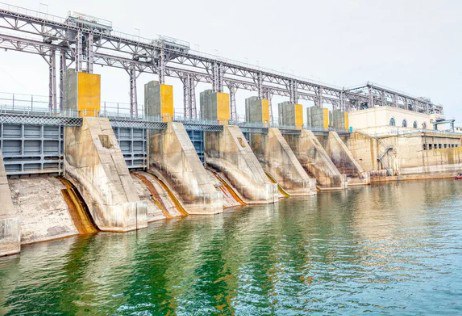
Kyrgyzstan’s Energy Minister Taalaybek Ibrayev said in November 2025 that the water level in the massive Toktogul reservoir was less than 11 bcm, nearly 2 bcm lower than in November 2024, and only at about 60% of its 19.5 bcm capacity. Water from the reservoir is released into the Naryn River, which eventually merges with the Syr Darya in Uzbekistan, and flows on further into Kazakhstan.
The Toktogul hydropower plant (HPP) depends on that water to supply some 40% of Kyrgyzstan’s domestically-produced electricity, and Ibrayev called on Kyrgyzstan’s citizens to conserve electricity and help the water in Toktogul accumulate before the 2026 agriculture season.
Tajikistan’s state power company, Barqi Tojik, also called in November for the country’s citizens to save electricity as the water level at the Nurek HPP’s reservoir was low. The Nurek reservoir uses water from the Vakhsh River that does not flow into the Syr Darya, but the water shortage problems at Nurek are similar throughout Tajikistan, including tributaries that do flow into the Syr Darya.
Conservation and New Wells
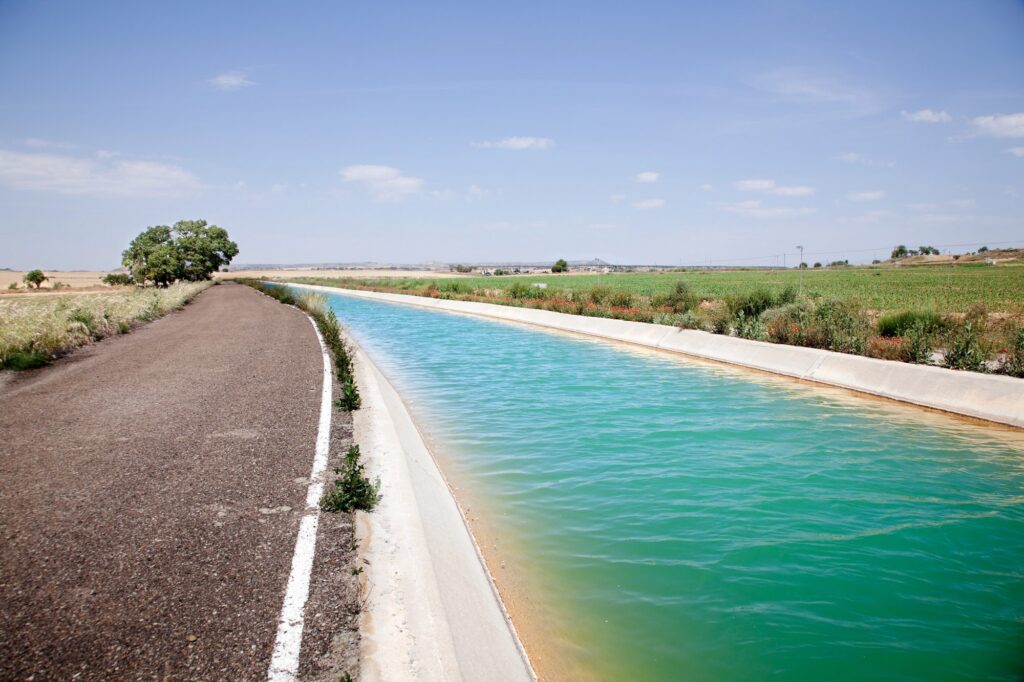
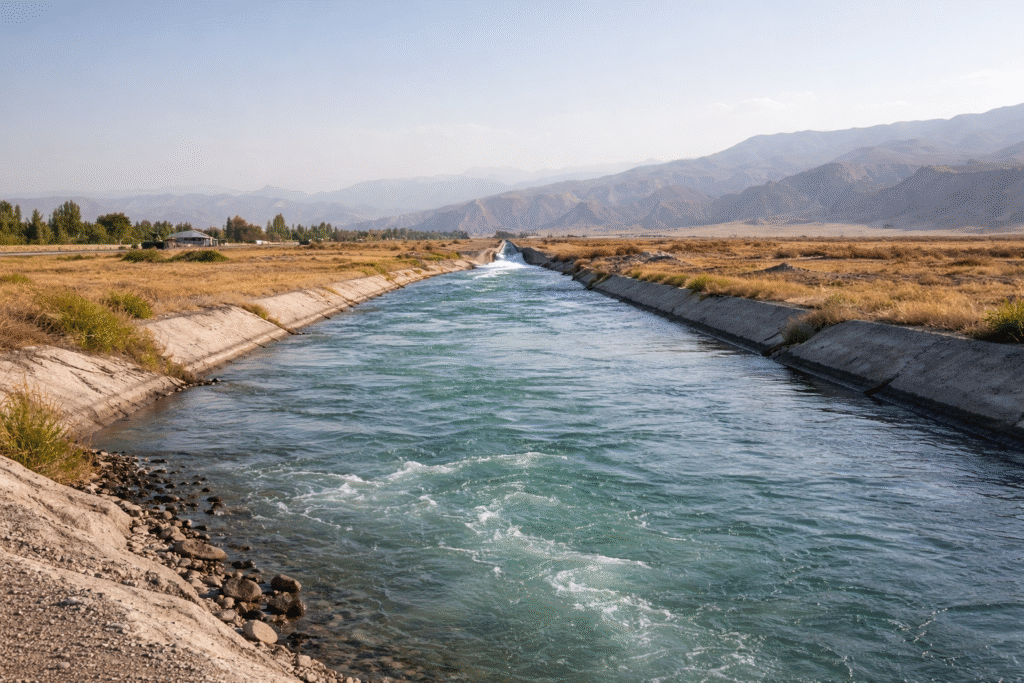
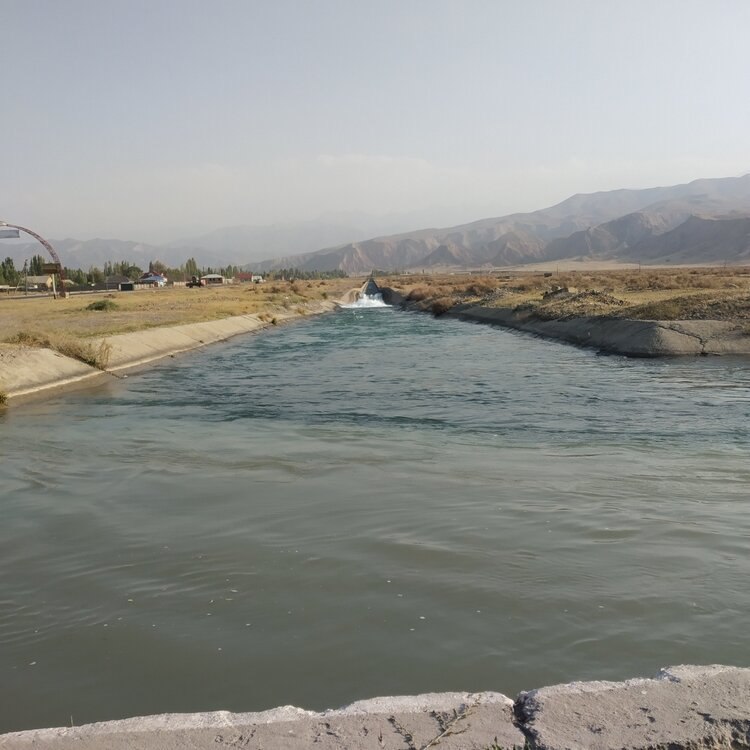
In Kazakhstan, Nurzhigitov said inspections and repairs of irrigation canals were currently underway. He also mentioned that in December, Deputy Prime Minister Kanat Bozumbayev had ordered officials in the Kyzylorda, Turkestan, and Zhambyl provinces to hold meetings with farmers and herders to discuss water conservation. There were also talks with farmers about planting crops that required less water.
Water limits would be announced in February, Nurzhigitov said, and in March the Agriculture Ministry would decide how much land to sow for this year’s crops based on expected water supplies during the spring-summer period.
Nurzhigitov added that work was being done to increase the use of underground water, which he claimed could amount to some 15.7 bcm of extra water for Kazakhstan annually. Currently, Nurzhigitov said, only some 7-10% of this underground water is being used.
Bleak Forecast
Kazakhstan gathered a record harvest in 2025, some 27.1 million tons of grain, despite planting less wheat. Given the reduction in precipitation in Central Asia in recent months, it might prove difficult for Kazakhstan to match its 2025 harvest in 2026. It should be noted, though, that water to agricultural fields in northern Kazakhstan comes from rivers in Siberia or the mountains along the Chinese border, and there are no reports yet about shortages there.
However, Nurzhigitov said the country’s problems with water are an “objective reality, driven by declining autumn-winter precipitation, reduced glacial runoff, and the overall impact of climate change.”
In May 2025, Kazakh Minister of Ecology and Natural Resources Erlan Nysanbayev warned a hot, dry summer could put agriculture at risk in parts of or all of 11 of Kazakhstan’s 17 provinces.
Kazakhstan was fortunate in 2025 that its water resources and water from upstream countries were sufficient for the bountiful harvest. But as Nurzhigitov mentioned, the long-term forecast for Central Asia is less water and longer, hotter summers.
Additionally, Afghanistan plans to complete the Qosh Tepa Canal in 2028. The 285-kilometer canal will water fields in northern Afghanistan but siphon off some 20% of the water from the Amu Darya.
That will not directly affect Kazakhstan, but as Kazakhstan’s Deputy Minister of Water Resources and Irrigation, Aslan Abdraimov, pointed out in May 2025, “This means that Uzbekistan and Turkmenistan will receive less water. Consequently, Uzbekistan may draw more from the Syr Darya, leading to reduced water availability for Kazakhstan, potentially by 30-40%.”
That is still at least some two years in the future. For now, farmers and herders in Kazakhstan, and in other parts of Central Asia, will be closely watching the weather forecasts in the coming weeks.
There was already widespread drought in Central Asia from 2021 to 2023. Unless abundant rain and snow arrive soon, southern Kazakhstan could be looking at a difficult 2026.