• KGS/USD = 0.01144 0%
  • KZT/USD = 0.00213 0%
  • TJS/USD = 0.10456 0.19%
  • UZS/USD = 0.00008 0%
  • TMT/USD = 0.28490 0%
  • KGS/USD = 0.01144 0%
  • KZT/USD = 0.00213 0%
  • TJS/USD = 0.10456 0.19%
  • UZS/USD = 0.00008 0%
  • TMT/USD = 0.28490 0%
  • KGS/USD = 0.01144 0%
  • KZT/USD = 0.00213 0%
  • TJS/USD = 0.10456 0.19%
  • UZS/USD = 0.00008 0%
  • TMT/USD = 0.28490 0%
  • KGS/USD = 0.01144 0%
  • KZT/USD = 0.00213 0%
  • TJS/USD = 0.10456 0.19%
  • UZS/USD = 0.00008 0%
  • TMT/USD = 0.28490 0%
  • KGS/USD = 0.01144 0%
  • KZT/USD = 0.00213 0%
  • TJS/USD = 0.10456 0.19%
  • UZS/USD = 0.00008 0%
  • TMT/USD = 0.28490 0%
  • KGS/USD = 0.01144 0%
  • KZT/USD = 0.00213 0%
  • TJS/USD = 0.10456 0.19%
  • UZS/USD = 0.00008 0%
  • TMT/USD = 0.28490 0%
  • KGS/USD = 0.01144 0%
  • KZT/USD = 0.00213 0%
  • TJS/USD = 0.10456 0.19%
  • UZS/USD = 0.00008 0%
  • TMT/USD = 0.28490 0%
  • KGS/USD = 0.01144 0%
  • KZT/USD = 0.00213 0%
  • TJS/USD = 0.10456 0.19%
  • UZS/USD = 0.00008 0%
  • TMT/USD = 0.28490 0%

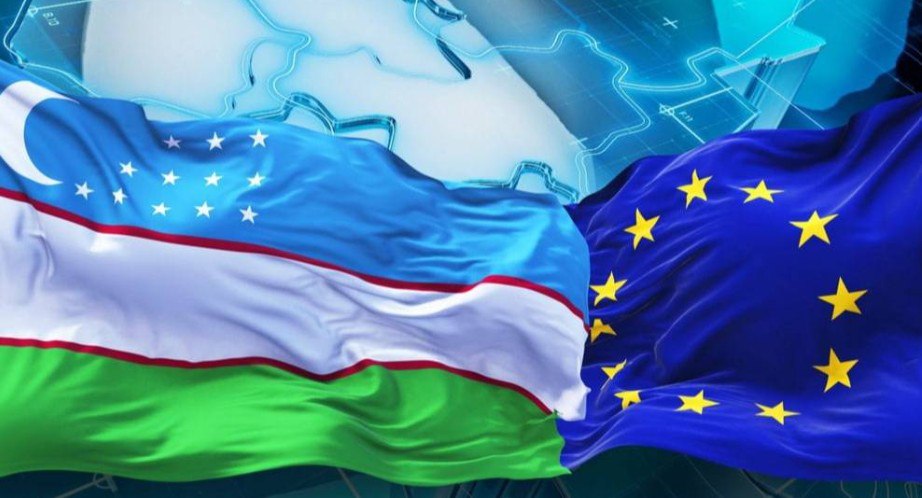
EU and Uzbekistan Discuss Steps Toward Easing Visa Access

Uzbekistan’s Foreign Ministry has initiated the first round of consultations with experts from the European Commission’s Directorate-General for Migration and Home Affairs, according to the Dunyo news agency. The discussions focused on the potential easing of visa procedures for Uzbek citizens traveling to the European Union for purposes such as work, study, truck driving, or group tourism.

Representatives from the European side outlined a number of preconditions Uzbekistan must fulfill before the European Commission can formally consider simplifying visa requirements. Both sides agreed to continue consultations in the coming period to advance the process.

The talks follow President Shavkat Mirziyoyev’s official visit to Brussels on October 23-24, during which Uzbekistan and the EU signed an Enhanced Partnership and Cooperation Agreement. The new framework replaces the 1996 agreement and expands bilateral cooperation in trade, investment, digital technologies, environmental protection, and climate resilience. Negotiations on the updated agreement began in 2019 and concluded in 2022.

While in Brussels, Mirziyoyev also held meetings with executives from leading European companies and financial institutions, including Linde, SUEZ, Meridiam, Commerzbank, and the European Investment Bank. The sides agreed to pursue new projects worth more than €10 billion across sectors such as energy, chemicals, logistics, critical minerals, textiles, and pharmaceuticals. These investments add to an existing EU-led project portfolio in Uzbekistan valued at more than €40 billion.

Kyrgyzstan Expands Trade Access to Afghan Market

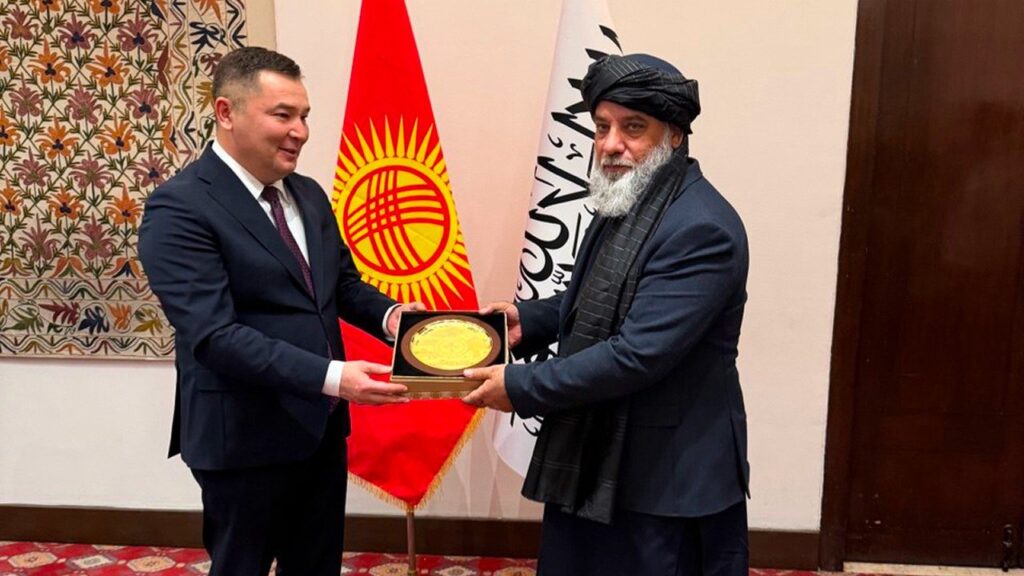
Kyrgyzstan and Afghanistan have taken a significant step toward deepening economic ties with the opening of the Trade House of the Kyrgyz Republic in Kabul on December 16.

The launch ceremony was attended by Kyrgyz Minister of Economy and Commerce Bakyt Sydykov and Afghan Minister of Industry and Commerce Nooruddin Azizi.

According to the Kyrgyz Ministry of Economy and Commerce, the new Trade House is intended to serve as a platform for promoting Kyrgyz exports, facilitating direct business connections between entrepreneurs from both countries, and expanding bilateral trade.

The Kyrgyz delegation also participated in a Kyrgyz-Afghan business conference on December 17 in Kabul, organized by the Afghanistan Chamber of Commerce and Investment. Speaking at the event, Azizi announced Afghanistan’s intention to open its own Trade House in Bishkek, describing Afghanistan and Kyrgyzstan as “interconnected countries” with complementary positions in regional trade. He characterized Kyrgyzstan as a gateway to Central Asia and the Eurasian Economic Union, and Afghanistan as a strategic hub linking South and West Asia.

The conference concluded with the signing of commercial contracts worth $157 million between Kyrgyz and Afghan companies.

Bilateral trade has gained momentum since Kyrgyzstan removed the Taliban from its list of prohibited organizations in September 2024. At the time, the Kyrgyz Ministry of Foreign Affairs stated that the decision was intended to support regional stability and constructive dialogue.

According to Afghanistan’s Ministry of Industry and Commerce, bilateral trade reached $66 million in the most recent solar year (March 2024-March 2025), with Afghan exports totaling $7 million. Key Afghan exports to Kyrgyzstan include aluminum and copper utensils, pressure cookers, carpets, fruits, and vegetables. Kyrgyzstan is a significant supplier of petroleum products to the Afghan market.

In a further move to strengthen its regional trade presence, Kyrgyzstan secured a pavilion at the Termez International Trade Center in November 2024. Located in Termez, Uzbekistan, near the Afghan border, the Center serves as a key node in regional trade routes, particularly between Uzbekistan and Afghanistan. The Kyrgyz pavilion offers a strategic foothold to further expand access to the Afghan market.

Kazakhstan Increases Criminal Penalties for Attacks on Medical Workers

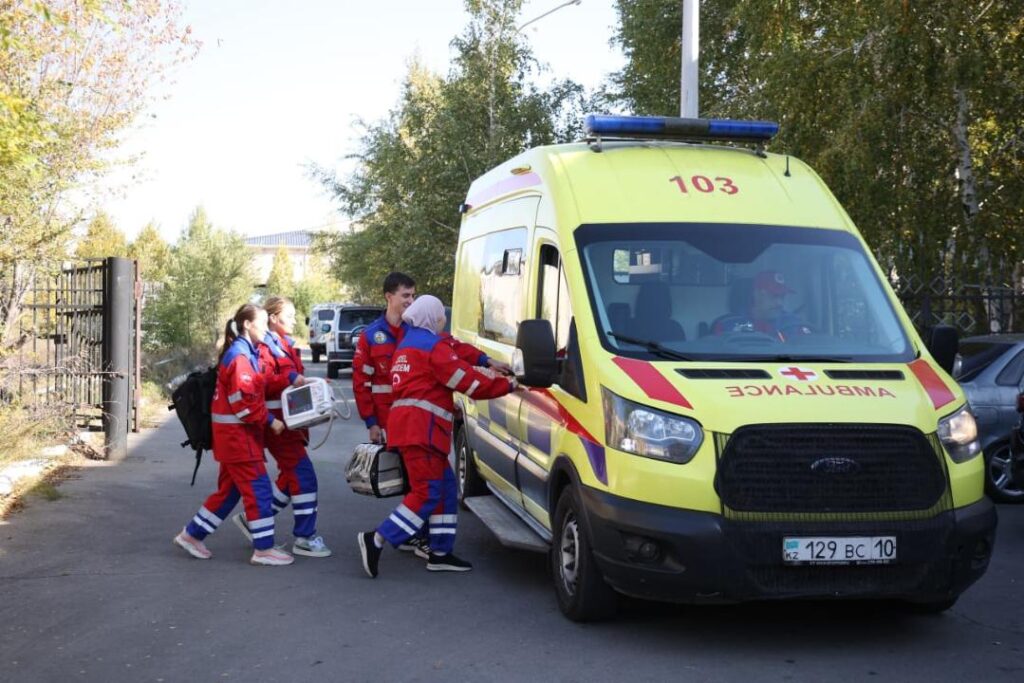
Kazakhstan’s Mazhilis (lower house of parliament) has approved amendments to the Criminal and Criminal Procedure Codes aimed at strengthening penalties for violence and threats against medical personnel, including doctors, paramedics, and ambulance drivers, while on duty.

The legislation introduces a new article establishing specific criminal liability for actions that endanger the life, health, and safety of medical workers. The law also defines penalties based on the severity of the offense.

For threats of violence, penalties include:

  • A fine of 200 to 500 monthly calculation indices (MCI), with 1 MCI currently equivalent to $7.66;
  • Or corrective labor in the same amount;
  • Or community service for up to 300 hours;
  • Or restriction or deprivation of liberty for up to 2 years.

If the threats occur under aggravating circumstances, the punishment increases to 2-3 years of restricted freedom or imprisonment.

For acts of violence not posing a risk to life or health, penalties include:

  • A fine of 500 to 1,000 MCI;
  • Or corrective labor;
  • Or community service for up to 600 hours;
  • Or restriction or deprivation of liberty for 2-3 years.

The most serious offenses, violence that endangers life or health, carry prison sentences of 5 to 10 years. If aggravating factors are present, the term increases to 7 to 12 years.

The amendments also clarify the jurisdiction of internal affairs bodies, granting them authority to conduct preliminary investigations and inquiries into cases involving attacks on medical workers.

According to the Ministry of Health, more than 280 assaults on healthcare personnel have been recorded in Kazakhstan since 2019.

In tandem with the legal changes, the government is expanding protective measures. Round-the-clock police posts have been established at 152 hospitals nationwide. In Astana and Almaty, a pilot project has equipped 10 ambulance teams with smart video badges. The Ministry of Health reports that these devices have helped reduce conflicts with patients by 90%.

In July, The Times of Central Asia reported that Kazakhstan’s health minister had demanded an end to violence against medical workers, saying attacks on doctors and ambulance crews had crossed a “red line” and threatened the safety of the profession.

Kazakhstan Boosts Oil Output Despite Export Infrastructure Challenges

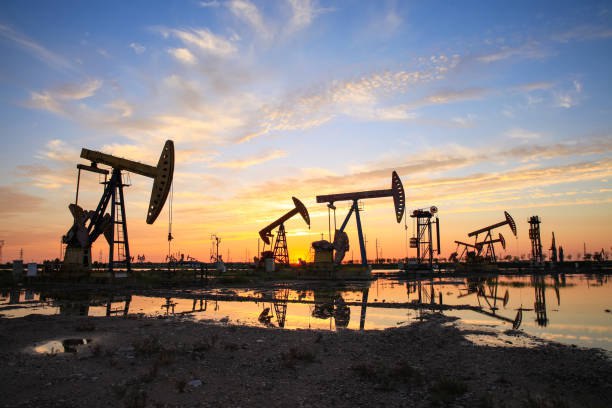
Kazakhstan increased its production of oil and gas condensate by 14% in January-November 2025 compared to the same period last year, and exceeded its annual export plan ahead of schedule, despite ongoing disruptions in the Caspian Pipeline Consortium (CPC). The figures were announced by Deputy Minister of Energy Sungat Yessimkhanov.

By the end of 2024, Kazakhstan had produced 87.7 million tons of oil and gas condensate, 97.1% of its target of 90.5 million tons. Total oil exports for the year reached 63.2 million tons.

In the first 11 months of 2025, production rose to 91.9 million tons, marking a 14.1% year-on-year increase. The full-year target for 2025 is 96.2 million tons. Over the same period, exports amounted to 73.4 million tons, already surpassing the annual target of 70.5 million tons and representing a 16.1% increase from the previous year.

This growth came despite serious challenges to Kazakhstan’s main export route. The CPC, which carries the bulk of Kazakh crude to international markets, experienced disruptions following a drone attack on its infrastructure. The incident raised fresh concerns about the vulnerability of critical export corridors.

In the gas sector, Kazakhstan produced 62.8 billion cubic meters of natural gas in January-November 2025, a 16.7% increase from the same period in 2024. The annual gas production target for 2025 has already been met. Liquefied petroleum gas (LPG) production rose to 2.8 million tons, up 1.8%. Gas transit volumes through Kazakhstan reached 64.5 billion cubic meters, up 0.9%.

During the same period, domestic production of petroleum products reached 14 million tons. The full-year target is 14.5 million tons, on track to match the 2024 total, when 17.9 million tons of crude were processed domestically. Production of oil and gas chemical products increased by 12.2%, reaching 567,600 tons. The target for 2025 is set at 590,000 tons.

As previously reported by The Times of Central Asia, Kazakh authorities are actively seeking foreign investment for the construction of a fourth major oil refinery with a projected capacity of up to 10 million tons per year. Overall, Astana plans to attract between $15 billion and $19 billion in investment for the development of the oil refining sector by 2040.

Japan Steps Out of the Shadows With First Central Asia Leaders’ Summit

On December 19-20, Tokyo will host a landmark summit poised to reshape Eurasian cooperation. For the first time in the 20-year history of the “Central Asia + Japan” format, the dialogue is being elevated to the level of heads of state. For Japan, this represents more than a diplomatic gesture; it signals a shift from what analysts often describe as cautious “silk diplomacy” to a more substantive political and economic partnership with a region increasingly central to global competition over resources and trade routes.

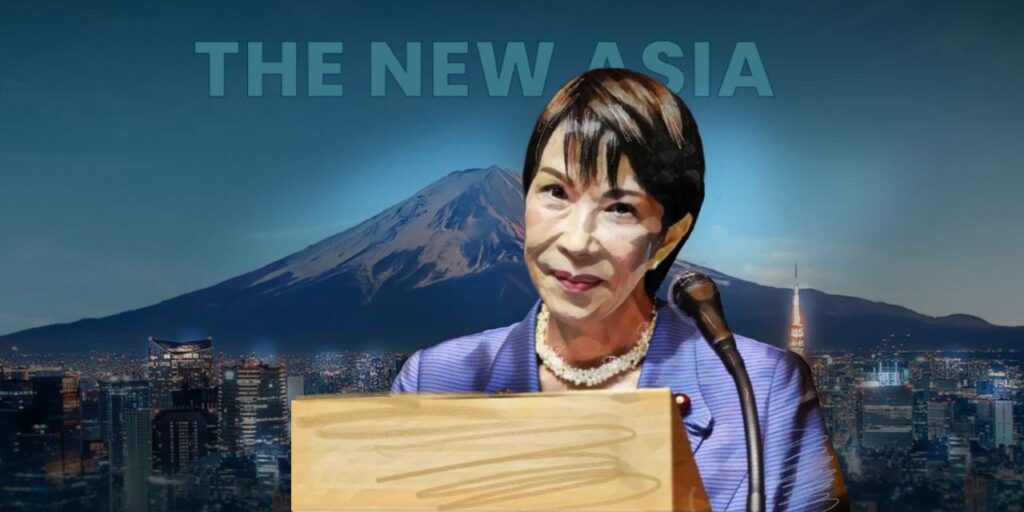
The summit will be chaired by Japanese Prime Minister Sanae Takaichi. The leaders of all five Central Asian states, Kazakhstan, Kyrgyzstan, Tajikistan, Turkmenistan, and Uzbekistan, have confirmed their participation. Alongside the plenary session, bilateral meetings and a parallel business forum are scheduled to take place.

Why Now?

Established in 2004, the “Central Asia + Japan” format has largely functioned as a platform for foreign ministers and technical cooperation. According to Esbul Sartayev, assistant professor at the Center for Global Risks at Nagasaki University, raising the dialogue to the head-of-state level marks a deliberate step by Japan to abandon its traditionally “secondary” role in a region historically dominated by Russia and China.

This shift comes amid a changing geopolitical context: disrupted global supply chains, intensifying competition for critical and rare earth resources, and a growing U.S. and EU presence in Central Asia. In this environment, Tokyo is promoting a coordinated approach to global order “based on the rule of law”, a neutral-sounding phrase with clear geopolitical resonance.

Unlike other external actors in Central Asia, Japan has historically emphasized long-term development financing, technology transfer, and institutional capacity-building rather than security alliances or resource extraction. Japanese engagement has focused on infrastructure quality, human capital, and governance standards, allowing Tokyo to position itself as a complementary partner rather than a rival power in the region.

Economy, Logistics, and AI

The summit agenda encompasses a range of priorities: sustainable development, trade and investment expansion, infrastructure and logistics, and digital technology. Notably, the summit is expected to include a new framework for artificial intelligence cooperation aimed at strengthening economic security and supply chain development. It is also likely to reference expanded infrastructure cooperation, including transport routes linking Central Asia to Europe.

As a resource-dependent country, Japan sees Central Asia as part of its evolving “resource and technological realism” strategy. For the Central Asian states, this presents a chance to integrate into new global value chains without being relegated to the role of raw material suppliers.

Kazakhstan: Deals Worth Billions

The summit coincides with Kazakh President Kassym-Jomart Tokayev’s official visit to Japan from December 18-20. During the visit, more than 40 agreements totaling over $3.7 billion are expected to be signed. These span energy, renewables, digitalization, mining, and transport. Participants include Samruk-Kazyna, KEGOC, Kazatomprom, KTZ, and major Japanese corporations such as Marubeni, Mitsubishi Heavy Industries, Toshiba, and JOGMEC.

Japan’s ambassador to Kazakhstan, Yasumasa Iijima, has referred to Kazakhstan as a future Eurasian transport and logistics hub, highlighting its strategic role in developing the Trans-Caspian route and the Middle Corridor.

Uzbekistan and the Wider Regional Stake

In the past decade, Uzbekistan has significantly deepened its economic ties with Japan. Between 2017 and 2024, bilateral trade increased 2.3 times to $388.6 million, with a 64% surge recorded in 2024 alone. There are now 121 Japanese capital companies operating in the country, with cumulative Japanese investment and loans over this period reaching $184 million. Key areas of future cooperation include green transformation, digitalization, and human capital development.

Kyrgyzstan views the C5+1 format as a tool to enhance its diplomatic leverage through regional solidarity. Its priorities include renewable energy, ecology, sustainable tourism, and educational exchanges. Tajikistan and Turkmenistan, meanwhile, are primarily interested in Japanese investment and technology in the energy sector.

Geoeconomics Without Confrontation

Although the summit is civilian in nature, its agenda also touches on security, ranging from stability in Afghanistan to climate and water-related risks. Analysts note that Japan is offering a model of engagement that avoids coercive political demands or military ambitions, instead emphasizing institutional partnerships, technological cooperation, and human resource development, an approach which has been described as “trust-building diplomacy.”

More broadly, the Central Asia + Japan format enhances Central Asia’s agency, allowing the region to present a unified voice and reduce dependency on asymmetric relationships with great powers. For Tokyo, it is an opportunity to carve out a stable, long-term role in a region where geoeconomics increasingly outweighs geopolitics. For Central Asian governments, the shift to a leaders-level summit strengthens their collective bargaining position by reinforcing the region’s ability to engage external partners as a bloc. Speaking jointly allows the five states to elevate shared priorities such as transport connectivity, energy transition, and technology access, while limiting the risks of being drawn into bilateral dependencies with larger powers.

Uzbekneftegaz Signs $5 Million Consulting Deal With U.S. Firm Ballard Partners

Uzbekneftegaz has signed a $5 million lobbying and strategic consulting contract with the U.S.-based firm Ballard Partners, according to documents published by the Uzbek Telegram channel Revizor on December 12. The agreement outlines services for “strategic consulting and advocacy before the U.S. government.” The reported monthly fee is $83,334, implying a contract duration of approximately five years.

Ballard Partners is often described by U.S. media outlets as having close ties to President Donald Trump. Reuters recently reported that several major companies, including cryptocurrency exchanges Kraken and Blockchain.com, retained Ballard Partners after the November elections for lobbying on digital asset regulation. The firm is led by Brian Ballard, a longtime Trump fundraiser, and has seen a notable uptick in clients in recent months.

Politico reported earlier this year that Ballard Partners’ revenue has sharply increased, with many organizations under pressure from the current administration turning to the firm for representation. According to the report, Ballard signed around 40 new clients following the elections, exceeding its client intake from the previous ten months.

The Uzbekneftegaz deal follows recent comments by Uzbekistan’s Minister of Energy, Jurabek Mirzamakhmudov, confirming that the government has been in discussions with the U.S. Treasury’s Office of Foreign Assets Control (OFAC) regarding sanctions on Russian energy giant Lukoil. However, there is no publicly available evidence linking the Uzbekneftegaz agreement with Ballard Partners to the Lukoil sanctions issue.

At this stage, the specific scope of Ballard Partners’ work on behalf of Uzbekneftegaz remains undisclosed. The available documentation does not specify the precise interests the firm will advocate for in Washington, leaving open questions about the contract’s strategic goals and expected outcomes.