• KGS/USD = 0.01144 0%
  • KZT/USD = 0.00212 0%
  • TJS/USD = 0.10456 0.19%
  • UZS/USD = 0.00008 0%
  • TMT/USD = 0.28490 0%
  • KGS/USD = 0.01144 0%
  • KZT/USD = 0.00212 0%
  • TJS/USD = 0.10456 0.19%
  • UZS/USD = 0.00008 0%
  • TMT/USD = 0.28490 0%
  • KGS/USD = 0.01144 0%
  • KZT/USD = 0.00212 0%
  • TJS/USD = 0.10456 0.19%
  • UZS/USD = 0.00008 0%
  • TMT/USD = 0.28490 0%
  • KGS/USD = 0.01144 0%
  • KZT/USD = 0.00212 0%
  • TJS/USD = 0.10456 0.19%
  • UZS/USD = 0.00008 0%
  • TMT/USD = 0.28490 0%
  • KGS/USD = 0.01144 0%
  • KZT/USD = 0.00212 0%
  • TJS/USD = 0.10456 0.19%
  • UZS/USD = 0.00008 0%
  • TMT/USD = 0.28490 0%
  • KGS/USD = 0.01144 0%
  • KZT/USD = 0.00212 0%
  • TJS/USD = 0.10456 0.19%
  • UZS/USD = 0.00008 0%
  • TMT/USD = 0.28490 0%
  • KGS/USD = 0.01144 0%
  • KZT/USD = 0.00212 0%
  • TJS/USD = 0.10456 0.19%
  • UZS/USD = 0.00008 0%
  • TMT/USD = 0.28490 0%
  • KGS/USD = 0.01144 0%
  • KZT/USD = 0.00212 0%
  • TJS/USD = 0.10456 0.19%
  • UZS/USD = 0.00008 0%
  • TMT/USD = 0.28490 0%

Kazakh Parliament Backs Caspian Green Energy Corridor Linking Central Asia to Europe

Kazakhstan’s Mazhilis, the lower house of parliament, has ratified a strategic partnership agreement with Uzbekistan and Azerbaijan on cooperation in green energy production and transmission. The agreement involved the construction of a high-voltage power cable along the seabed of the Caspian Sea.

Speaking at a plenary session, Energy Minister Yerlan Akkenzhenov noted that the document had been signed by the leaders of the three countries in November 2024 on the sidelines of the COP29 climate conference in Baku.

According to the minister, the agreement lays the groundwork for one of the most ambitious energy initiatives in the history of independent Kazakhstan.

The project involves the creation of a “Green Energy Corridor” designed to facilitate the export of environmentally friendly electricity, as well as green hydrogen and green ammonia, from Central Asian countries to European markets via the Caspian region.

A key component of the initiative is the planned installation of a high-voltage direct current underwater cable system across the Caspian Sea. Officials say the project could provide Kazakhstan with direct access to the European Union’s energy market through interconnection with a similar energy infrastructure initiative being considered in the Black Sea region.

The initiative reflects a broader effort by Central Asian governments to position the region as a supplier of low-carbon energy to Europe while developing east-west infrastructure that bypasses traditional Russian transit routes. For Kazakhstan and Uzbekistan in particular, exporting renewable electricity and related products such as green hydrogen could open new markets as global demand for cleaner energy continues to grow.

Italian consulting company CESI has begun preparing a feasibility study, which is expected to define the project’s financial model and core technical parameters. The cost of preparing the feasibility study is estimated at around €1 million and will be fully covered by grant funding. The Asian Development Bank and the Asian Infrastructure Investment Bank have indicated their readiness to allocate up to $2 million in additional support.

To coordinate implementation, the Green Corridor Alliance joint venture was established in July 2024. Ownership is divided equally among Kazakhstan, Uzbekistan, and Azerbaijan, with each country holding a 33.3% stake. The company is currently overseeing expert consultations and preparing subsequent phases of the project.

According to Akkenzhenov, successful implementation would strengthen Kazakhstan’s position in global energy markets.

“The project will help position Kazakhstan as a reliable partner in sustainable energy, capable of contributing to international energy corridors and implementing large-scale technological initiatives,” he stated.

The initiative is also expected to expand export potential, stimulate the development of new energy technologies, and reinforce Kazakhstan’s role as a regional energy hub.

Following the parliamentary debate, the Mazhilis deputies approved the agreement, emphasising its importance for enhancing regional energy security. The project is intended to deepen the interconnection between the power systems of Central Asia and Azerbaijan and create conditions for stable exports of green electricity.

At the same time, the initiative highlights the growing role of the Caspian region in emerging energy corridors linking Central Asia with European markets. Alongside transport projects such as the Trans-Caspian International Transport Route, energy infrastructure is increasingly viewed as another pillar of east-west connectivity across the region.

Kazakhstan has accelerated the development of renewable energy in recent years. As previously reported by The Times of Central Asia, the country plans to significantly expand hydropower capacity by 2030.


Childhood Obesity Rising in Tajikistan and Across Central Asia, Report Warns

The number of overweight and obese children in Tajikistan is increasing, raising concerns among international researchers who warn that the trend could lead to serious health problems at an early age and requires urgent preventive action.

According to the World Obesity Atlas 2026, around 12,000 children aged 5-9 in Tajikistan are overweight or obese. Among adolescents aged 10-19, the figure is estimated at approximately 20,000.

Researchers note that the consequences of an elevated body mass index can emerge early in life. Among affected children and adolescents, about 2,000 are estimated to show signs of hypertension, roughly 1,000 may have elevated blood glucose levels, around 3,000 may experience high triglyceride levels, and approximately 6,000 may suffer from metabolic dysfunction-associated steatotic liver disease (MASLD).

These findings indicate that health conditions traditionally associated with adulthood are increasingly being detected among younger age groups.

Changing diets and early-life factors

Experts identify several factors contributing to rising obesity rates, including dietary habits. On average, children aged 6-10 consume between 50 and 100 milliliters of sweetened beverages daily, increasing the risk of excessive weight gain.

Early childhood nutrition also plays an important role. The rate of incomplete breastfeeding among infants aged 1-5 months reaches 71.3%, which researchers suggest may raise the likelihood of obesity later in life.

Maternal health is another significant factor. The report estimates that around 23% of women aged 15-49 in Tajikistan are overweight, while the prevalence of diabetes in this group is approximately 1.5%. Experts stress that maternal health and early nutrition have long-term effects on children’s metabolic risks.

Regional trends

Similar patterns are emerging across Central Asia. The study indicates that Kazakhstan has comparatively higher rates of childhood overweight and obesity, while Uzbekistan also faces a substantial share of affected children. In Kyrgyzstan and Turkmenistan, the situation remains less severe but is gradually worsening, according to researchers.

One of the main drivers identified is a shift in dietary patterns. Rising consumption of sugar, sweetened beverages, and ultra-processed foods is associated with urbanization, lifestyle changes, and increased availability of high-calorie products. Regional governments have begun to respond.

As The Times of Central Asia previously reported, authorities in Kyrgyzstan recently approved higher excise taxes on sugar-sweetened beverages, including products marketed to children.

Kyrgyzstan Plans Gradual Electricity Tariff Increases to Address Energy Sector Deficit

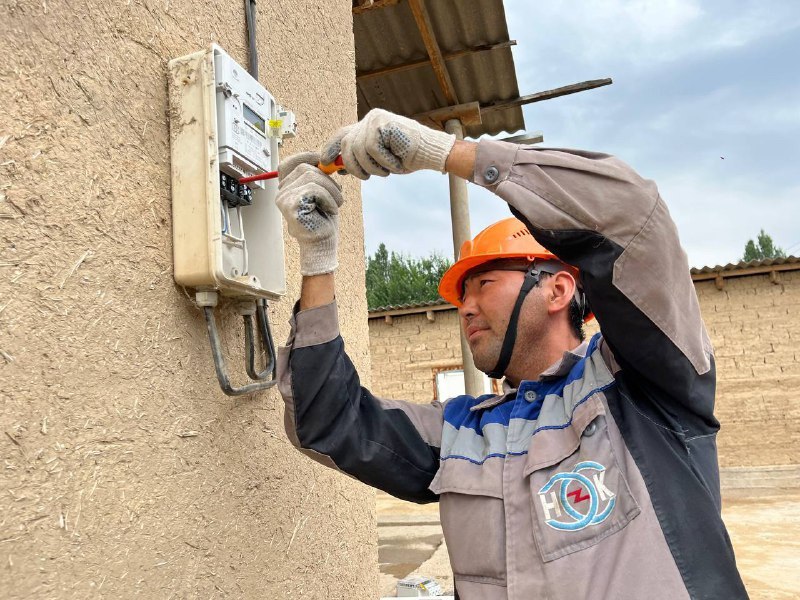
Kyrgyzstan will raise household electricity tariffs starting May 1, as part of a broader reform program aimed at reducing subsidies and bringing tariffs closer to the actual cost of power generation.

Under the new policy, the household tariff will increase by approximately $0.003 per kilowatt-hour, reaching $0.018 per kWh.

According to the Ministry of Energy, tariffs are expected to continue rising each May until at least 2030, when they are projected to fully cover production costs.

The government has outlined a tentative schedule for further increases:

  • 2027: rise of about $0.004 per kWh
  • 2028: rise of about $0.0045 per kWh
  • 2029: rise of about $0.005 per kWh
  • 2030: rise of about $0.0065 per kWh

Even after the planned increase in 2026, households will cover only around 45% of the real cost of electricity, Timur Orozaliev, Director of the Department for Regulation of the Fuel and Energy Complex, told the Kabar state news agency.

He said the cost of electricity production in 2026 is estimated at approximately $0.034 per kWh, meaning the new tariff will pay for less than half of actual generation costs.

Electricity tariffs for industrial enterprises, financial institutions, restaurants, and government agencies are already two to three times higher than those for households. Despite the planned increases, electricity prices in Kyrgyzstan remain among the lowest in Central Asia.

Electricity demand continues to grow. In 2025, national consumption reached 19.3 billion kWh, an increase of 900 million kWh compared with the previous year.

Of this total, 15.4 billion kWh was generated domestically, while 3.9 billion kWh was imported from Turkmenistan, Uzbekistan, Kazakhstan, and Russia.

Kyrgyzstan regularly experiences seasonal power shortages, particularly during winter, when many households rely on electricity for heating.

To address the deficit, the government is working to build new hydropower plants and modernise existing facilities as part of a broader strategy to stabilise the national energy system and reduce dependence on electricity imports.

Uzbek Scholar Proposes Unified Writing System for Turkic Languages

Across the Turkic-speaking world, debates over language policy and writing systems are gaining renewed importance. More than 300 million people across Eurasia speak Turkic languages, yet they use different scripts, Cyrillic, Latin, and Arabic. Uzbek scholar Bakhtiyor Karimov argues that this diversity of alphabets weakens cultural and intellectual connections among Turkic societies.

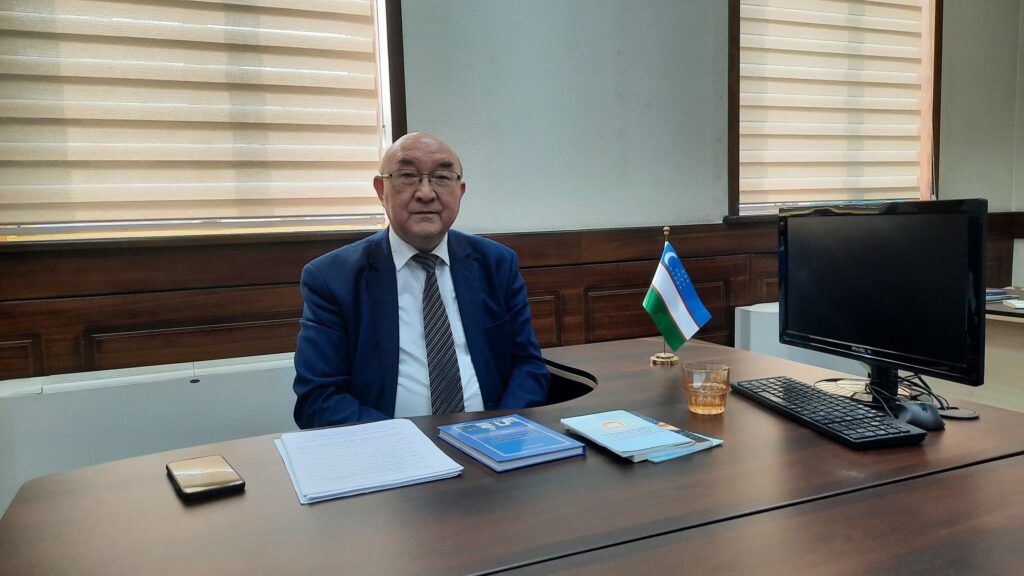
Karimov, a linguist and professor who helped develop the pan-Turkic auxiliary language Ortaturk, is an academician of the Turon Academy of Sciences and director of its Ortaturk Language Research Institute. Together with Shoahmad Mutalov, he developed the concept of the Ortaturk language. In this interview, he discusses the challenges posed by alphabet diversity, his proposal for a new writing model, and his view that language policy is closely linked to political and geopolitical developments.

A fragmented writing landscape

Karimov describes alphabet diversity as one of the most serious challenges facing Turkic-speaking communities.

“Roughly thirty Turkic languages exist,” he said. “About twenty use the Cyrillic alphabet, three use the Latin alphabet, two are transitioning toward Latin, and many communities still rely on the Arabic script. In numerical terms, around 100 million Turkic speakers use Arabic, another 100 million use Latin, and another 100 million use Cyrillic.”

The situation has deep historical roots. Over the past century, shifting political systems and state policies have shaped the writing traditions of Turkic languages. As a result, speakers of closely related languages often find it difficult to read each other’s texts.

For example, Uyghurs in China write using the Arabic script, while Uzbeks in Afghanistan also rely on Arabic-based writing. In Uzbekistan, both Cyrillic and Latin scripts are used. Azerbaijani communities in Iran use the Arabic script, whereas Azerbaijan employs a Latin-based alphabet. Most Turkic languages within Russia continue to use Cyrillic.

Karimov also notes legal constraints. He points to Russian legislation requiring languages used in official contexts to employ the Cyrillic alphabet, arguing that this limits the ability of Turkic-speaking communities in Russia to adopt Latin scripts even if they wish to do so.

“About twenty Turkic peoples living in Russia are effectively restricted to Cyrillic,” he said.

Meanwhile, Turkey, Azerbaijan, and Turkmenistan have fully adopted Latin alphabets. Uzbekistan and Kazakhstan are gradually transitioning, although the process has been uneven. Kyrgyzstan continues to rely primarily on Cyrillic.

“All of this means that the Turkic world is linguistically connected but graphically divided,” Karimov said.

Efforts toward a common alphabet

Recognizing this challenge, the Organization of Turkic States established a working group of linguists to explore the creation of a unified Turkic alphabet. Experts from Uzbekistan, Azerbaijan, Kazakhstan, Kyrgyzstan, Turkmenistan, and Turkey participated in the initiative.

“They worked together for about two years and produced a draft proposal,” Karimov said. “However, the project remains under discussion and has not yet been formally adopted. Ultimately, political leaders must reach a consensus.”

Karimov believes the draft proposal contains technical shortcomings, particularly in how certain sounds are represented.

“In some cases, a single phoneme is represented by more than one graphic symbol,” he said. “From a computational perspective, this creates complications. Ideally, each sound should correspond to one letter.”

The “Ortabitik” proposal

Karimov has developed an alternative model, which he calls the “Ortabitik writing system.” Rather than replacing existing alphabets, his concept seeks to link them through digital technology.

“In this system, each phoneme corresponds to one symbol that can be displayed simultaneously across several writing systems,” he explained. “The same text can appear in Latin, Cyrillic, Arabic, and the ancient Orkhon-Yenisey script.”

The approach relies on automated digital conversion. Once a text is entered in one script, software generates parallel versions in others.

“If a book is written in Cyrillic, a computer can instantly produce versions in Latin, Arabic, and Orkhon-Yenisey,” Karimov said. “Readers can simply choose the script they prefer.”

He argues that such a system could reduce communication barriers among Turkic-speaking communities.

“An older Uzbek accustomed to Cyrillic could continue reading in that script, while younger readers might prefer Latin. Uzbeks in Afghanistan could access the same text in Arabic script,” he said.

Karimov also highlights the symbolic importance of including the ancient Orkhon-Yenisey script, used in early Turkic inscriptions discovered in Central Asia and Siberia.

Technology, information, and identity

Karimov says modern digital tools make such integration feasible. Together with programmer Ilkhom Mannonov, he has developed a prototype capable of converting texts between alphabets and generating phonetic transcriptions based on international linguistic standards.

“This means that even readers unfamiliar with a language could pronounce Turkic texts correctly,” he said.

The system also assigns numerical codes to phonemes, enabling texts to be represented in encrypted numeric form.

“This allows texts to appear in multiple alphabets, phonetic transcription, and even coded numeric formats,” Karimov added.

Toward a shared intellectual space

Beyond linguistic considerations, Karimov views the project as part of a broader cultural and geopolitical vision.

“In the modern world, information is a key resource,” he said. “Access to knowledge creates advantages in science, technology, and economic development.”

He argues that a shared information space could give Turkic-speaking populations access to a much larger body of intellectual work.

“For instance, an Uzbek reader in Afghanistan could access the collective knowledge of the Turkic world in a familiar script,” he said.

Karimov believes that wider access to information could strengthen human capital and stimulate innovation across Turkic societies.

Historical references and future ambitions

Karimov often draws inspiration from historical figures such as Alisher Navoi and Zahiriddin Muhammad Babur, who played significant roles in shaping Turkic literary traditions.

“Five centuries ago, through the work of thinkers like Navoi and Babur, Turkic became one of the major literary languages of the region and the world,” he said. “It stood alongside Persian and Arabic.”

He suggests that renewed linguistic integration could contribute to what Uzbek leaders have described as a “Third Renaissance” in Central Asia.

Language and geopolitics

Karimov also links language policy to regional cooperation and security. He argues that stronger cultural and informational ties among Turkic states could foster closer political collaboration.

“In today’s competitive geopolitical environment, smaller states need cooperation to safeguard their independence,” he said.

He frequently refers to the well-known slogan of Crimean Tatar reformer Ismail Gaspirali: “Unity in language, work, and opinion.”

“If unity in language develops, unity in thought may follow and that can lead to unity in action,” Karimov said.

Looking ahead

Karimov emphasizes that his proposal remains at an early stage. He hopes that an international group of linguists and technology specialists will further refine the concept.

He suggests that the Organization of Turkic States could coordinate such work, potentially through the creation of a dedicated research center.

“For me, the ultimate goal is simple,” he said. “Every Turkic-speaking person should be able to access the intellectual heritage of the entire Turkic world.”

Kazakhstan May Miss Record Oil Output Target in 2026 Amid Infrastructure Disruptions

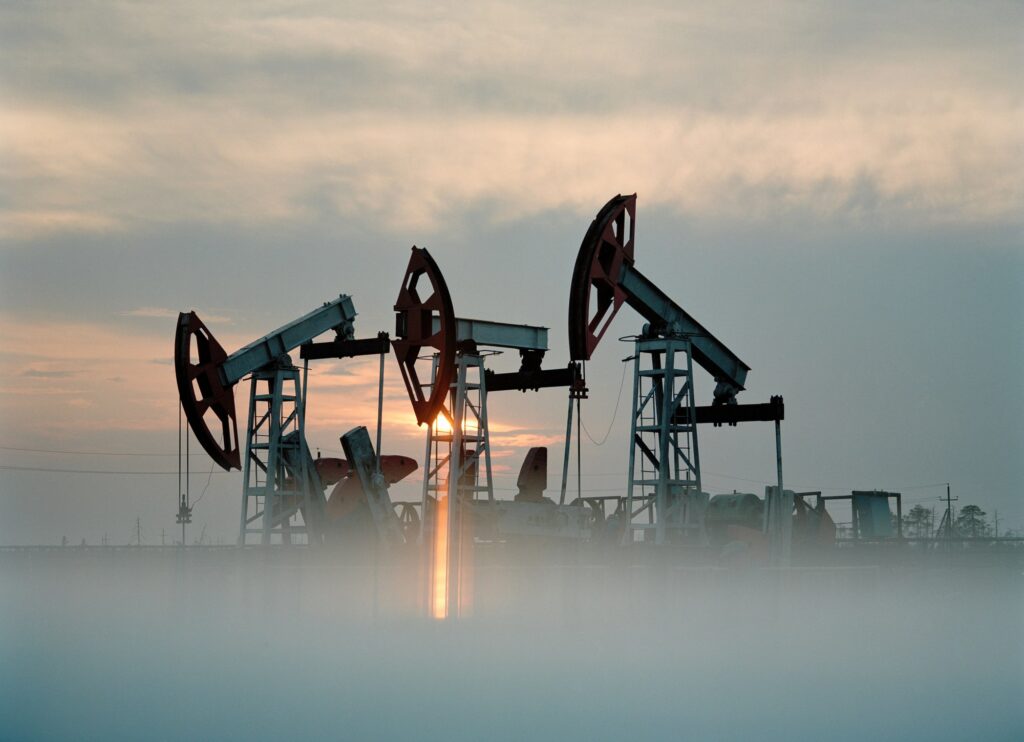
Kazakhstan’s oil production could decline by 2-4 million tons by the end of 2026 following disruptions linked to attacks on the infrastructure of the Caspian Pipeline Consortium (CPC) and fires at the country’s largest oil field, Tengiz. This was stated by Energy Minister Yerlan Akkenzhenov in response to journalists’ questions.

In 2025, Kazakhstan produced more than 99.5 million tons of oil, exceeding the initial forecast of 96.2 million tons. Output for 2026 had originally been projected at 100.5 million tons, a potential record for the country.

However, the minister indicated that actual production is now likely to fall short of this target.

“According to the economic development plan, oil production in 2026 was expected to reach 100.5 million tons. However, due to events at the end of last year and the beginning of this year, attacks on CPC infrastructure and fires at Tengiz, production is likely to be in the range of 96-98 million tons,” Akkenzhenov said.

Earlier reports suggested that Kazakhstan had been forced to urgently revise its oil export routes following drone attacks on CPC facilities.

In January two fires broke out at electric generators at the Tengiz field. Although the incidents were quickly contained, they caused power outages and temporarily reduced production by nearly 20%.

According to the minister, production at Tengiz had been fully restored by early March.

“Tengiz has returned to a production level of 120,000 tons per day. A commission is currently finalising its investigation into the causes of the fire, and the results will be announced shortly,” Akkenzhenov said.

Akkenzhenov also noted that global oil markets remain volatile amid ongoing tensions in the Middle East.

He said that oil prices had recently peaked at $119 per barrel before declining to around $87.

“Prices fluctuate daily. At the same time, attacks on oil infrastructure in Persian Gulf countries continue, reducing physical supply and keeping prices relatively high,” he said.

Akkenzhenov added that rising global oil prices have not yet significantly affected domestic gasoline prices in Kazakhstan.

According to the minister, future price dynamics will largely depend on developments in the Middle East. Military escalation in the region, including hostilities involving Iran that began in late February 2026, has already affected global energy markets and may continue to influence oil prices and supply stability.

Growing Trade Disputes Test the Eurasian Economic Union

Trade disputes within the Eurasian Economic Union (EAEU) are as old as its creation. Restrictions on the import and export of certain goods have long been common practice. However, analysts increasingly warn that tensions have reached a point at which the organization risks losing its core function, ensuring the free movement of goods across borders and maintaining simplified conditions for migrant workers.

Mounting Restrictions

The EAEU currently comprises Armenia, Belarus, Kazakhstan, Kyrgyzstan, and Russia. Economic integration among several post-Soviet states began in 2000 with the establishment of the Eurasian Economic Community (EurAsEC), formed by Belarus, Kazakhstan, Kyrgyzstan, Russia, and Tajikistan. Uzbekistan joined in 2006, but suspended its participation in 2008. The foundation of this organization was the Customs Union agreement, intended to abolish customs duties among member states.

The structure of the integration project has since evolved. The EAEU treaty was signed in 2014 and entered into force on January 1, 2015. Tajikistan and Uzbekistan did not join, while Armenia became a member in 2015. More than two decades after the first integration agreements, however, many of the bloc’s original promises remain only partially fulfilled.

Experts have long argued that protectionist measures remain widespread within the bloc and that full freedom of movement for all categories of goods, including strategic products, has not been achieved. They also point to pronounced economic asymmetry: Russia accounts for approximately 85–87% of the union’s combined GDP, whereas Kazakhstan accounts for approximately 9–10%.

Russia’s significantly larger population and political influence have further reinforced perceptions of structural imbalance.

Moscow is now preparing new regulatory measures affecting its partners. From April 1, 2026, a national system for confirming the arrival of goods will be introduced for road imports from EAEU countries. According to the Russian authorities, shifting key control procedures to the pre-border stage is intended to improve transparency in the administration of indirect taxes. Previously, such checks were conducted after goods entered the country through desk and field audits.

At the same time, Russia has intensified selective customs controls on its borders with Kazakhstan and Belarus, officially citing efforts to combat counterfeit goods. Particular scrutiny is being applied to product labelling and accompanying documentation. Controls were tightened last summer, when mobile checkpoints were established along the Kazakh-Russian border, followed by the inspections of vehicles leaving Belarus in the autumn.

Full-scale checkpoints are now operating on the Kazakh-Russian border, while a simplified regime linked to the Union State and EAEU agreements continues to apply on the Belarusian-Russian border.

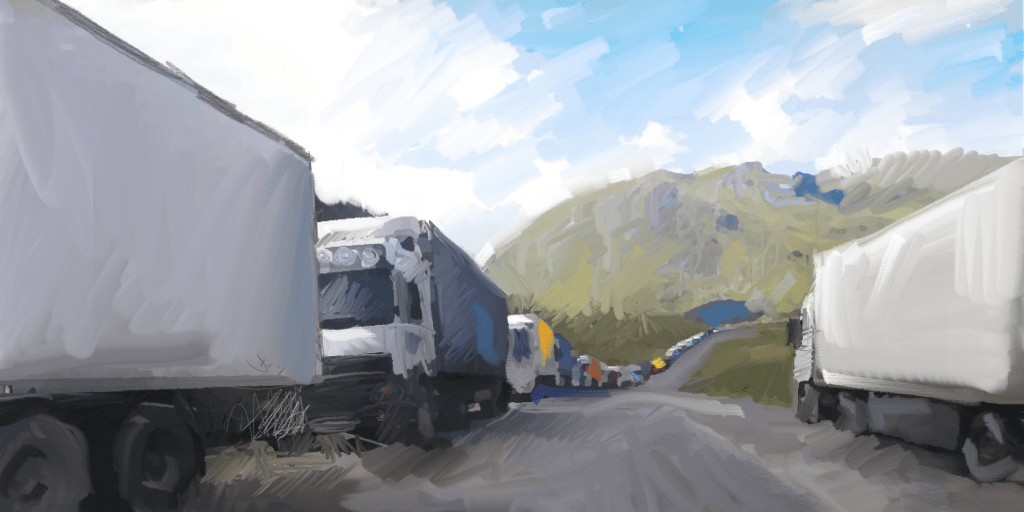
Logistics industry representatives report that stricter controls on the Kazakh border have significantly increased transit delivery times. Carriers often face lengthy delays at checkpoints even when their documentation is in order. According to Alexandra Pokumeiko, head of a freight-forwarding department, the changes have created uncertainty in delivery schedules along Belarus-Russia transport corridors and on transit routes through Russia to Kazakhstan.

The growing number of administrative restrictions has begun to spill into specific sectors of the economy, triggering retaliatory measures between member states.

Escalating Tensions in the Automotive Sector

A new dispute has emerged between Kazakhstan and Russia over vehicle recycling fees. On March 10, Kazakhstan announced plans to raise the scrap fee on Russian-made cars, describing the move as a reciprocal response to measures introduced by Moscow.

Although the relevant order is yet to be formally signed, Kazakhstan’s Minister of Industry and Construction, Yersayin Nagaspayev, has stated that the increase would mirror Moscow’s policy. Within Russia, recycling fees on vehicles imported from Kazakhstan have reportedly risen tenfold and are set to increase further under a progressive scale through 2029-2030. Astana argues that the reciprocal step is necessary to support its domestic automotive industry.

Nagaspayev emphasised that the value of Russian passenger vehicles accounts for only around 3.7% of Kazakhstan’s car imports, suggesting limited market impact and no expectation of sharp price increases.

Meanwhile, Russian media outlets have reported that since spring 2024, more than 30,000 Hyundai, Kia, and Skoda vehicles assembled in Kazakhstan have entered the Russian market within the EAEU framework.

Debate Over the Union’s Future

The dispute has revived debate in Kazakhstan about the country’s economic gains from EAEU membership and speculation about the bloc’s long-term viability.

Olzhas Zhorayev, an expert at the Association for Analysis and Management of Public Policy, argues that the institutional structure of the Eurasian Economic Commission complicates the promotion of national interests. According to him, the multinational composition of the bloc’s leadership positions sometimes makes dispute resolution difficult and contributes to perceptions that Eurasian integration remains largely declarative.

Zhorayev also highlights concerns about the preparedness of some national officials working within integration bodies, suggesting that a limited understanding of economic conditions may reduce the effectiveness of their representation.

Economist Arman Beisembayev takes a more critical view, arguing that Kazakhstan derives limited economic benefit from its membership in the union. Beisembayev points to a significant trade imbalance with Russia, noting that Kazakhstan imports substantially more from its northern neighbour than it exports. At the same time, he notes that Kazakhstan remains heavily dependent on Russian supplies in sectors such as food and pharmaceuticals.

Labour Migration Disputes

Russia has also tightened legislation governing labour migration. In January, Kyrgyzstan filed a case with the EAEU Court, arguing that Russia’s refusal to provide compulsory medical insurance to the families of migrant workers violates union agreements guaranteeing access to social protection.

In March, however, the court’s Grand Chamber clarified that member states are not required to automatically extend compulsory medical insurance coverage to migrants’ family members. The ruling emphasised the distinction within EAEU agreements between social security provisions and access to medical assistance.

Armenia’s Strategic Dilemma

Armenia’s shifting foreign policy priorities add another layer of uncertainty to the union’s future. The country’s leadership has repeatedly signalled hesitation between deepening integration with the EAEU amid moves aimed at potentially strengthening ties with the European Union.

In the summer of 2025, Armenian Prime Minister Nikol Pashinyan joined an EAEU forum via video link rather than attending in person, prompting speculation in regional media about Yerevan’s commitment to the bloc. Belarusian President Alexander Lukashenko later suggested that Armenia may have its own reasons for adopting a more critical stance toward the organization.

Simultaneous membership in both the EAEU and the European Union is not feasible, meaning Armenia may eventually face a strategic choice.

Rising Tensions Ahead of Key Meetings

Internal disputes are likely to influence discussions at the upcoming EAEU summit of heads of state in May, as well as during the Russian president’s planned state visit to Kazakhstan, scheduled to coincide with the event. Kazakhstan assumed the rotating chairmanship of the EAEU from January 1, 2026. Recent trade disputes suggest that Astana intends to pursue a more assertive position within the organization rather than simply aligning with Moscow’s policy preferences.

Taken together, these disputes highlight growing contradictions within the EAEU. While the union was designed to remove barriers to trade and labor mobility, member states have increasingly resorted to unilateral restrictions when national economic interests are at stake. The result is a system that formally promotes integration but frequently operates through ad-hoc controls, exemptions, and retaliatory measures.

Whether the EAEU can reconcile these tensions remains uncertain. For countries such as Kazakhstan and Kyrgyzstan, the union still offers access to a large regional market and simplified migration rules, but recurring trade conflicts and regulatory asymmetries continue to fuel debate about how much members are willing to sacrifice for integration. As the bloc approaches another summit, the question is less about whether disagreements exist and more about how far they can escalate before the mechanisms of the union itself begin to erode.