• KGS/USD = 0.01144 0%
  • KZT/USD = 0.00211 0%
  • TJS/USD = 0.10432 -0.29%
  • UZS/USD = 0.00008 0%
  • TMT/USD = 0.28571 0.28%
  • KGS/USD = 0.01144 0%
  • KZT/USD = 0.00211 0%
  • TJS/USD = 0.10432 -0.29%
  • UZS/USD = 0.00008 0%
  • TMT/USD = 0.28571 0.28%
  • KGS/USD = 0.01144 0%
  • KZT/USD = 0.00211 0%
  • TJS/USD = 0.10432 -0.29%
  • UZS/USD = 0.00008 0%
  • TMT/USD = 0.28571 0.28%
  • KGS/USD = 0.01144 0%
  • KZT/USD = 0.00211 0%
  • TJS/USD = 0.10432 -0.29%
  • UZS/USD = 0.00008 0%
  • TMT/USD = 0.28571 0.28%
  • KGS/USD = 0.01144 0%
  • KZT/USD = 0.00211 0%
  • TJS/USD = 0.10432 -0.29%
  • UZS/USD = 0.00008 0%
  • TMT/USD = 0.28571 0.28%
  • KGS/USD = 0.01144 0%
  • KZT/USD = 0.00211 0%
  • TJS/USD = 0.10432 -0.29%
  • UZS/USD = 0.00008 0%
  • TMT/USD = 0.28571 0.28%
  • KGS/USD = 0.01144 0%
  • KZT/USD = 0.00211 0%
  • TJS/USD = 0.10432 -0.29%
  • UZS/USD = 0.00008 0%
  • TMT/USD = 0.28571 0.28%
  • KGS/USD = 0.01144 0%
  • KZT/USD = 0.00211 0%
  • TJS/USD = 0.10432 -0.29%
  • UZS/USD = 0.00008 0%
  • TMT/USD = 0.28571 0.28%

The Geopolitical Battle for Control Over Transportation Routes in Central Asia

Russia and Kazakhstan may be nominal allies, but their geoeconomic interests are not always aligned. As Astana seeks to develop the Middle Corridor – a transportation link connecting China and Europe through Kazakhstan, the Caspian Sea, Azerbaijan, and Georgia, bypassing Russia – Moscow reportedly aims to build a trade and logistics route that would connect Russia and Kyrgyzstan, thereby circumventing Kazakhstan. 

While various regional actors and international institutions actively invest in the Middle Corridor, also known as the Trans-Caspian International Transportation Route (TITR), a potential route linking Russia and Kyrgyzstan, through Uzbekistan and Turkmenistan, remains merely an idea. From the geopolitical perspective, the TITR is seen as an alternative to reach European and international markets and bypass Russia. But what is the primary goal of the Russia-Kyrgyzstan route?

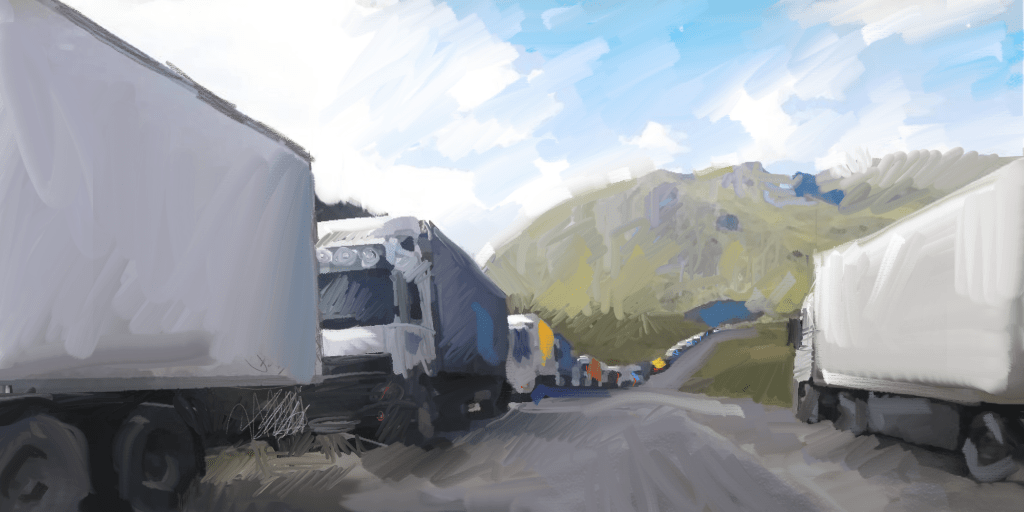
Although both Kyrgyzstan and Kazakhstan are members of the Russian-led Eurasian Economic Union, queues of trucks at the Kyrgyz-Kazakh state border seem to have become a norm. Bishkek accuses Kazakhstan of “artificially creating obstacles at the border to weaken competition from Kyrgyzstan”, while the Kazakh authorities claim that Kyrgyz truckers are “unwilling to comply with Astana’s requirements and submit fraudulent documents for cargo.”

Since Kyrgyzstan’s main connection with Russia – the major market for its agricultural products – goes through Kazakhstan, it is Astana that has the upper hand over Bishkek. From a purely economic perspective, a new route, including sea transport across the Caspian Sea, would enable faster delivery of vegetables, fruits, as well as other goods from Kyrgyzstan to Russia. However, it remains highly uncertain if Uzbekistan and Turkmenistan, as transit countries, are genuinely interested in this project.

“Both nations are far more interested in East-West trade, actual supply chain relocations into the region, and new gas contracts with the West,” Samuel Doveri Vesterbye, Managing Director of the European Neighborhood Council, told The Times of Central Asia.

In his view, a Kyrgyzstan-Russia corridor would offer a limited amount of trade, due to the sanctions the West imposed on Moscow over its actions in Ukraine. But in spite of that, Kyrgyzstan, like all countries, tries to be part of any connectivity corridor.

“There is a lot of ‘corridor competition’ at the moment. Most of it is bluff. It is important to look at which projects are being built and how much investments is going into them. The Russia-Kyrgyzstan corridor, at present, is more hot air than reality. There is no funding from the United States, the European Union, China or Turkey. Also, major players like the European Bank for Reconstruction and Development (EBRD) and the European Investment Bank (EIB) do not seem interested in funding the construction of this route. Therefore, its lifespan and potential look rather limited,” Vesterbye stressed.

European institutions seem interested in further development of the Trans-Caspian International Transportation Route. From the European Union’s perspective, Russia’s invasion of Ukraine has increased the need to find alternative, reliable, safe and efficient trade routes between Europe and Asia. That is why Brussels is reportedly willing to invest €10 billion ($10.5 billion) into the Middle Corridor. 

For Moscow, on the other hand, a transport corridor through Kyrgyzstan, Uzbekistan, and Turkmenistan serves as a strategic tool. According to Rahimbek Abdrahmanov, a senior economist at the Center for Political and Economic Research, this project is particularly important given the changing geopolitical situation and the potential risks of disruptions in transportation through Kazakhstan.

“It undermines Kazakhstan’s economic position, which has significantly strengthened in recent years, partly due to the redirection of logistics flows through its territory following the outbreak of the war in Ukraine,” Abdrahmanov told The Times of Central Asia, emphasizing that weakening the largest Central Asian country aligns with Russia’s traditional approach of preventing the economic and military-political empowerment of countries within its sphere of influence.

As he sees it, Russia has historically always sought to limit the economic and political independence of countries it considers part of its geopolitical orbit. That is why Astana likely views Moscow’s plans to construct a bypass corridor with caution and concern.

“As the largest country in the region and a key transit hub, Kazakhstan traditionally plays an important role in regional trade. A new corridor bypassing its territory could reduce Kazakhstan’s influence as the main transit route for goods moving between Russia, Central Asia, and China,” Abdrahmanov stressed, pointing out that the bypass route could also mean reduced transit revenues for Astana and a diminished role in regional economic processes.

For Kyrgyzstan, on the other hand, the new route means reducing its dependency on Kazakhstan and strengthening its economic ties with Russia and other partners in Central Asia. For Uzbekistan, according to Abdrahmanov, the new link can help Tashkent achieve its goals of improving transport infrastructure, gaining access to international markets, and strengthening trade ties with Russia. In his view, Turkmenistan, despite its policy of permanent neutrality, is unlikely to obstruct the project.

“As a result, the new route could strengthen Russia’s ties with Central Asia and align with its strategy of diversifying transport flows under the pressure of Western sanctions. The regional actors, maintaining neutrality on this issue, remain important partners for Moscow,” Abdrahmanov concluded.

Although the corridor has the potential to become a vital trade and logistics route linking Central Asia and Europe through Russia, as long as relations between Moscow and the West remain in a ‘new Cold War mode’ the Middle Corridor is likely to remain the most viable option for Central Asian nations to increase their international significance and attract investment. 

Navigating Energy and Diplomacy: Putin’s Visit to Kazakhstan

The Kremlin has confirmed that Russian President Vladimir Putin will visit Kazakhstan on November 27 at the invitation of Kazakh President Kassym-Jomart Tokayev. The visit is expected to focus on several key issues, with the construction of Kazakhstan’s first nuclear power plant likely to be high on the agenda.

As part of the visit, the two leaders will participate in the 20th Forum of Inter-regional Cooperation between Kazakhstan and Russia via video conference. Additionally, Putin will attend the regular session of the Collective Security Treaty Organization (CSTO) Collective Security Council, chaired by President Tokayev, on November 28. The meeting will involve heads of state from Russia, Kazakhstan, Belarus, Kyrgyzstan, and Tajikistan, as well as CSTO Secretary General Imangali Tasmagambetov. The agenda includes discussions on regional and international security, with a program to strengthen Tajik-Afghan border security set to be adopted. Notably, given its currently tumultuous relationship with Russia in the wake of Azerbaijan’s invasion of Nagorno-Karabakh, Armenia will not participate, with its Foreign Minister, Ararat Mirzoyan having opted out of attending.

Focus on Nuclear Power and the Role of a Consortium

Experts believe that Putin’s visit will include discussions on nuclear energy. This aligns with recent remarks by Kazakh Energy Minister Almasadam Satkaliyev, who stated that Kazakhstan is open to discussing nuclear power plant construction with Russia, among other potential partners.

Satkaliyev emphasized that energy issues remain a cornerstone of international cooperation, and Kazakhstan has established an intergovernmental commission to evaluate proposals from various vendors on a competitive basis.

Kazakhstan’s First Deputy Prime Minister Roman Sklyar has highlighted the importance of forming an international consortium for the project. Speaking in September, Sklyar noted that political risks and safety concerns would be addressed during the process. He also emphasized the need to incorporate cutting-edge technologies from global leaders in the nuclear energy sector.

On November 14, Kazakh Prime Minister Olzhas Bektenov met with Alexei Likhachev, Director General of the Russian State Atomic Energy Corporation, Rosatom. The meeting focused on cooperation in nuclear energy, quantum technologies, digitization, and the development of human resources. Rosatom, a diversified company involved in engineering and construction, currently has 39 nuclear power units in various stages of development across ten countries.

Public Support and Future Plans

The potential construction of a nuclear power plant in Kazakhstan has garnered significant public support. In an October 2024 referendum, 71.2% of Kazakh voters approved the initiative. Commenting on the result, Tokayev suggested that an international consortium involving global companies with advanced technologies would be the best approach for the project.

Kazakhstan’s energy landscape is characterized by a reliance on aging thermal power plants, which are increasingly unable to meet the demands of a growing population and economy, with electricity shortages projected to worsen, particularly in the rapidly developing southern regions. The construction of a nuclear power plant, therefore, is seen as a crucial step toward alleviating these shortages, reducing dependence on overpriced imports from Russia, and achieving carbon neutrality goals.

The construction of Kazakhstan’s first nuclear power plant presents both challenges and opportunities for the country’s energy independence and regional influence. Developing a robust nuclear energy sector could ensure a stable, long-term electricity supply and even enable Kazakhstan to export excess electricity to neighboring countries. This would solidify Kazakhstan’s position as a key energy player in the region and reduce its dependence on coal, which currently account for 70% of electricity generation. However, the complexities of choosing international partners pose a significant challenge which must be carefully managed. Much time and energy has gone into moving Kazakhstan away from Russia’s sphere of influence and turning the face of the nation towards the world as an even-handed potential partner, a Middle Power, and even a broker of peace in times of conflict, work which could be undone if Rosatom is chosen for a key role in the project.

As the visit approaches, all eyes are on the discussions between Putin and Tokayev, which could set the stage for significant developments in Kazakhstan’s energy sector, regional cooperation, and geopolitical standing.

Prosecutor General’s Office Issues Statement on Allamjonov Assassination Attempt

A month ago, reports emerged of an assassination attempt on Komil Allamjonov, the former head of the Presidential Department in Uzbekistan. Some media outlets speculated that Chechen leader Ramzan Kadyrov might be connected to the case.

In response, the Prosecutor General’s Office has released an official statement addressing the incident.

According to the statement, material evidence linked to the case was discovered during the inspection of the crime scene, searches of vehicles used by the suspects, and investigations at their residences. These findings have been crucial in advancing the case.

So far, investigative efforts have identified seven individuals involved in the crime. Five of them have been placed under preventive detention, while two remain wanted by authorities.

One suspect, identified as K.S., was located in Kazakhstan, where investigative procedures were carried out. Another suspect, Javlon Yunusov, was arrested in South Korea and subsequently deported to Uzbekistan.

The investigation is still ongoing, and further details are expected as the case develops.

Uzbekistan Boosts Car Production and Expands Exports

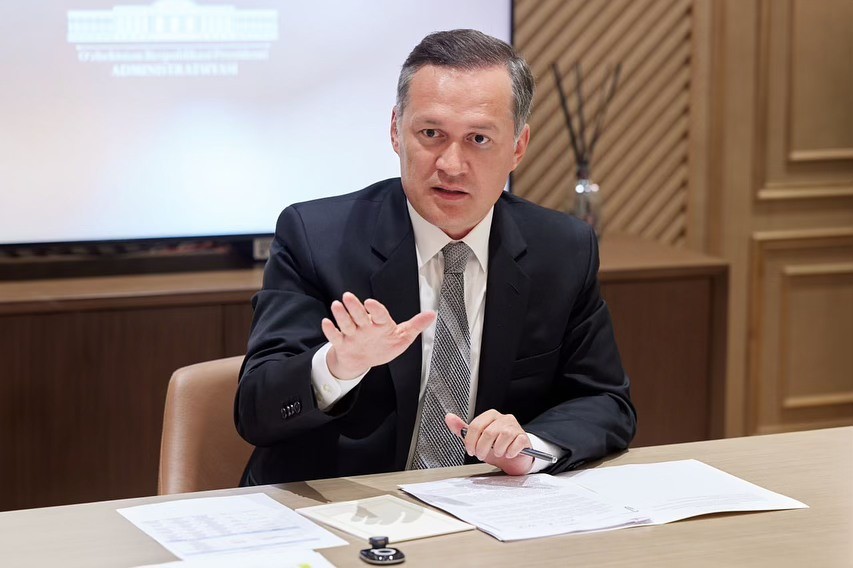
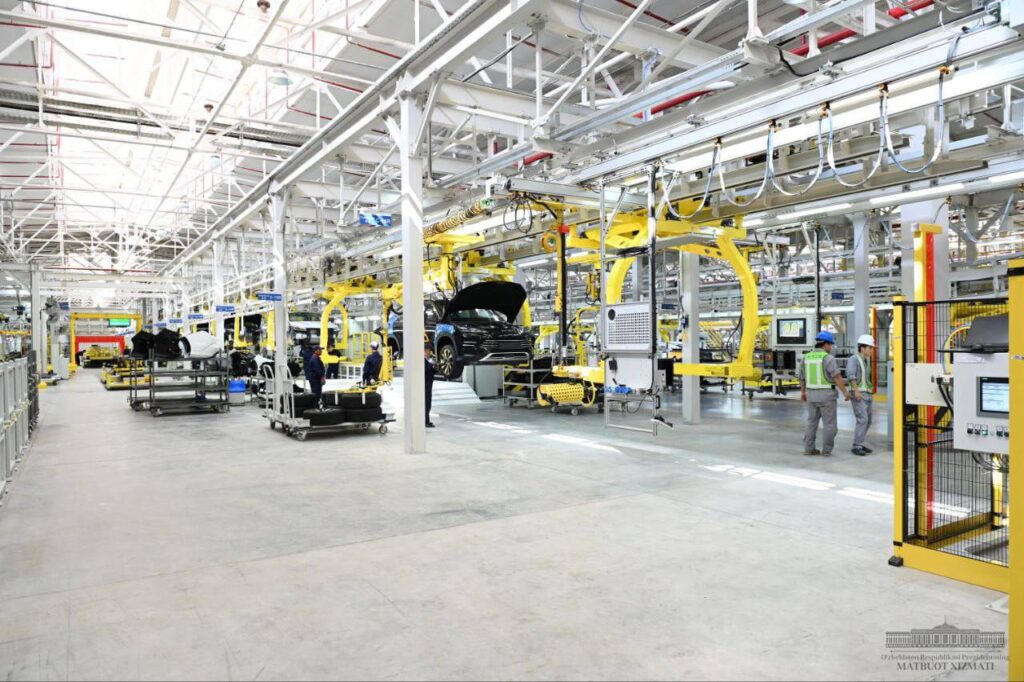
Between January and October 2024, Uzbekistan produced 338,000 vehicles, generating $455 million in car exports, according to figures revealed during a government meeting chaired by President Shavkat Mirziyoyev on November 25. Next year, the country aims to manufacture 450,000 vehicles in 2025 and boost export revenues to $700 million.

The automotive sector has become a cornerstone of Uzbekistan’s industrial growth, accounting for 10 percent of the country’s total industrial output. Currently, the industry produces 1,400 types of automotive components and has achieved a 4 percent reduction in production costs. To strengthen domestic manufacturing further, the government plans to launch 63 projects worth $325 million, facilitating the production of an additional 700 types of automotive parts.

Uzbekistan’s vehicle assembly incorporates major global brands, including Chevrolet (USA), as well as South Korean and Chinese manufacturers. The country’s commitment to innovation and green energy was underscored by the June opening of a BYD electric vehicle plant in Jizzakh, which marked a significant milestone for the industry.

The new Jizzakh plant currently produces 50,000 electric vehicles annually during its first phase. Planned expansions include:

  • Second phase: A $300 million investment to scale production to 200,000 electric vehicles per year.
  • Third phase: A $500 million investment to increase capacity to 500,000 vehicles annually.

These developments highlight Uzbekistan’s commitment to becoming a regional leader in electric vehicle production and innovation.

The country’s automotive industry has demonstrated remarkable growth, fueled by strategic investments in local manufacturing and a focus on sustainable technologies. By prioritizing electric vehicles and expanding exports, Uzbekistan is positioning itself as a competitive player in the global automotive market.

On the Threshold of Cold Weather, Kyrgyz People Stockpile Coal

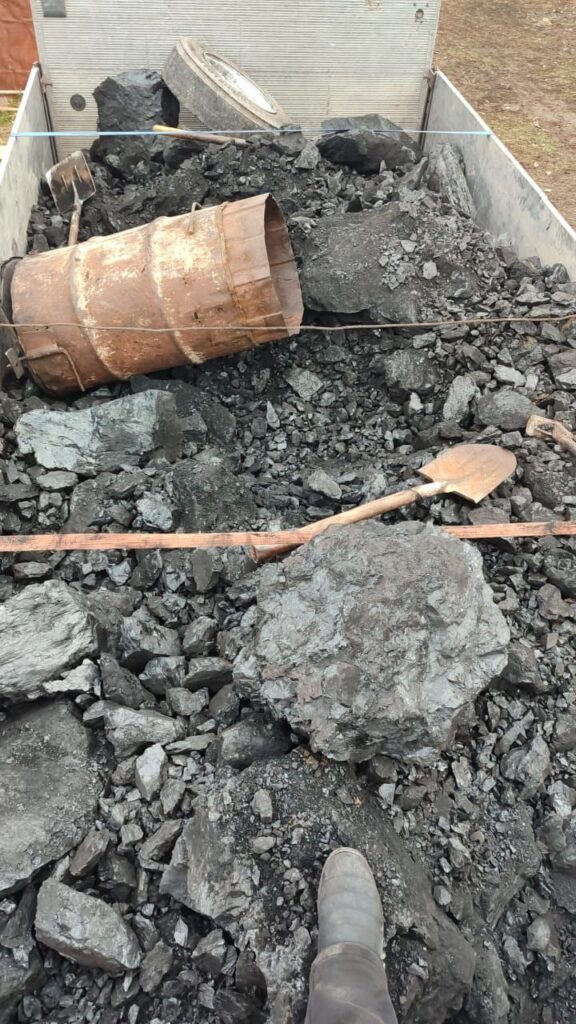
Kyrgyz authorities have extended a temporary ban on coal exports outside the Eurasian Economic Union (EAEU) customs territory. The decree, signed by the head of the Cabinet of Ministers, Akylbek Japarov, aims to prevent a sharp rise in coal prices amid growing demand and to mitigate potential public unrest caused by fuel shortages.

The ban, which will remain in effect for six months, excludes coal exported by the state enterprise Kyrgyzkomur. This coal is sold to neighboring Uzbekistan. The Kyrgyz Ministry of Economy and Commerce has been tasked with notifying the World Trade Organization of this decision.

As temperatures drop, coal outlets across Kyrgyzstan are experiencing a rush of purchases by residents anxious to prepare for the cold weather. This surge in demand has caused coal prices to rise. To address the issue, the Antimonopoly Service has begun conducting regular inspections of retail outlets to identify sellers inflating prices.

“We visit trading outlets undercover and identify sellers who artificially increase prices. Citizens also report violations via our hotline. According to the law, individuals can be fined 3,000 KGS (around $35), and companies can face fines of up to 13,000 KGS (approximately $150),” explained Taalaibek Kenzheshev, a leading specialist in the Antimonopoly Regulation Service’s department, during an interview with The Times of Central Asia.

In response to rising prices, the government has opened state-run coal outlets to sell fuel directly to consumers without intermediaries, ensuring more affordable pricing.

“At private markets, sellers often cheat by selling coal in bags with insufficient weight. State-run outlets sell coal by weight, making it more reliable and cost-effective,” shared Sanzhar Orozbekov, a resident of Chui Oblast, with The Times of Central Asia.

The Antimonopoly Regulation Service has set maximum coal prices in each region, depending on logistics complexity and the distance from coal mines. The highest coal prices are in Karakol, located east of the Issyk-Kul region, while the cheapest coal is found in southern Kyrgyzstan. However, even in the south, prices are influenced by coal exports to Uzbekistan.

Imported Kazakh coal remains popular among Kyrgyz residents despite its higher cost. Known for burning more efficiently and producing greater heat, it is a preferred choice for some. However, the government intends to phase out the use of Kazakh coal at the Bishkek combined heat and Power Plant (CHPP), planning instead to rely entirely on domestic coal sources.

According to the Kyrgyz Ministry of Energy, the country will need 2.6 million tons of coal for the upcoming autumn-winter season, half of which is required by households. The Ministry has assessed preparations for winter as adequate and has assured citizens that there will be no power outages this year.

Kazakhstan Needs a Fourth Oil Refinery to Meet Its Growing Demand for Motor Fuel

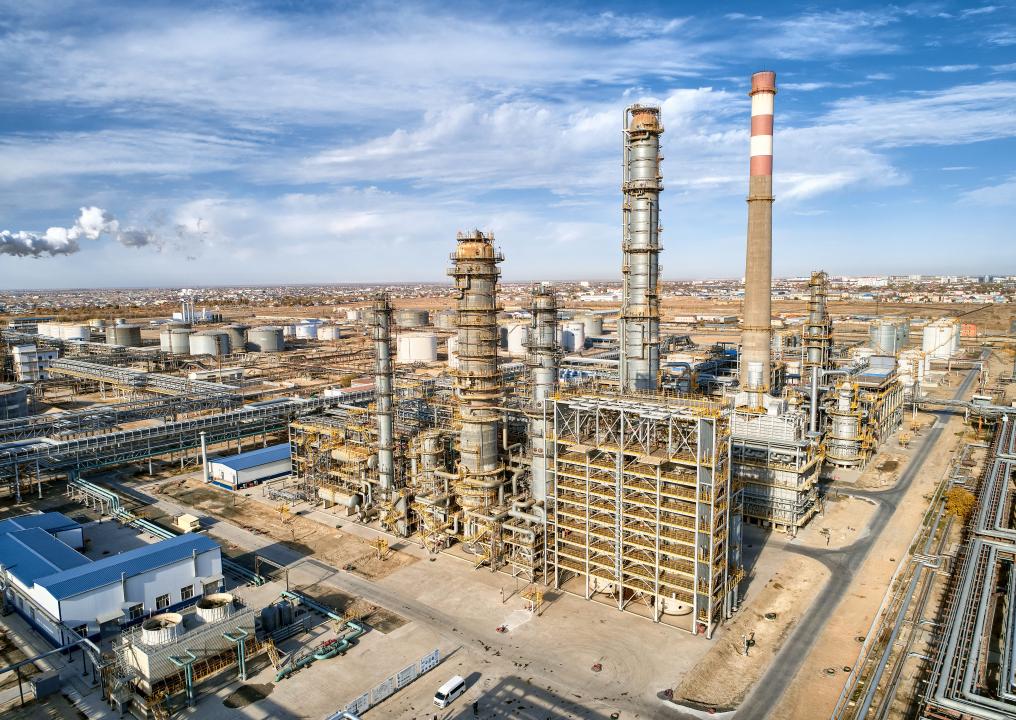
Speaking in parliament on November 25, Kazakhstan’s Energy Minister Almasadam Satkaliyev announced that the country anticipates a shortage of motor fuel by 2036. To address this, he emphasized the need to design a new oil refinery with a capacity of 10 million tons per year by 2030, with construction slated to begin in 2032.

According to Satkaliyev, the proposed refinery will ensure Kazakhstan’s fuel demands are met from 2040 to 2050 while also enabling exports to rapidly developing markets in Central, South, and Southwest Asia.

Currently, Kazakhstan operates three oil refineries – located in Shymkent, Pavlodar, and Atyrau – which are sufficient to meet domestic demand for gasoline and diesel fuel. However, during seasonal shortages, Kazakhstan imports additional fuel from Russia.

Satkaliyev provided details on the country’s fuel production and import figures for 2024. Kazakhstan plans to produce 10.9 million tons of fuel this year, including 5.1 million tons of gasoline, 0.6 million tons of aviation fuel, and 5.2 million tons of diesel. In addition, approximately 1 million tons of fuel will be imported from Russia, comprising 0.285 million tons of gasoline, 0.3 million tons of aviation fuel, and 0.45 million tons of diesel.

By 2032, Kazakhstan’s annual fuel production is expected to reach 19 million tons, including 8.2 million tons of gasoline, 1.5 million tons of aviation fuel, and 9.3 million tons of diesel. This increase will not only eliminate the need for imports but also enable the country to export surplus fuel.

Satkaliyev also addressed the domestic supply of liquefied petroleum gas (LPG), which is the most affordable and widely used automobile fuel in Kazakhstan. From January to October 2024, Kazakhstan produced 2.5 million tons of LPG, compared to 2.4 million tons in 2023. The Energy Ministry has set the planned production volume for 2024 at 2.9 million tons.

To stabilize the LPG market, the ministry has banned its exports since November 2023. The domestic market requires 164,000 tons of LPG monthly, while the ministry distributes 130,000-140,000 tons.

Looking ahead, the government aims to meet rising LPG consumption by introducing new production capacities, with plans to increase annual LPG production to 4.2 million tons by 2032.