For months now, areas in eastern Turkmenistan have been facing a severe gasoline shortage.
The lack of fuel at the pumps is having a knock-on effect that is raising food prices and shutting down public transportation.
Turkmen officials have not acknowledged there is any problem, so the people of the affected regions have no idea why this happening or for how long this situation will continue.
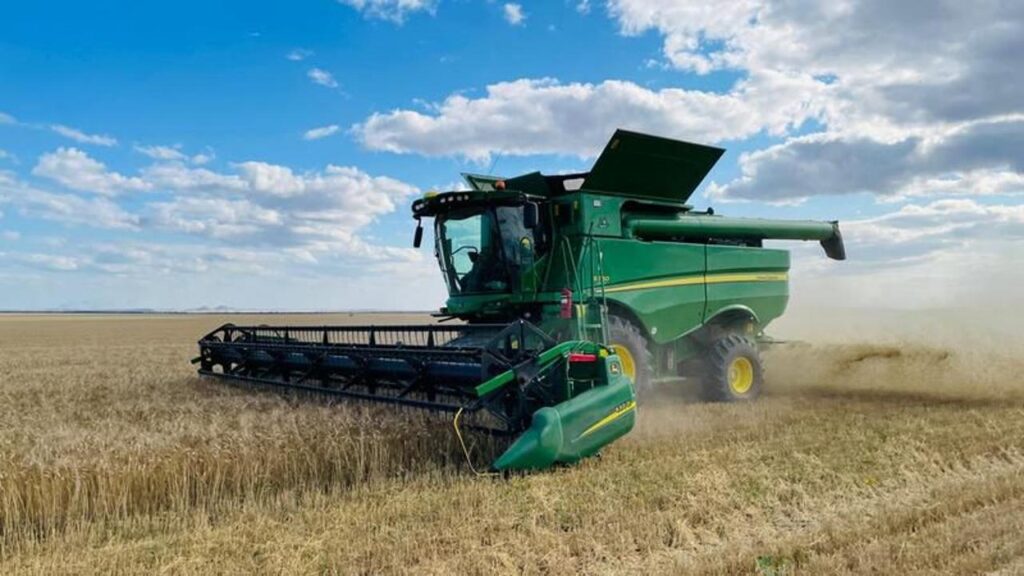
Gasoline shortages are not new to Turkmenistan. They have been occurring sporadically in recent years, usually during in late summer when harvesting of crops starts.
This latest deficit is unprecedented for Turkmenistan in its duration and severity.
Long lines and purchase limits
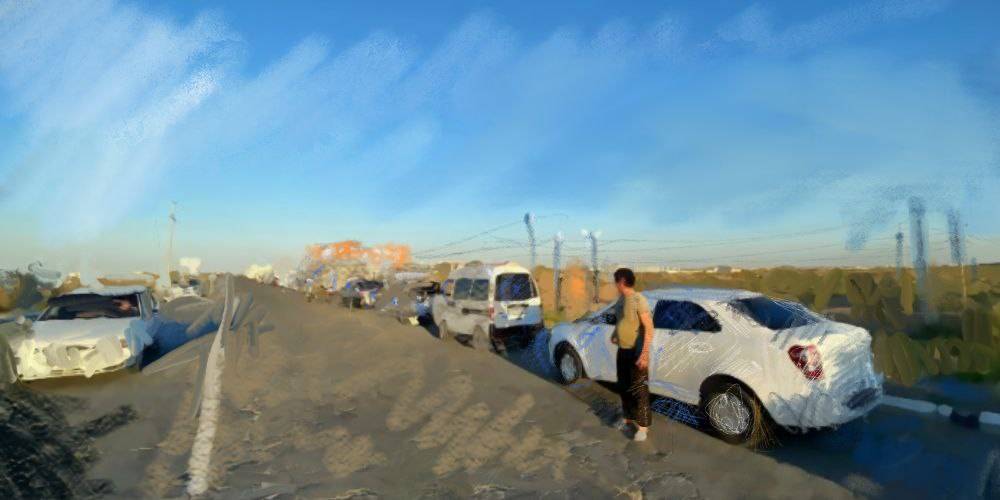
By late June, there reports from Lebap and Mary provinces about lines of cars of waiting at petrol stations. Often there was not enough gasoline for everyone.
By mid-July, filling stations in at least five districts and several of the big cities in Lebap Province were often completely out of higher-grade gasoline – A92 and A95.
Before the end of July, Lebap authorities imposed a 10-liter limit per customer, per day on gasoline purchases.
At the start of July there were areas in the northeastern Dashoguz Province that were totally without gasoline, even the cheapest and most environmentally harmful A-80 grade (which is banned in many countries, including Kyrgyzstan and Tajikistan) was unavailable.
In Mary Province, A-92 and A-95 gasoline ran out in July and by early August authorities had limited purchases of A-80 to 20 liters per customer, and even that was unavailable in many areas of the province.
In October, Radio Free Europe’s Turkmen service, known locally as Azatlyk, posted a video of a line of vehicles some three kilometers long outside one of the few filling stations operating along the Turkmenabad-Mary highway. Azatlyk’s sources in the region said there were similar lines at filling stations throughout the province and in the provincial capital Turkmenabad.
Some people are reportedly arriving at filling stations at 4am to get a place in line as close to the pumps as possible when the stations open.
In Mary Province, some car owners said they were phoning family members to bring them food and water while they waited in line.
Prices going up at the pumps and other areas
Turkmenistan has some of the least expensive gasoline in the world with an average of $0.428 per liter, roughly a third of the world average of $1.30 per liter.
The official rate of Turkmenistan’s national currency, the manat, is 3.5 to $1.
The state regulated cost of one liter of gasoline is 1.15 manat for A-80, 1.35 for A-92, 1.5 for A-95, and 1 manat for diesel.
There have been incidents where filling station employees have been illegally selling gasoline at 5-6 manat per liter to those who can afford it.
The shortage is having an effect on public transportation.
Most buses are assigned to bringing people to and from the cotton fields once harvest starts toward the end of August or early September until harvesting ends in late October or early November. These buses apparently are receiving all the gasoline they need, whilst the few city buses still operating face the gasoline deficit.
One person in Turkmenabad – who spoke under the condition of anonymity for fear of repercussions, as did all respondents – said buses were not operating at all in his neighborhood and even cars passing by were rare. “It feels like being in a cemetery,” he said.
A teacher in Turkmenabad confirmed buses had stopped running and complained it complicated arriving at school on time.
The teacher explained his tardiness to the school director. “There are no buses on the roads at all,” the teacher said, “The government is not addressing the problem at all, so what can we do?”
The director replied, “Are you against the policy of our [president]?”
The privately-owned vans that are used as buses in nearly every city across Central Asia are still operating but the cost has doubled, and in some cases tripled for passengers. Taxis in many places in Lebap, Mary, and Dashoguz provinces have also at least doubled their fares due to the problems obtaining gasoline.
Even those who do not need a vehicle are affected.
The shortage of gasoline has increased prices for transporting food. In Turkmenabad, the price of sugar has increased from 16 to 19 manat, sunflower oil from 20 to 30, and goods like macaroni, butter, and cereals are all two or three manat more expensive than in the spring.
The cause
Turkmen officials have not mentioned the gasoline shortage, and the reply of the director to the teacher in Turkmenabad is an example of the pressure all Turkmen citizens feel about complaining over anything in Turkmenistan.
In Turkmenistan, public displays of discontent are often severely punished.
Turkmenistan is known for having vast reserves of natural gas, at least 18 trillion cubic meters, but the country also has oil reserves of some 600 million barrels, easily enough for a country with a population of some 5-6 million people.
However, the Turkmen government has a reputation of putting profits ahead of the plight of the country’s people.
There have been frequent shortages of basic goods, including bread, for nearly a decade in Turkmenistan.
In March 2022, authorities told farmers and agricultural businesses to prepare for an increase in exports of fruits, vegetables, meat, and other goods to Russia, which had just come under international sanctions for its full-scale war on Ukraine.
The situation is similar now with gasoline.
In 2023, Turkmenistan’s oil sales to the European Union amounted to some 1.05 billion euros, up from some $165 million euros in 2022. In the first quarter of 2024, the amount was 107.2 million euros.
The State Commodity and Raw Materials Exchange reported at the end of July that the previous week it “recorded 21 trading operations for a total amount of more than $38.723 million,” most of which was gasoline and other petroleum products.
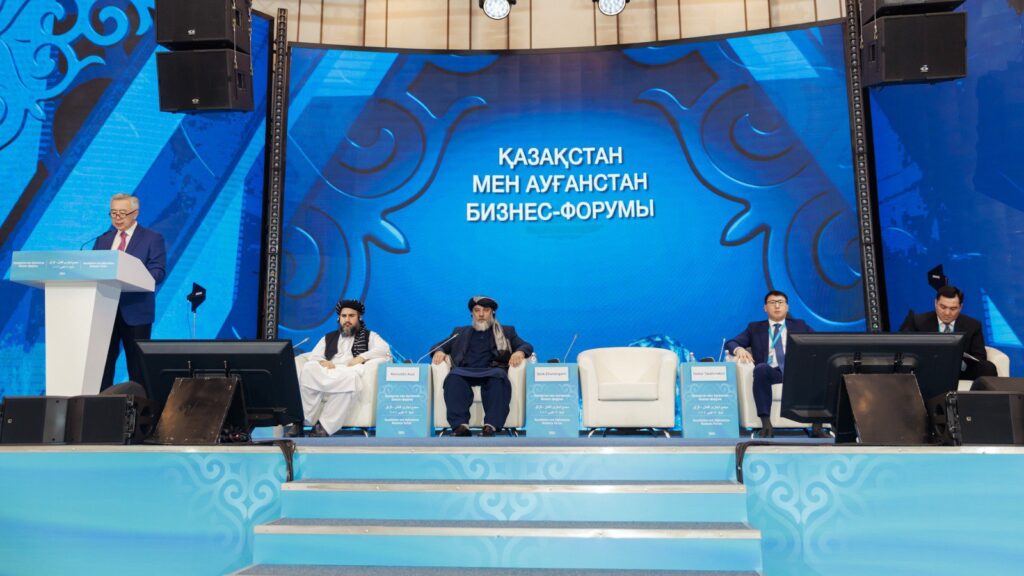
On September 11, Turkmen and Afghan officials gathered at the border for a ceremony launching the start of several bilateral projects, including power transmission lines, fiber optic cables, and a gas pipeline. The Turkmen side of the border was Mary Province, one of the areas hit by the gasoline shortage.
As a gesture of good will, the Turkmen authorities announced they were sending humanitarian aid to Afghanistan in the form of food, gasoline, and other goods. It is unclear how much gasoline Turkmenistan sent to Afghanistan. Residents of Turkmenistan’s Dashoguz, Lebap, or Mary provinces might say any was too much, as that gasoline is needed at home.
This current gasoline shortage is already unusually long and since the government has not officially recognized there is a problem, there is no telling when, or if, the petrol problem will end soon or become a common feature of life.
It is curious that in Balkanabad and Ahal, the other two of Turkmenistan’s five provinces, there does not seem to be any problem with supplies of gasoline. Why the issue seems confined to the northeast and eastern part Turkmenistan remains unclear.