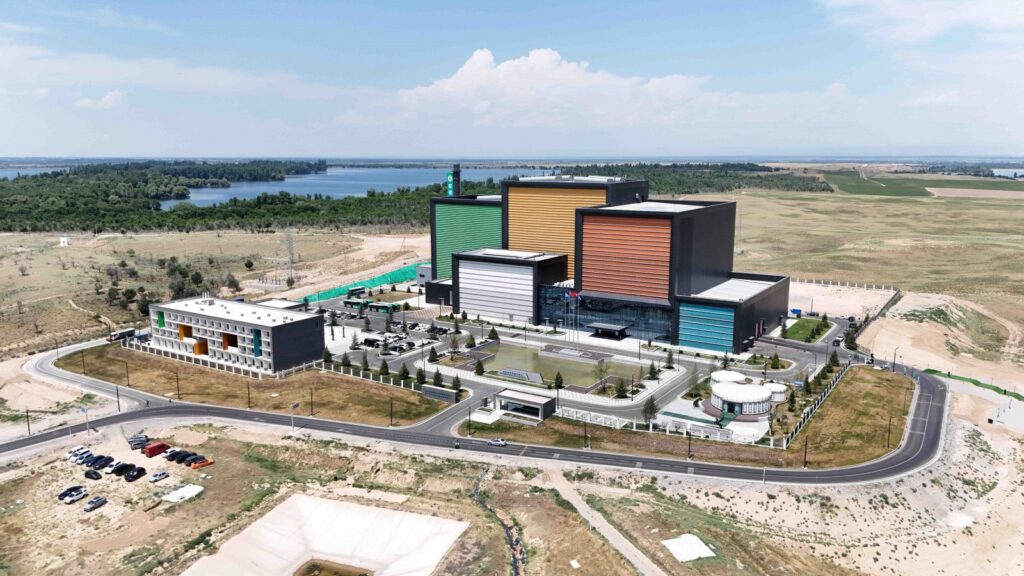
Authorities in Tajikistan’s capital are considering the construction of a modern waste-to-energy facility that would process municipal solid waste while generating electricity, as part of efforts to develop more sustainable urban infrastructure.
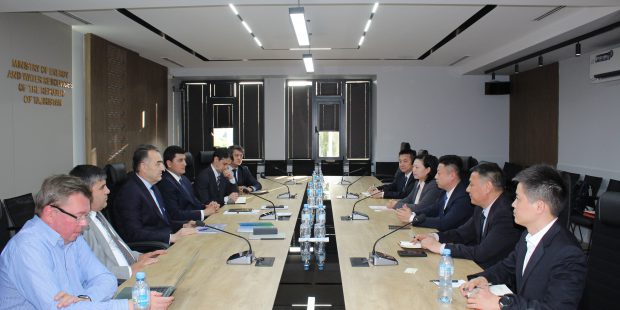
The proposal was discussed during talks between Tajikistan’s minister of energy and water resources, Daler Juma, and Environmental Protection Committee chairman Bahodur Sheralizoda, and representatives of the Chinese company Wangneng Environment, which specializes in waste treatment and energy recovery technologies.
The parties explored the possibility of introducing municipal waste-processing technologies, including electricity generation through waste incineration and other forms of energy recovery. Such systems are used in a number of major cities in Asia and Europe as part of broader waste-management and urban sustainability policies.
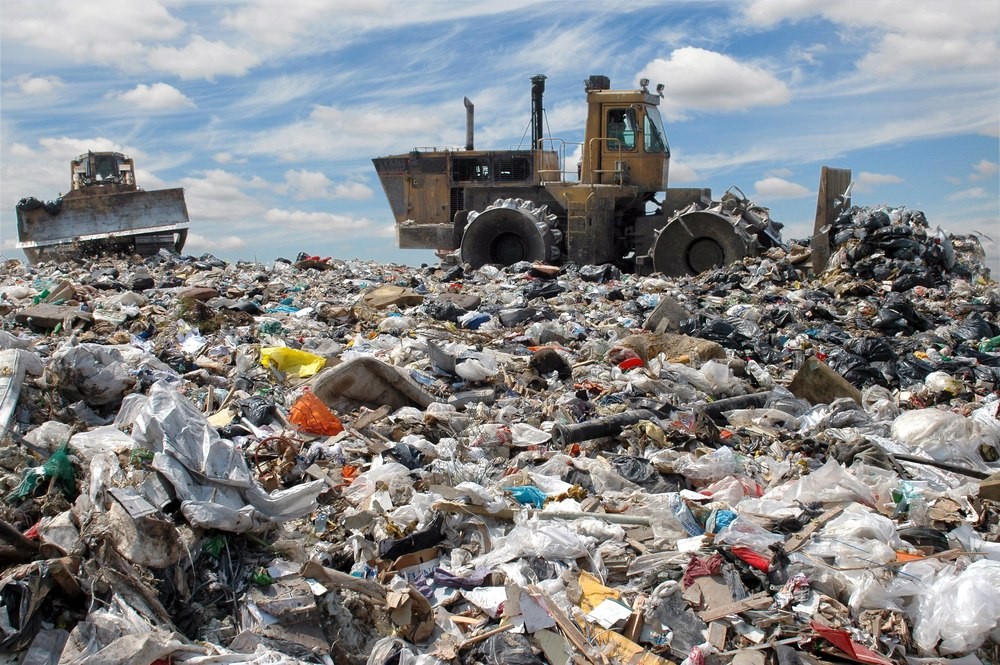
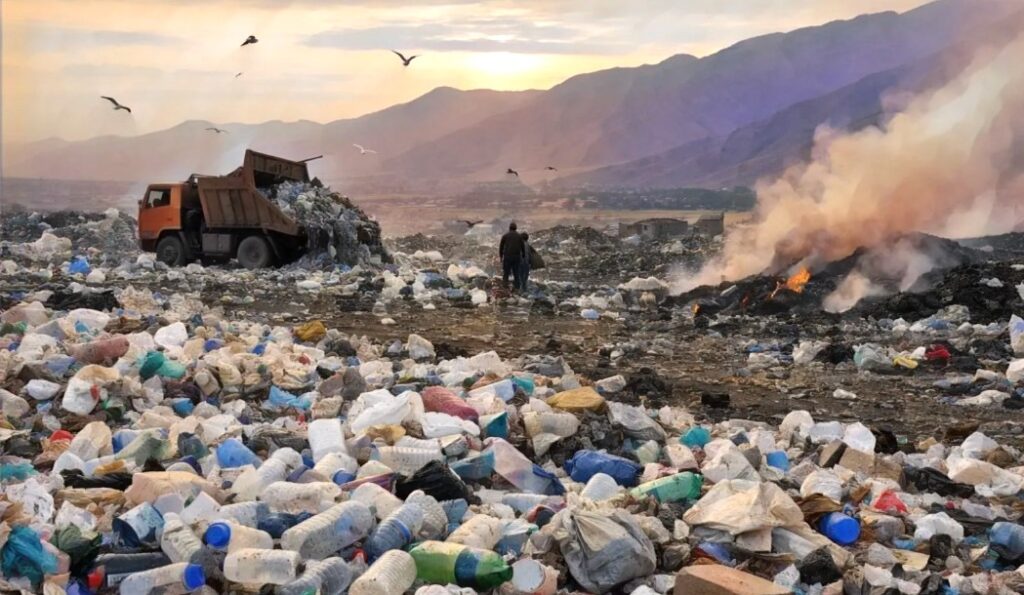
For Dushanbe, the project is gaining importance as the city’s population continues to grow and household waste volumes increase. Experts note that the existing landfill-based waste-management system is gradually becoming inadequate for the needs of a rapidly expanding urban center, particularly amid rising environmental pressures and limited land resources.
If implemented, the facility could address several challenges at once by reducing the volume of waste sent to landfills, improving environmental and sanitary conditions, and adding to the capital’s electricity-generating capacity.
The initiative is also being presented as one element of Tajikistan’s push to promote environmentally sustainable economic growth and expand the use of green technologies. In recent years, the country has supported international initiatives focused on climate adaptation, sustainable resource management, and cleaner energy development.
Environmental and economic specialists note that waste-to-energy projects can help reduce pressure on landfills while providing an additional source of electricity for fast-growing cities. At the same time, they say strict environmental safeguards, modern filtration systems, and transparent monitoring would be essential to minimizing air pollution and ensuring compliance with international standards.
Following the discussions, the parties expressed their willingness to continue consultations on the project. Key parameters of the proposed facility, including waste-processing capacity, electricity generation volumes, environmental requirements, and financing mechanisms, are expected to be determined during the next stages of negotiations.