Kyrgyzstan is preparing to introduce a unified national system for radiological monitoring of former uranium production sites, tailings storage facilities, and other radioactive waste locations, shifting the focus from cleanup work to long-term oversight of Soviet-era uranium legacy sites.
The draft resolution, published for public discussion by the Ministry of Natural Resources, Ecology and Technical Supervision, would establish a single framework for monitoring reclaimed uranium sites across the country. Under the proposed rules, state monitoring would cover protective engineering structures, surface and groundwater, soil, atmospheric air, and other environmental components surrounding radioactive sites.
The ministry said the initiative was developed under Kyrgyzstan’s Environmental Security Concept through 2040 and had been coordinated with the International Atomic Energy Agency.
“The draft resolution is aimed at establishing a unified procedure for organizing and conducting radioecological monitoring in areas containing former uranium production sites, radioactive tailings, and waste storage facilities after remediation work has been completed,” the ministry said in its explanatory note.
Officials said that despite large-scale rehabilitation efforts, former uranium facilities in Kyrgyzstan continue to pose potential radiation risks, making permanent state oversight necessary.
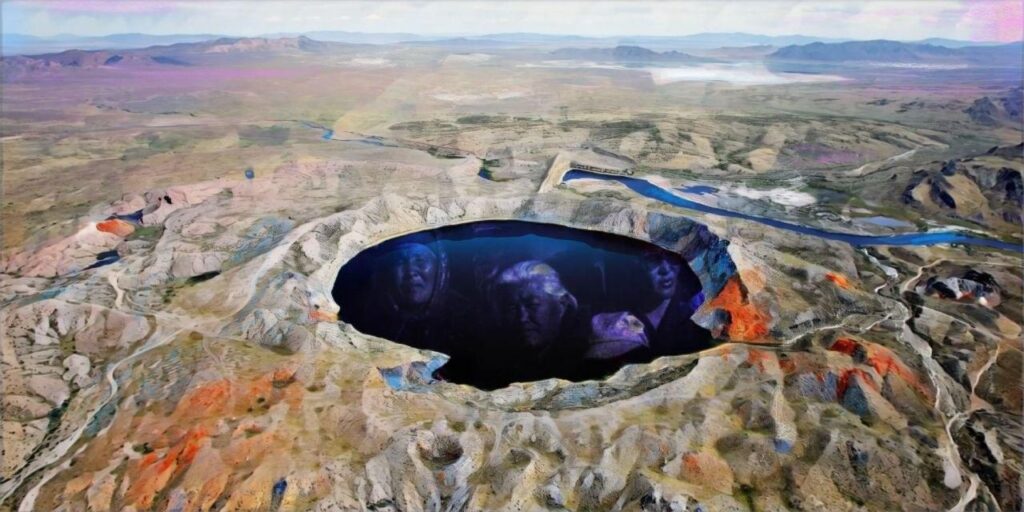
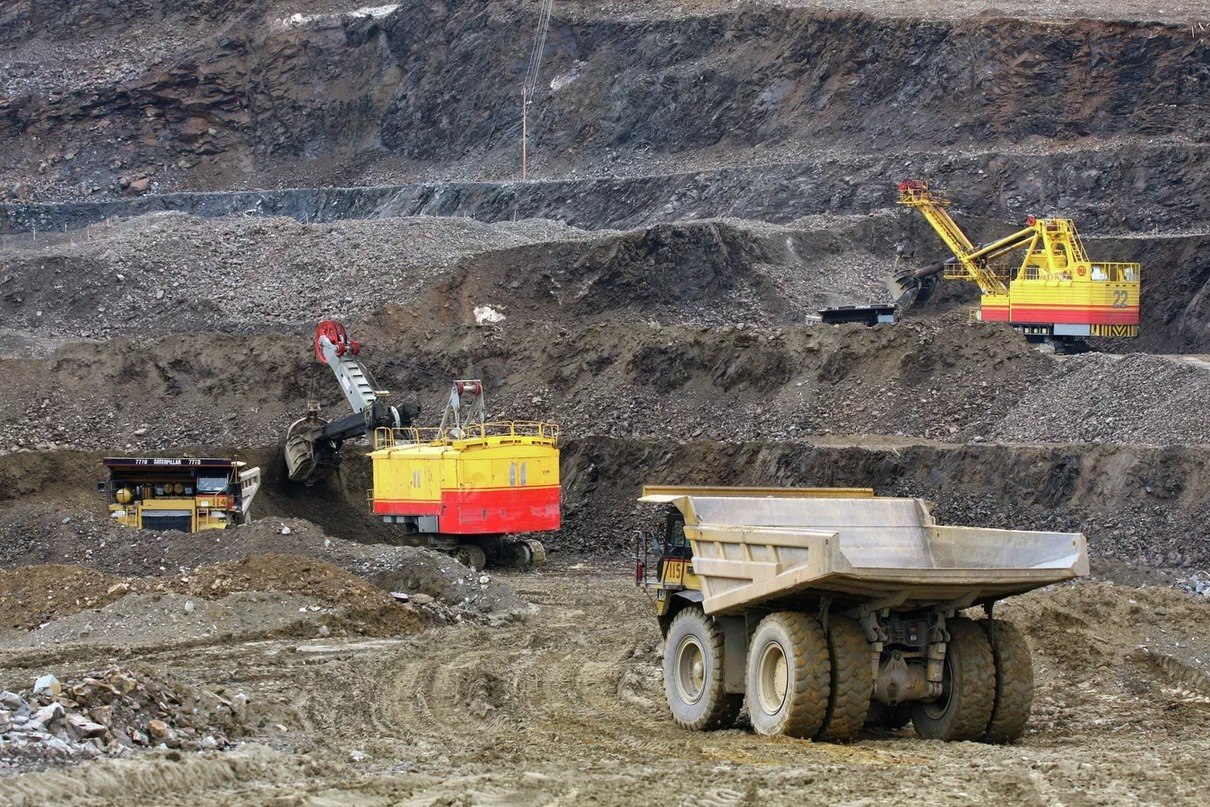
According to the ministry, Kyrgyzstan still holds significant volumes of radioactive waste generated by uranium mining and processing during the Soviet era. These tailings and mining dumps remain long-term potential sources of radiation exposure for both local populations and the environment.
The ministry said the effectiveness of remediation can only be confirmed through systematic monitoring over an extended period after restoration works are completed. International organizations have also recommended long-term post-remediation monitoring, the ministry added.
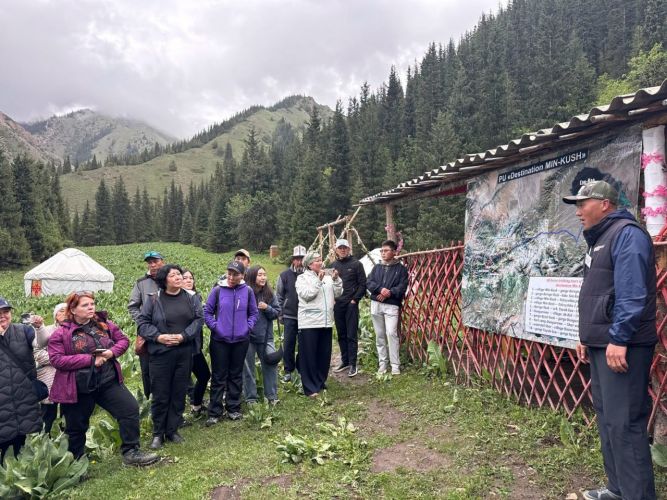
Kyrgyzstan is one of several Central Asian states still dealing with the environmental legacy of Soviet uranium mining. Sites such as Mailuu-Suu, Min-Kush, Kadji-Sai, and Shekaftar have been priorities for international remediation work because many are located near populated areas, river systems, or unstable terrain.
Official data show that Kyrgyzstan has 92 toxic and radionuclide waste burial sites, including 34 that directly contain radioactive materials.
A separate rehabilitation track has been carried out jointly by Kyrgyz emergency authorities and Russia’s state nuclear corporation Rosatom. Other remediation efforts have been supported through the Environmental Remediation Account for Central Asia, which is managed by the European Bank for Reconstruction and Development.
Over the past nine years, the Rosatom-linked program has covered more than 27 hectares of land, with more than 1.4 million cubic meters of radioactive tailings relocated. Total investments have exceeded $25 million.
The proposed monitoring system would formalize the next stage: checking whether restored sites remain stable and whether contamination risks are contained over time.