Kazakhstan plans to delay a new mining royalty system until 2029, postponing a reform that would tax raw ore more heavily than metals processed inside the country.
The government backed the two-year delay, saying parts of the system still need further work.
The royalty regime would apply only to new mining licenses issued from 2027 onward for areas where mining rights have not previously been granted. For example, a company receiving a new license to develop a previously unlicensed copper deposit would come under the royalty system, while an existing copper mine would continue paying the current mineral extraction tax, or MET.
The main difference is when and how the tax is calculated. Under MET, tax is charged on minerals extracted from the ground. Under the proposed royalty system, the payment would instead be linked to the sale of the mineral product. This approach is more closely tied to actual sales.
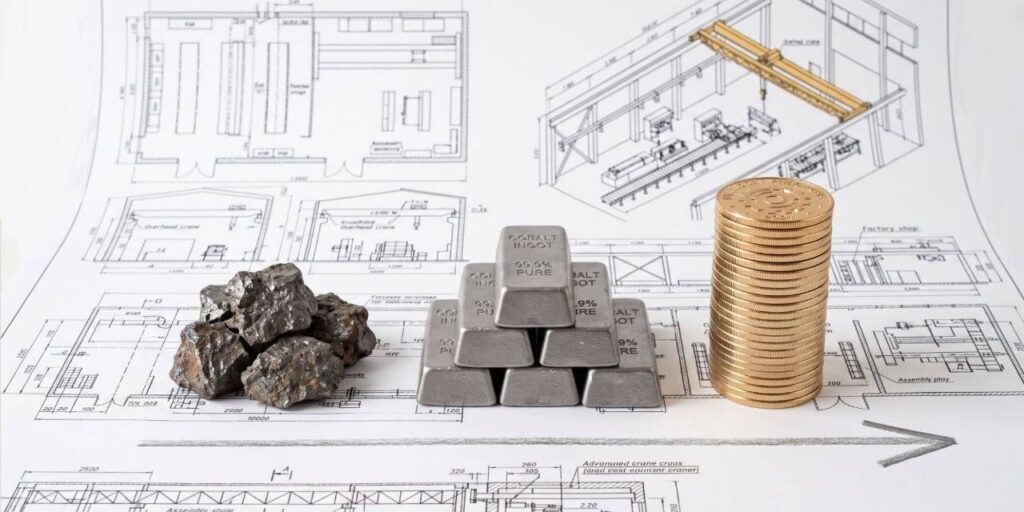
More significantly, the tax rate would fall as the mineral is processed further. The Tax Code sets a rate of 13% for ore, 10% for concentrate, and 7% for metals. A miner selling raw ore would therefore face almost twice the royalty rate of a company producing metal, giving businesses an incentive to process more of their output in Kazakhstan.
Putting the system into practice has proved more difficult. The government says it still needs to decide how royalties should be calculated on minerals recovered from old tailings and other mining waste, and how the rules should treat expensive new projects and valuable minerals produced alongside a mine’s main commodity. The proposed rules will be tested against mining companies’ financial models before they take effect.
The Finance Ministry had previously raised concerns about a rapid transition to royalties. In 2024, the State Revenue Committee estimated that applying rates similar to those used in Western Australia could reduce annual budget revenue by about KZT 270 billion ($606 million), while extending royalties to all subsoil users could result in losses of about KZT 450 billion ($1.01 billion).
Those estimates do not apply directly to the much narrower reform now planned, which covers only future licenses in areas where subsoil use rights had not previously been granted.
They do, however, help explain the government’s caution over changes to subsoil taxation. The State Revenue Committee says tax payments from more than 7,000 subsoil users, including oil and gas producers, account for around 35% of Kazakhstan’s republican budget revenue.
The postponement therefore leaves the main structure of the reform intact but gives the government another two years to decide how it will work in practice.
The Times of Central Asia previously examined the arguments surrounding the reform and Kazakhstan’s effort to link mining taxation with greater domestic processing.