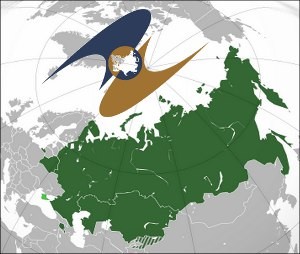
BISHKEK (TCA) — There is certain disharmony in the economic relations between the Eurasian Economic Union member countries, but it is normal. If there were harmony, it would be a single state, Kazakh expert Miraz Daulenov said at the Eurasian Intergovernmental Council (EIC) meeting in Bishkek earlier this week.
At the meeting, prime ministers of the EEU member states — Kyrgyzstan, Russia, Kazakhstan, Belarus, and Armenia — signed ten agreements, including on the implementation of the EEU digital agenda until 2025 and on measures to develop exports.
Kazakhstan’s support
At the EIC meeting, Prime Ministers of Kyrgyzstan and Kazakhstan Sooronbai Jeenbekov and Bakytzhan Sagintayev signed a protocol on supporting Kyrgyzstan within the framework of the EEU agreements.
Kazakhstan has allocated $41 million to support Kyrgyzstan in its adaptation to the EEU conditions. Initially, the announced amount was $100 million, but now the money will come in tranches.
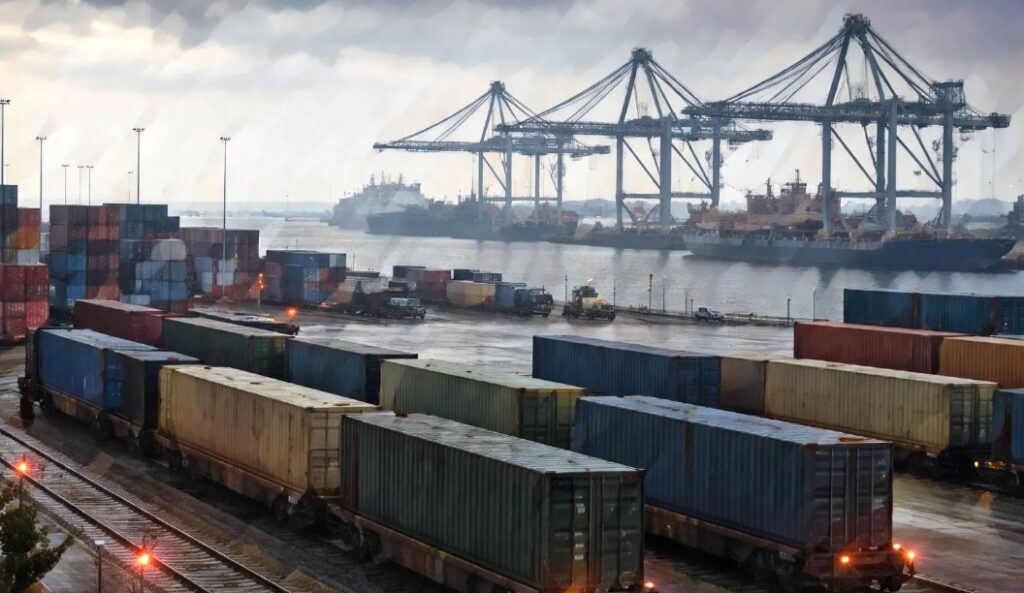
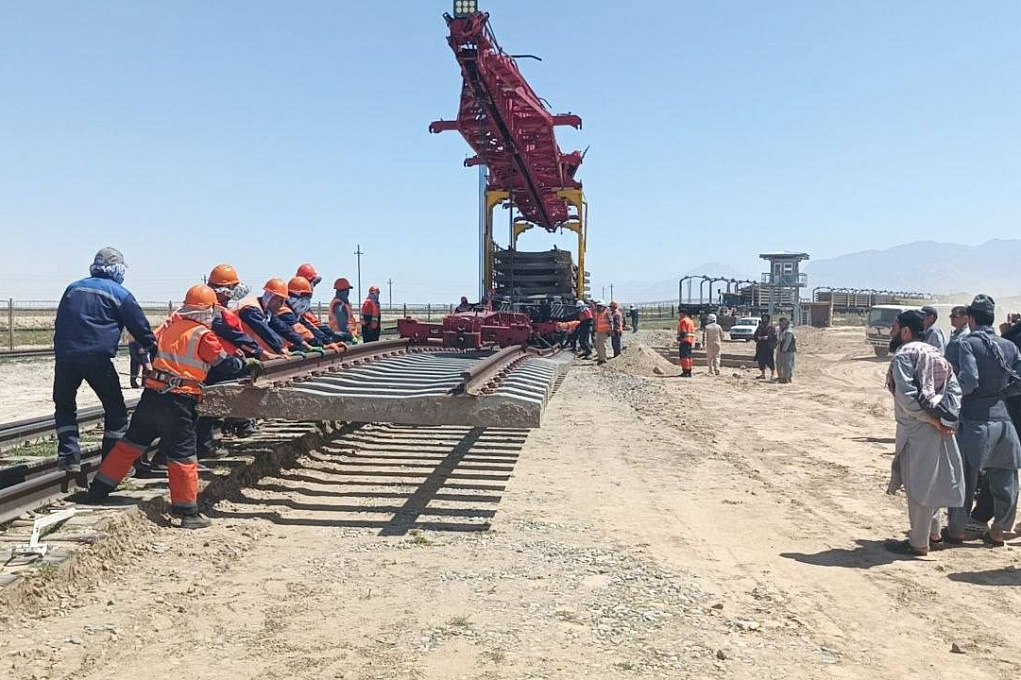
Sagintayev also spoke about the early conclusion of an agreement on the unified railway tariff for the transportation of Kyrgyz goods through Kazakhstan. The agreement came into force in January 2017. According to experts, early application of the unified tariff by Kyrgyz shippers will help them save about $60 million.
Better conditions for business needed
According to Kazakhstan’s data, trade between the EEU member countries has decreased by 11%. To increase trade, removal of barriers and restrictions is the key issue, Sagintayev said.
Another goal is creation of better conditions for businesses and producers. Entrepreneurs expect a positive effect from the common market of the EEU. Therefore, it is vital to develop general rules of the game.
The EEU business expects the early adoption of the Customs Code. In Kazakhstan, they hope that the Code will be signed by all the EEU countries in the near future and it will come into force by the end of 2017, Sagintayev said. The presidents of Russia, Kazakhstan, Kyrgyzstan and Armenia approved the EEU Customs Code in December 2016, but it has not been approved by the President of Belarus Alexander Lukashenko so far.
Disagreements remain
The recession of the Belarus economy is continuing and the population’s incomes are decreasing. Belarus aims to develop manufacturing and agriculture and is interested in some advantages within the EEU, for example, in energy prices, Belarusian expert Vyacheslav Yaroshevich said at the video conference “Interaction within the Eurasian Economic Union” on March 9.
“There are now more than 200 restrictions and barriers within the EEU. Their number is decreasing, but not as fast as we would like,” the expert said. The trade development is the main problem. The share of Belarus’ trade with the EEU countries is extremely low, and it grows at a slow pace, he added.
At the Eurasian Intergovernmental Council meeting in Bishkek, Belarusian Prime Minister Andrei Kobyakov also criticized Russia’s policy within the EEU.
Bilateral obligations between Russia and Belarus are not fulfilled, which negatively affects his country’s integration in the EEU, Kobyakov said.
According to him, Russia is creating obstacles and barriers to the economic development of Belarus. Natural-gas prices for Belarus are much higher than in Russia itself, and the difference continues to grow. Meanwhile, 96% of all electricity in Belarus is generated from the Russian gas, he said.
Russian Prime Minister Dmitry Medvedev responded that there were cases when problems of bilateral relations were transferred to a multilateral platform. With regard to other EEU member states, this situation is akin to blackmail: “either you will influence, or we will not sign.” Abuse of the EEU rights is unacceptable, because integration is supranational, Medvedev added.
All the EEU member countries have significant benefits from energy cooperation, Medvedev said. Belarus would pay much more for gas at European prices if it were not an EEU member, he added.
“We are considering issues related to all the EEU member states but not two or three parties,” Medvedev said, adding that “no one is held in the EEU against its will” because its membership is voluntary.
Kyrgyzstan’s results
Among the EEU member countries, Kyrgyzstan is the leader in terms of GDP growth, Minister of the Eurasian Economic Commission for Integration Tatiana Valovaya said.
Due to a reduction in economic growth in Russia and Belarus, the EEU GDP growth decreased in 2016 compared to 2015 while Kyrgyzstan’s GDP increased by 3.8% last year. Industry increased by 4.9% and production by 3%, she said.
Valovaya said that not all integration processes can be measured by economic growth. After Kyrgyzstan’s accession of the EEU, almost half of the country’s investments have come from the EEU member states. Besides, the rights of Kyrgyz labor migrants in Russia have been protected and equated with the rights of Russian citizens, she added.
In January 2017, Kyrgyzstan’s exports to the EEU countries amounted to $100.7 million, 14.1% more than in January 2016. The largest trade was with Russia (65%) and Kazakhstan (34.2%). Kyrgyzstan exported more legumes and dried vegetables to Russia, and more dairy products and condensed milk (1.6-fold increase) to Kazakhstan, while the export of vegetables decreased.