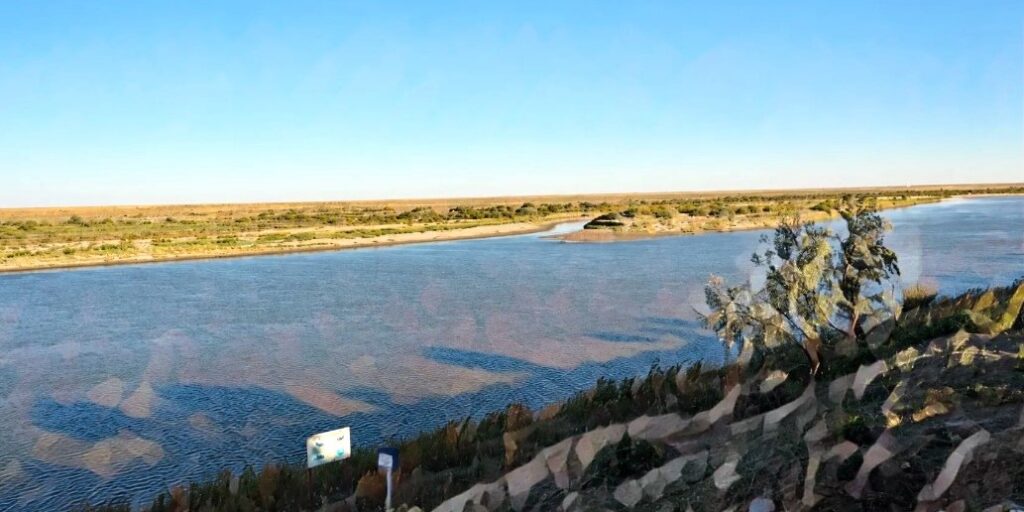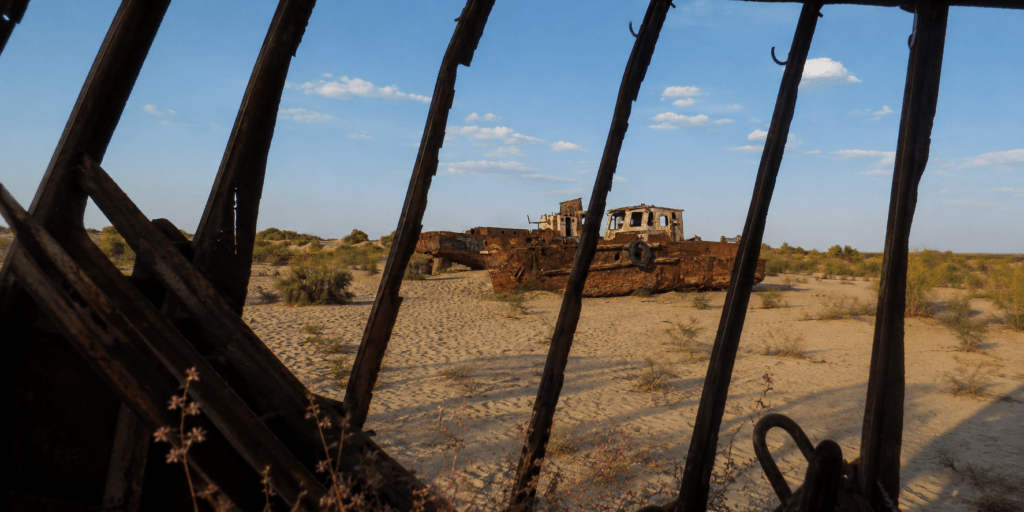
The environmental disaster of the Aral Sea, once the world’s fourth-largest lake, remains one of the most serious ecological challenges facing Central Asia. The total area of the dried seabed now covers approximately 6 million hectares, including 2.8 million hectares in Kazakhstan.
The Aral Sea once covered about 68,000 square kilometers and supported fishing communities along what is now the Kazakhstan-Uzbekistan border. Its collapse followed decades of Soviet-era irrigation projects that diverted water from the Amu Darya and Syr Darya, a history The Times of Central Asia previously reported.
As full restoration of the Aral Sea’s water level is no longer considered realistic, large-scale afforestation has become Kazakhstan’s primary strategy for preventing further environmental degradation, according to the Ministry of Ecology and Natural Resources.
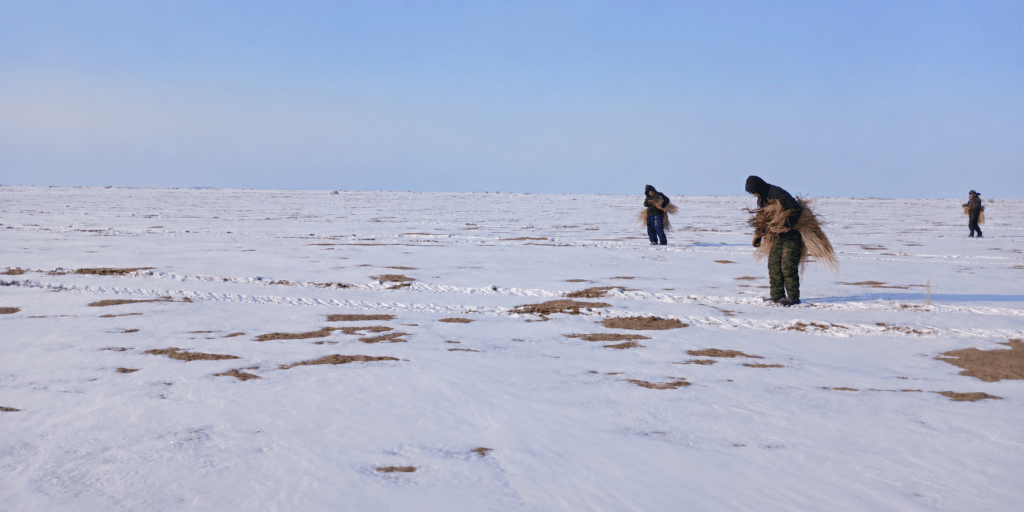
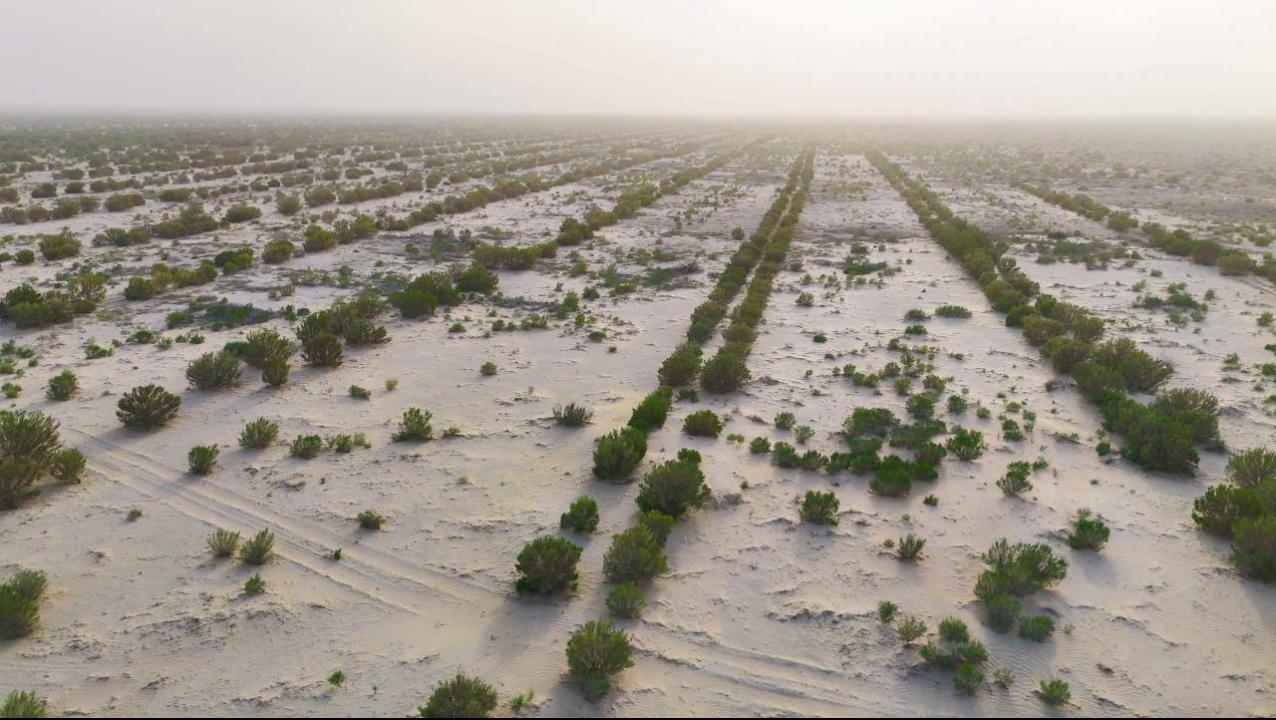
President Kassym-Jomart Tokayev previously ordered the creation of saxaul plantations across 1.1 million hectares of the dried Aral seabed by 2025. The main objective of the vast green shield initiative was to stabilize exposed soil, reduce wind speed, and prevent the spread of toxic salts, dust, and chemical residues into neighboring regions.
Kazakhstan has accumulated nearly three decades of experience in combating desertification in the Aral region, having launched afforestation projects in the 1990s.
During the first 30 years of the program, from 1990 to 2020, more than 195,000 hectares of protective forest plantations were established in the Kyzylorda Region with support from international donors.
Between 2021 and 2025, afforestation efforts expanded to cover an additional 1.117 million hectares. In 2026 alone, forested areas on the former seabed have already increased by another 116,000 hectares.
As part of the program, the authorities have sown 3,440 tons of saxaul and halophyte seeds and planted 53.2 million saxaul seedlings.
Officials in the Kyzylorda Region have also acknowledged the difficulty of the work. According to Kazinform, scientific assessments put the survival rate of saxaul stands at around 30%, and work is underway to improve seedling adaptation on the dried seabed.
Officials say the new plantations are beginning to show ecological results. Saxaul trees develop powerful horizontal root systems extending up to 12 meters, helping to stabilize soil and protect it from wind erosion.
A new ecosystem is gradually emerging across the formerly barren seabed, with rodents, reptiles, and birds returning to the area as natural soil formation processes begin to recover.
The authorities are also working to increase the economic value of the afforested territories. Seeds of forage plants are now being sown within the saxaul plantations, with the long-term goal of transforming parts of the rehabilitated land into pasture.
Kazakhstan also plans to establish the Aral Ormany State Forest Nature Reserve, which would cover more than 1.3 million hectares.
The proposed reserve would receive the status of a specially protected natural area, ensuring the long-term preservation of the newly formed ecosystem and supporting continued ecological restoration on the dried seabed of the Aral Sea.
Regional environmental cooperation has also become increasingly important. Of particular significance for the Aral region is the Green Shield of Central Asia resolution adopted during the Regional Ecological Summit in Astana in April 2026.
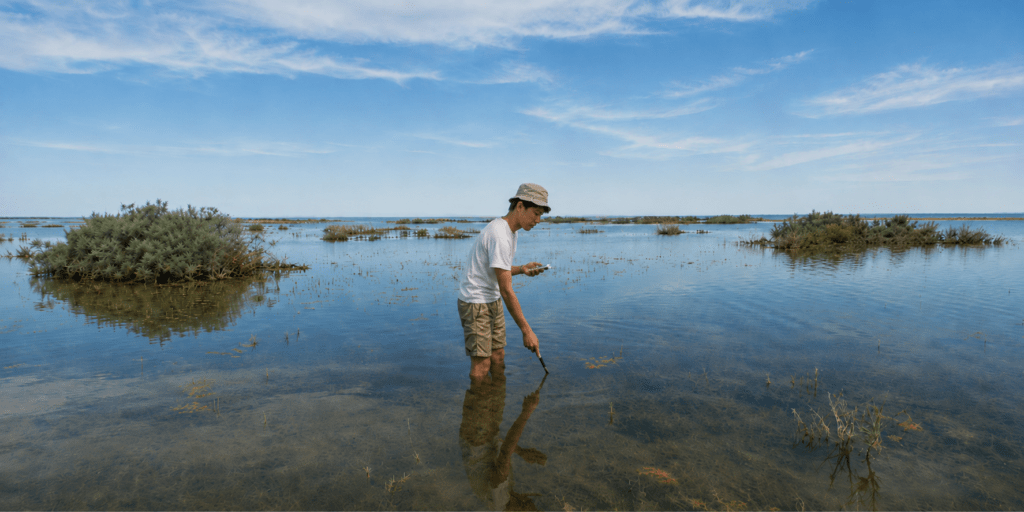
Kazakhstan has also linked the work to wider efforts to preserve the Northern Aral Sea and strengthen regional water cooperation, as TCA has previously reported.
The initiative, designed for the period 2026-2035, marks a shift toward a coordinated interstate approach to combating land degradation, desertification, and transboundary dust storms through the creation of large-scale green barriers. The program includes plans to establish protective forest belts along highways and railway lines across the region.
The initiative links the Aral Sea work to a broader regional effort to use protective forests against land degradation, desertification, and transboundary dust storms.