• KGS/USD = 0.01144 0%
  • KZT/USD = 0.00192 -0%
  • TJS/USD = 0.10879 0.28%
  • UZS/USD = 0.00008 0%
  • TMT/USD = 0.28571 0%
  • KGS/USD = 0.01144 0%
  • KZT/USD = 0.00192 -0%
  • TJS/USD = 0.10879 0.28%
  • UZS/USD = 0.00008 0%
  • TMT/USD = 0.28571 0%
  • KGS/USD = 0.01144 0%
  • KZT/USD = 0.00192 -0%
  • TJS/USD = 0.10879 0.28%
  • UZS/USD = 0.00008 0%
  • TMT/USD = 0.28571 0%
  • KGS/USD = 0.01144 0%
  • KZT/USD = 0.00192 -0%
  • TJS/USD = 0.10879 0.28%
  • UZS/USD = 0.00008 0%
  • TMT/USD = 0.28571 0%
  • KGS/USD = 0.01144 0%
  • KZT/USD = 0.00192 -0%
  • TJS/USD = 0.10879 0.28%
  • UZS/USD = 0.00008 0%
  • TMT/USD = 0.28571 0%
  • KGS/USD = 0.01144 0%
  • KZT/USD = 0.00192 -0%
  • TJS/USD = 0.10879 0.28%
  • UZS/USD = 0.00008 0%
  • TMT/USD = 0.28571 0%
  • KGS/USD = 0.01144 0%
  • KZT/USD = 0.00192 -0%
  • TJS/USD = 0.10879 0.28%
  • UZS/USD = 0.00008 0%
  • TMT/USD = 0.28571 0%
  • KGS/USD = 0.01144 0%
  • KZT/USD = 0.00192 -0%
  • TJS/USD = 0.10879 0.28%
  • UZS/USD = 0.00008 0%
  • TMT/USD = 0.28571 0%
12 December 2025

Future of Radio Free Europe Uncertain as U.S. Agency Weighs Support

The agreement between Radio Free Europe/Radio Liberty (RFE/RL) and the U.S. Agency for Global Media (USAGM) may be renewed, following recent developments that could secure the broadcaster’s future.

On March 26, USAGM officials indicated that the agency would continue disbursing funds allocated by Congress for fiscal year 2025. This follows a ruling by Judge Royce Lamberth of the U.S. District Court for the District of Columbia, who granted RFE/RL’s request for a temporary restraining order against the termination of its federal grant.

At stake is $77 million in funding designated for RFE/RL, which operates under a grant to a nonprofit organization. The court order was issued to prevent the broadcaster’s potential shutdown, which Judge Lamberth described as unlawful under current terms.

“This is an encouraging sign for the media corporation’s operations,” said RFE/RL President Steven Capus. “RFE/RL’s operations will be able to continue as Congress intended. We await official confirmation from USAGM that grant funding will be promptly resumed.”

In parallel, ten European Union countries issued a joint statement backing a Czech-led initiative to support RFE/RL. The statement expressed readiness to cover the broadcaster’s operating costs should U.S. funding not be reinstated.

Despite the apparent reprieve, USAGM abruptly cut off satellite broadcasts of Radio Liberty on April 3. The move affected Russian-language programming of the “Present Time” TV channel, which targets audiences in Russia, Ukraine, Central Asia, and Eastern Europe.

The Times of Central Asia spoke with Asem Tokayeva, a veteran journalist formerly based in RFE/RL’s Central Asia bureau. In the interview, Tokayeva shed light on internal challenges within the organization and the broader implications for freedom of the press in the region.

From Malnutrition to Water Scarcity: UN Identifies Key Threats to Food Security in Tajikistan

A new United Nations report titled Food Security and Nutrition Outlook for Europe and Central Asia 2024 has outlined the major challenges facing Tajikistan in nutrition, public health, and sustainable agriculture. The report identifies chronic malnutrition, rising childhood obesity, and vulnerability to climate change as the principal threats to the country’s food system.

According to the findings, Tajikistan continues to face a dual burden: while undernutrition remains a persistent issue, obesity is on the rise, particularly among children.

In 2022, nearly one in seven Tajik children under five (13.1%) suffered from stunting due to chronic malnutrition, while 9.9% were affected by wasting, well above the global target of 3%. At the same time, childhood obesity has seen a dramatic increase, with the proportion of overweight children rising from 4.6% in 2000 to 21% in 2022.

Efforts to address these issues are further complicated by Tajikistan’s climate vulnerability and water management challenges. Agriculture, a cornerstone of the national economy and food supply, is particularly susceptible to shifting weather patterns. Although the government is implementing reforms, including the adoption of a new Water Code in 2020 and a watershed management system planned for completion by 2026, water scarcity remains a critical concern. Water user associations are playing a growing role in this transformation.

The report also highlights gender disparities in the agricultural workforce. Women represent a significant share of those employed in agriculture, yet many work informally, without pay or legal protections. The UN urges action to ensure women have equitable access to land, resources, and decision-making processes.

Beyond Tajikistan, the wider Europe and Central Asia region is not immune to food insecurity. As of 2023, 107 million people, 11.5% of the population, faced moderate or severe food insecurity, with 24.5 million in acute need. In Central Asia, 2.3 million people, around 3% of the region’s population, do not meet minimum daily energy requirements. The crisis is exacerbated by economic instability, climate change, and geopolitical tensions, including the war in Ukraine.

While child malnutrition and anemia in women have declined across the region, adult obesity is increasing and now exceeds 20%. Meanwhile, 7.1% of children under five are overweight, and nearly 64.3 million people (6.9%) cannot afford a nutritious diet, an enduring challenge despite comparatively better regional indicators than global averages.

The UN emphasizes the vital role of water in securing the region’s food future. Rising demand for meat and dairy products is straining already scarce water resources. Outdated infrastructure, pollution, data gaps, and insufficient regional cooperation are all significant barriers to water security.

To address these challenges, the report calls for investment in water-saving technologies, reuse strategies, and reduced agricultural water footprints. Achieving long-term sustainability, the UN argues, requires an integrated approach, one that links nutrition, climate adaptation, gender equality, and modern water governance.

The report was developed with the input of seven UN agencies, including FAO, UNICEF, UNDP, WHO, and WMO. International partners have expressed readiness to support Tajikistan in identifying and implementing durable, systemic solutions.

Samarkand Declaration Paves the Way for a Stronger Central Asia–EU Partnership

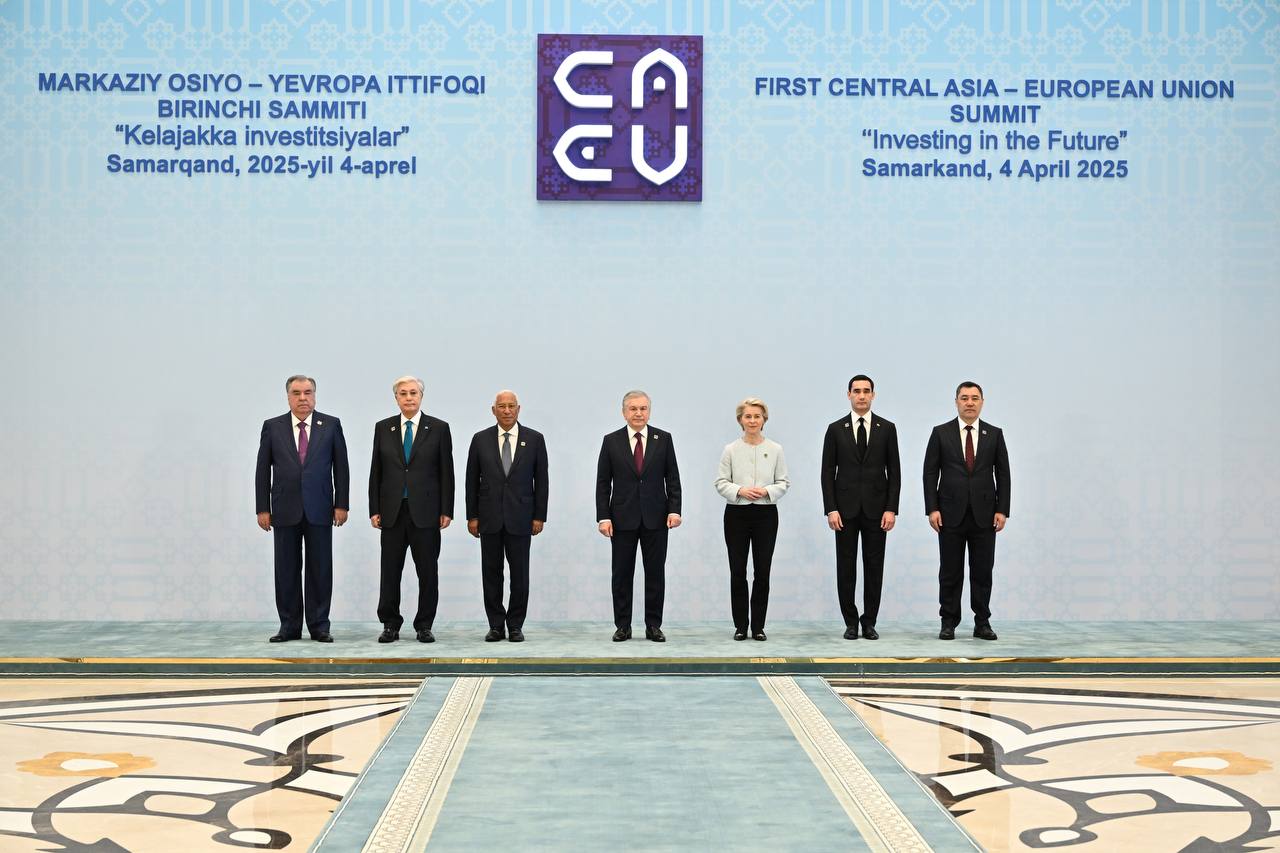
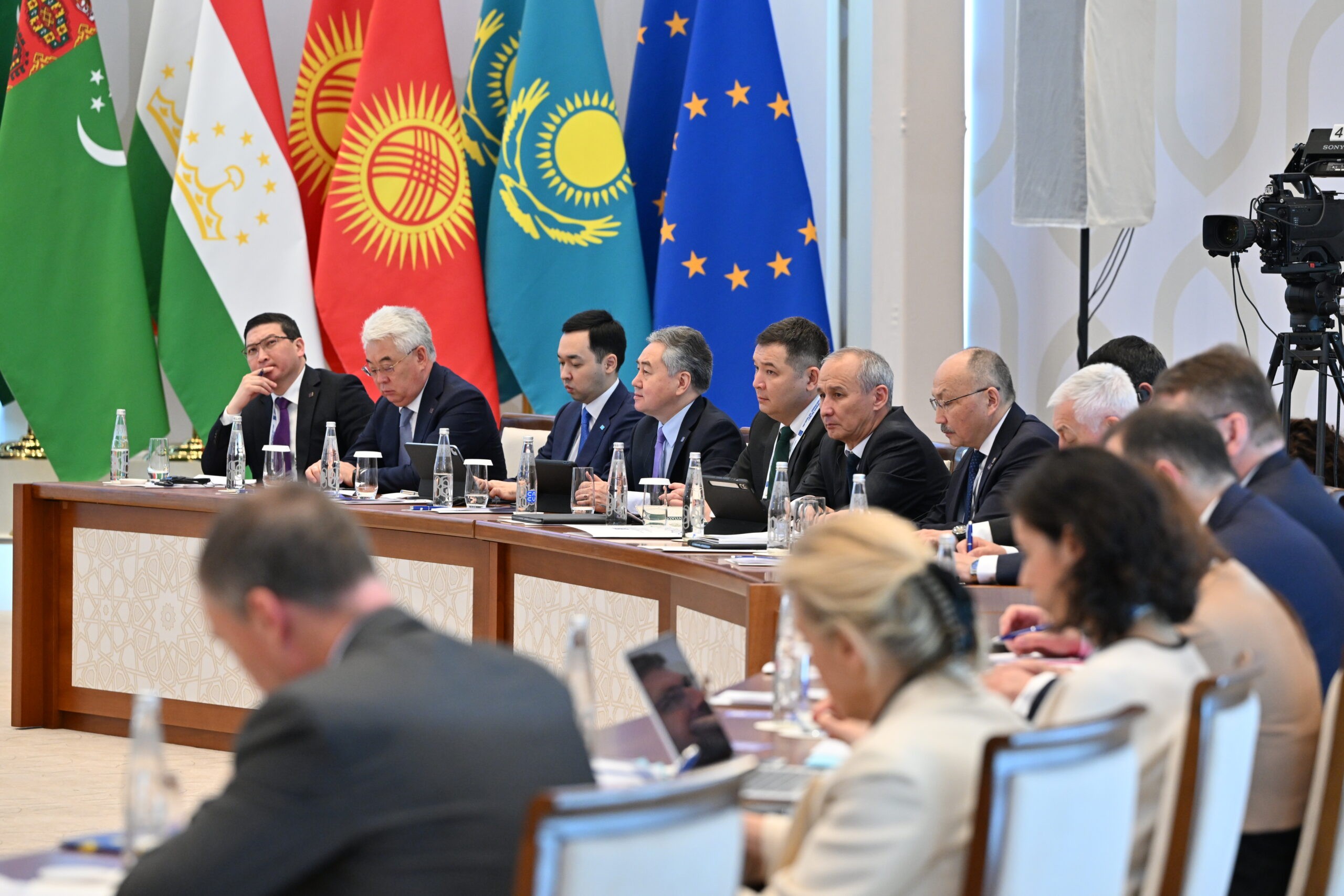
The inaugural Central Asia-European Union Summit, held in Samarkand on April 3-4, marked a significant milestone in strengthening ties between the two regions. According to Sherzod Asadov, press secretary to Uzbekistan’s President Shavkat Mirziyoyev, the summit’s most significant outcome is the adoption of the Samarkand Declaration, which is expected to provide strong momentum for expanding constructive dialogue and cooperation across all sectors.

In a statement, the EU reaffirmed its “commitment to deeper cooperation in an evolving global and regional geopolitical landscape [and] upgrade relations between the European Union and Central Asia to a strategic partnership.” The EU declaration also committed the bloc to respect the “sovereignty and territorial integrity of all states within the framework of all international and regional fora” and expressed readiness to “address common security challenges.”

Strengthening Economic Ties

Economic cooperation featured prominently on the agenda. Since 2020, trade between Uzbekistan and the EU has doubled, now exceeding €6 billion. Uzbek exports to the EU have quadrupled, and the number of joint ventures has surpassed a thousand. European investment projects in Uzbekistan, meanwhile, are now valued at over €30 billion.

A key development was the agreement to open a regional office of the European Investment Bank (EIB) in Tashkent. Established in 1958, the EIB is the EU’s primary financial institution, and its new office is expected to attract greater investment in green energy, modern infrastructure, and digitalization.

The European Bank for Reconstruction and Development (EBRD) has also deepened its engagement in Uzbekistan, investing over €5 billion to date. “We must work together to simplify trade procedures and ensure that Central Asian products gain greater access to European markets. Only through joint efforts can we build a strong and resilient economic partnership,” Mirziyoyev told Euronews. “Over the past seven years, the trade turnover between Central Asian countries and the EU has quadrupled, amounting to 54 billion euros… The signing of the Samarkand Declaration will reflect the common aspiration of the parties to establish a strategic partnership and lay the foundation for deepening ties between our regions.”

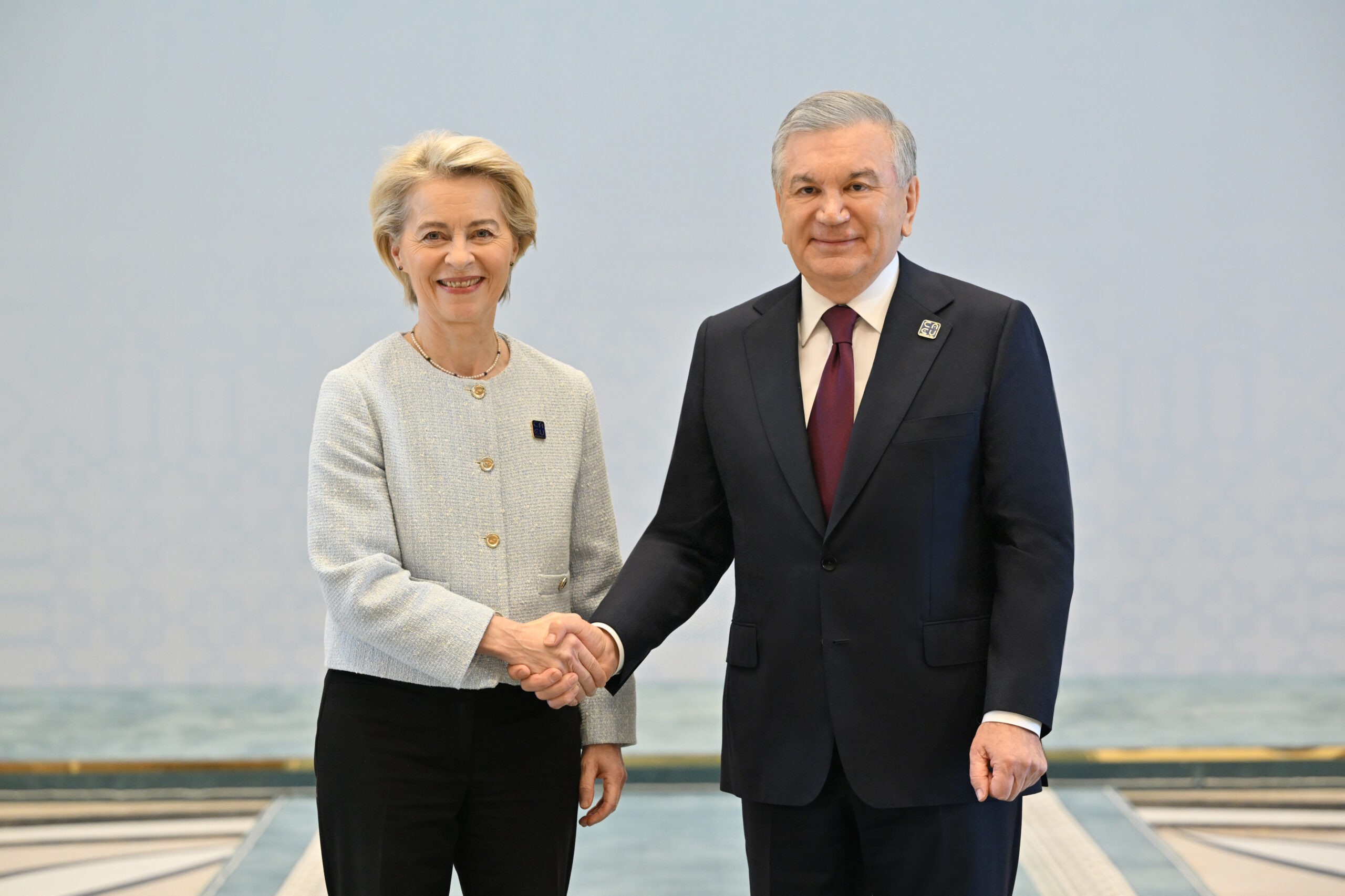
During the summit, Mirziyoyev met with European Commission President Ursula von der Leyen and European Council President António Costa. Discussions focused on trade, investment, green energy, and digital development, with the EU’s “Global Gateway” strategy, a counterpart to China’s Belt and Road Initiative, a central topic. The initiative is seeking to enhance global infrastructure and connectivity while promoting sustainability and transparency.

“The EU and Central Asia are becoming closer partners, and this summit marks the beginning of a new phase in our cooperation,” von der Leyen stated. An Enhanced Partnership and Cooperation Agreement between Uzbekistan and the EU is also under negotiation.

Regional Dialogue Among Central Asian Leaders

The Summit also offered a platform for Central Asian heads of state to hold bilateral discussions. Mirziyoyev met with his counterparts from Kazakhstan, Kyrgyzstan, Tajikistan, and Turkmenistan. Talks centered on increasing trade, improving border security, and advancing major infrastructure projects. A recent landmark border agreement between Uzbekistan and Kyrgyzstan was lauded as a breakthrough.

Uzbekistan and Kazakhstan agreed to accelerate the development of the International Industrial Cooperation Center, which was ratified by the Kazakh Mazhilis in early February, while progress was also made on the planned “Shovot-Tashovuz” joint border trade zone between Uzbekistan and Turkmenistan.

As economic ties between Central Asia and Europe deepen, recent U.S. trade tariffs may further accelerate the shift. The Trump Administration’s new tariffs imposed a 10% duty on exports from Uzbekistan, Turkmenistan, Tajikistan, and Kyrgyzstan, whilst Kazakhstan faces a notably higher 27% duty.

These tariffs could disrupt regional trade flows, positioning the EU as an increasingly attractive economic partner.

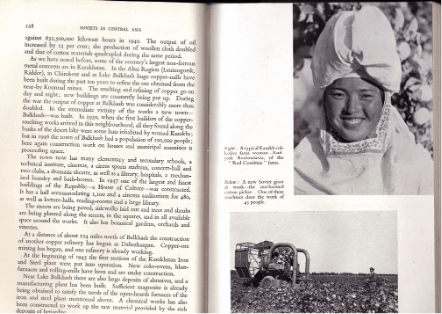
Kazakh Female Harvester 1940s

Photograph of a Kazakh Female Harvester Preserved in a U.S. Library

In the 1940s, British researchers William and Zelda Coates traveled to Kazakhstan and later published a book titled Soviets in Central Asia. The book included a previously unpublished photograph of a Kazakh female combine operator. The English caption identified her as “A typical Kazakh collective farm woman – Kudyash Avnimasova, of the ‘Red Kombine’ farm.”

The book also offers detailed insights into Kazakhstan’s agriculture and industry during the Soviet era. The authors highlight the significant progress made in food production over the previous decade, noting the establishment of numerous factories in southern Kazakhstan. They report that the country had five sugar factories, four distilleries, ten canneries, and three starch factories. Additionally, they emphasize the impact of large-scale industrialization, pointing out that Kazakhstan’s industrial workforce grew dramatically from just 20,000 in 1920 to nearly one million by early 1945.

The Coates focus not only on economic and industrial developments but also on the aspirations, perspectives, and reform-driven mindset of smaller nations. The inclusion of the Kazakh female combine operator’s photograph is intentional; it complements the broader discussion on production and labor in the region.

The authors present data showing that in 1938, Kazakhstan had 191 state farms, 363 machine and tractor stations, 25,646 tractors, and 9,522 combines. By 1947, those numbers had grown to 254 state farms and 670 collective farms, with 12,000 combines and tens of thousands of tractors operating in the fields.

There is a common saying: ‘History is a mirror.’ Indeed, recorded history does not fade; rather, its significance deepens over time. The image of this female combine operator, preserved in the British scholars’ book housed in the Gelman Library at George Washington University, serves as a powerful representation of the resilience, determination, and vitality of Kazakh women in the 20th century.

Opinion – The Great Convergence: Central Asia and the EU in a New Geopolitical Landscape

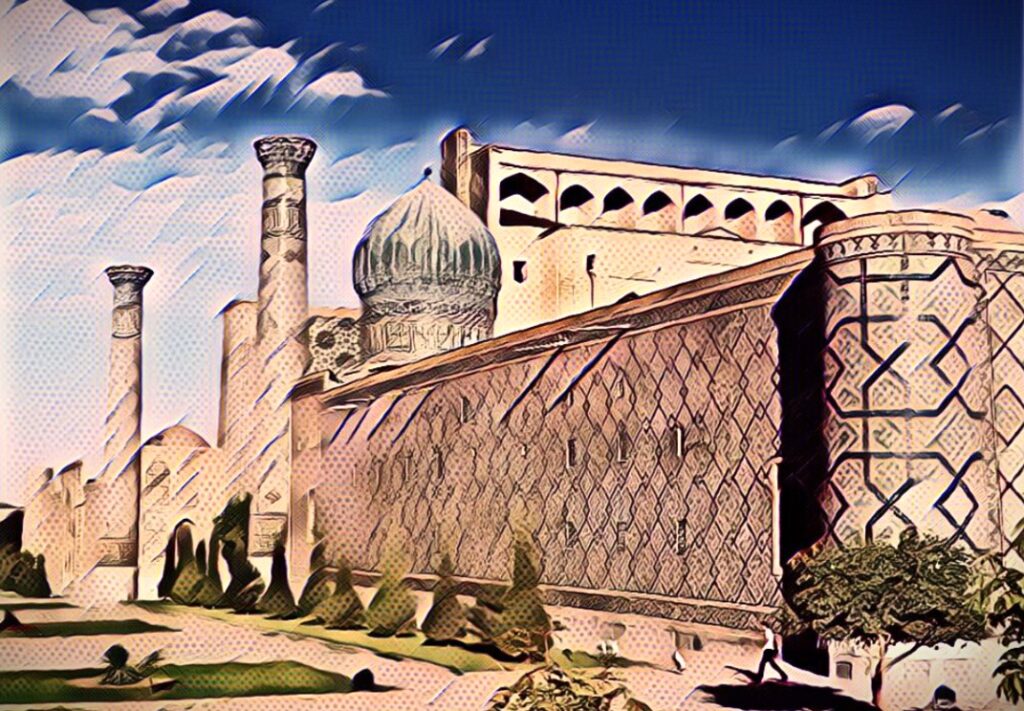
The Samarkand Summit, taking place on April 3–4, 2025, represents a defining moment in Central Asia-European Union (CA-EU) relations. Hosted in the historic city of Samarkand, a crossroads of civilizations and trade for millennia, this inaugural summit marks a geopolitical realignment as the European Union seeks to expand its engagement in a region historically dominated by Russia and China. Against the backdrop of Uzbekistan’s proactive foreign policy reforms under President Shavkat Mirziyoyev, the summit signifies a recalibrated vision for connectivity, sustainability, and economic diversification in Eurasia.

The symbolism of Samarkand as the summit’s venue is profound. Once a flourishing center of Silk Road commerce and Timurid cultural grandeur, the city embodies the historical role of Central Asia as a bridge between East and West. Over the centuries, shifting empires and economic transitions relegated the region to a peripheral status in global affairs, particularly after the collapse of the Silk Road, its incorporation into the Russian Empire, and the subsequent Soviet era. However, post-Soviet transformations and recent geopolitical shifts — accelerated by Russia’s invasion of Ukraine in 2022 — have reinvigorated global interest in Central Asia. As the EU strives to reduce dependence on Russian energy and counterbalance China’s Belt and Road Initiative (BRI), the Samarkand Summit emerges as an urgent diplomatic effort to establish stronger economic and political ties with the region.

At the heart of the summit’s agenda is the Trans-Caspian Transport Corridor (TCTC), a modern-day Silk Road initiative designed to enhance trade connectivity between Europe and Central Asia via the Caucasus, bypassing Russian territory. By offering an alternative route for energy exports and critical minerals, the corridor could significantly reduce transit times by 15–20%, facilitating the EU’s quest for strategic autonomy in global supply chains. For Central Asian states, particularly Uzbekistan and Kazakhstan, the project presents an opportunity to diversify trade partners and lessen their economic dependence on Moscow and Beijing. However, the corridor’s implementation faces substantial geopolitical and financial hurdles. Russia and China may perceive it as a challenge to their regional influence, potentially leading to diplomatic friction or economic countermeasures. Moreover, the corridor’s development requires an estimated $20–30 billion in infrastructure investments, a daunting figure for cash-strapped Central Asian economies.

Parallel to trade discussions, the summit will spotlight climate action and green energy investments. The EU’s €1.5 billion Central Asia Water and Energy Program aims to modernize irrigation systems, promote renewable energy, and reduce fossil fuel dependency. This aligns with Brussels’ broader Green Deal ambitions, positioning the EU as a global leader in sustainable development while offering Central Asian states financial and technical support to address water scarcity and environmental degradation. However, challenges persist — bureaucratic inefficiencies, regulatory gaps, and regional water disputes complicate large-scale green energy implementation. Moreover, while hydropower is a viable alternative to fossil fuels, its intensive water usage could exacerbate tensions between upstream and downstream nations such as Uzbekistan and Tajikistan.

The summit will also emphasize digital connectivity and modernization, with the Connecting Central Asia (C4CA) Initiative promoting e-governance, high-speed internet expansion, and digital trade facilitation. This digital push is strategically positioned as a counterweight to China’s authoritarian tech model and Russia’s disinformation networks. However, Central Asian states remain cautious about European data protection regulations, fearing potential restrictions on state-controlled digital infrastructure. The digital divide between urban and rural areas further complicates the region’s technological transformation, raising concerns about equitable access and long-term sustainability.

Beyond economic and technological collaboration, the CA-EU partnership offers a critical opportunity for geopolitical diversification. The EU, with its multilateral trade frameworks and WTO accession support for countries like Uzbekistan, provides an attractive alternative to Russia’s Eurasian Economic Union (EAEU) and China’s SCO-led economic integration. However, the European model comes with conditions on governance and human rights, a point of contention for authoritarian-leaning regimes in the region. The EU’s push for democratic reforms and rule-of-law measures may be met with resistance, limiting the depth of institutional engagement.

The summit’s vision draws historical parallels to the “Great Game” of the 19th century, when Britain and Russia vied for influence over Central Asia. While the EU’s rhetoric frames its involvement as cooperative rather than competitive, concerns about neo-imperial economic extraction persist. Central Asia’s rich reserves of lithium, copper, and uranium have attracted European investment, raising questions about whether the region will truly benefit from resource partnerships or simply serve as a supplier for Europe’s critical mineral needs.

In this context, literary reflections provide insightful perspectives. Rudyard Kipling’s Kim (1901) dramatized the Great Game’s strategic maneuvering, echoing themes of power and survival in contested spaces. More contemporary Central Asian literature, such as Hamid Ismailov’s The Railway (2006), explores the region’s struggle between modern aspirations and traditional identity — a theme that resonates in the EU’s push for high-tech infrastructure in historically agrarian societies. Similarly, President Mirziyoyev’s Development Strategy 2022–2026 articulates Uzbekistan’s vision for sovereignty in an increasingly interconnected world, reflecting the broader regional balancing act between economic pragmatism and geopolitical caution.

As the Samarkand Summit unfolds, its ultimate success will depend on the balance between ambition and pragmatism. While the EU seeks to expand its Eurasian footprint, Central Asian states must ensure that new partnerships do not replicate historical patterns of dependency or exploitation. Brussels must recognize that its aspirational policy goals must be matched with flexibility in addressing the region’s unique governance models and economic constraints. Likewise, Central Asian governments should leverage this engagement to strengthen institutional resilience and negotiate equitable terms for cooperation.

With Samarkand’s Silk Road legacy as a backdrop, the summit represents a transformative opportunity — but one that must be approached with strategic foresight and mutual respect. As 14th-century Persian poet Hafez aptly stated, “The world is a bridge — pass over it, but build no house upon it.” The CA-EU partnership must navigate this bridge wisely, ensuring that its ambitions foster genuine collaboration rather than another fleeting geopolitical experiment.

Kuirektykol Deposit May Elevate Kazakhstan to Global Leader in Rare-Earth Reserves

Kazakhstani geologists have identified several promising new areas within the Kuirektykol deposit in the Karkaraly District of the Karaganda Region. If confirmed, these reserves could position Kazakhstan among the world’s leading nations in rare-earth metal resources.

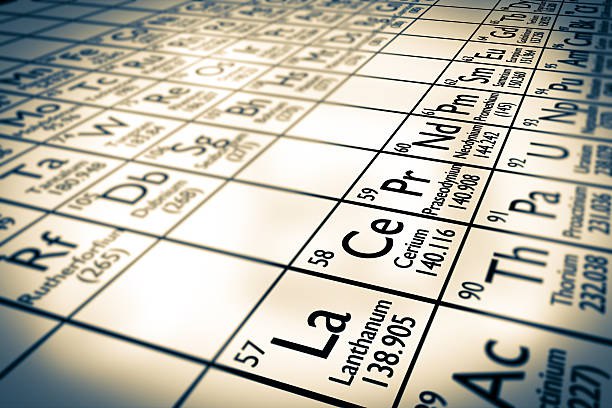
Exploration of the Kuirektykol site began in 2022. By November 2024, surveyors had discovered commercially viable concentrations of rare-earth elements, including cerium and lanthanides, across four prospective zones. These were initially estimated to contain total resources of 935,400 tons, including 795,800 tons of proven reserves. At the time, experts predicted that with further in-depth exploration, total reserves could potentially double. That projection is now being borne out by new findings, according to the Ministry of Industry and Construction.

In a recent statement, the ministry reported that LLP Tsentrgeolszemnadzor, working within the framework of the state program for geological subsoil research, had uncovered several additional promising areas at the Kuirektykol site. These areas are believed to contain a combined one million tons of rare-earth metals. The agency also announced the preliminary evaluation of a vast new prospective area named Zhana Kazakhstan.

Following recent prospecting work, geologists now estimate the total predicted resources of rare-earth metals in the Kuirektykol area to exceed 20 million tons at depths of up to 300 meters. The average concentration of rare-earth elements in the ore is approximately 700 grams per ton.

As previously reported by The Times of Central Asia, the state-owned National Mining Company Tau-Ken Samruk is preparing to begin development of the Kuirektykol deposit, a move expected to attract significant private investment in the sector.

These developments come amid increasing global demand for rare-earth elements, which are essential to technologies ranging from renewable energy and electric vehicles to defense and telecommunications, and are set to be exempt from new U.S. trade tariffs. Kazakhstan’s growing resource base could play a pivotal role in diversifying global supply chains and enhancing the country’s strategic economic importance.