• KGS/USD = 0.01144 0%
  • KZT/USD = 0.00196 -0%
  • TJS/USD = 0.10899 -0%
  • UZS/USD = 0.00008 -0%
  • TMT/USD = 0.28490 0%
  • KGS/USD = 0.01144 0%
  • KZT/USD = 0.00196 -0%
  • TJS/USD = 0.10899 -0%
  • UZS/USD = 0.00008 -0%
  • TMT/USD = 0.28490 0%
  • KGS/USD = 0.01144 0%
  • KZT/USD = 0.00196 -0%
  • TJS/USD = 0.10899 -0%
  • UZS/USD = 0.00008 -0%
  • TMT/USD = 0.28490 0%
  • KGS/USD = 0.01144 0%
  • KZT/USD = 0.00196 -0%
  • TJS/USD = 0.10899 -0%
  • UZS/USD = 0.00008 -0%
  • TMT/USD = 0.28490 0%
  • KGS/USD = 0.01144 0%
  • KZT/USD = 0.00196 -0%
  • TJS/USD = 0.10899 -0%
  • UZS/USD = 0.00008 -0%
  • TMT/USD = 0.28490 0%
  • KGS/USD = 0.01144 0%
  • KZT/USD = 0.00196 -0%
  • TJS/USD = 0.10899 -0%
  • UZS/USD = 0.00008 -0%
  • TMT/USD = 0.28490 0%
  • KGS/USD = 0.01144 0%
  • KZT/USD = 0.00196 -0%
  • TJS/USD = 0.10899 -0%
  • UZS/USD = 0.00008 -0%
  • TMT/USD = 0.28490 0%
  • KGS/USD = 0.01144 0%
  • KZT/USD = 0.00196 -0%
  • TJS/USD = 0.10899 -0%
  • UZS/USD = 0.00008 -0%
  • TMT/USD = 0.28490 0%
08 December 2025

Kyrgyzstan Boosts Coal Production Ahead of Winter Heating Season

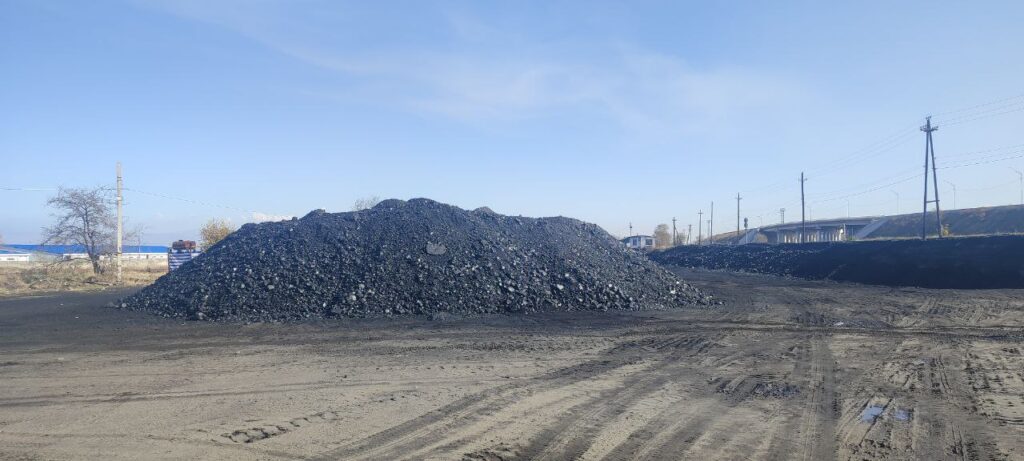
Kyrgyzstan has increased domestic coal production in preparation for the winter, with four of the country’s six deposits now operating at full capacity, according to the state-owned enterprise Kyrgyzkomur, which oversees coal mining and distribution at socially affordable prices.

To ensure stable fuel supply, Kyrgyzkomur has signed agreements with 126 coal trading bases nationwide. These sites sell coal at reduced prices, aimed at supporting low-income households and easing the burden on public utilities.

In the first nine months of 2025, Kyrgyzstan produced 655,000 tons of coal, while overburden removal reached 6.8 million cubic meters.

Coal from the Kara-Keche deposit remains the most in demand. It is also supplied to the Bishkek thermal power plant, which provides the capital with heat and electricity. However, local coal is considered lower in quality compared to imports, particularly coal from Kazakhstan’s Shabyrkul deposit.

To stabilize the market and prevent price hikes, authorities have tightened oversight of the coal sector. Under an order issued by the Ministry of Economy on September 26, 2025, temporary state regulation of coal prices was introduced for 90 days.

“The maximum retail prices are set at $80 per ton for imported coal and $66 per ton for local coal from the Kara-Keche deposit, mined by Kyrgyzkomur,” said Maksat Akylbekov, chief inspector at the Antimonopoly Regulation Service, in an interview with Tbe Times of Central Asia.

To curb speculation and prevent the sale of low-quality coal, Bishkek authorities have banned the retail sale of coal in bags. Fuel can now only be purchased by the ton at designated depots. As a result, smaller traders have relocated to the outskirts of the city, where they continue to sell coal in smaller quantities.

Sellers report that many residents request 100-200 kilograms of coal, as not all can afford to purchase an entire season’s supply at once or have the storage capacity. In some cases, sellers informally accommodate these buyers.

Violations of the government’s pricing rules are subject to fines of $35 for individuals and $150 for legal entities.

Kyrgyzstan Election 2025: New Rules, New Map, Same High Stakes

Kyrgyzstan is conducting snap parliamentary elections on November 30. The deadline for would-be candidates to hand in their forms was October 30.

Nearly 600 prospective contenders have submitted registration forms to run for the 90 seats in parliament. The Central Election Commission (CEC) now has until November to process candidates’ applications to ensure they meet all the requirements to participate in the upcoming poll. Those who qualify will then have 18 days to convince voters in their districts to cast their ballots for them.

The Basics

These will be the ninth parliamentary elections held in Kyrgyzstan since the country became independent in late 1991. The reason officials gave for moving elections forward from November 2026 is that the next presidential election is scheduled for January 2027.

However, in June 2025, amendments to the electoral system came into effect that changed the voting system and redivided electoral districts, opening the way to hold early elections. Parliament voted to dissolve itself in late September, and shortly after, the date of the forthcoming election was announced.

To be eligible to run for a seat in parliament, a Kyrgyz citizen must be at least 25 years old, have a higher education, and have lived continuously in Kyrgyzstan for the last five years. Anyone with a criminal record is barred from participating.

In Kyrgyzstan’s parliamentary elections in the 1990s and early 2000s, some prominent opposition figures were convicted of what appeared to be politically motivated charges and imprisoned to prevent them from taking part in elections. This happened to so many opposition politicians that after Kyrgyzstan’s first revolution, the Tulip Revolution of March 2005, a rule was introduced that allowed people with previous convictions to run for office.

Now, an exception is made only for those whose convictions were later overturned.

What’s New?

These elections will be decided through single-mandate voting. That is not new. It was the way Kyrgyzstan’s parliamentary elections were conducted until 2007.

The constitutional referendum of October 2007 changed the electoral system and introduced voting by party-list. Then-President Kurmanbek Baliyev formed the Ak-Jol party immediately after the referendum, and the party went on to win more than 60% of seats in parliament in the elections in December 2007. Bakiyev’s attempts to concentrate power into his hands eventually backfired and played a role in his ouster in the revolution of April 2010.

Elections continued to be conducted by party list in 2010, 2015, and 2020. However, the elections of 2020 were plagued by allegations of rigging and vote-buying during the campaign, and when two pro-government parties won the majority of seats, it sparked another revolution that saw current President Sadyr Japarov come to power. The deputies elected in 2015 remained in their posts for more than another year.

The last parliamentary elections in November 2021 were held using a mixed system, whereby 36 seats were decided by single-mandate voting, and 54 by party lists.

President Japarov signed amendments to the election laws in June 2025, one of which was to decide the vote solely through single-mandate selection. The previous 36 single-mandate districts used for the 2021 election were reduced to 30 with three deputies for each district, and the map was redrawn accordingly. In the upcoming elections, the three candidates who receive the most votes in their district will win seats in parliament.

No women candidates were elected in the single-mandate districts in 2021. Under a new election rule, at least one of the three candidates elected in each district must be a woman, but at least one must also be a man. There will be no by-elections.

Of the 90 deputies who won seats in the 2021 parliamentary elections, 27 either stepped down or were forced to relinquish their mandates for legal or ethical reasons. Now, the person who received the fourth largest number of votes in the district where a seat has been vacated will automatically become a deputy. In a case where a female deputy is leaving her post, the female candidate from her district with the next highest vote tally will take the seat.

When registration ended on October 30, the CEC said 589 people had submitted the relevant forms to run for seats in parliament, of which 365 were men and 224 were women. That number is bound to be reduced as the CEC disqualifies people for insufficient information or failure to meet the criteria. At least seven have already been denied registration.

Each candidate can employ up to 1,000 campaigners, up from the 500 allowed in previous elections. In an interview in early October, President Japarov questioned the need for 1,000 official campaigners, noting that he was a candidate in previous elections and, “I’ve never hired so many canvassers for any district.”

Candidates can also employ bloggers to campaign for them on social networks, but must conclude a contract that guarantees pay for their services.

Candidates can accept donations, but no individual, organization, or business can contribute more than 200,000 som (about $2,287). All campaign contributions must be deposited in the candidates’ accounts in either Ayyl Bank or Eldik Bank. Donations cannot be made to other banks.

Campaigning for the November 28, 2021, parliamentary elections started on October 29, 30 days before election day. Campaigning for the October 4, 2020, parliamentary elections started on September 4, also 30 days before the elections. But Kyrgyzstan’s election rules do not specify 30 days for campaigning. Chapter 1, Article 5 of the election regulations states that, “Pre-election campaign[ing] shall begin on the day when registration of all candidate lists is completed.“

The deadline for candidates to hand over their documents to participate in the upcoming poll ended on October 30, but the CEC now has until November 10 to review each candidate’s registration documents to ensure they meet the criteria. That means candidates have only after the registration process officially ends on November 10 at 8:00 in the morning local time on November 29 to campaign in their districts.

The Voters

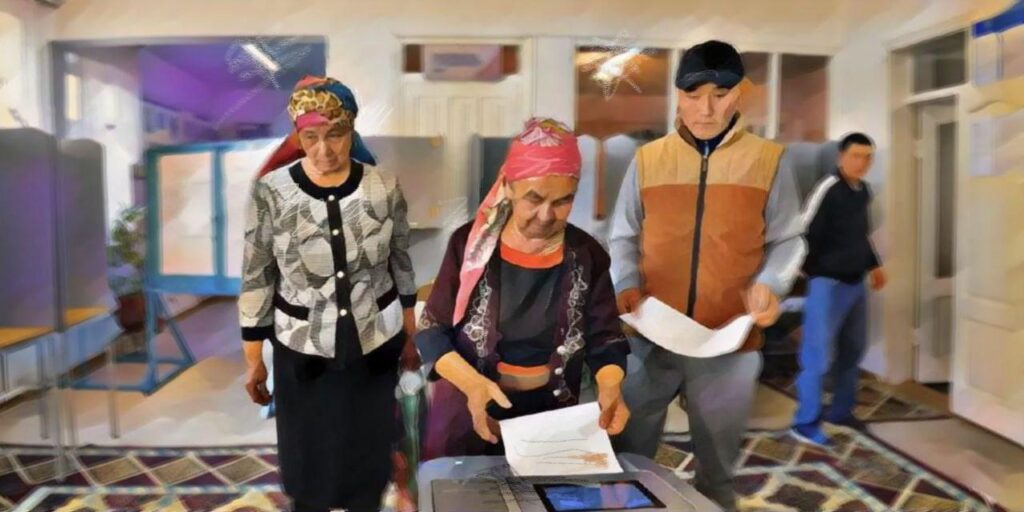
According to Kyrgyzstan’s Central Election Commission, 4.287 million citizens are eligible to cast ballots. There will be 2,492 polling stations working inside Kyrgyzstan on election day. Registered voters can cast their ballot anywhere they are in Kyrgyzstan. Previously, people voted in the electoral district where they held residency, but in the November 30 elections, a person need only present their ID to be able to vote in any precinct.

For citizens outside the country, there are 91 polling stations scattered across 31 countries. Most are in Russia, where there will be polling stations in 36 cities, followed by Turkey with eight, and the United States with six.

Only 32.25% of voters cast ballots in the November 2021 parliamentary elections. This was likely due in part to that poll being the fourth election Kyrgyzstan had conducted in 14 months. In the October 2020 parliamentary elections, 58.89% of the electorate voted. In the January 2021 presidential election that Sadyr Japarov won, 39.16% of voters participated. There was also a referendum held concurrently with the presidential election. That referendum approved changing to a presidential form of government, necessitating another referendum in April to approve amendments to the constitution. In that constitutional referendum of April 2021, only 36.66% of voters cast ballots.

The October 2020, January 2021, and April 2021 votes were conducted when the COVID pandemic was still raging, though by the November 2021 parliamentary elections, vaccines were widely available

The authorities would like a better turnout than was seen in the 2021 elections. The ability to vote at any polling station in Kyrgyzstan should help bring up the numbers.

Chinese Firms to Build Waste-to-Energy Plants in Astana and Shymkent

Kazakhstan is advancing the modernization of its waste management system with the launch of new waste-to-energy projects in Astana and Shymkent, its second- and third-largest cities.

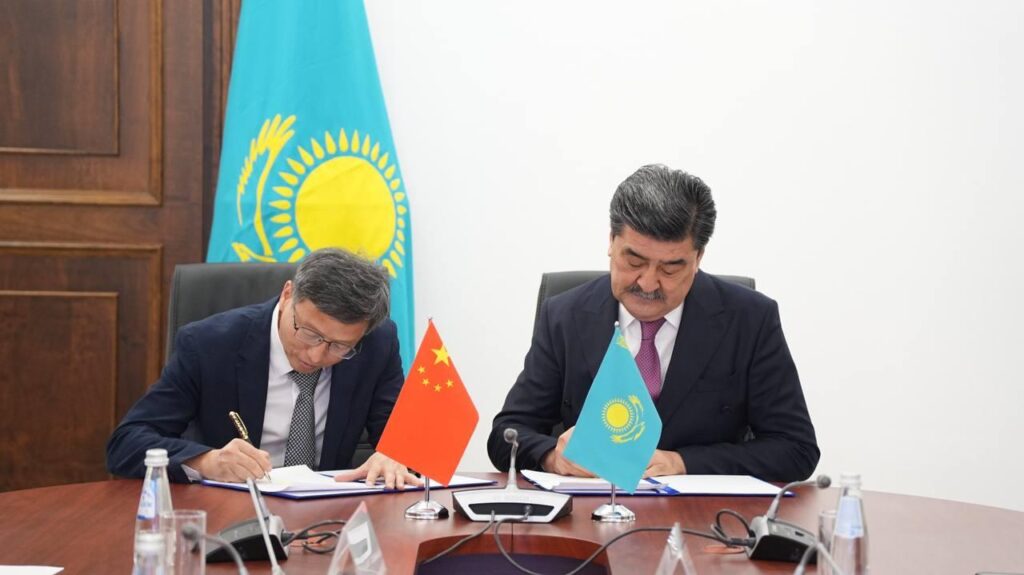
On October 31, the Ministry of Ecology and Natural Resources announced the signing of investment agreements with China’s Shaanxi Construction Engineering Kazakhstan Co., Ltd. and East Hope LLP to construct the new facilities.

In Astana, East Hope LLP will invest approximately $180 million to build a plant with a daily processing capacity of 1,500 tons of municipal solid waste, equating to around 550,000 tons per year.

In Shymkent, Shaanxi Construction Engineering Kazakhstan Co., Ltd. will invest $100 million in a plant capable of processing 1,000 tons of waste daily, around 360,000 tons annually.

Together, the two projects are expected to create more than 550 jobs during the construction phase and approximately 200 permanent positions once operational.

The plants aim to significantly reduce the volume of waste sent to landfills while generating clean electricity, contributing to Kazakhstan’s broader environmental and energy goals.

In August, the Ministry signed a separate agreement with China’s Hunan Junxin Environmental Protection Co. Ltd. to construct Kazakhstan’s first waste-to-energy facility in Almaty. That plant will process at least 1,600 tons of solid waste daily and generate up to 60 megawatts of electricity. The total investment in the Almaty project is estimated at $269 million.

Tokayev Proposes Employing Top Foreign Graduates in Kazakhstan

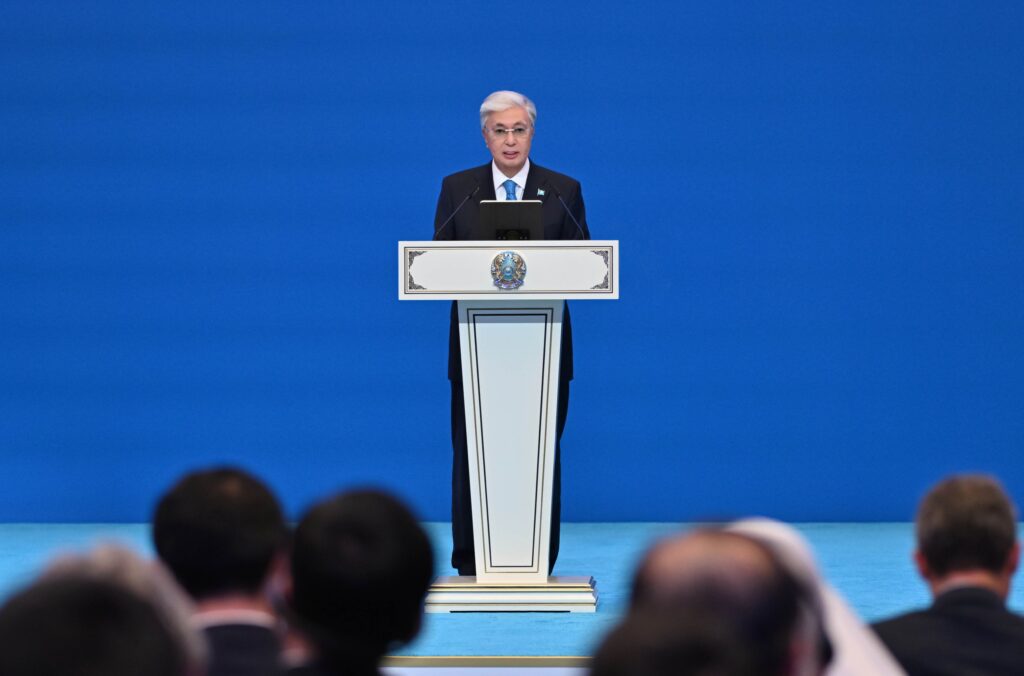
President Kassym-Jomart Tokayev has proposed launching a program to employ the most talented foreign graduates of Kazakh universities, allowing them to begin their professional careers within the country. He announced the initiative during the Strategic Partners Forum, Kazakhstan – Territory of Academic Education.

According to Tokayev, over 31,000 foreign students are currently studying at Kazakh universities, a national record. The government aims to increase this figure to 100,000 by 2029 through visa liberalization and improved learning conditions.

The employment program will enable top-performing international graduates to stay in Kazakhstan, contributing to the national economy. Simultaneously, the country plans to expand the number of foreign university branches in Kazakhstan, with a particular focus on technical disciplines.

“The opening of branches of foreign universities is fully in line with our goal of developing engineering and IT education,” Tokayev said.

Kazakhstan currently hosts three Lu Ban workshops, which serve as centers for applied engineering training. Special emphasis is being placed on preparing skilled personnel for the nuclear energy sector.

“Our task is to ensure a direct link between education and science and the real sector of the economy. There are already successful examples: the partnership between Kozybayev University and the University of Arizona has led to the development of a technology to convert sulfur into innovative polymers. This is a vital project for our country, which has significant sulfur reserves. It will spur growth in the chemical industry and contribute to solving environmental challenges,” Tokayev noted.

Since 2019, Kazakhstan has tripled its investment in education and science. Five Kazakh universities have been included in the Times Higher Education global rankings, and higher education institutions now enjoy greater autonomy.

Tokayev emphasized that investment in education is an investment in Kazakhstan’s future. He said the country sees the demographic potential of Central Asia and neighboring regions as an opportunity to grow its higher education sector and attract international students.

“Kazakhstan has set itself the ambitious goal of becoming part of the global knowledge market. To this end, we have partnered with 40 leading universities worldwide and opened 33 foreign university branches. Many of these institutions offer courses in English, Russian, and Chinese. Multilingualism is the key to openness and competitiveness for both universities and nations,” he said.

To help foreign students better understand local culture, all foreign university branches are required to offer mandatory courses in the Kazakh language and the history of Kazakhstan.

Tokayev also named digital state development and the integration of artificial intelligence (AI) technologies among the country’s top priorities. He noted that by 2030, AI is projected to contribute over $15 trillion to global GDP, and Kazakhstan intends to play an active role in this transformation.

“Since the beginning of the year, we have launched the AI-Sana program, completed by more than 540,000 students. Courses on artificial intelligence have become mandatory in all schools and universities. An AI university is currently in development,” Tokayev said.

He cited agreements reached with OpenAI during his September visit to the United States, under which Kazakhstan is piloting education tools based on ChatGPT. The initiative, he said, “contributes to the comprehensive digital transformation of education.”

Kazakhstan is also actively integrating AI across its economy and government. The government is developing an AI-based system to assist in lawmaking, while the Ministry of Energy is launching a national digital platform, EnergyTech, to manage the fuel and energy sector.

Central Asia Faces Billions in Climate Adaptation Costs, UNEP Warns

Central Asia ranks among the most climate-vulnerable regions in the world and will require tens of billions of dollars to adapt to the accelerating effects of global warming, according to a new report by the United Nations Environment Programme (UNEP).

The report identifies Central Asia as one of the fastest-warming areas globally. However, current adaptation funding remains drastically insufficient to meet the growing threat.

A Region Under Threat

Developing countries worldwide, including those in Central Asia, will need up to $310 billion annually by 2035 to adapt to climate change. UNEP highlights the region’s specific challenges: rapidly melting glaciers, widespread soil degradation, worsening water scarcity, and increasing aridity, all of which endanger food security and energy sustainability.

“If we don’t start investing in adaptation now, we will face increasing costs every year,” said UNEP Executive Director Inger Andersen.

Tajikistan and Kyrgyzstan are particularly exposed, with more than 70% of their populations employed in agriculture, which depends heavily on mountain rivers fed by glacial runoff. According to UNEP, glacier volumes in the region have shrunk by over 30% in the past decade.

The changing flow of the Amu Darya and Syr Darya rivers threatens not only agriculture but also the hydropower sectors in both countries. Diminished access to water could lead to socio-economic instability in vulnerable communities.

Funding Gap Widens

UNEP estimates that developing countries in Europe and Central Asia need roughly $51 billion annually for adaptation. Yet, only a fraction of that figure is currently being met.

Tajikistan, for example, has outlined total climate financing needs of $8 billion by 2030 and $17 billion by 2050. In Uzbekistan, the cost of modernizing irrigation and water management systems alone is expected to approach $10 billion by 2030.

UNEP has urged governments in the region to accelerate the updating of national adaptation plans, many of which have not been revised in over a decade, and to enhance cooperation in the Amu Darya and Syr Darya basins. Priority areas include investment in irrigation infrastructure, early warning systems, and flood control.

From Glaciers to Farms

In response to UNEP’s findings, international organizations have begun to fund targeted adaptation initiatives. The Green Climate Fund, for instance, has approved $250 million for the From Glaciers to Farms program, spearheaded by the Asian Development Bank.

The project aims to strengthen agricultural and water resilience in glacier-dependent countries in Central Asia, the South Caucasus, and parts of South Asia. It covers four major river basins: the Naryn and Panj in Central Asia, the Kura in the South Caucasus, and the Swat in Pakistan, benefiting approximately 13 million people.

Funding will support the development of irrigation networks, reservoir construction, glacier monitoring, and early warning systems. The program also places a strong emphasis on empowering women entrepreneurs in agriculture and improving the financial sustainability of rural communities.

TikTok to Boost Support for Kazakhstani Entrepreneurs

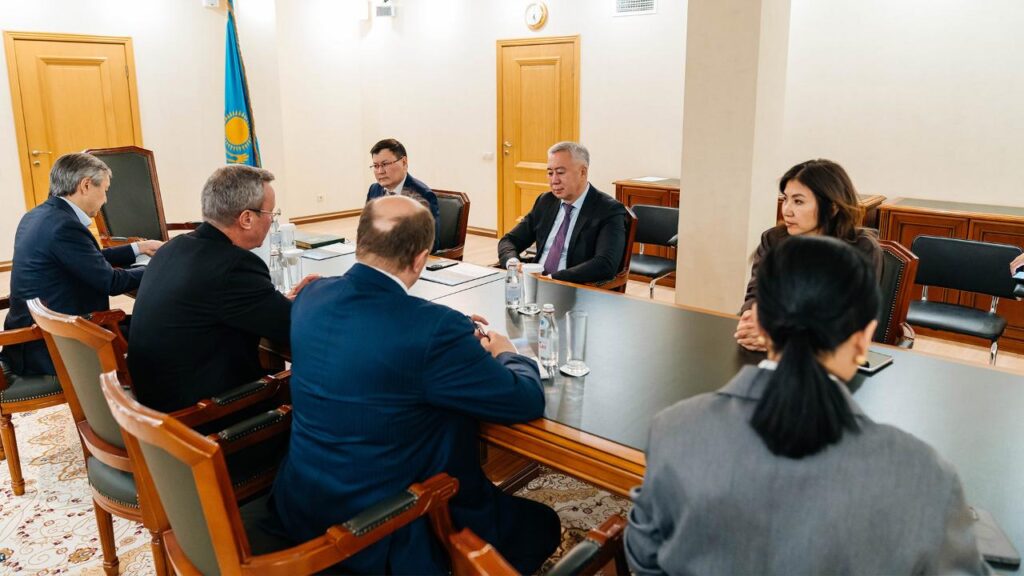
Kazakhstan’s Deputy Prime Minister and Minister of National Economy, Serik Zhumangarin, met with Sergey Sokolov, Director of Government Relations and Corporate Affairs for TikTok in Russia, Eastern Europe, Central Asia, and Mongolia, to discuss the platform’s tools for promoting local businesses.

During the meeting, TikTok representatives presented findings from a joint study conducted with the Atameken National Chamber of Entrepreneurs on the platform’s impact on entrepreneurship in Kazakhstan. The survey included over 300 micro and small business owners from 20 regions across the country.

According to Raimbek Batalov, Chairman of Atameken, the partnership with TikTok is already producing tangible results. As part of the “One Village, One Product” initiative, entrepreneurs have received training on using digital tools to market their products and grow their sales.

“Among companies that post content weekly, one in eight earns more than half of its revenue through the platform. Overall, 63% of businesses report that at least 5% of their annual income is directly tied to TikTok,” Batalov said.

In collaboration with the state-backed Damu Fund, plans are underway to expand training programs on TikTok’s digital tools. Batalov noted that the integration of digital solutions remains a key area for the development of small businesses in Kazakhstan.

Sergey Sokolov described Kazakhstan as one of the region’s fastest-growing markets and emphasized the platform’s untapped potential in advancing digital entrepreneurship. “We are ready to collaborate with Atameken and state authorities to elevate digital business tools to a new level,” he said.

The study highlighted that companies in the creative and service sectors, including hospitality, entertainment, beauty, and wellness, have experienced the strongest results from their TikTok presence. Educational and tourism-related content also shows high growth potential, with Kazakhstani teachers and cultural projects attracting millions of views.

Previously, Kazakh officials and TikTok representatives explored opportunities to promote Kazakhstan’s tourism potential to international audiences via the platform.