• KGS/USD = 0.01144 0%
  • KZT/USD = 0.00210 0%
  • TJS/USD = 0.10438 0%
  • UZS/USD = 0.00008 0%
  • TMT/USD = 0.28490 0%
  • KGS/USD = 0.01144 0%
  • KZT/USD = 0.00210 0%
  • TJS/USD = 0.10438 0%
  • UZS/USD = 0.00008 0%
  • TMT/USD = 0.28490 0%
  • KGS/USD = 0.01144 0%
  • KZT/USD = 0.00210 0%
  • TJS/USD = 0.10438 0%
  • UZS/USD = 0.00008 0%
  • TMT/USD = 0.28490 0%
  • KGS/USD = 0.01144 0%
  • KZT/USD = 0.00210 0%
  • TJS/USD = 0.10438 0%
  • UZS/USD = 0.00008 0%
  • TMT/USD = 0.28490 0%
  • KGS/USD = 0.01144 0%
  • KZT/USD = 0.00210 0%
  • TJS/USD = 0.10438 0%
  • UZS/USD = 0.00008 0%
  • TMT/USD = 0.28490 0%
  • KGS/USD = 0.01144 0%
  • KZT/USD = 0.00210 0%
  • TJS/USD = 0.10438 0%
  • UZS/USD = 0.00008 0%
  • TMT/USD = 0.28490 0%
  • KGS/USD = 0.01144 0%
  • KZT/USD = 0.00210 0%
  • TJS/USD = 0.10438 0%
  • UZS/USD = 0.00008 0%
  • TMT/USD = 0.28490 0%
  • KGS/USD = 0.01144 0%
  • KZT/USD = 0.00210 0%
  • TJS/USD = 0.10438 0%
  • UZS/USD = 0.00008 0%
  • TMT/USD = 0.28490 0%

Despite Labor Shortages, Kyrgyzstan Continues to Round-Up Undocumented Migrants

Kyrgyzstan is grappling with a severe labor shortage, yet the government continues to crack down on undocumented migrants. Police raids in Bishkek over the past few days have resulted in the detention of 28 Bangladeshi nationals, who face administrative penalties and were fined for working without valid documentation. This crackdown, however, comes despite an urgent need for laborers, the head of the construction agency in the Kyrgyz Republic stating that the construction industry alone urgently needs at least 10,000 workers.

The tension between labor shortages and the crackdown on migrant workers has been an ongoing theme of President Japarov’s tenure. Since March, Kyrgyz authorities have intensified efforts to find and deport illegal migrant laborers, with some 1,500 Pakistanis and 1,000 Bangladeshis apprehended. This campaign reflects the nationalist policies promoted by Japarov and his longtime ally Tashiyev, emphasizing Kyrgyz traditions and customs, which have gained them significant popularity. The support of young Kyrgyz men, who are a crucial pillar for Japarov and Tashiyev, is evident in their backing of measures to curb undocumented migration.

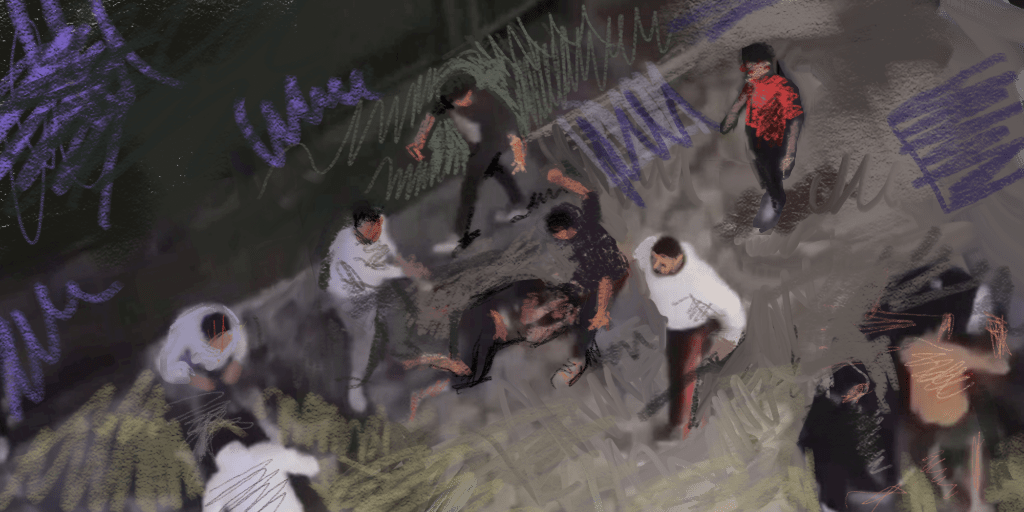
The situation escalated on May 17-18, when unrest broke out in Bishkek, leading to the hospitalization of 41 people. The unrest underscored splits within the government, with Deputy Cabinet Chairman Edil Baisalov labeling the attackers as “hooligans,” while President Japarov defended the actions of “patriotic youth” who demand strict measures against illegal migrants.

The violence targeted foreign students and workers, exacerbating tensions and prompting diplomatic concerns, as seen in the meeting between Kyrgyz Deputy Foreign Minister Almaz Imangaziev and a Pakistani delegation discussing the safety of foreign nationals.

Despite assurances from the Kyrgyz government that such incidents would be prevented in the future, the crackdown on migrant workers continues, highlighting the complex interplay between labor needs and nationalist policies. President Japarov has vowed swift action against any threats to state integrity, signaling a tough stance on both undocumented migration and internal dissent. This ongoing tension reveals the challenges Kyrgyzstan faces in balancing economic demands with political and social stability.


Kazakhstan’s Silk Way TV May Become Unified Central Asian Channel

Central Asia is considering creating a unified television channel and a regional media platform, which would help to strengthen information security and cultural exchange in the region.

The idea was discussed at a meeting of representatives of Central Asian media in Astana.

The project was proposed to be an extension of Kazakhstan’s Silk Way TV channel. According to Kanat Iskakov, Kazakhstan’s deputy minister for culture, Silk Way already broadcasts in more than 120 countries and in six languages.

“At present, the people of our countries are not quite aware of the achievements of neighboring countries. There is a certain lack of information. And in this regard, to fill this gap, we have gathered our colleagues. We have several TV channels that broadcast in Central Asian countries. And we believe that to have a better promotion, these countries can give their content, which we will show not only in the countries of Central Asia but also on international television,” Iskakov said.

Uzbekistan to Supply Extra Water to Kazakhstan for Irrigation

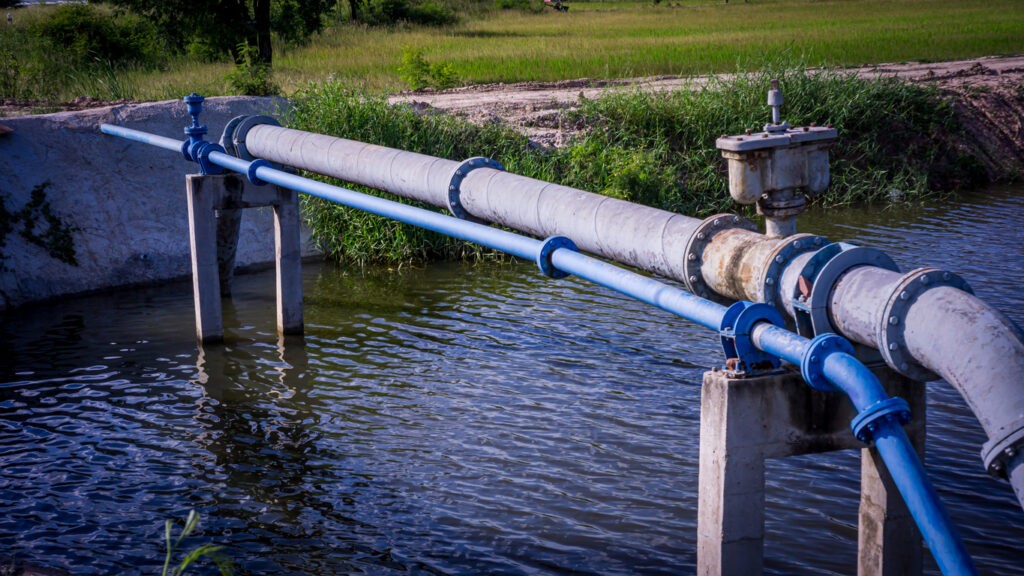
Kazinform has reported that following a  meeting in Astana between Kazakh  Minister of Water Resources and Irrigation, Nurzhan Nurjigitov, and Uzbek Minister of Water Management Shavkat Hamroev, Uzbekistan is to provide Kazakhstan with an additional 500 million cubic meters of water until the end of the irrigation season.

Since April 1, Uzbekistan has supplied more than 4 billion cubic meters of water to Kazakhstan through the Syr Darya. It had been previously agreed that Uzbekistan would provide Kazakhstan with 3.7 billion cubic meters of water within six months but the Uzbek side fulfilled its obligation in just 4 months.

The report states that the key goal was to fully satisfy the demand for irrigation water from farmers of  Kazakhstan’s southern regions and today, the Shardara Reservoir holds 1.5 billion cubic meters of water, almost 500 million more than last year. A total of 4 billion cubic meters of water entered the Shardara reservoir.

Commenting on the success of the project, the official representative of the Ministry of Water Resources and Irrigation of Kazakhstan, Moldir Abdualieva stated, “Due to the preliminary agreement with our neighbors on the working order of the Toktogul and Bahri-Tajik reservoirs, water regularly flows to the Kazakh part of the Dostlik interstate canal. Now, 90 cubic meters of water per second comes to the country through this channel. This is enough to fully supply the farmers of the Turkestan region with irrigation water,”

SCO Opens Foreign Exchange Alliance for Yuan, Tenge, and Ruble

The Shanghai Cooperation Organization (SCO) has instigated an Alliance of Currency Transactions to increase the share of settlements in national currencies—the Kazakh tenge, the Russian ruble, and the Chinese yuan—in mutual trade between SCO member states.

The main goal of the initiative, launched in Qingdao based on the Demonstration Zone of Regional Trade and Economic Cooperation within the framework of the SCO Capital Park, is to reduce dependence on the US dollar and the euro in international settlements and in turn, strengthen the economic independence of the organization’s member countries and increase the stability of their financial systems.

In addition, the Alliance will help simplify currency transactions, accelerate cross-border payments, and create a more transparent and efficient financial infrastructure between the SCO member countries.

The initiative reflects the general move towards  strengthening economic cooperation within the organization, including China, Russia, Kazakhstan, Tajikistan, Kyrgyzstan, Uzbekistan, India, Pakistan, Iran, and Belarus.

As previously reported, the SCO states are increasing the use of national currencies in mutual settlements. The creation of the Alliance was a step in the development of regional financial integration, and its launch underscores the growing interest of SCO countries in using their currencies in foreign economic activity.

EBRD Supports Kazakhstan’s Critical Raw Materials Sector

The European Bank for Reconstruction and Development (EBRD) says it is making its first direct equity investment in the graphite and critical raw materials sector in Central Asia by acquiring a stake in Sarytogan Graphite Limited, an Australian Securities Exchange-listed company involved in the exploration of the Sarytogan graphite deposit in the Karaganda region of central Kazakhstan.

The EBRD’s investment of AUD 5 million (€3 million), representing a 17.36% shareholding in the company, and will finance Sarytogan Graphite’s development program, including preparing a feasibility study and meeting its working capital needs.

According to the EU’s critical raw materials (CRM) classification, graphite is a CRM mineral with a wide range of applications. It is used for producing electric vehicle batteries, the electric power industry, and metallurgy. The Sarytogan graphite deposit is one of the largest known graphite deposits in the world, with the potential to become one of the main suppliers of natural graphite in the region and beyond.

The project aligns with the EU-Kazakhstan strategic partnership on raw materials, batteries, and renewable hydrogen.

According to the country’s Ministry of Industry and Construction, Kazakhstan produces 19 of the 34 critical raw materials listed by the European Union. Kazakhstani manufacturers currently supply the European market with metal and chemical products, including beryllium, tantalum, titanium, phosphorus, and ammonium metavanadate.

Kazakhstan is among the world’s ten largest copper producers. It has the potential to produce battery raw materials such as nickel, cobalt, manganese, and lithium, which are essential for producing electric vehicles.

Kyrgyzstan and Tajikistan to Test Facilities Prior to Launch of CASA-1000

On August 9, Ministers of Energy of Kyrgyzstan and Tajikistan agreed to a plan to test overhead lines, transformers, and substations prior to launching the Central Asia-South Asia (CASA-1000) electricity transmission project, scheduled for completion by the end of 2024.

The construction of a 500 kV transmission line with a length of 456 kilometers is now nearing completion in Kyrgyzstan. All of the supports have been installed and 428 km of the 456 km of the transmission line have been strung. The remaining section will be finished before the end of August 2024.

The CASA-1000 project aims to connect the energy systems Kyrgyzstan and Tajikistan with those of Afghanistan and Pakistan and through the new infrastructure, transport 1,300 megawatts of surplus electricity from Central Asia to high-demand electricity markets in South Asia.

With spring and summer rainfall and significant water flow from the mountains, hydropower-rich Kyrgyzstan and Tajikistan produce surplus electricity during the summer. At the same time, neighboring South Asia, Afghanistan and Pakistan experience chronic electricity shortages, especially during the summer months.

By connecting the four countries through a shared electricity transmission system, Kyrgyzstan and Tajikistan can sell clean hydropower-produced surplus electricity in the summer months to Afghanistan and Pakistan.