TASHKENT (TCA) — Case New Holland Company plans to launch a production of tractors running on methane in Uzbekistan in 2018, the Jahon information agency reports.
Gas-fuelled agricultural machinery is not yet widely operated in Uzbekistan and only 50 pieces of such equipment operate in the country today. The new plant is expected to manufacture tractors running on methane and biogas.
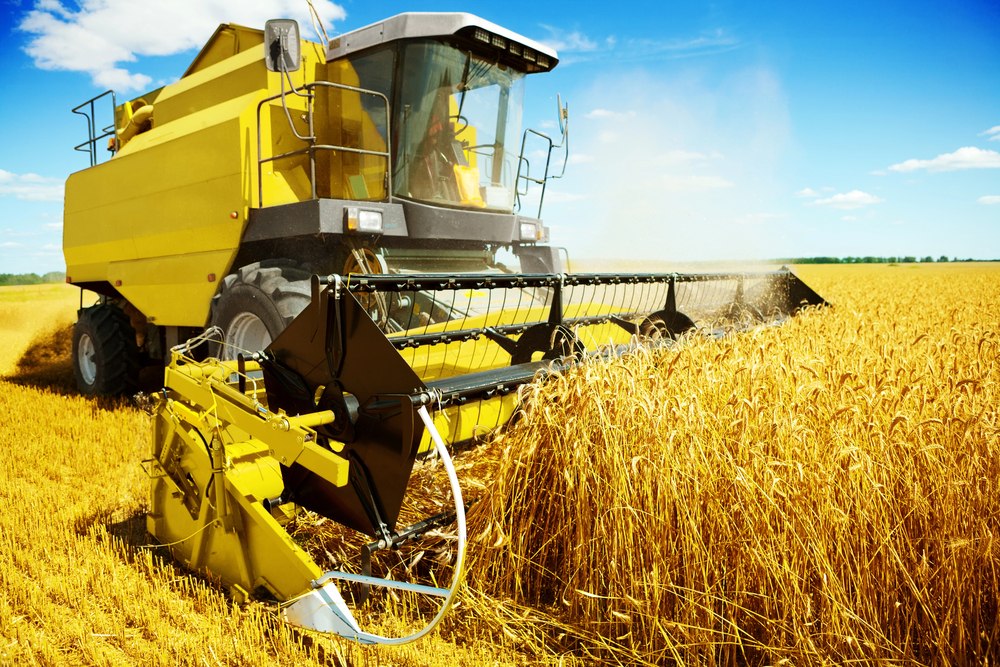
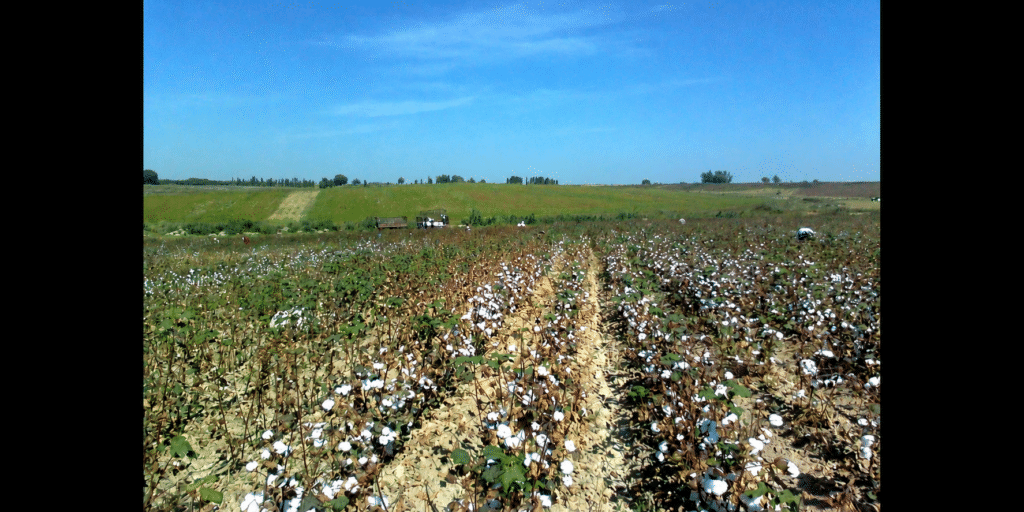
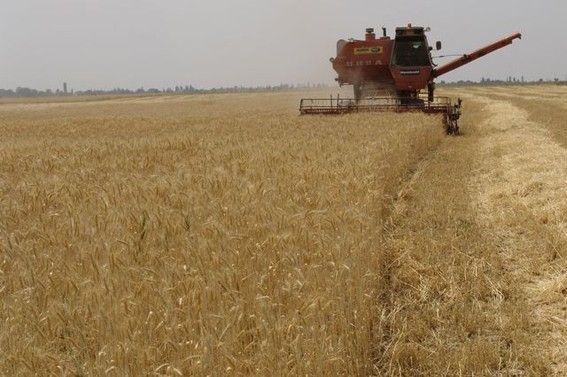
Mechanization of cotton harvesting is another important issue for Uzbekistan. The country needs up to 10,000 units of cotton harvesting equipment to achieve 100% mechanized cotton harvesting. Today, the country’s fields are operated by over a thousand cotton harvesters. In 2017, it is scheduled to produce more than 600 units of cotton harvesting equipment.
In other news, Pakistan plans to launch assembly production of agricultural machinery from Uzbekistan. This may happen in the coming months, Jahon reported.
Experts say that Pakistan is highly interested in Uzbek experience and technologies in the field of agriculture. The level of mechanization of cotton planting in Pakistan does not exceed 50%, the rest is sown manually. They are currently working on submission of a decree on the introduction of Uzbek technologies in Pakistan to the government.
Very soon, an Uzbek delegation will visit the country to elaborate on the organization of assembly production.
The project was preceded by testing of eight samples of Uzbek equipment on Pakistani fields. Moreover, a delegation from Pakistan visited Uzbekistan to make sure that Uzbekistan has its own production base for agricultural machinery.
In the meantime, the Russian company Rostselmash is going to launch the assembly of its agricultural equipment at the Chirchik Plant of Agricultural Machinery in Uzbekistan by the end of May.
The first batch of Russian machinery produced in Uzbekistan will consist of 20 self-propelled forage harvesters of three types. The parties have also embarked on joint assembly of press-pick-ups, which is a very marketable product in Uzbekistan. The production capacity is estimated to be about 200 items per year. The total annual demand of the Uzbek market is estimated at 300-400 items of such equipment.
After the full launch of the project in Chirchik, the plant will produce several hundred Russian agricultural machines a year — about seven models of self-propelled harvesters and self-propelled mowers. The Russian side will gradually increase the level of localization of products manufactured in Uzbekistan.