• KGS/USD = 0.01144 0%
  • KZT/USD = 0.00210 0%
  • TJS/USD = 0.10438 0%
  • UZS/USD = 0.00008 0%
  • TMT/USD = 0.28490 0%
  • KGS/USD = 0.01144 0%
  • KZT/USD = 0.00210 0%
  • TJS/USD = 0.10438 0%
  • UZS/USD = 0.00008 0%
  • TMT/USD = 0.28490 0%
  • KGS/USD = 0.01144 0%
  • KZT/USD = 0.00210 0%
  • TJS/USD = 0.10438 0%
  • UZS/USD = 0.00008 0%
  • TMT/USD = 0.28490 0%
  • KGS/USD = 0.01144 0%
  • KZT/USD = 0.00210 0%
  • TJS/USD = 0.10438 0%
  • UZS/USD = 0.00008 0%
  • TMT/USD = 0.28490 0%
  • KGS/USD = 0.01144 0%
  • KZT/USD = 0.00210 0%
  • TJS/USD = 0.10438 0%
  • UZS/USD = 0.00008 0%
  • TMT/USD = 0.28490 0%
  • KGS/USD = 0.01144 0%
  • KZT/USD = 0.00210 0%
  • TJS/USD = 0.10438 0%
  • UZS/USD = 0.00008 0%
  • TMT/USD = 0.28490 0%
  • KGS/USD = 0.01144 0%
  • KZT/USD = 0.00210 0%
  • TJS/USD = 0.10438 0%
  • UZS/USD = 0.00008 0%
  • TMT/USD = 0.28490 0%
  • KGS/USD = 0.01144 0%
  • KZT/USD = 0.00210 0%
  • TJS/USD = 0.10438 0%
  • UZS/USD = 0.00008 0%
  • TMT/USD = 0.28490 0%

Afghanistan Advances Qosh Tepa Canal While Urging Regional Water Cooperation

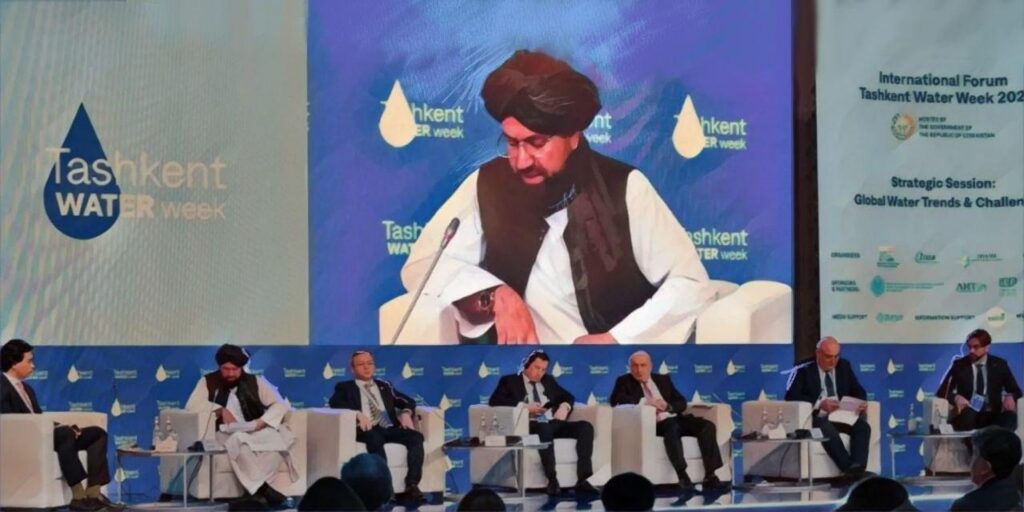
Uzbekistan just hosted the Tashkent Water Week forum, and the speaker many wanted to hear from was the representative from Afghanistan. Central Asia and Afghanistan are being hit hard by climate change. This region has endured several droughts already this decade, and indications are that this year will bring drought again.

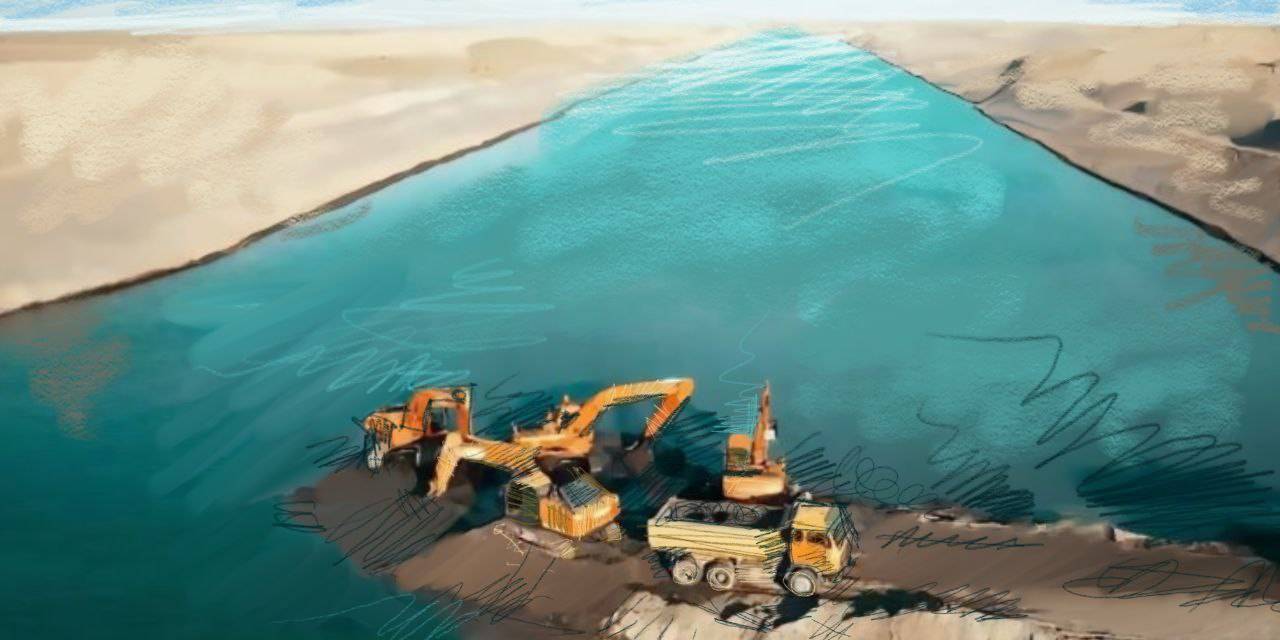
Hanging over the forum was Afghanistan’s plan to complete the Qosh-Tepa Canal in 2028, which will draw water from a river that Central Asian countries also use and further complicate the regional water situation.
Qosh Tepa Canal, artist’s rendition; image: TCA, Aleksandr Potolitsyn

Our Fair Share

The forum, which actually spanned only two days, March 25-26, brought together some 80 speakers and more than 1,200 delegates from 19 countries.

In the past five years, Central Asia has seen noticeably diminished precipitation, melting glaciers, and record high temperatures, making water conservation a priority. The last days of March saw temperatures soar into the 30s Celsius in southern Kazakhstan. In both Kazakhstan and Kyrgyzstan, there were record-high temperatures in February. Rainfall for the last three months of 2025 was also far below normal across Central Asia.

When the Taliban government announced in early 2022 that it would build the 285-kilometer-long, 100-meter-wide, 8.5-meter-deep Qosh Tepa to irrigate lands in northern Afghanistan, it added another water concern to Central Asia, particularly the governments in Turkmenistan and Uzbekistan.

Afghanistan’s Deputy Minister of Water and Energy, Mujeeb-ur-Rahman Omar, led the Afghan delegation at the Tashkent Water Week. At the forum, he repeated his government’s position that historically, Afghanistan has taken only very small volumes of water from the Amu-Darya River basin, while its northern neighbors have been using large amounts for irrigation for decades.

“We believe in the fair and sustainable development of the region,” Omar said, adding, “We intend to develop (water resources) on a legal basis, in accordance with the legal rights of the countries in the region.“

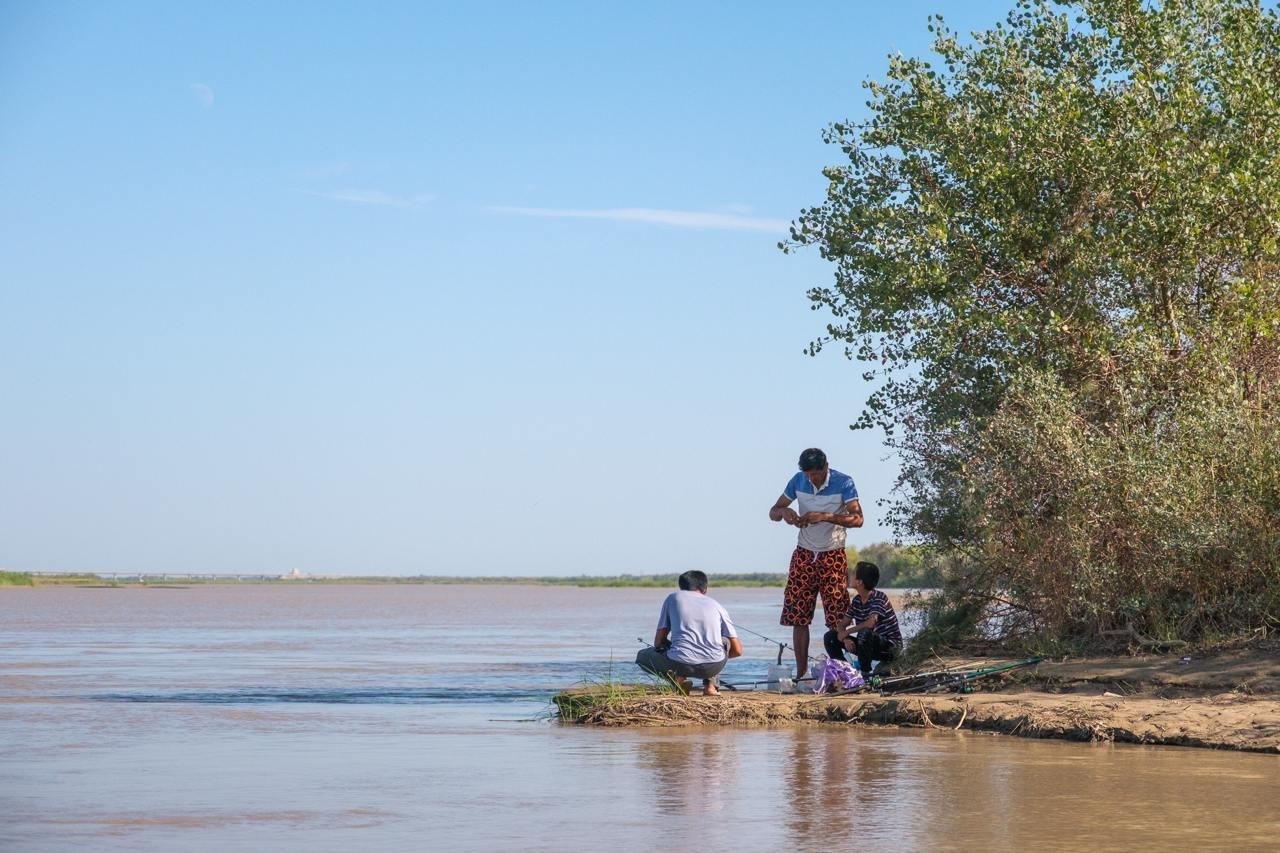
Omar is correct that under international law, Afghanistan has an equal right to water from the Amu-Darya, one of Central Asia’s two great rivers. The river currently marks the border between Afghanistan to the south, and Tajikistan, Uzbekistan, and a small section of Turkmenistan to the north.

There is no separate regional water use agreement between the Central Asian states and Afghanistan. Since none of the Central Asian governments officially recognize the Taliban as the legitimate Afghan government, Russia is the only country that does at the moment, there is no possibility of a legal treaty on water use being signed.

So, shortly after the construction of the canal is finished in 2028, some 20% of the water in the Amu-Darya, starting from the point just west of the Tajik-Uzbek border, will be diverted into the Qosh Tepa canal.

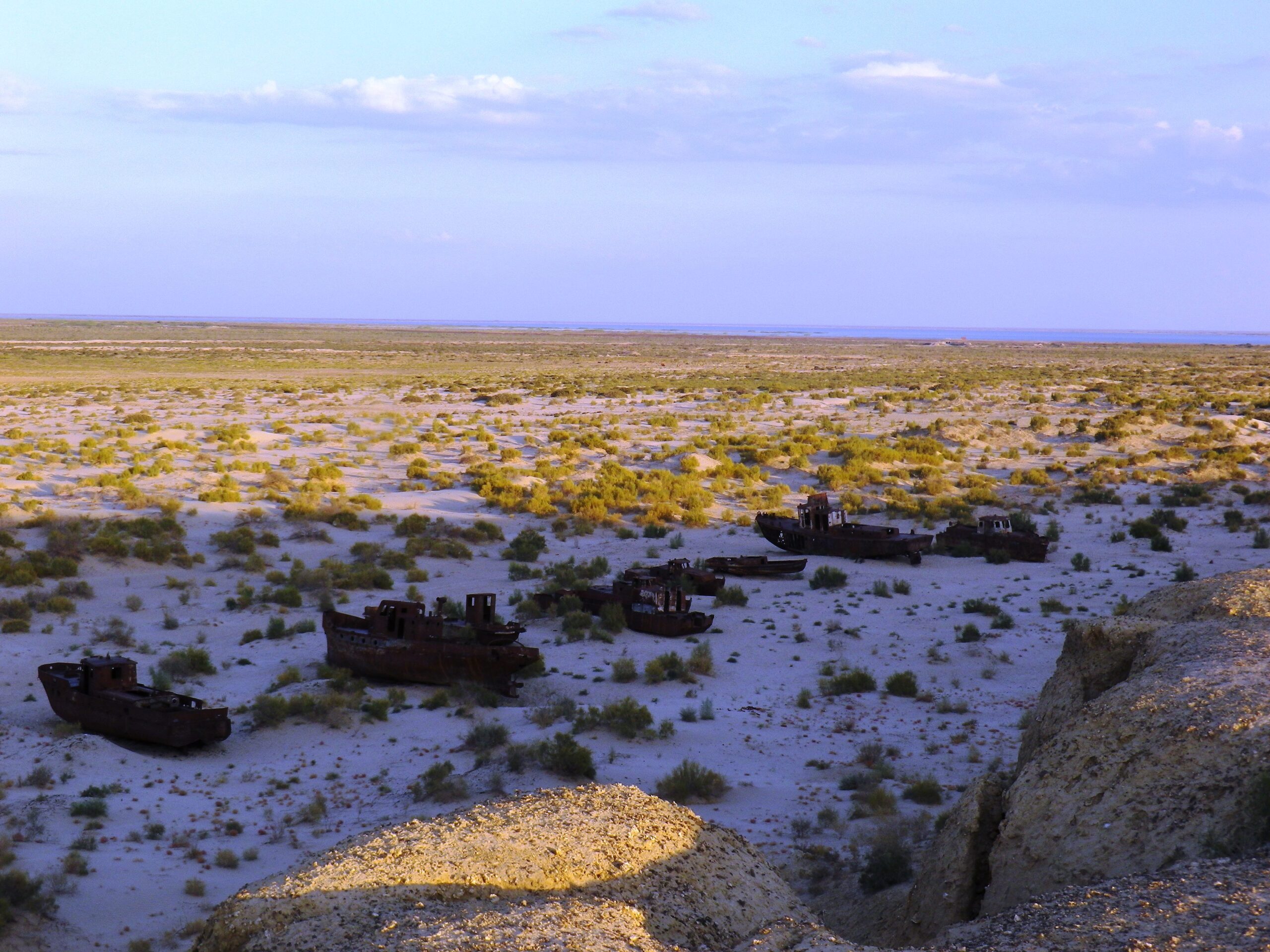
It is already clear that this will mean the end of some downstream communities in Uzbekistan and Turkmenistan that are on the edge of the Kara-Kum Desert and which are already under strain from insufficient water supplies.

Turkmenistan did not send a delegation to the Tashkent Water Week forum.

Uzbekistan’s Minister of Water Resources, Shavkat Khamrayev, summed up the situation in March 2025, conceding Afghanistan’s right to its share of water, and there was no other choice.

“Should we take up arms and go to war?’ Khamrayev asked.
Abandoned boats on the former Aral seabed reflect the legacy of water diversion in Central Asia.; image: TCA, Stephen M. Bland

The Taliban Wants Help

At the Tashkent forum, Omar said Afghanistan would always consider the rights and needs of its northern neighbors for water. He stressed cooperation with Central Asia, especially in sharing water-saving technologies that the Central Asian countries have been developing in recent years.

Omar specifically appealed to the Central Asian states, “in the spirit of regional cooperation,” to help with projects to solidify the banks of the Amu-Darya on the Afghan side of the river. Omar said soil erosion was washing away sections of the river’s bank, leading to the loss of water.

Uzbekistan’s government has offered several times to help with the construction of the Qosh Tepa Canal. The Taliban are building the project on their own, and there have been concerns about safety and the quality of the workmanship.

Omar did not address this issue, but made it clear that the project will be finished. So far, more than 200 kilometers of the canal have been excavated.

Omar also spoke about regional efforts to combat climate change. In his opinion, “developed countries that have essentially caused climate change” should “help the countries that have become victims of climate change in conducting scientific research, monitoring, and assessing our needs.”

There was no mention in reports if that view was shared by others at the forum.
Uzbek fishermen on the Amu Darya; image: Project Amu Darya

Making the Best of It

On the sidelines of the forum, Omar met with Uzbek Water Resources chief Khamrayev to discuss water management.

The Afghan delegation’s presence at the forum was a good sign that the Taliban want to cooperate with Central Asia on the issue of water use. But with the memories of droughts in 2021, 2022, and 2023 still fresh in the minds of officials on both sides of the Afghan-Central Asian border, and with another drought likely this year, water use could quickly become a contentious issue once again before the Afghan canal is even completed.

Kyrgyzstan Elected First Vice-Chair of UN Mountain Partnership

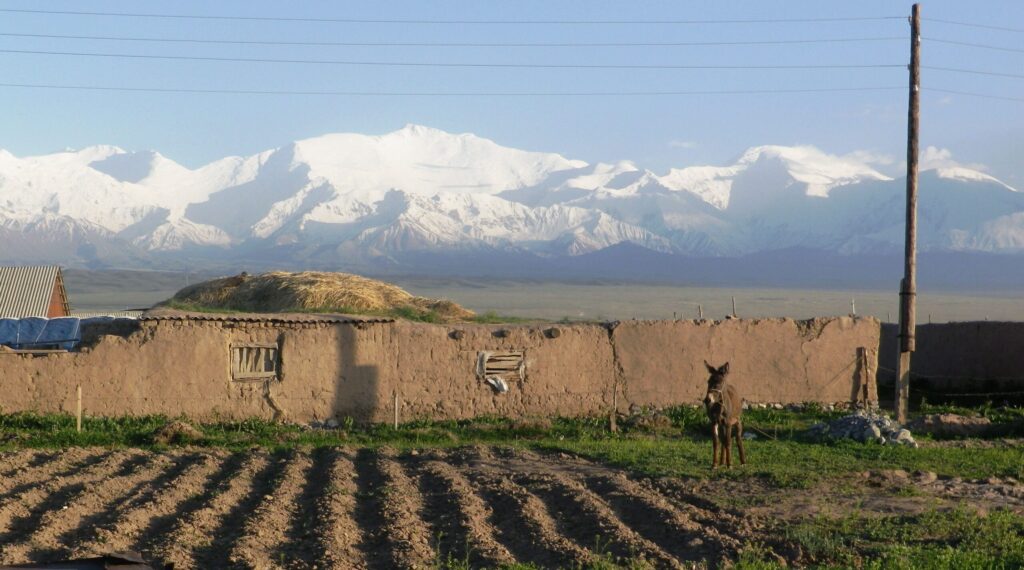
Kyrgyzstan has been elected First Vice-Chair of the Steering Committee of the Mountain Partnership for the 2026-2030 period, reflecting its continued engagement in advancing the global mountain agenda.

Founded in 2002, the Mountain Partnership is a United Nations alliance of governments and organizations aimed at improving the livelihoods of mountain communities and protecting mountain ecosystems. The initiative was established by the governments of Italy and Switzerland, the United Nations Environment Programme (UNEP), and the Food and Agriculture Organization, which hosts the partnership’s secretariat.

The new Steering Committee was elected during the 7th Global Meeting of the Mountain Partnership, held from March 26 to 28 in Andorra under the theme “Mountains for the Future: Responsible Tourism, Thriving Communities.” The meeting brought together representatives from Germany, Armenia, Azerbaijan, Italy, Mongolia, Montenegro, Nepal, and Kyrgyzstan, as well as officials from international organizations including FAO, UN Tourism, UNESCO, the OSCE, UNEP, the United Nations Development Programme, and the United Nations Framework Convention on Climate Change.

Italy, the partnership’s main donor, retained its position as Chair.

Kyrgyzstan was represented by Dinara Kemelova, the president’s special representative for the mountain agenda, who called for stronger coordination among mountain countries to advance shared priorities on global platforms.

Kemelova also announced that the second “Bishkek+25” Global Mountain Summit will be held in Kyrgyzstan from October 21 to 23, 2027.

She highlighted the country’s implementation of the Five Years of Action for the Development of Mountain Regions (2023-2027), with a focus on ecotourism and organic production. An exhibition of Kyrgyz mountain products was also organized on the sidelines of the meeting.

The meeting concluded with the adoption of the Andorra Declaration, a strategic document aimed at strengthening international commitment to sustainable mountain development.

The declaration recognizes the role of mountains in combating climate change, preserving biodiversity, and ensuring food security, while also highlighting their vulnerability to global environmental impacts. Mountains cover around one quarter of the Earth’s land surface and are home to approximately 1.2 billion people, while also encompassing 25 of the world’s 36 biodiversity hotspots.

The document outlines several priority areas, including promoting sustainable tourism as a key economic driver for mountain regions, increasing climate and environmental financing, strengthening research and scientific cooperation, and supporting local communities, including women, youth, and indigenous groups.

It also emphasizes the need to improve connectivity in mountain areas, reduce the digital divide, and enhance resilience to natural hazards through early warning systems and adapted infrastructure.

Central Asia Avoids Fuel Shock as Global Pressures Build

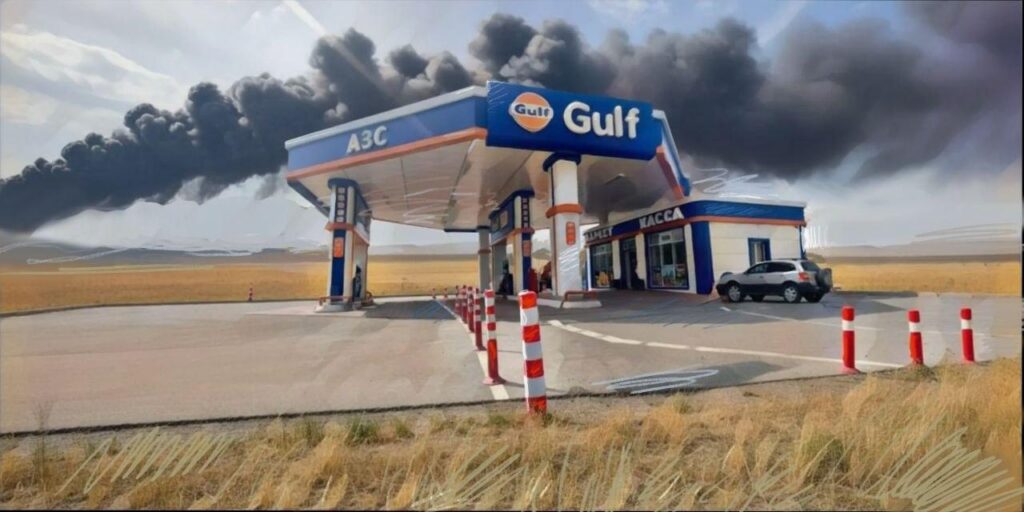
Central Asia has so far avoided the immediate fuel shocks spreading across much of the world following the U.S. and Israel’s war with Iran. There are no lines at gas stations, no visible shortages, and no signs of panic buying. But that stability sits within a rapidly tightening global market, where disruptions in Asia and policy responses in Europe are reshaping fuel flows in ways the region will struggle to avoid.

Across Southeast Asia, governments are already taking precautionary steps. Some state agencies and private firms are shifting parts of their workforce to remote work to reduce fuel consumption and prepare for potential price spikes and logistics disruptions, while Thailand is preparing contingency measures, including possible fuel rationing.

China, one of Asia’s largest suppliers of refined fuels, has moved to restrict exports of gasoline, diesel, and jet fuel in an effort to prevent domestic shortages linked to the war. The move is expected to tighten supplies across Asia, especially for countries that rely on Chinese fuel imports. China supplied about one-third of Australia’s jet fuel last year, highlighting the wider regional impact, and roughly half of the Philippines’ and Bangladesh’s in 2024. Vietnam has already warned airlines to prepare for flight reductions in April due to the risk of shortages caused by these export restrictions. Indonesia is also imposing limits on fuel sales. 

Fuel-related pressures have begun to emerge in Europe as well. Poland has introduced tax measures aimed at reducing fuel prices, with the government saying this will lower prices for consumers. Slovenia, meanwhile, has introduced significant restrictions on fuel consumption. Under new rules, private motorists are limited to purchasing a maximum of 50 liters per day, while businesses and farmers may purchase up to 200 liters daily.

The combined effect of war-driven energy shocks and renewed tariff barriers is raising global costs and adding pressure across trade, transport, and inflation.

Against this backdrop, Central Asia’s apparent stability is misleading. It is highly unlikely that import-dependent states such as Kyrgyzstan and Uzbekistan will be as well protected as Kazakhstan, which may benefit in the short term from higher crude prices.

Starting April 1, Russia is banning gasoline exports in an effort to stabilize its own domestic market. Russia is a key fuel supplier to Central Asia. However, according to assurances from the Ministry of Energy of the Russian Federation, the temporary export ban will not affect supplies to Uzbekistan. Deliveries under intergovernmental agreements are expected to continue, ensuring that at least part of the region’s supply remains uninterrupted.

In Kyrgyzstan, despite recent developments, fuel prices and supplies remain relatively stable. The government is considering lowering taxes or temporarily waiving excise duties for fuel importers should the crisis continue.

Information from Turkmenistan is difficult to verify independently. Despite reports of fuel shortages at gas stations last year, official media are now indicating a significant increase in domestic gasoline production. The production plan for January-February 2026 was reportedly fulfilled at 122.7%, according to Deputy Chairman of the Cabinet of Ministers Guvancha Agajanov, speaking at a recent government meeting.

Kazakhstan occupies a special position due to its substantial reserves of key mineral resources. Currently, there appear to be no major supply issues, even amid emerging global pressures. However, underlying challenges are becoming more apparent.

As of March 23, 2026, data from GlobalPetrolPrices places Kazakhstan among the countries with some of the lowest gasoline prices. This group includes Libya, Iran, Venezuela, Angola, Kuwait, Algeria, Turkmenistan, Egypt, Qatar, Saudi Arabia, Bahrain, and Oman. In these countries, fuel prices, ranging from $0.34 to $0.70 per liter, are shaped either by abundant natural resources or strong state intervention. Kazakhstan follows a similar model, combining domestic resource availability with government regulation. The country maintains a moratorium on price increases for the most in-demand fuel grades.

However, according to Kazakhstani expert Olzhas Baideldinov, wholesale prices for petroleum products have risen by 17%. Rail transport costs have increased significantly (+72%), along with other expenses. As a result, gas stations are reportedly operating at a loss when selling gasoline and diesel. This suggests that Kazakhstan’s domestic fuel market requires substantial adjustment.

For comparison, gasoline prices (per liter), according to GlobalPetrolPrices, currently stand at: U.S. – $1.133; Azerbaijan – $0.676; Kazakhstan – $0.507; Kyrgyzstan – $0.917; Turkmenistan – $0.428; and Uzbekistan – $1.077. Tajikistan stands apart, with gasoline prices above $1.10 per liter, the highest in Central Asia, reflecting its heavy dependence on imported fuel.

These figures reflect a mix of domestic resources and state controls that continue to shield local markets from global price pressures.

The region’s exposure is not immediate, but it is structural.

Central Asia’s energy security is not just about supply, but also about routes. The region remains heavily dependent on external refining systems and transport corridors that are now under pressure, whether through Russia, the Caspian, or southern routes linked to the Persian Gulf. Disruptions far beyond the region are therefore quickly transmitted into local markets.

For now, Central Asia looks insulated. But in a tightening system, insulation is often temporary.

Uzbekistan and Afghanistan Establish Business Council to Boost Trade

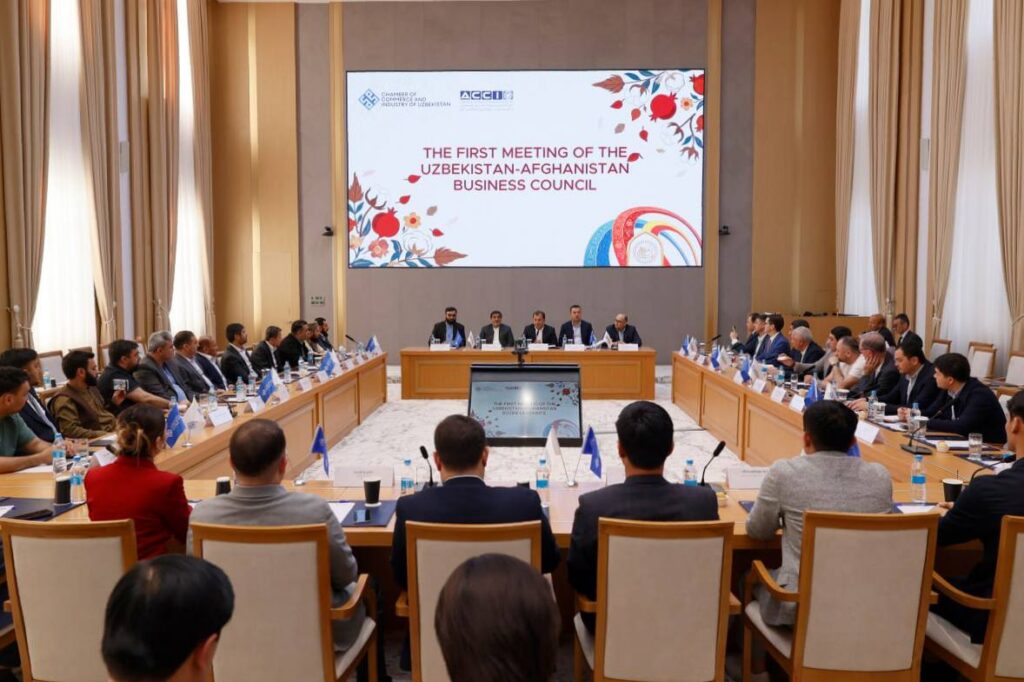
Uzbekistan and Afghanistan have established a joint Business Council aimed at strengthening trade and economic cooperation, according to Uzbekistan’s Chamber of Commerce and Industry.

The council was formally launched on March 26 during a meeting in Tashkent attended by a delegation led by Mohammad Karim Hashimi, chairman of the Afghanistan Chamber of Commerce and Investment. The inaugural session brought together representatives from both countries’ business communities and relevant institutions.

The council comprises 32 members. On the Uzbek side, participants include officials from the Chamber of Commerce and Industry and representatives of sectoral associations. The Afghan delegation includes members of the Chamber of Commerce and Investment as well as executives from leading private companies.

Discussions focused on expanding bilateral trade, fostering direct business-to-business cooperation, and launching new joint projects. Priority sectors identified for collaboration include construction materials, pharmaceuticals, food production, textiles, electrical engineering, and petroleum products.

Both sides set a target of increasing bilateral trade to $5 billion in the near term. To support this goal, they agreed on several priority measures, including expanding export capacity, introducing digital customs systems, improving financial and insurance services, and increasing transparency in trade procedures.

Participants also emphasized the importance of regularly organizing exhibitions, business forums, and business-to-business meetings to strengthen ties between entrepreneurs and facilitate partnerships.

Chairman of Uzbekistan’s Chamber of Commerce and Industry, Davron Vakhobov, highlighted the significance of the initiative, noting that it would help establish direct dialogue between businesses, create new partnerships, and boost investment activity.

The creation of the Business Council builds on recent growth in economic ties between the two countries. Uzbekistan has described its relationship with Afghanistan as “friendly and constructive,” with bilateral trade reportedly increasing 2.5 times over the past five years-from $653 million in 2021 to $1.7 billion in 2025.

Increased Funding for Science in Kazakhstan Has Yet to Yield Results

Kazakhstan has significantly increased its spending on research and development, but this has yet to translate into a noticeable economic impact. Analysts point to structural imbalances and a weak link between science and business.

According to the National Bureau of Statistics, research and development (R&D) funding in 2025 amounted to approximately $549 million, an increase of 19% compared to the previous year and nearly threefold over the past five years. At the same time, the funding structure has shifted toward greater state involvement. The share of budgetary funds rose to 81.5%, up from 51.3% in 2020, while private sector participation has declined to minimal levels.

Experts note that this model limits the commercialization of scientific developments, which in most countries is primarily driven by the business sector.

Kazakh President Kassym-Jomart Tokayev has previously stated that science funding has yet to deliver practical results, highlighting systemic inefficiencies and the ineffective use of resources.

More than half of total funding, about $282 million, is allocated to research staff salaries. Meanwhile, approximately $117 million is spent on equipment, materials, and infrastructure. Funding for experimental design and development work, critical for bringing technologies to market, has declined to around $29 million, down from the previous year. Most expenditures continue to be directed toward basic and applied research.

Despite increased investment, science’s contribution to the economy remains limited. R&D spending accounted for approximately 0.16% of GDP in 2025, unchanged from the previous year. Industry participation in scientific research also remains low, with spending in key sectors such as metallurgy, mechanical engineering, and the chemical industry lagging behind.

Analysts argue that without a stronger role for the private sector and more effective commercialization mechanisms, increased funding is unlikely to produce significant technological outcomes.

Uzbekistan Launches “Clean Air” Project to Cut Pollution by 2030

Uzbekistan has approved a nationwide environmental initiative aimed at improving air quality and reducing pollution over the next five years, according to a presidential decree published on March 25.

The decree outlines the implementation of the “Clean Air” national project for 2026-2030. The program sets a target of reducing harmful emissions into the atmosphere by 10.5% and strengthening environmental monitoring across key industrial sectors.

Under the plan, enterprises classified as having a significant environmental impact will be required to install automatic monitoring systems, as well as dust and gas purification equipment. The initiative also aims to reduce the number of days when air pollution levels, particularly fine particulate matter (PM2.5), exceed national safety standards.

Special attention is being given to the capital. Authorities have extended the mandate of a government commission tasked with addressing environmental challenges in Tashkent until March 1, 2027. The body has also been elevated to a national-level commission, reflecting its expanded scope of responsibility.

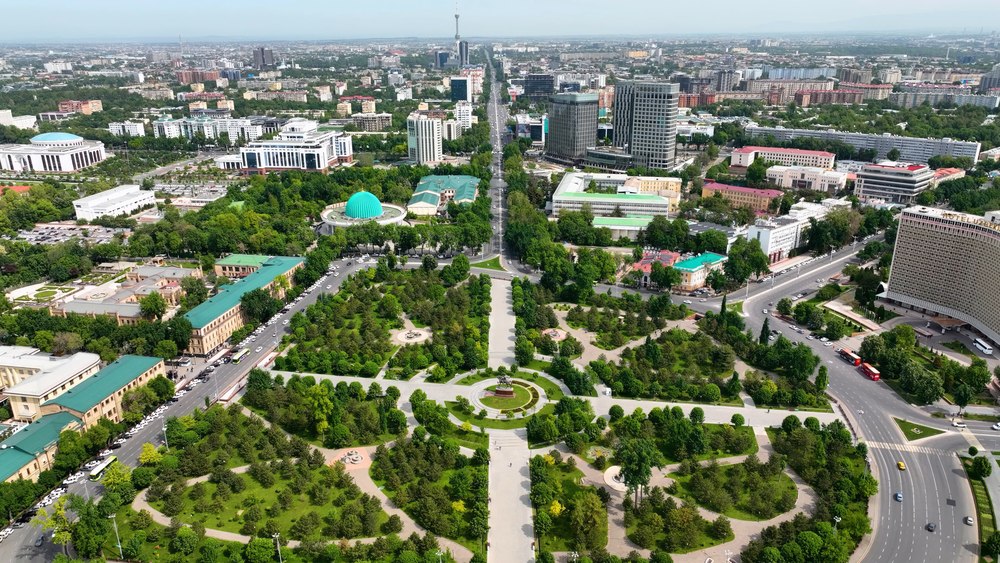
From April 1, 2026, a moratorium will be introduced on the creation of new industrial zones in Tashkent, with no specified end date. The measure is intended to limit additional pressure on the city’s already strained air quality.

The decree also introduces stricter environmental requirements in the construction sector starting June 1. Developers will be required to equip building sites with environmental monitoring systems linked to a centralized database managed by the Ecology Committee. In addition, construction sites must install online surveillance cameras to ensure compliance with environmental standards.

Companies found to be in violation of environmental regulations will face penalties through a rating system within the national “Transparent Construction” platform. Environmental impact assessments will also become mandatory for all major construction and urban planning projects.

New building designs exceeding specified size thresholds must allocate at least 30% of land area to green spaces, reflecting a broader effort to expand urban greenery.

In recent years, air quality in Tashkent has deteriorated significantly. Experts attribute the problem to industrial emissions, seasonal dust storms, rapid urban development, and the loss of green spaces. Despite a formal ban, an estimated 49,000 trees have been cut down since 2019.

According to the Ministry of Ecology, PM2.5 levels in the capital frequently exceed World Health Organization guidelines. During severe smog episodes in early 2024, pollution levels reached up to 22 times the recommended annual limits, posing serious risks to public health.