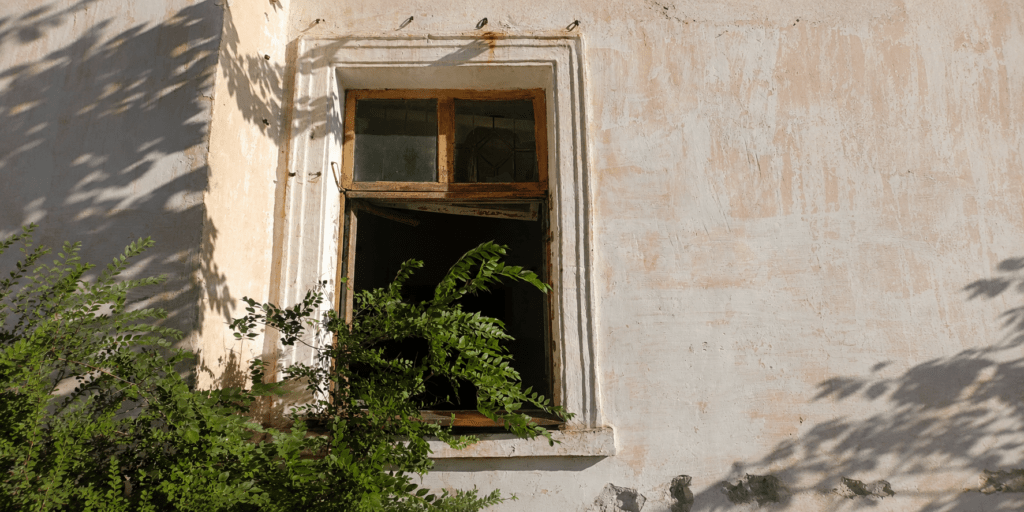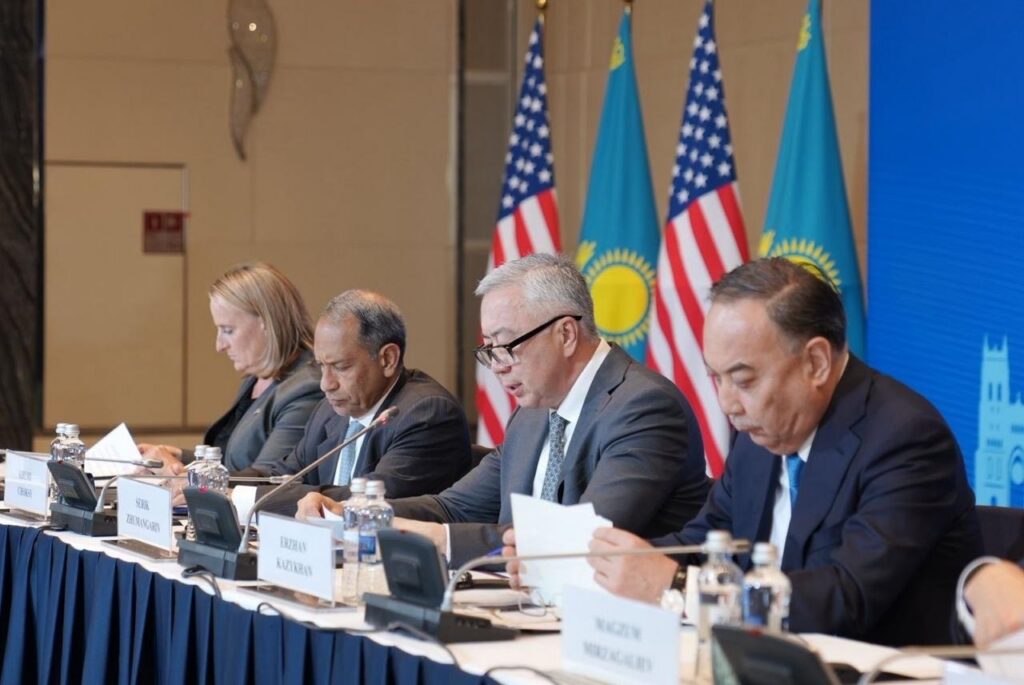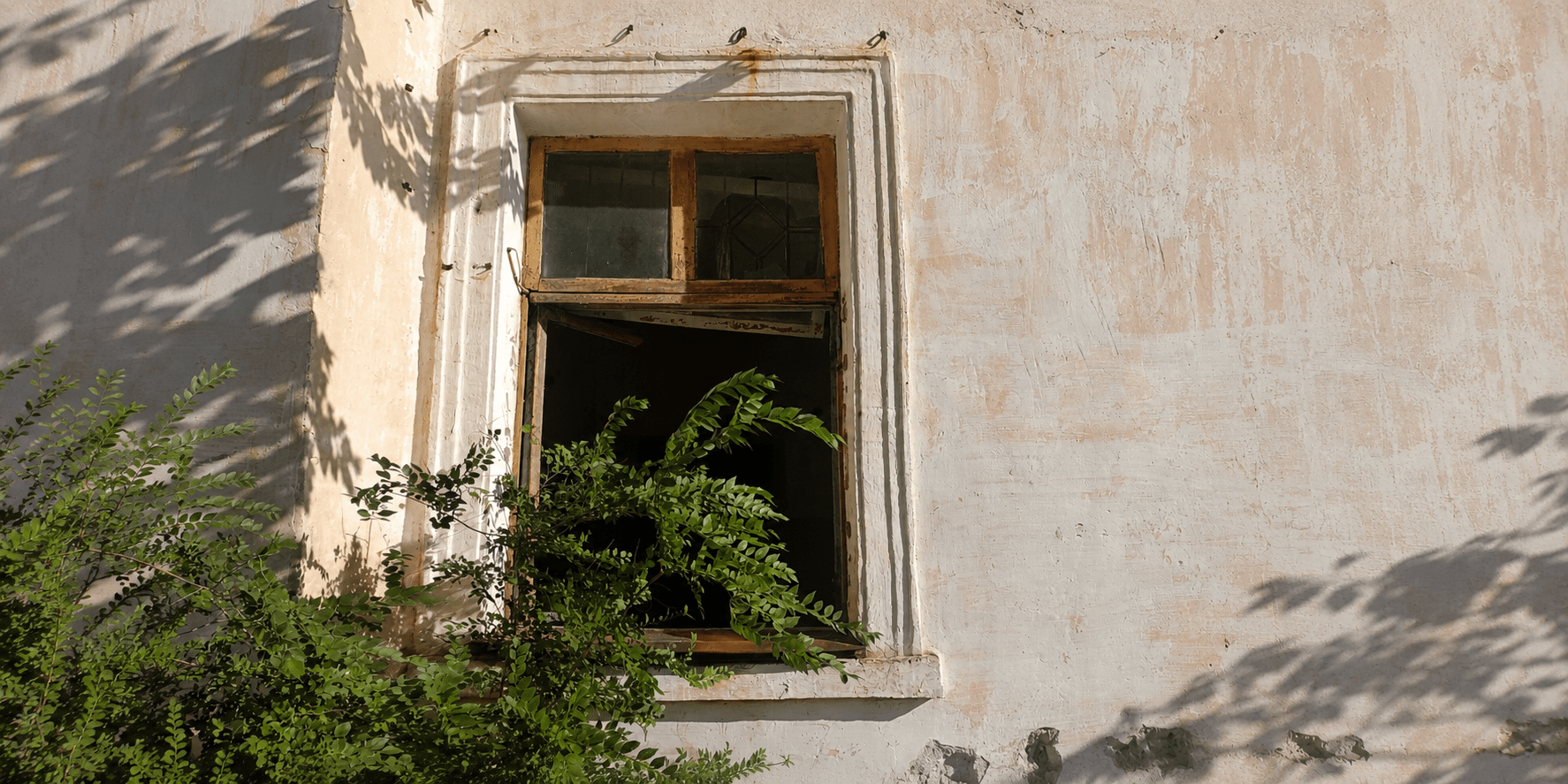
Strong winds, scorching sun, abandoned five-story apartment blocks standing next to occupied homes, crows and horses wandering the streets: this is how Kurchatov appears to visitors today. Once closed to outsiders, the city was the heart of Soviet nuclear science and military power. More than three decades after the closure of the Semipalatinsk Nuclear Test Site, how does this unique corner of Kazakhstan live now?
Construction of the test site began on August 21, 1947. It covered 18,500 square kilometers at the intersection of what are now the Abai, Pavlodar, and Karaganda regions.
Two years later, on August 29, 1949, the Soviet Union conducted its first nuclear test here.
Soviet nuclear scientists helped create the country’s “nuclear shield,” but it was Kazakhstan that decades later brought the tests to an end. On August 29, 1991, by decree of President Nursultan Nazarbayev, the Semipalatinsk test site was officially closed.
Over 42 years, at least 456 nuclear tests were carried out at the site, affecting more than 1.5 million people.
The history of Kurchatov began as a military garrison. Because of its secrecy, the city changed names several times, including “Moscow-400,” “Nadezhda,” and “Bereg.” It later became known as Kurchatov, after Soviet physicist Igor Kurchatov, although for many years it remained better known by its code name: Semipalatinsk-21.
The first builders and military personnel lived in extremely harsh conditions.
“At first, many lived in dugouts, and the walls froze through completely,” older residents recall. “In winter, hair froze to the beds, and fingers were often frostbitten.”
“I came to serve here from Moldova and thought I was going to a regional center. Instead, they sent us into the steppe, to the dugouts. No electricity, no heating, no gas. Cold, mud, wind. But I stayed anyway. I got married and later brought my parents here,” Viktor Bordei, who has lived in Kurchatov for 47 years, told The Times of Central Asia.
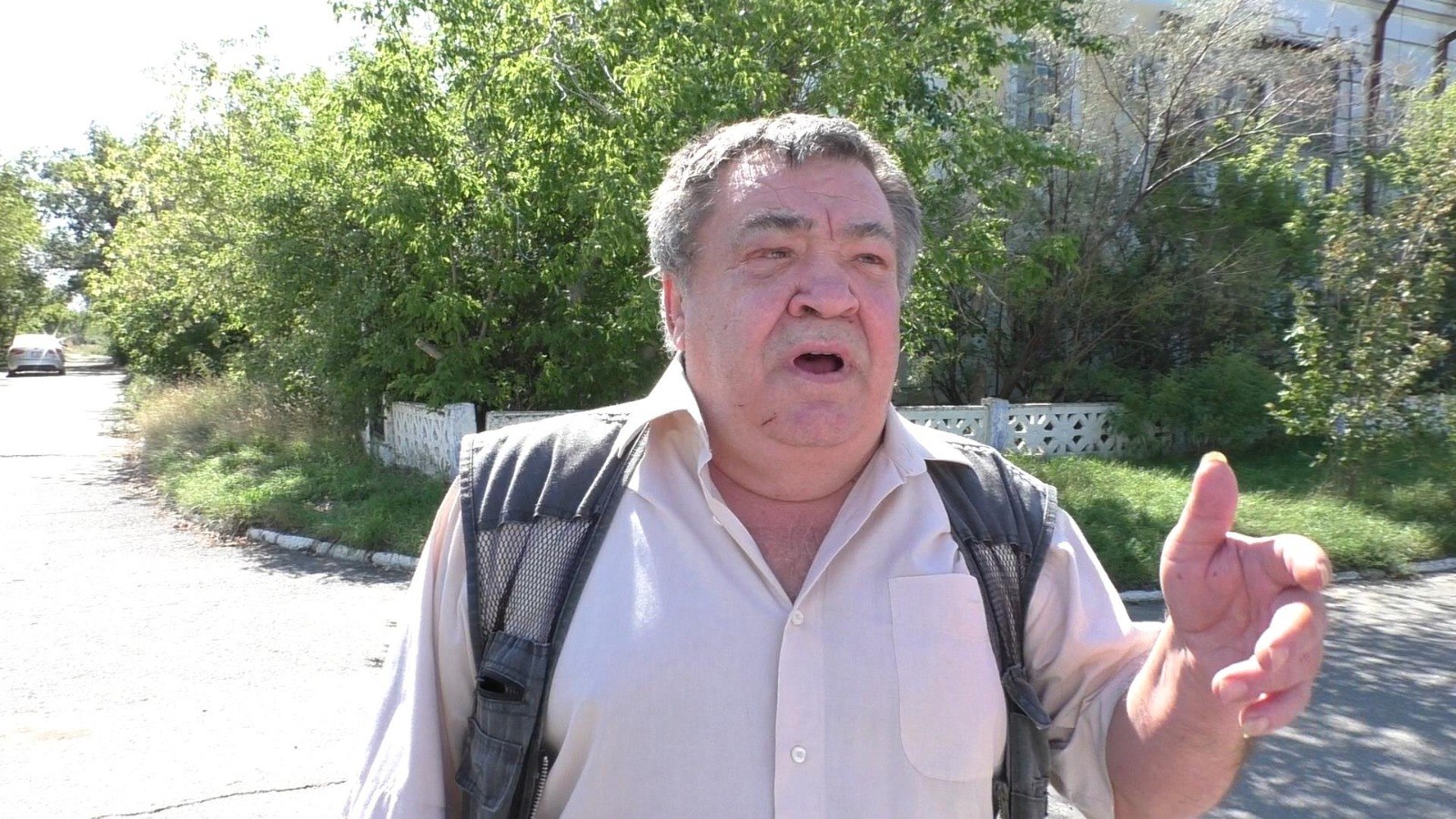
Viktor Bordei, a resident of Kurchatov; image: TCA
For many who served at the test site, their work felt like a matter of honor.
“We didn’t think about the consequences,” Bordei admits. “We believed we were strengthening the Soviet Union’s nuclear shield. Nobody spoke about the harm until Nazarbayev announced the damage done to nature and people. Of course, it’s painful to realize we were kept in the dark.”
Over time, memories of that period have become intertwined with nostalgia. Former residents recall developed infrastructure, well-stocked stores, and strict order. After the military left, Kurchatov took years to recover, losing both people and housing while preserving the spirit of its unusual past.
“I remember how the walls shook during the explosions. I also remember the day the military left. It was frightening, and nobody knew what would happen next. Now it hurts to see abandoned buildings and horses wandering the streets, but I don’t want to leave. The city is changing, and I believe in it,” says local resident Elena Kazachuk, who was born in Kurchatov.
Zoya Lapshina arrived in the city in 1979.
“The city was like an oasis. On the shelves there were Moscow biscuits, condensed milk, pineapples, strawberries in March. There was even a dairy kitchen for infants,” she recalls with a smile.
Another resident, Maria Stepanchuk, believes radiation never directly affected Kurchatov itself.
“The city was built wisely, taking wind patterns into account. We lived peacefully. Those years were like paradise for me. Now the city is slowly coming back to life,” she says.
The closure of the Semipalatinsk test site in 1991 did not mean life in Kurchatov stopped. On the contrary, the consequences of decades of testing were only beginning to emerge. After the military withdrew, it left behind ruined buildings, contaminated land, and dozens of hazardous facilities without proper oversight. Yet Kazakh scientists did not leave the city. They stayed and continued working despite difficult conditions.
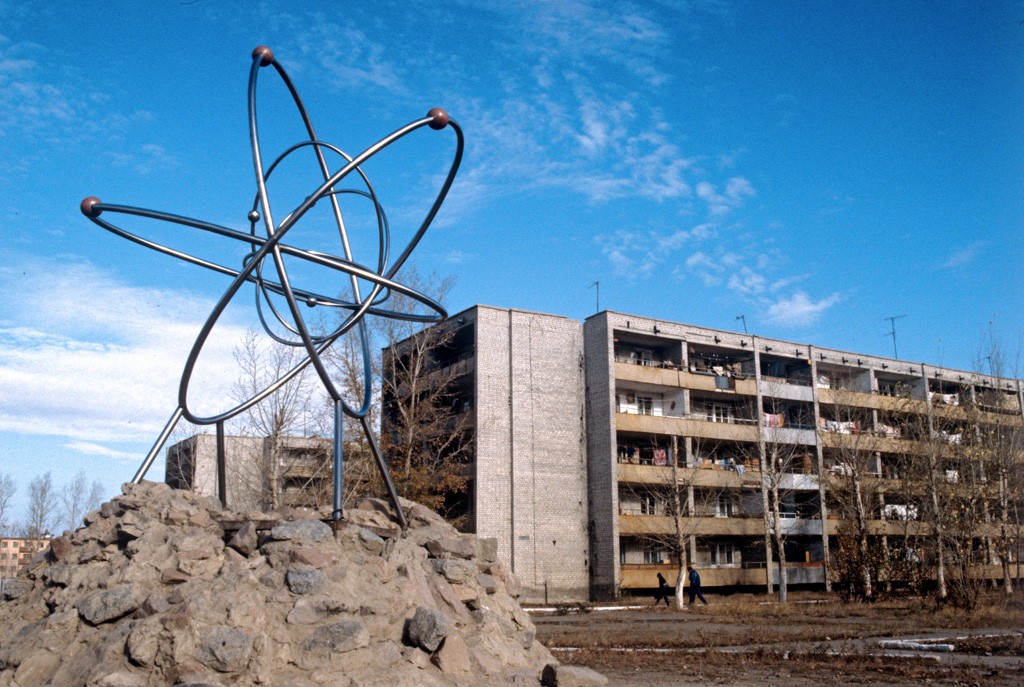
Archive image of Kurchatov, Kazakhstan, with an atom monument and Soviet-era apartment blocks
One of those who devoted his life to Kurchatov was Vladimir Dmitropavlenko. He arrived in 1973 after graduating from the Moscow Aviation Institute to help build a test stand for nuclear reactor engines.
“The Americans had already carried out the first tests of such an engine, while in the USSR it existed only on paper. We created the Baikal test stand, where the Soviet prototype was tested for the first time. The facility still stands. The National Nuclear Center of Kazakhstan has two reactors: one is inactive, and the other is ours, the one we built,” he recalls.
Dmitropavlenko stayed in Kurchatov for life. He married there, raised children, and later served as the city’s mayor during the difficult years from 1997 to 2000.
“After the military left, the city was drained of life. Out of 20,000 residents, only about 5,000 remained. The infrastructure was ruined, there was nothing to heat homes with, and winter was approaching. Every day I looked at the boiler house chimney to see if smoke was coming out. If fuel had not arrived, the consequences would have been hard to imagine,” he says.
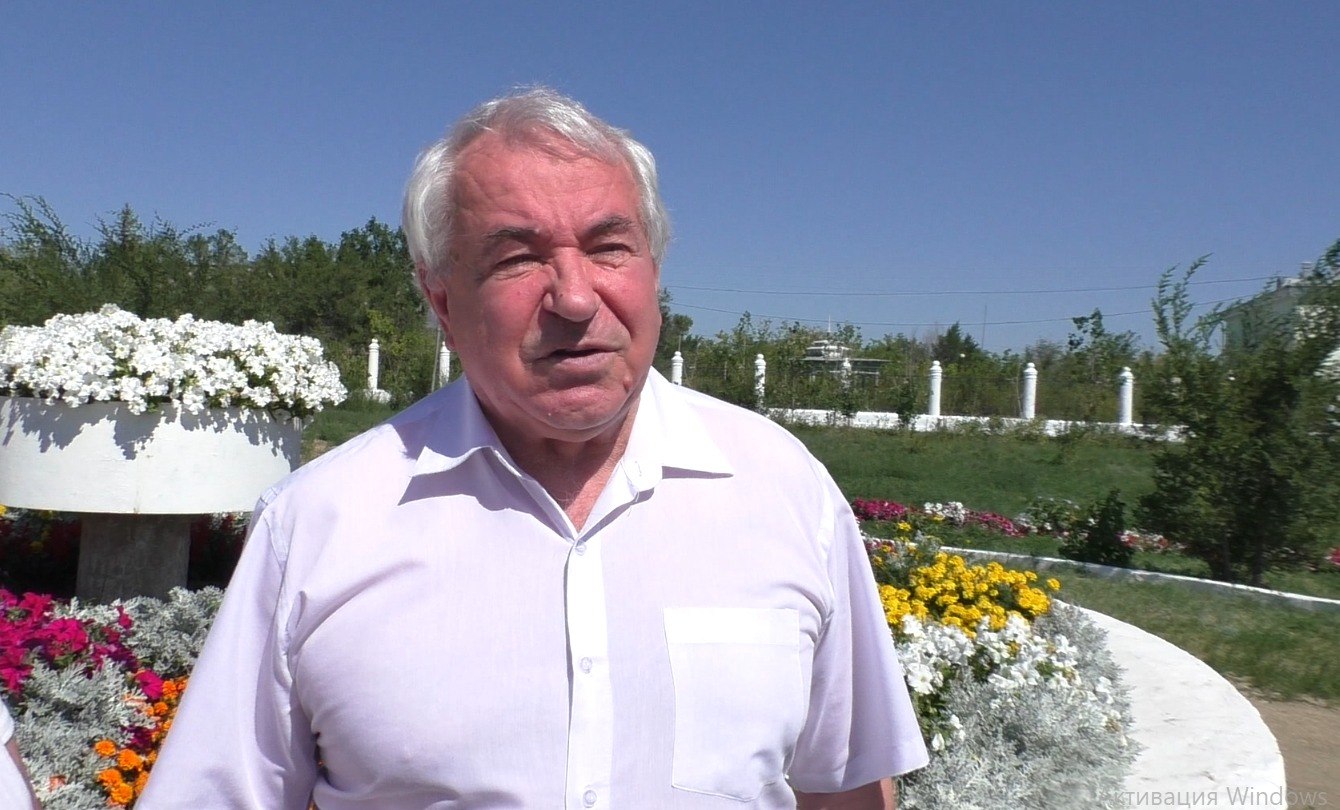
Vladimir Dmitropavlenko; image: TCA
The situation began to change after a visit by former president Nazarbayev. His support, and the decision to create the National Nuclear Center of Kazakhstan, breathed new life into the city. Kurchatov once again became a scientific center rather than an abandoned military settlement.
Among those who stayed was nuclear physicist Vladimir Kotov. After graduating from Tomsk Polytechnic University, he came to Kurchatov to work on energy systems.
“I had the chance to work with outstanding people. Anatoly Alexandrov, for example, signed one of our papers. We created a prototype reactor for a nuclear rocket engine intended for space. And it is still operational,” Kotov says.
Kotov believes the creation of the test site was a historical necessity.
“It was a harsh but inevitable step at the time. Without it, the country could not have defended itself. And Nazarbayev’s decision to close the site after the collapse of the Soviet Union was wise and timely,” he reflects.
Now retired, Kotov continues to work. His projects focus on reducing uranium consumption and developing solar energy technologies for space missions.
Kotov regrets the changes in the role of science in society.
“In the past, young people aspired to work in laboratories. Today they want beauty salons or trade. We had one young woman who brilliantly calculated neutron-physics models, but then she left. Now she does eyelashes. She says she earns more. Unfortunately, that’s our modern reality,” Kotov says.
The closure of the Semipalatinsk test site marked not an end, but the beginning of a new chapter. In 1992, the National Nuclear Center of Kazakhstan was established in Kurchatov, with the mission of redirecting the region’s scientific potential toward peaceful work.
Its main tasks include studying the safe use of atomic energy, conducting environmental research, and assessing the condition of sites remaining on the former testing ground.
Today, the center’s institutes carry out crucial work: monitoring radiation levels, assessing land contamination, and determining which areas are safe for economic activity.
“Comprehensive studies that began in the 1990s are now nearing completion. We can already say with confidence that the areas where the testing grounds were located remain dangerous. Radiation levels there are still high. But the surrounding territories, on the contrary, show normal background levels and can be used for agriculture and other activities,” says Almira Aidarkhanova, head of the Environmental Monitoring Systems Development Department at the National Nuclear Center.
More than thirty years have passed since the explosions fell silent. Life in Kurchatov has not stopped; it has changed. The atom, once used for military power, now serves scientific and environmental purposes.
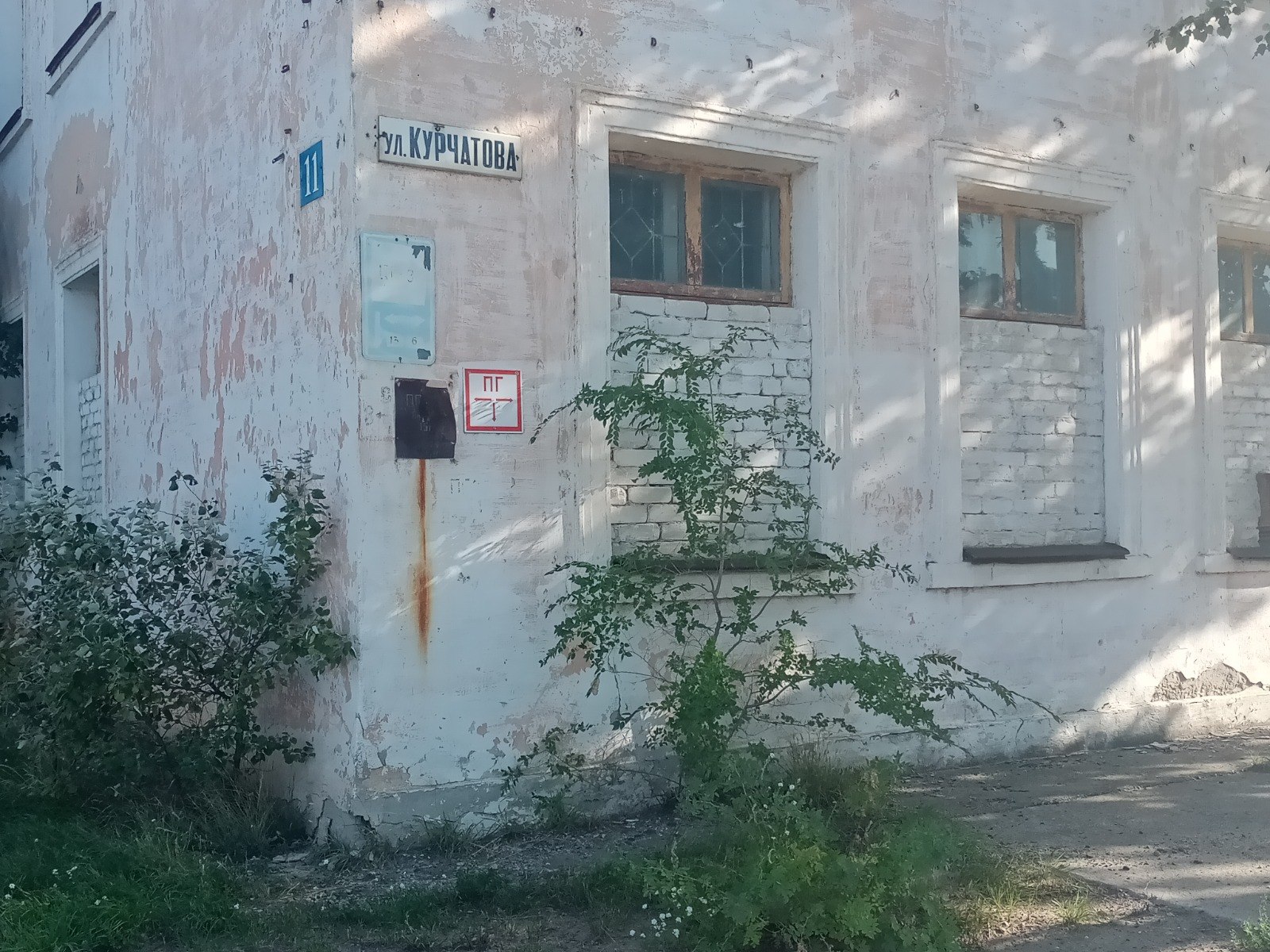
Image: ТСА, Yulia Chernyavskaya
The city itself is changing too. Once filled with military personnel and scientists, Kurchatov went through years of hardship but is gradually reviving. Traces of the past remain visible: empty apartment blocks that once housed specialists, horses roaming calmly through the streets, and buildings that have lost some of their former shine. But these are also marks of history.
Today, Kurchatov surprises visitors with its silence and calm. One can walk across the entire city in less than half an hour without seeing a single police officer; locals say there is simply no crime. Instead, there are friendly, open people living at an unhurried pace, surrounded by silence, steppe winds, and memories of the time when the fate of the atomic age was decided here.
The test site has fallen silent, but science has not. The energy that once destroyed has become a source of knowledge, development, and hope for a safer future.