Citing three industry sources, on July 21 Reuters said the Caspian Pipeline Consortium had stopped accepting crude from Kazakhstan after tanker attacks halted Black Sea loadings. Two of the sources said the terminal’s storage tanks were full. CPC has so far declined to comment.
The stoppage marks a sharper disruption than the loading suspension announced on July 20. LSEG ship-tracking data showed that at least two tankers due to collect crude changed direction. Chevron owns 15% of CPC, while ExxonMobil is also a shareholder through Mobil Caspian Pipeline Company. Chevron told Reuters that “Chevron continues to monitor the situation at CPC. The safety and security of personnel remain our top priority.”
ASIA was one of the tankers struck before loadings were suspended. It was hit on July 19 while loading Tengizchevroil crude at the CPC terminal.
Following the attack on ASIA, a Chevron spokesperson told The Times of Central Asia: “Chevron is aware of reports of an incident involving a vessel loading at Caspian Pipeline Consortium facilities near Novorossiysk. All crew are safe, and the vessel remains stable. The vessel has been moved to a safe anchorage, and we are coordinating with the ship operator and relevant authorities. There has been no impact to TCO operations or exports. Further questions regarding CPC operations should be directed to CPC.”
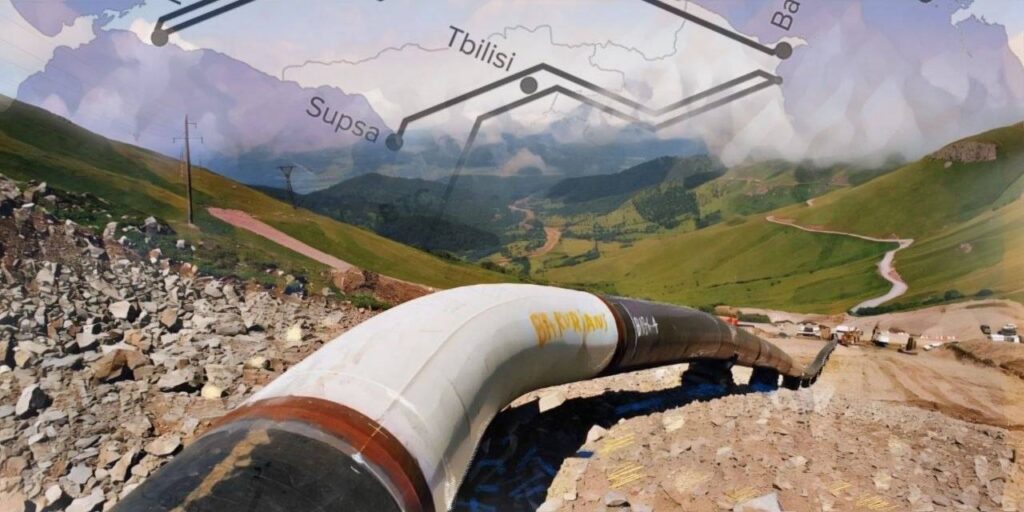
As of early July 22, no producer had announced new output cuts in response to the CPC halt. The intake stoppage nevertheless removes the main export outlet for crude from Tengiz, Kashagan, and Karachaganak. The 1,510-kilometer pipeline carries oil from western Kazakhstan to the terminal near Novorossiysk. Terminal tanks normally buffer crude flows before tankers load offshore, but once they are full, the system has little room to receive additional oil.
A prolonged shutdown could force producers to reduce output. Kazakhstan has not confirmed such reductions. CPC oil supplies fell 7% from May to 1.699 million barrels a day in June. Reuters linked the fall to a late-May accident at Tengiz and lower Russian volumes. The route handles about 80% of Kazakhstan’s oil exports and almost 2% of global oil supply.
The latest halt followed attacks on four tankers over four days. Nordic Zenith was hit on July 17 while approaching the terminal empty. ASIA and NISSOS IOS were struck on July 19 while loading Kazakh crude. NISSOS IOS was loading crude from Kashagan B.V. and Maten.
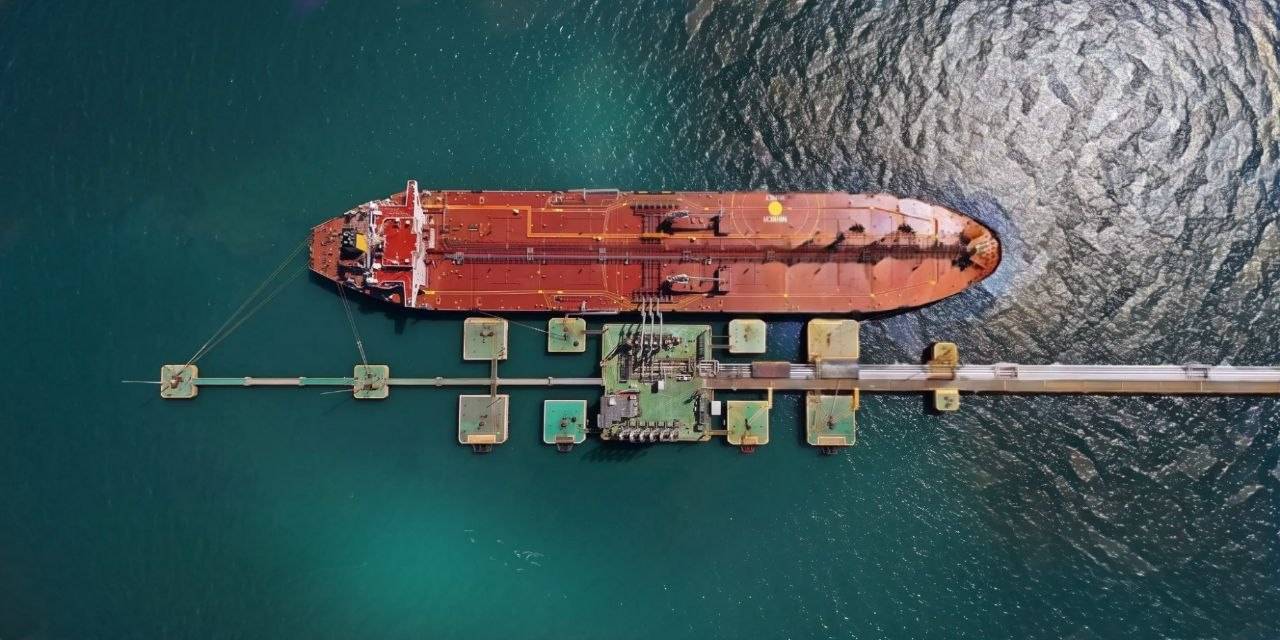
Loadings briefly resumed that evening. A drone then struck NELSA at SPM-1 on July 20. A fire broke out on deck and in several compartments. CPC evacuated 20 of the ship’s 22 crew members by tugboat, while the captain and chief officer remained aboard. The tanker stayed afloat; no casualties or oil spill were recorded, and the crude in its cargo tanks did not ignite. The NELSA was carrying Russian Urals crude, according to S&P Global shipping data.
CPC then suspended oil loading. Kazakhstan’s Energy Ministry said it remained in contact with the consortium while specialists assessed the vessel and the consequences of the strike.
Kazakhstan has treated the attacks as a threat to its own exports and commercial partners. The Foreign Ministry said an agreed information-sharing system for civilian vessels had been ignored. “Kazakhstan demands an immediate halt to these attacks,” it said. The ministry reserved the right to seek compensation under international law.
Responsibility for the attacks remains disputed. Russia has accused Ukraine of targeting CPC tankers. CPC has not publicly named an attacker. Ukraine’s ambassador to Kazakhstan, Victor Mayko, told The Times of Central Asia: “As of today, there is no evidence whatsoever that the attacks in question were carried out by the Ukrainian side.”
Washington had previously warned Kyiv about damage to U.S. interests linked to CPC. In February, Ukraine’s ambassador to the United States, Olha Stefanishyna, said the State Department delivered a formal démarche after a Ukrainian strike on Novorossiysk in November 2025. She said the strike had affected U.S. and Kazakh economic interests and that the warning did not ask Ukraine to stop attacks on Russian military or energy infrastructure. Washington renewed that warning after the latest attacks. On July 21, a White House official said the Trump administration had urged Kyiv to curb strikes on non-Russian ships after attacks near Novorossiysk disrupted CPC operations.
Ukraine’s General Staff said on July 19 that its forces had struck two tankers in the Black Sea. It described them as vessels used to transport Russian oil, petroleum products, and fuel for Russia’s armed forces. The statement did not name the tankers. CPC separately said ASIA and NISSOS IOS were attacked that day while loading Kazakh crude. S&P Global Commodities at Sea data showed that ASIA was last used to deliver Russian-origin crude in 2023, while NISSOS IOS loaded Russian oil in summer 2025.
Kyiv had set out its broader position on commercial shipping before the latest attacks. In a June 23 letter circulated by the International Maritime Organization, Deputy Prime Minister Oleksii Kuleba said Ukraine remained committed to freedom of navigation and safe maritime trade. The letter argued that vessels transporting Russian crude helped sustain Moscow’s war effort and questioned whether their activity could be regarded solely as ordinary commerce.
The latest disruption follows a series of blows to the route since late 2025. The November 29 strike damaged SPM-2, and tankers awaiting CPC cargoes were attacked again in January. Kazakhstan redirected about 300,000 tons of crude in December 2025 after CPC limited intake. It used routes to Germany, China, and the Baku-Tbilisi-Ceyhan pipeline.
Kazakhstan shipped 1.3 million tons through Aktau and the Baku-Tbilisi-Ceyhan pipeline in 2025 and expects 1.6 million tons in 2026. China received about 1.1 million tons in 2025. These routes give producers some flexibility, but their capacity remains far below CPC’s scale.
The immediate risk is now inland. If tanker calls do not resume, storage constraints will move back through the pipeline toward Kazakhstan’s largest fields. The margin for avoiding new production cuts will keep shrinking while CPC remains unable to accept crude.