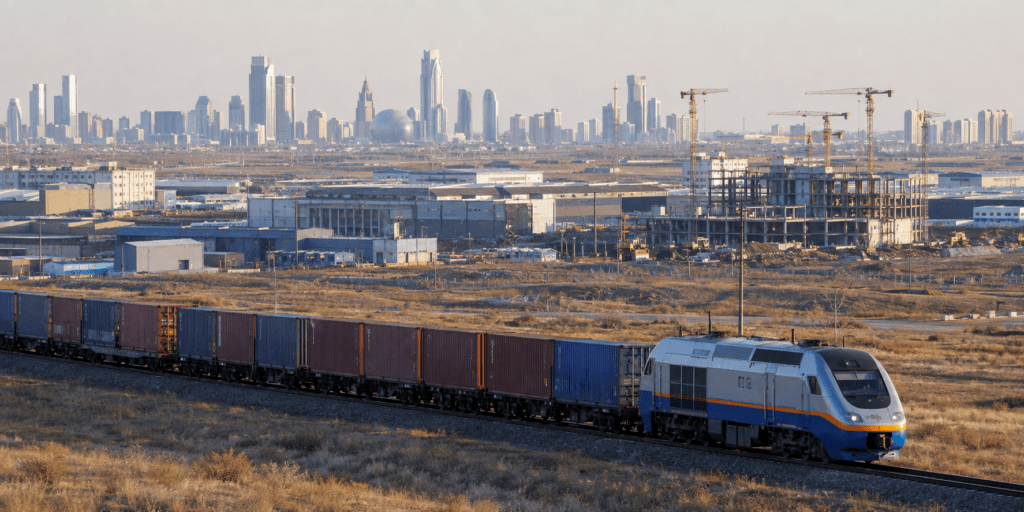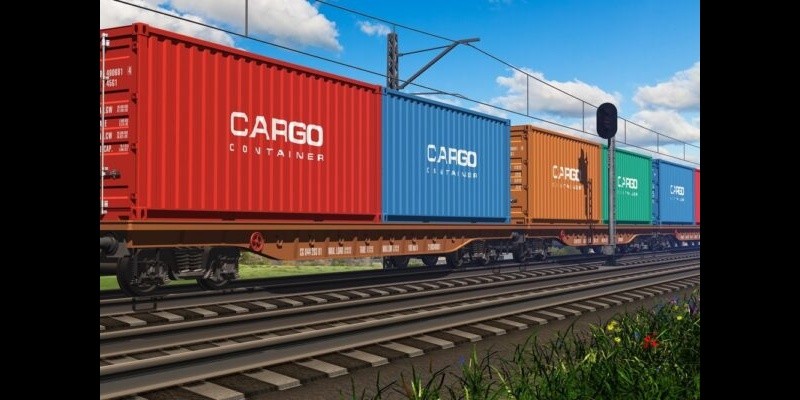
The Middle Corridor has spent the past several years attracting freight away from longer or politically sensitive routes between Asia and Europe. Now its operators must make it function as a single, reliable corridor.
“Reducing transit time is achieved not through a single solution, but through the consistent modernization of all key links along the route, from ports and terminals to railway infrastructure and digital tools,” Nurgul Zhakupova, Secretary General of the International Association “Trans-Caspian International Transport Route,” told The Times of Central Asia.

Nurgul Zhakupova, Secretary General of TITR. Image courtesy of the subject
Known internationally as the Middle Corridor, the Trans-Caspian International Transport Route (TITR) connects China with Europe through Kazakhstan, the Caspian Sea, Azerbaijan, and Georgia, with onward connections through Turkey. Freight traffic has risen sharply since Russia’s invasion of Ukraine increased demand for routes bypassing Russia. According to official figures, container traffic grew by 36% in 2025 to around 77,000 TEUs, although total freight volume slipped to about 4.12 million tons from 4.48 million tons in 2024.
The World Bank estimates that freight volumes along the Middle Corridor could triple and transit times could be halved by 2030 if the necessary investments and reforms are made.
The European Union and international financial institutions have meanwhile committed to mobilizing €10 billion for sustainable transport connectivity in Central Asia, with the aim of developing a route capable of linking Central Asia and Europe in around 15 days.
For Zhakupova, that means tackling bottlenecks across several countries at the same time. Building a faster railway in Kazakhstan achieves little if cargo then waits for a ship on the Caspian, becomes stuck at a border, or encounters another congested section farther west.
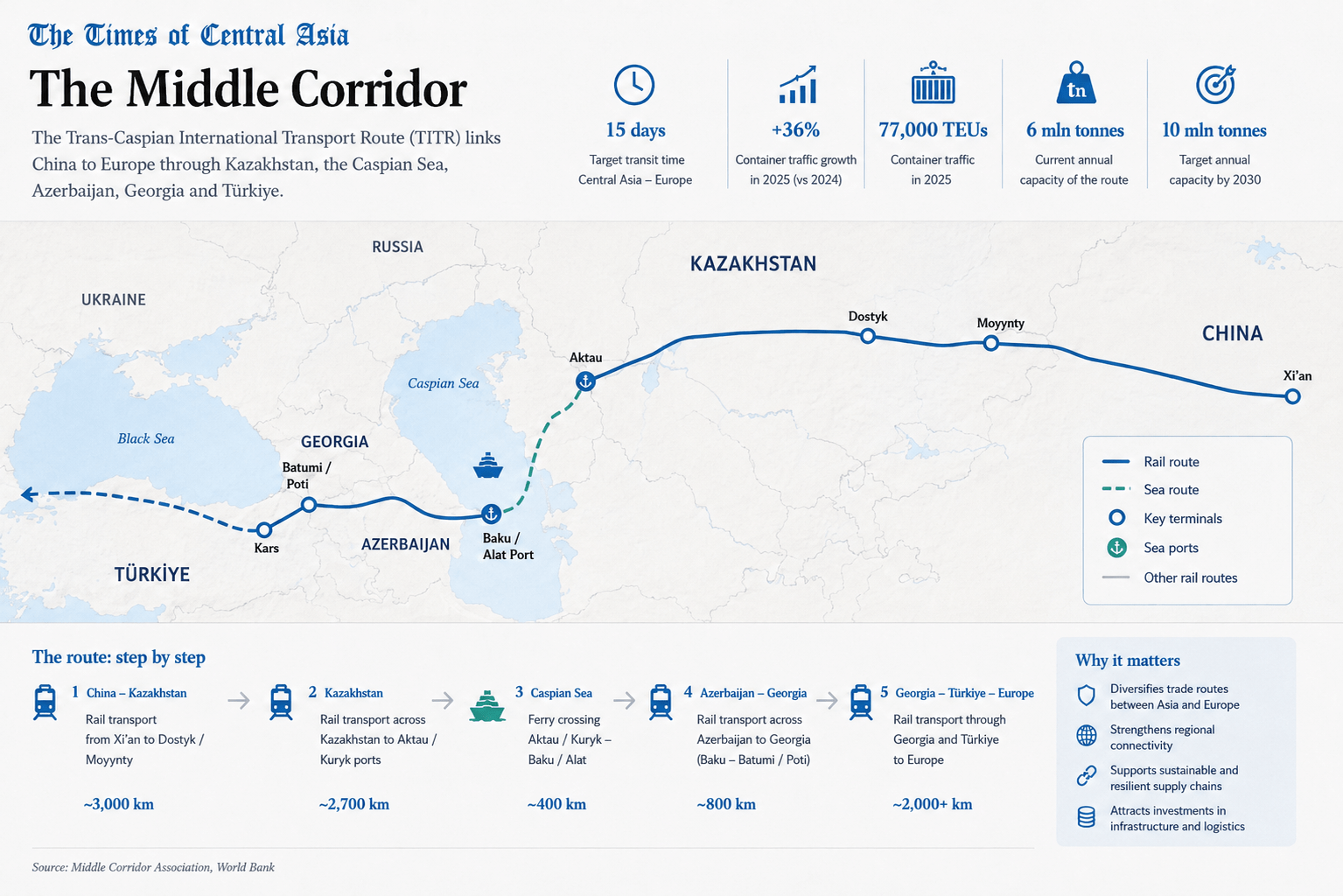
Infographic: TCA
Infrastructure Races to Catch Up
One immediate challenge is expanding infrastructure fast enough to accommodate container traffic and anticipated future freight growth.
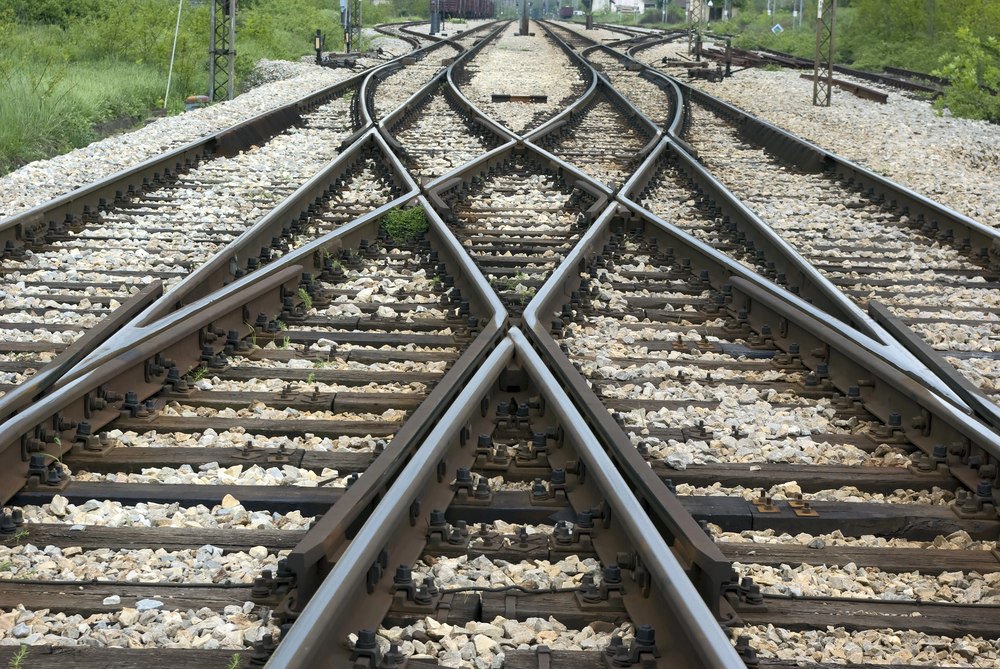
Kazakhstan launched the second Dostyk-Moyynty railway line and the Almaty bypass in 2025. Construction of the Moyynty-Kyzylzhar line and modernization of other sections are continuing. The Dostyk-Moyynty project alone stretches 836 kilometers and is expected to substantially increase rail capacity on the China-Kazakhstan axis.
One of the Middle Corridor’s most difficult bottlenecks is not on land, but on the Caspian Sea. Growing traffic requires more vessels, while falling water levels and adverse weather complicate port and shipping operations.
KTZ Express plans to acquire six multipurpose dry cargo container vessels: four are to be built by China’s Jiangsu Haizhongzhou Shipping Industry and two by the Baku Shipyard. Kazmortransflot is building two container vessels in partnership with Abu Dhabi Ports Group, while Azerbaijan is also considering expanding its fleet with ferries and roll-on/roll-off vessels for wheeled cargo.
“Additional limiting factors remain the falling level of the Caspian Sea and adverse weather conditions. In this regard, a range of measures is also being implemented at the ports of Aktau, Baku, and Kuryk to minimize the impact of these factors on the stability of transportation,” Zhakupova told TCA.
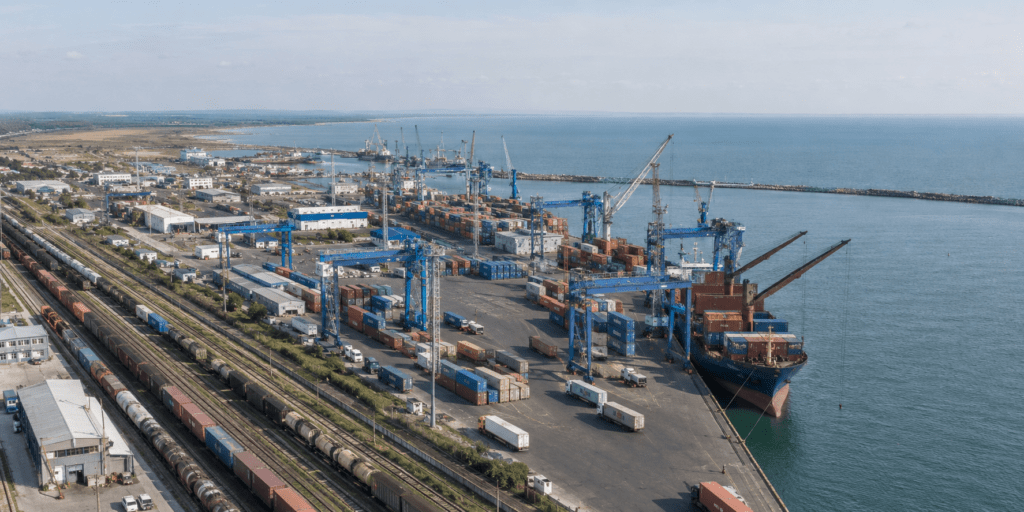
In Kuryk, modernization of ferry ramps has reduced railway ferry handling time from 18 to 12 hours and increased maximum capacity from 40 to 48 railcars.
The first phase of Aktau’s new container hub, with an annual capacity of 140,000 TEUs, has also begun operations. The combined capacity of the Aktau and Kuryk port infrastructure is around 22 million tons a year. Between 2022 and 2025, container transit along the TITR through Kazakhstan’s ports increased 3.8-fold.
But upgrading Kazakhstan’s section alone cannot solve the problem. Freight has to move without major delays through the ports, railways, and borders of several countries.
On the opposite shore of the Caspian, the second phase of the Port of Baku is under development, while dry cargo berths and port railway stations are being expanded. In Georgia, modernization of the Tbilisi-Makhinjauri main line has increased network capacity from 27 million to 48 million tons annually.
The Baku-Tbilisi-Kars railway entered full-scale operation on June 2, 2026, following years of limited operation, raising its planned annual freight capacity from 1 million to 5 million tons. Turkey is also modernizing the Divriği-Kars-Georgia border railway, with the aim of increasing its capacity to 20 million tons a year.
Tackling Border Bottlenecks
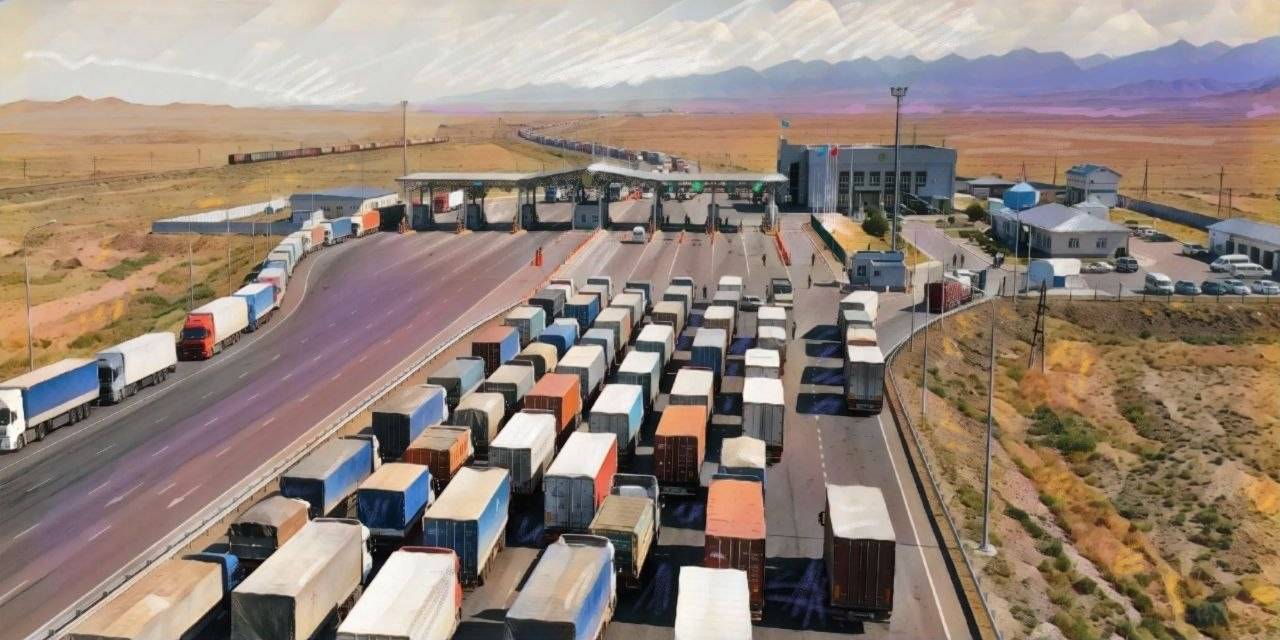
Even a new railway delivers limited benefits if trains spend hours waiting for clearance at borders. For a corridor crossing several countries, compatibility between customs and information systems is becoming almost as important as new tracks and terminals.
According to Zhakupova, the association and Global DTC are developing the Seamless Corridor platform for electronic document exchange and real-time cargo tracking.
One such tool is already in use. Tez Customs was introduced for Middle Corridor transit at the China-Kazakhstan border in 2024. The platform shifted customs transit procedures to a paperless system and reduced clearance time to around 30 minutes from the moment a train arrives at the border station.
“For us, digitalization is not a separate technological project, but one of the key tools for improving the competitiveness of the Middle Corridor. Our task is to gradually integrate the information systems of different countries, ensuring the most seamless possible movement of cargo along the entire route,” Zhakupova said.
Kazakhstan and China have also agreed on targets for increasing the number of container trains operating along the TITR. The agreed schedule calls for 600 trains annually in 2025-2026, 1,000 in 2027, and 2,000 by 2029.
Competing on Price
Cost is another part of the equation. A geographically convenient route does not automatically attract freight: shippers compare price, speed, and reliability.
According to Zhakupova, east-west tariffs have remained stable over the past five years. Discounts of 30% to 50% are available for containers traveling in the opposite direction, west to east, in an effort to increase backhaul traffic and make more efficient use of transport capacity.
“For us, it is important to maintain a balance between the interests of the route’s participants and the needs of businesses, so that tariff conditions remain clear, competitive, and as predictable as possible,” Zhakupova said.
The Middle Corridor faces a problem common to any multimodal route: the speed of the entire chain is determined by its slowest link. A train can cross Kazakhstan quickly, but that advantage disappears if a ferry is delayed on the Caspian, a terminal becomes congested, or customs clearance stalls at the next border.
The TITR’s development therefore depends less on individual railways or ports than on synchronizing them. Kazakhstan, Azerbaijan, and Georgia have adopted joint road maps aimed at eliminating bottlenecks along the route.
Zhakupova said closer coordination will determine whether the Middle Corridor can expand its role in trade between Asia and Europe. That will require several countries to make their railways, ports, shipping fleets, customs systems, and digital platforms operate as parts of a single route.