• KGS/USD = 0.01144 0%
  • KZT/USD = 0.00211 0%
  • TJS/USD = 0.10454 -0.1%
  • UZS/USD = 0.00008 0%
  • TMT/USD = 0.28571 0.28%
  • KGS/USD = 0.01144 0%
  • KZT/USD = 0.00211 0%
  • TJS/USD = 0.10454 -0.1%
  • UZS/USD = 0.00008 0%
  • TMT/USD = 0.28571 0.28%
  • KGS/USD = 0.01144 0%
  • KZT/USD = 0.00211 0%
  • TJS/USD = 0.10454 -0.1%
  • UZS/USD = 0.00008 0%
  • TMT/USD = 0.28571 0.28%
  • KGS/USD = 0.01144 0%
  • KZT/USD = 0.00211 0%
  • TJS/USD = 0.10454 -0.1%
  • UZS/USD = 0.00008 0%
  • TMT/USD = 0.28571 0.28%
  • KGS/USD = 0.01144 0%
  • KZT/USD = 0.00211 0%
  • TJS/USD = 0.10454 -0.1%
  • UZS/USD = 0.00008 0%
  • TMT/USD = 0.28571 0.28%
  • KGS/USD = 0.01144 0%
  • KZT/USD = 0.00211 0%
  • TJS/USD = 0.10454 -0.1%
  • UZS/USD = 0.00008 0%
  • TMT/USD = 0.28571 0.28%
  • KGS/USD = 0.01144 0%
  • KZT/USD = 0.00211 0%
  • TJS/USD = 0.10454 -0.1%
  • UZS/USD = 0.00008 0%
  • TMT/USD = 0.28571 0.28%
  • KGS/USD = 0.01144 0%
  • KZT/USD = 0.00211 0%
  • TJS/USD = 0.10454 -0.1%
  • UZS/USD = 0.00008 0%
  • TMT/USD = 0.28571 0.28%

Junda Oil Refinery Modernization in Kyrgyzstan Set for Completion by August 2026

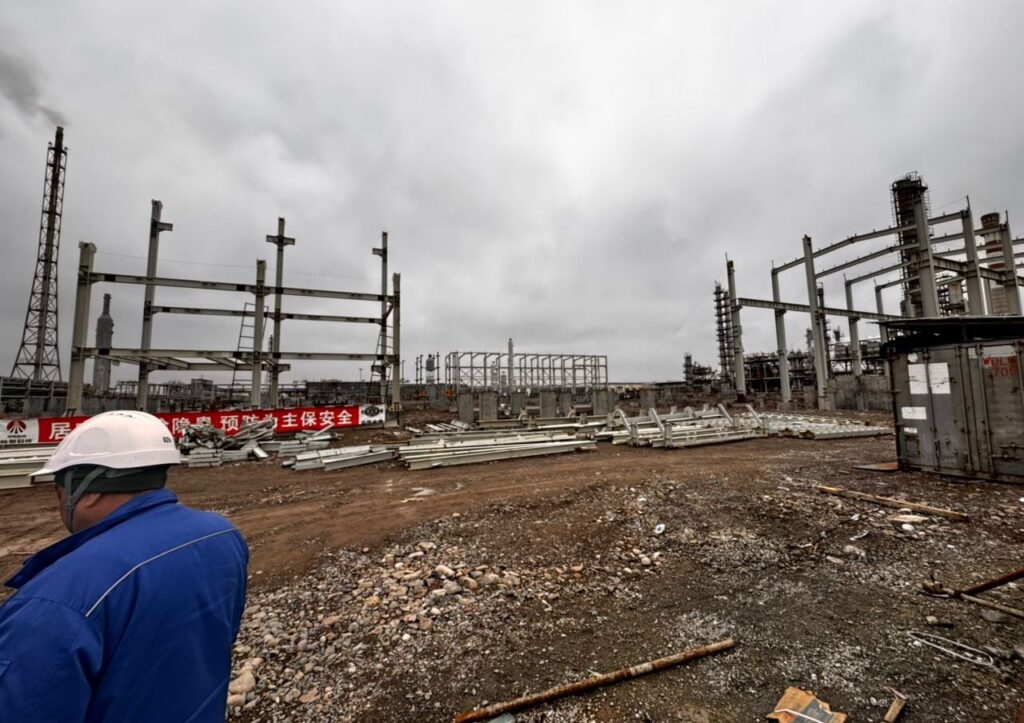
Kyrgyzstan’s largest oil refining facility, the Junda (Zhongda) refinery in the town of Kara-Balta, approximately 60 kilometers west of Bishkek, is undergoing a major modernization project scheduled for completion by July 31, 2026. The $193.75 million upgrade is expected to increase domestic fuel production and strengthen the country’s energy security.

On March 2, a delegation from the National Investment Agency of Kyrgyzstan, the Ministry of Economy and Commerce, and the Kara-Balta municipality visited the refinery to monitor implementation of the investment agreement signed in July 2024 with China Petrol Company Zhongda LLC.

Owned by a Chinese investor, the refinery has an annual crude processing capacity of 800,000 tons, producing gasoline, diesel fuel, and liquefied petroleum gas. The modernization is intended to upgrade technical infrastructure and improve operational efficiency.

Government representatives have emphasized the project’s importance for industrial development, job creation, and reducing Kyrgyzstan’s reliance on imported fuel.

If completed on schedule, the refinery could potentially cover between 50% and 70% of Kyrgyzstan’s domestic demand for motor fuel. This would represent a significant shift for a country that currently depends heavily on imports.

At present, local refining capacity reportedly meets only about 5% of domestic fuel demand. Kyrgyzstan consumes approximately 1.6 million tons of motor fuel annually, more than 90% of which is imported from Russia.

A key constraint remains the refinery’s dependence on imported crude oil. Authorities are seeking to diversify supply routes, including potential deliveries from Azerbaijan and other oil-producing countries.

Originally commissioned in 2014, the refinery was shut down in February 2020 for extensive repairs and modernization that lasted four years. Operations resumed in August 2024.

The facility has faced public scrutiny over environmental concerns. Residents of Kara-Balta have complained about air pollution, resulting in fines for emissions violations. The refinery has also been accused of damaging ancient burial mounds, prompting criticism from cultural heritage advocates.

The modernization positions the Kara-Balta refinery as a strategic industrial asset in Kyrgyzstan’s efforts to enhance energy security. However, its long-term viability will depend on securing stable crude oil supplies and addressing environmental risks.

If successful, the project could reduce Kyrgyzstan’s fuel import bill and mark a significant step toward greater energy independence.

Asian Development Bank to Invest $5.5 Billion in 15 Projects in Kazakhstan by 2029

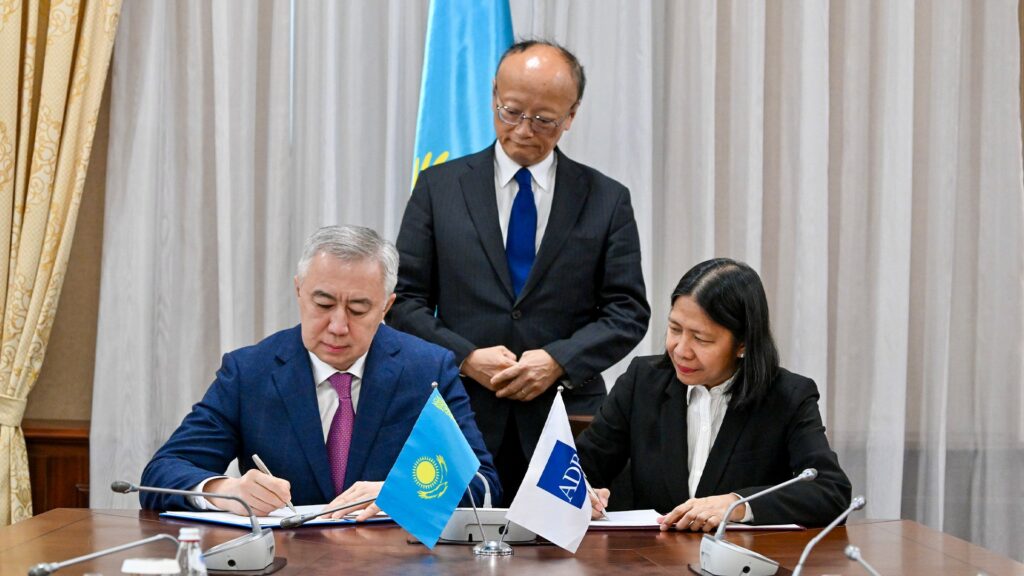
Kazakhstan’s government and the Asian Development Bank (ADB) have signed a memorandum of understanding to implement 15 major projects worth approximately $5.5 billion in the period 2026-2029. The initiatives, focused on infrastructure, digitalization, and sustainable development, aim to strengthen the country’s transit capacity and investment appeal.

According to an official statement, the memorandum lays the groundwork for large-scale projects in regional connectivity, disaster resilience, water resource management, modernization of housing and utilities infrastructure, and housing market development. ADB will also continue financing private-sector initiatives, including projects in agriculture, transport, and logistics.

Priority areas include transport and logistics infrastructure, emergency response systems, digital technology development, and green finance. The parties also highlighted potential cooperation in artificial intelligence, the construction of data centers, the expansion of fiber-optic backbone networks, and the digitalization of transport corridors and customs procedures.

One of the first concrete steps under the agreement is a project between KazAutoZhol JSC and the ADB to construct a 102-kilometer bypass road around the town of Saryagash in the Turkestan region. The new road is expected to enhance road safety, accelerate freight and passenger transport, and strengthen trade links between Kazakhstan and Uzbekistan.

The parties also reviewed progress on a public-private partnership project to build a 300-bed university hospital in Karaganda. The planned medical cluster will combine professional training and scientific research, with subsequent integration of innovations into practical healthcare.

ADB President Masato Kanda noted Kazakhstan’s progress in structural reforms, including measures to enhance financial sector stability, and reaffirmed the bank’s interest in supporting the country’s digital transformation.

Earlier, ADB initiated a project to develop a shorter road route from Almaty to Lake Issyk-Kul in Kyrgyzstan. The new route is expected to reduce travel time by nearly half, strengthening tourism and trade connectivity between the two countries.

UK Expands Strategic Engagement in Central Asia Amid Growing Global Competition

The world’s largest economies have recently increased their focus on Central Asia. The United Kingdom, alongside the U.S., the European Union, and China, is seeking to strengthen partnerships in a region that was previously not among its top foreign policy priorities.

Britain Replicates an Established Format

Throughout the years of independence, Kazakhstan and its regional neighbors were often perceived as operating within Russia’s sphere of influence. The war in Ukraine and broader geopolitical shifts have altered international attitudes toward Central Asia.

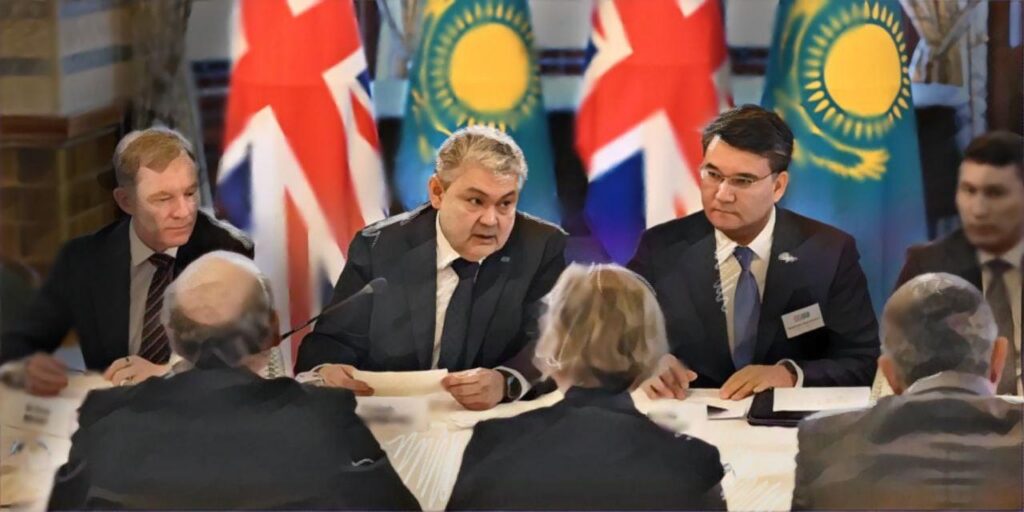
Major powers are now intensifying dialogue with the region, with particular emphasis on economic cooperation. At the end of February, foreign ministers met in London under the Central Asia-UK (CA5+1) format. Although this was the first meeting of its kind in the British capital, the format mirrors similar mechanisms already used by the U.S., the European Union, Russia, China, and Japan.

Participants noted that the CA5+1 format has proven to be an effective mechanism for structured and substantive engagement with external partners. The regional agenda is addressed comprehensively, reflecting Central Asian priorities while creating additional opportunities to advance economic initiatives and implement joint projects.

Particular attention has been paid to trade diversification, industrial cooperation, sustainable infrastructure development, and unlocking Central Asia’s potential in critical minerals and renewable energy.

The meeting also covered economic growth prospects, key challenges facing Central Asian economies, and the expansion of trade and investment. Logistics was a central topic, including the development of the Trans-Caspian International Transport Route, widely known as the Middle Corridor.

British Foreign Secretary Yvette Cooper emphasized the strategic importance of Central Asia as a dynamically developing region characterized by sustained economic growth, expanding regional cooperation, and a growing role in international affairs. According to the British participants, the region’s countries are pursuing a pragmatic approach, strengthening connectivity and expanding their participation in shaping a modern architecture of economic and political cooperation.

Education and Finance

Interest in British education continues to grow across all five Central Asian countries. Four branches of British universities are operating in Kazakhstan, and nearly 6,000 students have earned British degrees through the Bolashak international scholarship program.

Uzbekistan and Kyrgyzstan have announced plans to establish international financial centers modeled on the Astana International Financial Centre in Kazakhstan. British Ambassador to Uzbekistan Timothy Smart said that work is underway to create an international financial center in Tashkent based on international arbitration standards. Like the Astana model, the new center will operate under English common law.

British Ambassador to Kyrgyzstan Nicholas Bowler highlighted London’s role in assisting with legislation for the International Dispute Resolution Center, which will operate under English law and be located in the Issyk-Kul region. Greater participation by Central Asian companies on the London Stock Exchange is also anticipated.

Logistics and Resources

British diplomats have placed particular emphasis on cooperation in critical minerals, a priority within the United Kingdom’s global strategy. Projects are underway across the region, accompanied by new agreements and industrial partnerships.

Agreements have reportedly been reached between the Kazakh producer Zhezkazganredmet and the British company Maritime House to produce rhenium and introduce technologies for extracting rare and rare-earth metals at the Zhezkazganredmet facility, according to the Kazakh government. However, analysts note that British firms will face competition from the European Union, the U.S., and South Korea for access to Kazakhstan’s mineral resources. Astana has already concluded, or is planning to conclude, contracts with these major consumers in the extraction and processing of critical raw materials.

London has also expressed readiness to support Kazakhstan’s role as a regional transport hub, participate in developing transport corridors and urban planning in Uzbekistan, promote digital services in Tajikistan, and assist in modernizing Turkmenistan’s railway network.

Kazakhstan remains Britain’s largest trading partner in the region. According to Foreign Minister Yermek Kosherbayev, 516 British-owned companies operate in the country. In 2025, bilateral trade reached $1.62 billion, an increase of 83.6% compared with 2024. Trade with Uzbekistan is also expanding steadily.

Geopolitically, Central Asia sits at the intersection of Russia’s, China’s, and the European Union’s strategic interests. The UK is seeking to position itself within this landscape by diversifying economic engagement. In this context, the Middle Corridor has gained particular significance.

The route represents not only an infrastructure project but also an institutional ecosystem requiring legal predictability, digital solutions, insurance mechanisms, arbitration procedures, and transparent financial transactions. Analysts argue that these are areas in which the UK holds comparative advantages.

A Competitive Arena for Global Powers

Journalists working at the BBC argue that Britain will have to compete if it aims to benefit from Central Asia’s growing strategic and economic significance. During the 1990s and 2000s, the five Central Asian countries were largely peripheral to British foreign policy, with limited high-level engagement.

Some British scholars continue to frame the region through the lens of the so-called “Great Game”, the 19th-century rivalry between the Russian and British empires for influence in Central Asia, suggesting that London currently lags behind its competitors.

Following the events of 2001, Central Asia became an important partner for Western countries in counterterrorism efforts due to its proximity to Afghanistan. However, after the Taliban returned to power in August 2021, much of that cooperation was curtailed.

Today, the British government maintains that it must articulate a clear, values-based policy toward Central Asia, not by directly competing with China or Russia, but by offering alternative options to regional leaderships.

Nevertheless, Russia and China continue to hold dominant positions in Central Asia. Russia maintains deep cultural and economic ties and remains involved in numerous transboundary resource projects. China, for its part, has become the leading trading partner for most countries in the region.

Iran War Tests Emerging C5–Azerbaijan Solidarity

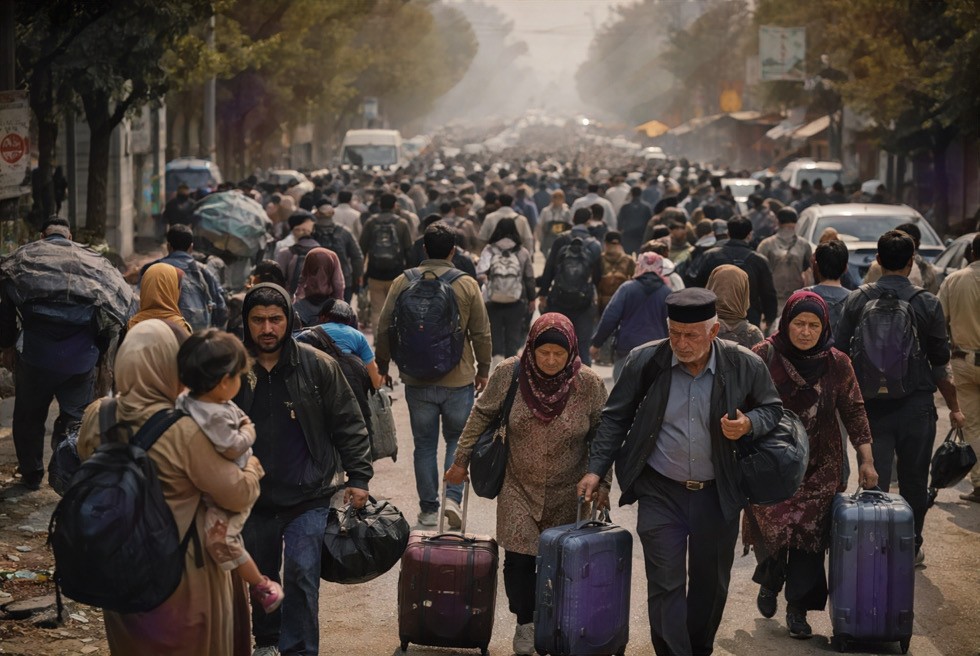
In an effort to coordinate responses to the Mideast conflict, the foreign ministers of the five Central Asian countries, as well as Azerbaijan, have spoken together by telephone about the widening crisis. The call marked one of the clearest signs yet that the Central Asian “C5” format is evolving beyond economic coordination into an operational diplomatic mechanism during external crises. While the group has met frequently in recent years with major partners, direct coordination over a fast-moving conflict on its periphery reflects a shift toward more structured regional crisis management.

The consultation also builds on the expansion last year of the Central Asian consultative format to include Azerbaijan, sometimes referred to as the “C6,” a shift that has increasingly aligned Caspian corridor strategy with regional diplomatic coordination.

“During the conversation, the ministers exchanged detailed views on the evolving military and political situation in the Middle East, noting the importance of maintaining close coordination and prompt interaction amid the crisis,” Kazakhstan’s Ministry of Foreign Affairs said on Monday.

Foreign Minister Yermek Kosherbayev of Kazakhstan thanked his counterparts from Azerbaijan and Turkmenistan, which border Iran, for their help in the evacuations of people fleeing Iranian territory. U.S. and Israeli air strikes have hit targets across Iran, whose military has fired retaliatory waves of missiles and drones at Israel as well as U.S. military facilities and civilian areas in Gulf countries. Azerbaijan’s participation underscores its growing integration into Central Asia’s diplomatic orbit. As a Caspian state bordering Iran and a critical link in the Trans-Caspian International Transport Route, Baku has become an indispensable partner in both evacuation logistics and broader corridor security.

The call reflects growing cohesion among Kazakhstan, Kyrgyzstan, Tajikistan, Turkmenistan, Uzbekistan, and Azerbaijan. The region is seeking more robust trade routes linking Asia and Europe, while maintaining solidarity and balancing relationships with larger powers, including China, Russia, and the United States.

In addition to Kosherbayev, the foreign ministers on the call were Jeyhun Bayramov of Azerbaijan, Jeenbek Kulubaev of Kyrgyzstan, Sirojiddin Muhriddin of Tajikistan, Rashid Meredov of Turkmenistan, and Bakhtiyor Saidov of Uzbekistan.

The ministers said they were committed to political and diplomatic means as a way to solve conflicts.

“At the conclusion of the call, the parties expressed their readiness to continue providing the necessary support in organizing the possible evacuation of citizens, as well as to maintain close working contacts through the foreign ministries,” the statement from Kazakhstan stated.

Notably, the ministers’ language avoided assigning blame or aligning with any side in the conflict, instead emphasizing diplomacy and stability. That careful wording reflects the region’s longstanding strategy of balancing relations with Washington, Moscow, Beijing, and regional powers without being drawn into geopolitical confrontation.

Psychological Support in Kazakhstan: Growing Demand, Changing Stigma, and the State’s Move Toward Regulation

Just a few years ago, conversations about psychotherapy in Kazakhstan were conducted in hushed tones, as if acknowledging “weakness” or personal failure. Today, mental health is gradually entering the public sphere: teenagers seek support, parents attend training sessions, and adults increasingly view therapy as a practical tool for emotional self-regulation. 

Alongside this cultural shift, the support infrastructure is expanding. At the same time, the state’s role is growing, with authorities publicly emphasizing quality control, from creating a registry of specialists and setting educational requirements to introducing digital tools for early risk detection in children.

Normalization as a New Stage

The most significant change in recent years has been in public perception. Psychotherapy is increasingly regarded not as a “last resort,” but as a routine service, comparable to consulting a doctor or lawyer, but focused on emotions and behavior. Seeking professional help is gradually ceasing to signal a crisis and is becoming part of everyday self-care.

This shift has been gradual. For many years, the psychological support market developed spontaneously through private practice and online consultations, without unified standards or regulatory oversight. At the same time, public attitudes evolved from caution and stigma in the post-Soviet period to a more pragmatic and open approach to mental health.

Changes are particularly visible where access to support has become less accessible. On December 1, 2024, schools introduced a system of anonymous text appeals via QR codes. By February 2025, 25,000 messages from teenagers had been recorded.

Similar dynamics are observed at the “111” contact center. While 17,000 calls from children were received in 2024, since the beginning of 2025, 110,999 appeals have been registered, most submitted via QR codes.

The increase in these figures reflects not only the scale of existing problems but also a lower threshold for seeking help. When support is accessible anonymously and quickly, teenagers are more likely to take the first step. Simplified access is becoming a key driver behind the emerging “normalization” of psychological assistance.

Statistics and Personal Experience: Changing Attitudes Toward Therapy

Growing demand for psychological support reflects broader social pressures and the prevalence of mental health conditions. According to the World Health Organization, globally, depression affects approximately 4% of the population, with regional variations.

Kazakhstani analytical publications referencing international comparisons have cited comparable or slightly higher estimates, suggesting that depressive disorders may affect up to 4.4% of the population, approximately 732,700 people nationwide.

System capacity indicators also highlight pressure on services. Data from mental health centers indicate that more than 300,000 individuals are registered in such institutions. Public statements have drawn attention to staffing shortages among psychiatrists, psychologists, and social workers. Official workload standards reportedly provide for one psychiatrist (including narcology specialists) per 20,000 registered residents and one child psychiatrist, psychotherapist, psychologist, or social worker per 60,000 people.

Children represent a particularly sensitive category. According to data from the Ministry of Health published by Kazinform, 204,408 people are registered with mental disorders (excluding psychoactive substance use), including 44,781 minors. A diagnosis of schizophrenia is recorded for 39,334 individuals, including 301 children. In 2024, child psychiatry infrastructure comprised 613 specialized beds nationwide, 573 in 20 regional mental health centers, and 40 at the national level.

These statistics primarily reflect the severe medical segment of mental health care, where resource constraints are most acute. At the same time, a parallel segment exists: individuals seeking psychologists not due to formal diagnoses, but because of stress, burnout, or family conflict.

Interviews with clients illustrate shifting attitudes.

Sanzhar Uvashev, 24, a marketer from Almaty, says he first consulted a specialist after experiencing severe burnout:

“Before, it seemed like you only go to a psychologist if something is ‘really serious.’ But when I realized I couldn’t cope with anxiety and insomnia, I decided to try. In my circle, no one is surprised anymore; they rather ask for contacts.”

Altair Ospanov, 28, an entrepreneur from Astana, describes overcoming an internal barrier “as if it were a weakness. It felt like I had to cope on my own: business, responsibility, decisions, everything was on me. At some point, I realized the fatigue was accumulating, and my thoughts were going in circles.”

He adds that the experience proved practical rather than dramatic: “I’m used to investing in business development: training, consultations, strategies. And I realized a psychologist is roughly in the same category. It’s an investment in yourself and your resilience.”

Valeria Kuznetsova, 22, a student from Astana, sought help after relocating:

“It was hard to adapt; I felt lonely. A friend said it’s normal to see a specialist and just talk. I didn’t feel any stigma. On the contrary, it became easier.”

These accounts do not negate systemic challenges, but they illustrate a broader trend: for part of the urban population, seeking psychological support is no longer taboo. Alongside concerning medical statistics, preventive and supportive psychology is gradually becoming part of everyday life.

The State Changes the Rules: Registry, Licensing, and Digital Prevention

As demand for psychological services grows, so does the question of standards and trust: who provides these services, and under what qualifications?

In 2025, proposals to introduce licensing for coaches and psychologists were actively debated. Some members of the professional community supported stricter standards to reduce unqualified practice, while others warned against excessive bureaucracy.

At the beginning of 2026, the discussion entered the legislative phase. The Mazhilis (Kazakh parliament) began reviewing a draft law on psychological assistance, with the creation of a state registry of psychologists as one of its key components.

According to publicly reported provisions, entry into the profession would require profile education, professional retraining, and confirmation of qualifications. One description of the draft law states that psychological assistance could be provided by individuals with higher and/or postgraduate pedagogical or medical education who have completed at least 900 hours of retraining and are included in the state registry. A transitional period is reportedly under discussion for practicing specialists to formalize their credentials.

The draft also outlines ethical standards and client interaction procedures. Informed consent must be obtained before services begin, and separate permission would be required for audio or video recording of sessions. The reform’s stated aim is to limit market access for individuals lacking proper training and to enhance transparency through a unified registry.

Particular attention is paid to the online segment, where consultations via social networks have become widespread. Regulators argue that increased digital activity, especially among children and adolescents, necessitates clearer standards and oversight.

Simultaneously, the state is investing in digital prevention tools within the public system. In January 2026, reports announced the creation of a unified digital platform for psychological diagnostics and support for children. The system is designed for early identification of psychological and behavioral risks, longitudinal monitoring, and coordinated care pathways without duplication across agencies.

The platform is linked to the national Child Protection Concept for 2026-2030, described at the governmental level as a comprehensive framework integrating existing tools, including the “111” contact center and psychological support centers, with new mechanisms such as additional assistance offices and the introduction of a dedicated “school psychologist hour.”

Overall, the state appears to be shifting from reactive measures toward a more structured system: professional regulation through registries and educational requirements; organizational coordination through institutional networks; and digital prevention through monitoring platforms.

The effectiveness of these reforms, however, will depend on balance. While registries and qualification standards may enhance transparency and client protection, mental health services fundamentally rely on trust, confidentiality, and accessibility. Maintaining this balance will be the central test of Kazakhstan’s evolving policy on psychological assistance.

Central Asia Updates from Mideast Conflict

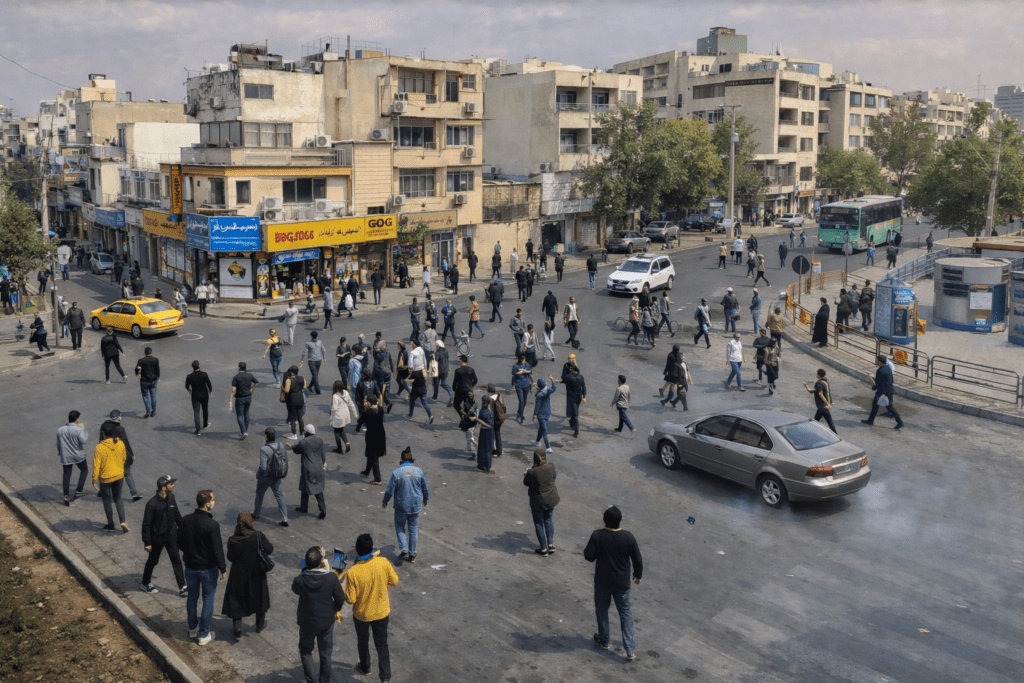
Kazakhstan has expressed sorrow over the deaths of young students in what appeared to be an air strike that hit a girls’ primary school in the southern Iranian city of Minab.

“I received the news of the death of 160 schoolgirls in Iran – with deep distress. The interruption of the lives of children, who must get education and step into the future on a peaceful day, is an irreplaceable tragedy for all humanity,” Education Minister Zhuldyz Suleimenova said on Facebook on Monday.

“As a parent, I believe that children should never be victims of any kind of conflict, or political disputes,” Suleimenova said. “Their safety and well-being is one of the most important values for the international community and for every state.”

Health officials and state media in Iran have reported a higher death toll of at least 175 in the destruction at the school on Saturday, saying most of the dead were probably children.

The U.S. military said it was looking into reports of civilian casualties during its operations against the Iranian government.

Some reports say the school that was hit is near an Iranian military installation, one of many targeted by U.S. and Israeli strikes since the military air campaign began on Saturday.

Kyrgyzstan is working to help hundreds of its citizens who are stranded in Gulf countries because of the Mideast conflict.

Diplomats are negotiating with hotels to make sure that Kyrgyz nationals are not evicted, Seitek Zhumakadyr uulu, head of the consular department of Kyrgyzstan’s Ministry of Foreign Affairs, said on Monday.

He said there are 800 stranded Kyrgyz citizens in Qatar and about 1,000 in the United Arab Emirates, according to Kyrgyzstan’s state news agency Kabar.

Most Kyrgyz citizens in Saudi Arabia are performing Umrah, the Islamic pilgrimage to Mecca, the official said. Thousands of pilgrims have been affected by the air strikes on Iran and retaliation by Iranian forces. Airspace in many parts of the region is closed to commercial traffic and airlines have suspended flights.

However, Ulukbek Maripov, Kyrgyzstan’s ambassador in Saudi Arabia, has said that airports there are operating relatively well.

There are no reports of Kyrgyz civilian casualties in the conflict.

Uzbekistan’s diplomats in Turkmenistan’s capital Ashgabat are arranging assistance for Uzbek citizens who want to leave Iran and cross into neighboring Turkmenistan.

“Embassy officials will meet citizens at the Turkmen-Iranian border crossing in the city of Sarakhs,” Uzbekistan’s state news agency Dunyo reported. “Official vehicles of the Embassy of Uzbekistan in Ashgabat have been mobilized to facilitate onward travel arrangements.”

The Iranian city of Sarakhs is a key transit point for trade between Iran and Central Asia. The border between Iran and Turkmenistan is more than 1,000 kilometers.

A Tajik citizen who was leaving Iran by crossing into Azerbaijan needed medical assistance at the border.

“A female citizen of Tajikistan experienced health problems during the evacuation from Iran via the Azerbaijani border,” the Azerbaijani Press Agency reported. “She applied to a doctor present at the checkpoint. The Tajik citizen was provided with the necessary first medical aid by the doctors.”

A number of Tajik citizens are among people from a range of countries seeking to leave Iran since U.S. and Israeli air strikes began three days ago. Azerbaijan is in contact with various foreign governments trying to ensure the safe passage of their nationals.