• KGS/USD = 0.01144 0%
  • KZT/USD = 0.00193 0%
  • TJS/USD = 0.10886 -0.09%
  • UZS/USD = 0.00008 0%
  • TMT/USD = 0.28490 0%
  • KGS/USD = 0.01144 0%
  • KZT/USD = 0.00193 0%
  • TJS/USD = 0.10886 -0.09%
  • UZS/USD = 0.00008 0%
  • TMT/USD = 0.28490 0%
  • KGS/USD = 0.01144 0%
  • KZT/USD = 0.00193 0%
  • TJS/USD = 0.10886 -0.09%
  • UZS/USD = 0.00008 0%
  • TMT/USD = 0.28490 0%
  • KGS/USD = 0.01144 0%
  • KZT/USD = 0.00193 0%
  • TJS/USD = 0.10886 -0.09%
  • UZS/USD = 0.00008 0%
  • TMT/USD = 0.28490 0%
  • KGS/USD = 0.01144 0%
  • KZT/USD = 0.00193 0%
  • TJS/USD = 0.10886 -0.09%
  • UZS/USD = 0.00008 0%
  • TMT/USD = 0.28490 0%
  • KGS/USD = 0.01144 0%
  • KZT/USD = 0.00193 0%
  • TJS/USD = 0.10886 -0.09%
  • UZS/USD = 0.00008 0%
  • TMT/USD = 0.28490 0%
  • KGS/USD = 0.01144 0%
  • KZT/USD = 0.00193 0%
  • TJS/USD = 0.10886 -0.09%
  • UZS/USD = 0.00008 0%
  • TMT/USD = 0.28490 0%
  • KGS/USD = 0.01144 0%
  • KZT/USD = 0.00193 0%
  • TJS/USD = 0.10886 -0.09%
  • UZS/USD = 0.00008 0%
  • TMT/USD = 0.28490 0%
15 December 2025

Chinese Foreign Ministry Condemns Attack on Tajik-Afghan Border That Killed a Chinese Citizen

The Chinese Foreign Ministry has confirmed the death of one Chinese citizen and the injury of four others following an attack near the Tajik-Afghan border. The incident, which occurred on November 18, targeted a camp operated by a private Chinese company on the Tajik side of the border. “China strongly condemns this brutal attack, expresses deep sorrow for the victims, and extends sincere condolences to the families of the victims,” stated the ministry.

A working group from the Chinese Embassy in Dushanbe has arrived at the site to provide assistance and coordinate further actions.

Rising Security Concerns
Chinese companies, particularly those involved in mining activities such as gold extraction, are active in the region. The Chinese Foreign Ministry has urged the Tajik authorities to expedite investigations to determine the circumstances of the attack. “Given the security situation in the Tajik-Afghan border area, we remind Chinese citizens and enterprises in the region to pay special attention to security,” the ministry warned.

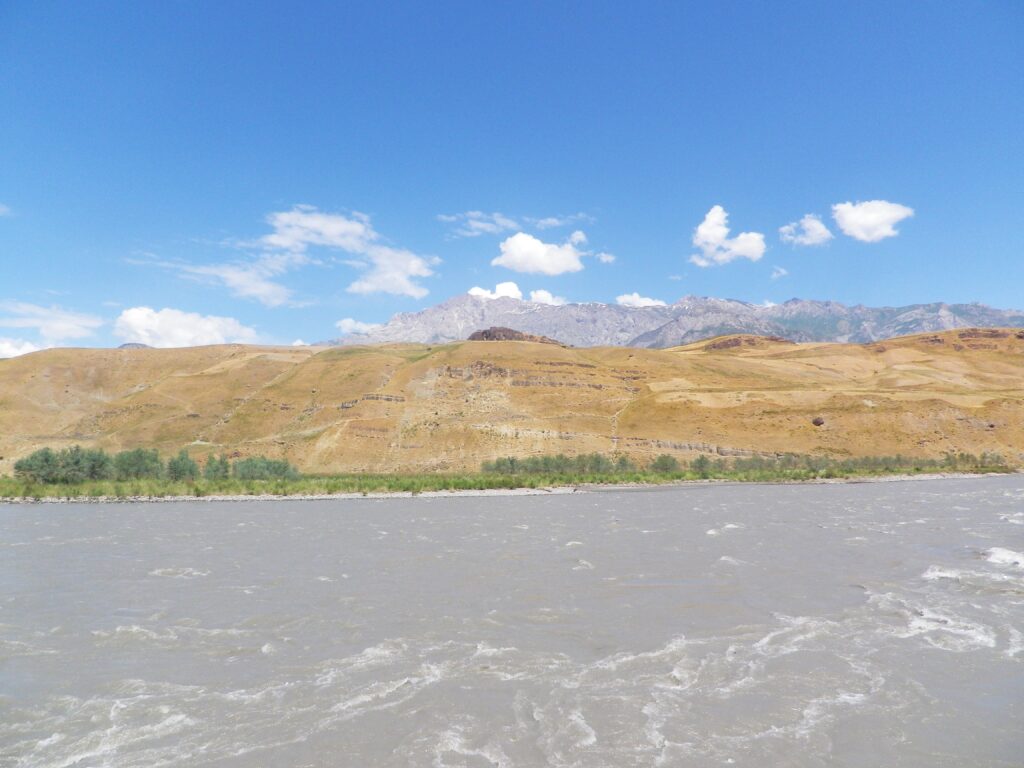
The incident took place in the Shamsiddin Shokhin area along the 1,350-kilometer Tajik-Afghan border. Initial reports suggest the attack was carried out by armed individuals crossing from the Afghan side during the night of November 17–18.

Motives Remain Unclear
As The Times of Central Asia previously reported, the incident occurred in the Shamsiddin Shokhin area on the 1,350-kilometer-long Tajik-Afghan border. The attackers’ motives and identities remain unknown. Local sources indicate that the incident may be linked to either militant activity or drug smuggling, but no official confirmation has been provided.

In addition to the Chinese casualties, a local resident was also wounded. All injured individuals have been taken to the Shamsiddin Shokhin District Hospital for treatment. The Tajik authorities have yet to issue an official statement regarding the attack.

Kazakhstan to Begin Purchasing Electricity from Rogun HPP

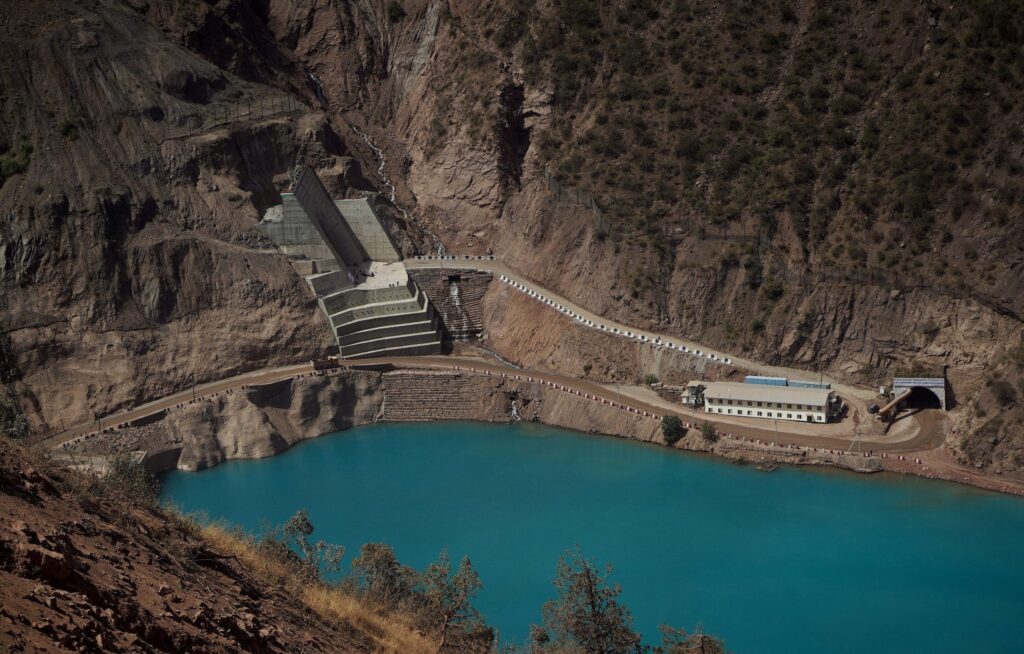
Kazakhstan has announced plans to purchase electricity from Tajikistan’s Rogun hydropower plant (HPP), a major facility currently under construction. According to a draft agreement published on Tajikistan’s official legal information portal, the cooperation between the two countries is set to last for 20 years, with an option to extend for an additional 10 years.

The price for the electricity is set at $0.034 per kilowatt-hour (excluding VAT), plus a transit surcharge determined by the seller’s costs. Payments are to be made within 35 days for each supply period. The supply will only occur during scheduled shortages and will be integrated into KEGOC’s national grid. Rogun HPP will handle transportation to the border, while the Settlement and Financial Center for Renewable Energy Support LLP will oversee control on the Kazakh side. Any disputes arising from the agreement will be resolved through the Singapore International Arbitration Center.

Electricity agreements with Kazakhstan and Uzbekistan are a critical component for securing international financing for the Rogun HPP’s construction. Project costs have risen to $6.4 billion, according to recent estimates. To cover these costs, the Tajik government is negotiating semi-concessional loans worth $1.73 billion, $850 million in grants, and $390 million in concessional loans. The remainder will come from the government budget and revenues generated by the plant.

This year, the Tajik government allocated 5 billion somoni (approximately $460 million) for the Rogun project, with 2.8 billion somoni coming from the state budget and 2.2 billion somoni from investment projects. By the end of September 2024, 4.3 billion somoni (about $395 million) had already been spent on construction.

Once completed, Rogun HPP will become the largest hydropower facility in Central Asia, boasting a capacity of 3,600 MW and capable of producing up to 17 billion kWh of electricity annually. This output represents 65–85% of Tajikistan’s total electricity production. The plant will house six units of 600 MW each, with full commissioning expected by 2029. Currently, two units are operating at low capacity, having been commissioned in 2018 and 2019.

The project serves as a landmark achievement for Tajikistan’s energy sector and a key driver of regional energy cooperation, promoting economic stability and resource-sharing throughout Central Asia.

Kyrgyzstan’s Largest Hydropower Plant Boosts Generating Capacity

On November 19, Kyrgyzstan launched the modernized hydroelectric generating unit No. 1 at the Toktogul Hydroelectric Power Plant (HPP), the country’s largest power facility. Located on the Naryn River, the Toktogul HPP generates approximately 40% of Kyrgyzstan’s electricity.

The modernization of hydroelectric unit No. 1 began in March 2024 and has increased its generating capacity by 60 MW. Prior to this upgrade, the Toktogul HPP had a total capacity of 1,200 MW, with each of its four units producing 300 MW. Two units had already been upgraded in previous phases, collectively adding 120 MW to the plant’s total capacity.

The reconstruction of the fourth and final hydroelectric unit is scheduled for 2025. Once the modernization project is complete, Toktogul HPP will gain an additional 240 MW of generating capacity, extending its service life by 25–30 years.

The $210 million rehabilitation project is funded by a $110 million loan from the Asian Development Bank (ADB) and $100 million from the Eurasian Fund for Stabilization and Development (EFSD).

With a total volume of 19.5 billion cubic meters, the Toktogul HPP reservoir plays a dual role in meeting Kyrgyzstan’s energy demands and providing essential irrigation water to Kazakhstan and Uzbekistan. During the winter, increased water releases are used to generate electricity for Kyrgyzstan, while summer releases support irrigation for southern Kazakhstan’s dry regions.

As of November 19, 2024, the Toktogul reservoir contained 12.991 billion cubic meters of water, compared to 11.694 billion cubic meters on the same date in 2023. The reservoir currently receives 246 cubic meters of water per second and releases 488 cubic meters per second.

Despite this year’s higher water levels, Kyrgyzstan continues to face electricity shortages, according to Energy Minister Taalaibek Ibrayev. Toktogul HPP’s modernization and efficient management of water resources remain critical to addressing these challenges and ensuring regional energy and water security.

Kyrgyzstan’s Talas Province Faces Urgent Need for Proper Detention Facility

Kyrgyz Ombudswoman Jamilya Dzhamanbayeva has voiced serious concerns over the substandard conditions in the temporary detention center (TDC) in Talas Province. During a recent visit, detainees reported inadequate facilities and breaches of detention standards, according to the Ombudsman Institute.

Dzhamanbayeva revealed that the TDC houses individuals awaiting trial alongside those already charged with crimes—a practice explicitly prohibited under Kyrgyz law.

“At the time of the visit, there were 17 individuals suspected or accused of crimes in the TDC, which has a total capacity of 36 people. Among them, two were women. The TDC is situated in the yard of the Department of Internal Affairs, but in a separate building,” stated the Ombudsman Institute.

Lack of a Dedicated Proper Pre-Trial Facility

The absence of an investigative detention center (IDC) in Talas Province forces authorities to detain pre-trial prisoners in the TDC, mixing them with individuals under investigation. This not only violates national laws but raises significant human rights concerns.

During her visit, Dzhamanbayeva inspected the cells and spoke directly with detainees to assess their conditions. She called on the Kyrgyz government to expedite the construction of a dedicated IDC in Talas Province to comply with international standards and Kyrgyz legal obligations.

Inhumane Living Conditions

The National Center for the Prevention of Torture has also criticized the state of the Talas TDC, identifying severe deficiencies:

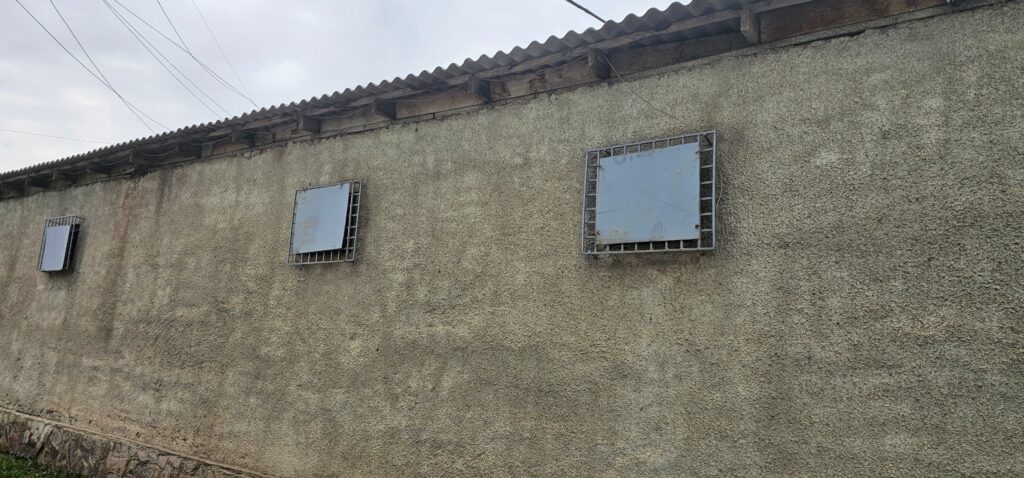
  • Lack of natural light: Windows are blocked by metal structures, preventing daylight from entering.
  • Inadequate sleeping arrangements: Detainees sleep on the floor due to a shortage of beds and bedding.
  • Unsanitary environment: The facility suffers from poor hygiene and overall neglect.

These conditions exacerbate the already critical situation for detainees, underscoring the pressing issue of detention standards in Talas Province.

Russian Interior Minister Reports Drop in Crimes Linked to Tajik Citizens

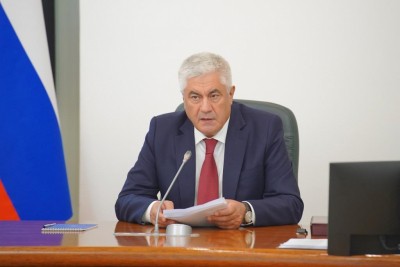
Russian Interior Minister Vladimir Kolokoltsev announced a decline in crimes involving Tajik citizens in the Russian Federation during a joint meeting of the Russian and Tajik Interior Ministries in Moscow. This reduction includes both offenses committed by and against Tajik nationals, a trend Kolokoltsev emphasized should continue.

One notable achievement highlighted was the resolution of a 30-year-old murder case in Sughd, which was solved through coordinated information-sharing between Russian and Tajik law enforcement agencies.

Strengthening Bilateral Cooperation

During the meeting, Kolokoltsev and Tajik Interior Minister Rahimzoda Ramazon Hamro approved a 2025 cooperation plan. The agreement includes measures to combat transnational crime, enhance collaboration between investigative units, share intelligence, and address drug trafficking.

Rahimzoda stressed that ongoing cooperation strengthens security and improves the performance of law enforcement agencies in both countries. Tajik officials highlighted that joint events and initiatives have been held annually since the partnership began.

Addressing Migration and Citizens’ Rights

Kolokoltsev also referred to his May 2024 visit to Dushanbe, where discussions revolved around migration issues and the establishment of the Russian Interior Ministry’s passport and visa service. These efforts aim to enhance conditions for Tajik citizens living in Russia while safeguarding their rights and interests.

Russia Looking to Export Gas to China via Kazakhstan

Russia continues to try to reorient its natural gas exports from Europe to Asia and is planning a new pipeline route to China that would pass through Kazakhstan.

Kazakhstan stands to benefit not only from transit fees, but could also import some Russia gas for regions in northeastern Kazakhstan that are desperately in need of more energy sources.

The Russian plans are bad news for Turkmenistan as China is Turkmenistan’s main gas customer and Turkmen authorities were hoping to sell China even more gas.

On November 15, Russian Deputy Prime Minister Aleksandr Novak mentioned the pipeline plan on the sidelines of a Chinese-Russian forum in Kazan, Russia. Novak said such a project is still only being discussed, but Russian media outlet Kommersant wrote on November 18 that there are already three options for the pipeline.

All three possibilities pass though northeastern Kazakhstan, but Kazakhstan’s level of participation in the pipeline is different in each variation.

One of the projects would require Kazakhstan to build a pipeline for gasification of the northeastern Pavlodar, Abai, and Karaganda provinces. A second proposal would include only the Abai and Zhetysu provinces.

Russian gas giant Gazprom’s financial obligation also changes depending on the pipeline project selected. The most expensive option for Gazprom would cost more than $10 billion to construct and would not operate at full capacity until 2034.

All versions foresee at least 35 billion cubic meters of Russian gas (bcm) shipped via the pipeline with Kazakhstan receiving some 10 bcm, which would greatly alleviate recent power shortages in northeastern Kazakhstan.

Despite Novak saying the pipeline project was only being discussed, Kazakhstan and Russia appear well along in their planning.

In early May, Kazakh Ambassador to Russia Duaren Abayev gave an interview to Russia’s TASS news agency and mentioned there was a “roadmap” for supplying 35 bcm of gas to China via Kazakhstan.

Russia already exports gas to China via the “Sila Sibiri” (Power of Siberia) pipeline and expects that in 2024 the pipeline will for the first time reach its full capacity of 38 bcm.

Construction of Sila Sibiri-2 with a planned capacity of some 50 bcm has been delayed due to China’s reluctance to loan Russia money for construction, differences over price, and China’s increasing purchases of liquefied natural gas (LNG). Novak commented on Sila Sibiri-2, saying the pipeline project involving Kazakhstan was separate and the Russian government will continue to negotiate with China about construction of Sila Sibiri-2.

Russia is seeking to replace its former main customer, the European Union.

Prior to the Kremlin launching its full-scale war on Ukraine in February 2022, the EU was buying between 150-160 bcm of Russian gas annually. The EU sharply cut back on Russian gas imports in response to the invasion of Ukraine and in 2023 imported less than 43 bcm.

Russia’s pivot to Asia for gas exports targets the Chinese market, but Gazprom is looking to take any possible Asian customers and has found some in Central Asia.

Russia’s surge into the Asian gas market comes at the expense of Turkmenistan, the country with the world’s fourth largest gas reserves.

Kazakhstan and Uzbekistan have traditionally been gas exporters, but both countries have suffered severe gas shortages in recent years, particularly during the winter, and are focused on using domestic gas for domestic consumption.

Both were in talks with Turkmenistan to buy Turkmen gas.

Uzbekistan signed a deal in December 2022 to buy some 1.5 bcm of Turkmen gas and signed a short-term contract for 2 bcm in August 2023. Gazprom, though, has swooped in and signed deals with both Kazakhstan and Uzbekistan, supplying Kazakhstan with some 7.25 bcm and Uzbekistan with 1.22 bcm in 2023.

Gazprom later signed a contract to annually supply Uzbekistan with up to 11 bcm as early as 2025.

Turkmenistan’s contract to sell some 5.5 bcm of gas to Russia just expired and will not be renewed, forcing Turkmenistan to arrange a complicated gas swap deal involving Iran to sell some 10 bcm to Iraq.

China has been Turkmenistan’s largest gas customer for 15 years, and with the expiration of the Turkmen-Russian gas contract, is really the only significant customer for Turkmen gas. In recent years, China has been purchasing up to some 35 bcm annually, but this agreement is now in jeopardy.

One of the possible routes for shipping Russian gas to China involves using the pipelines that carry gas from Turkmenistan to China (Central Asia-China pipeline). The Kommersant article reported that some 25% of those three pipelines’ capacity is currently not being used.

Since the pipelines pass through the territories of Uzbekistan and Kazakhstan, both of those countries can export up to 10 bcm each of their own gas. However, Kazakhstan and Uzbekistan now need to import Russian gas to meet domestic needs, and neither is exporting much of their gas to China.

Turkmenistan has more than enough gas to fill the spare capacity, but seems to have been outmaneuvered by Russia.

If China decides to buy 35 bcm of Russian gas through the Central Asia-China pipeline, Turkmenistan’s share of gas shipments could drop to 20-30 bcm.

Turkmenistan has also been hoping for years that the fourth strand of the Central Asia-China pipeline would be realized. Line D from Turkmenistan would pass through Uzbekistan, Tajikistan, and Kyrgyzstan before reaching China and would carry 30 bcm of solely Turkmen gas.

China now has a choice; if Beijing opts to boost gas imports via pipeline from the east, Gazprom probably will need a loan from China, but will also likely spend some of its own money from the time construction starts on pipelines to the Chinese border.

Turkmenistan and the other three Central Asian countries through which Line D is planned to pass will all need substantial loans from China, covering nearly the entire cost of pipeline construction.

Turkmenistan paid for the construction of its sections of Lines A, B, and C, as well as Chinese development of gas fields in Turkmenistan, through its gas shipments to China.

Beijing simply took some of the Turkmen gas as payment for the loans and could do so again, not only in the case of Turkmenistan, but also with Russia.

It will be more difficult, especially for Tajikistan and Kyrgyzstan, to repay Chinese loans for construction of the pipeline through their territories. Both countries are already deep in debt to China for other projects China has funded and built during the last 20 years.

China has no urgent need for more gas and has already diversified its sources of gas import both for pipelines – there is also a pipeline from Myanmar – and LNG suppliers. That leaves China in an excellent position to bargain over the price of either Russian or Turkmen gas, but leaves Turkmenistan at a disadvantage that could see its gas revenues plummet if Russia’s plan for exporting gas through Kazakhstan is accepted by China.