On the shores of Lake Issyk-Kul, where mountains drop sharply into the water, and horses and cars are found in almost equal measure, Kyrgyzstan will host the World Nomad Games 2026 from August 31 to September 6, with The Times of Central Asia reporting from the ground. Since their launch in 2014, the Games have grown well beyond their origins, drawing competitors and audiences from across the world.
This year’s emblem, the snow leopard, captures that idea with unusual precision. It has been adopted as the national symbol of Kyrgyzstan in recent years and has long been central to the country’s conservation diplomacy, including its role in establishing October 23 as International Snow Leopard Day. Presented as a representation of strength, clarity, and endurance, it reflects both the terrain and the mindset that fortifies the event.
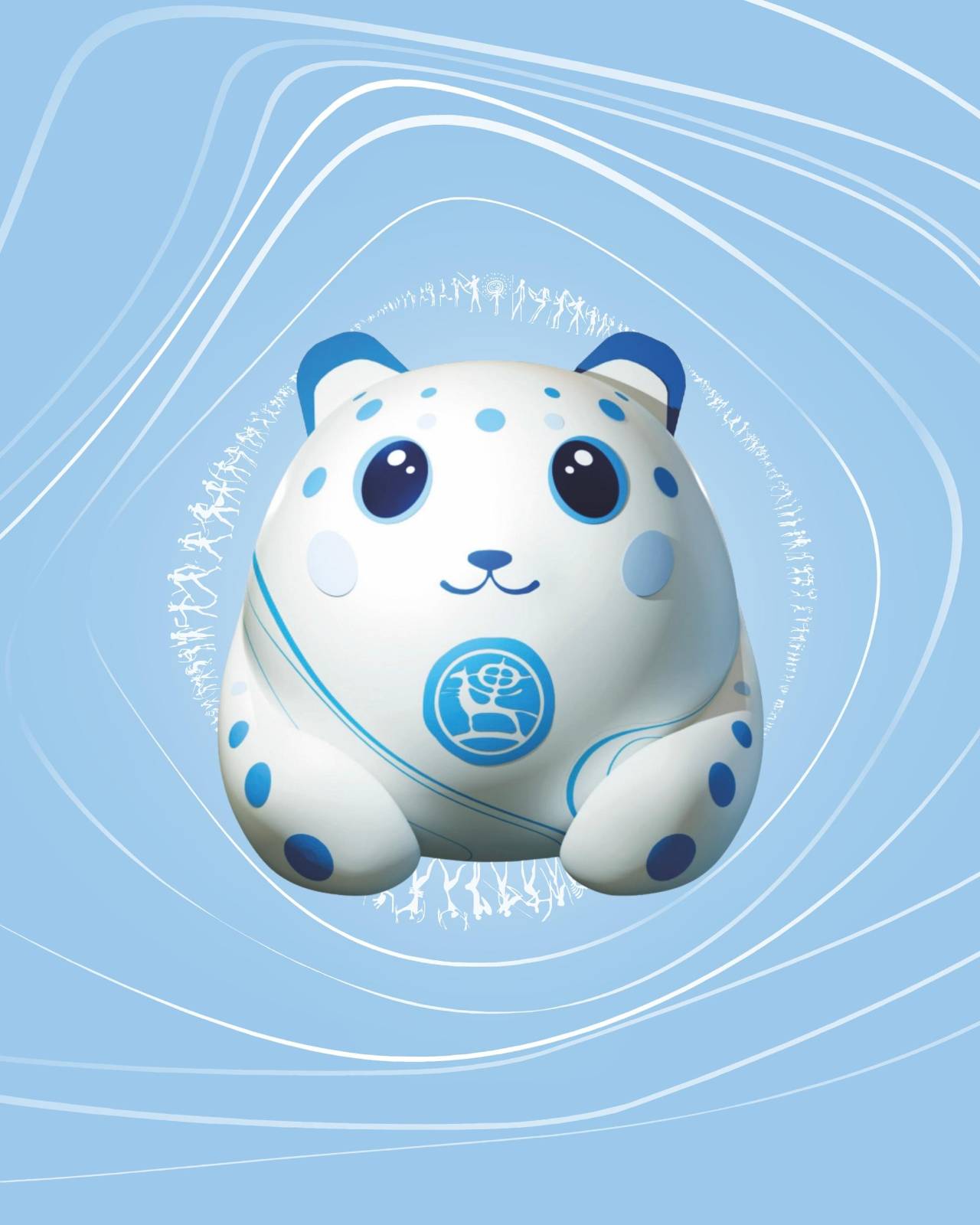
Image: International Secretariat of the World Nomad Games
The Games have expanded beyond the region, but are now returning home again. Kyrgyzstan hosted the first three editions before they went to Turkey in 2022 and Kazakhstan in 2024. Their homecoming now carries greater international weight, reinforced by UNESCO’s support, recognizing their role in preserving intangible cultural heritage.
This year’s experience is mostly set in the Issyk-Kul region, around three hours from Bishkek, where the mountainous landscape will form the backdrop to the lakeside venues.
The opening and closing ceremonies are scheduled to take place in the capital’s Bishkek Arena. In Cholpon Ata, the hippodrome will host horse racing and Kok Boru, while the nearby sports complex stages wrestling competitions. The Rukh Ordo Cultural Center brings together strength events and traditional tournaments alongside parts of the cultural program. In Kyrchyn, the Ethno Village will become the core of the experience, where archery, falconry, crafts, performances, and food sit within a setting that reflects nomadic life.
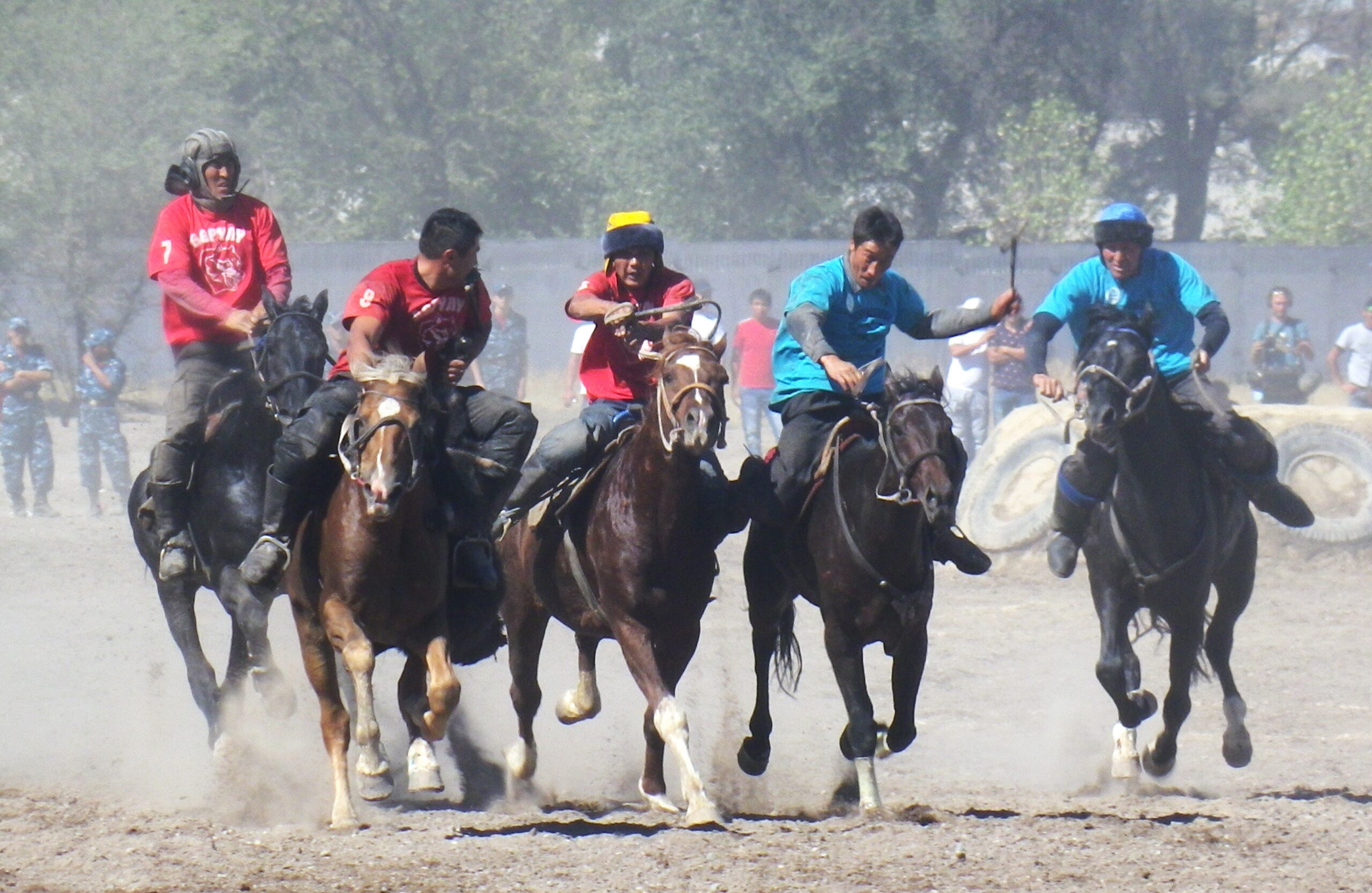
Kok Boru at the Bishkek Hippodrome, 2014; image: Stephen M. Bland
Forty-plus sports disciplines will be spread across competitive and demonstrative formats, with more than 100 medals at stake. Kok Boru is fast and unforgiving, played on horseback as riders grapple over what was traditionally a headless goat carcass (now a synthetic dummy or serke), surging and colliding before hurling it into the opponent’s goal.

Image: International Secretariat of the World Nomad Games
Horseback archery demands precision under movement, with riders standing in the stirrups or twisting at full gallop to fire arrows at distant targets.
Eagle hunting illustrates a partnership between human and bird refined over generations, as trained golden eagles launch from the arm to track and strike prey across open ground.
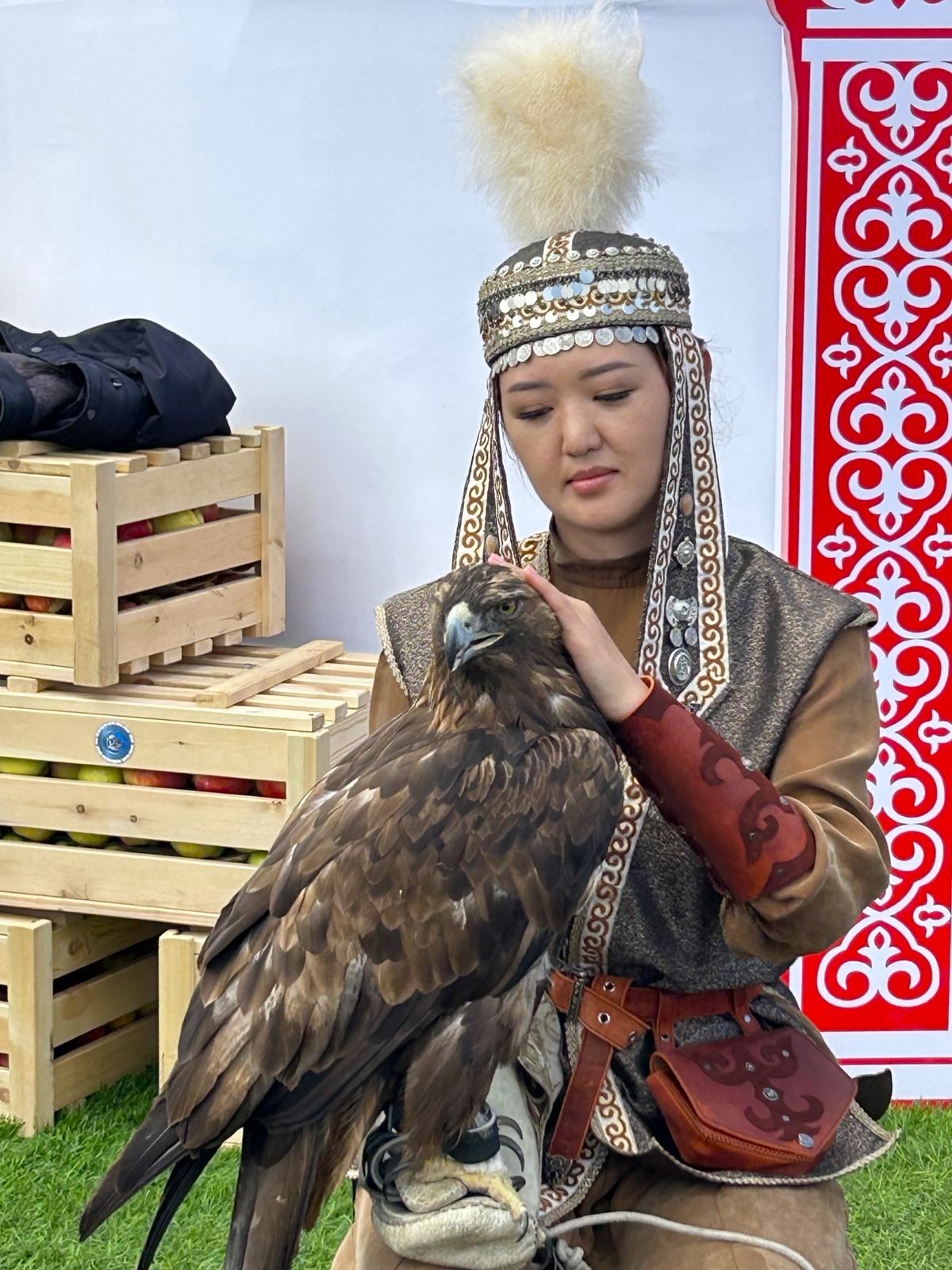
Woman with a bird of prey, World Nomad Games, Astana, 2024; image: Stephen M. Bland
Wrestling styles such as Alysh and Kurash emphasize balance and control rather than brute force, with fighters gripping belts and using timing, leverage, and footwork to unbalance their opponent.
The Times of Central Asia spoke with the International Secretariat of the World Nomad Games to get a feel for what to expect and to set the mood for what lies ahead.

The International Secretariat of the World Nomad Games; image courtesy of the subject
TCA: What should we anticipate from this year’s Games?
The 2026 World Nomad Games are more than just an event in the traditional sense. Today, they serve as an international platform that brings countries together through sports, culture, and science.
What matters to us this year is not only the scale of the event, but also how the Games will be perceived. We want to present them as a holistic project, where all components are interconnected and work toward a common vision.
Therefore, the Games in Kyrgyzstan promise more than just competitions and spectacular events. They will offer an opportunity to gain a deeper understanding of nomadic civilization and to see that these traditions have not been left behind. They continue to live on, evolve, and speak to the modern world.
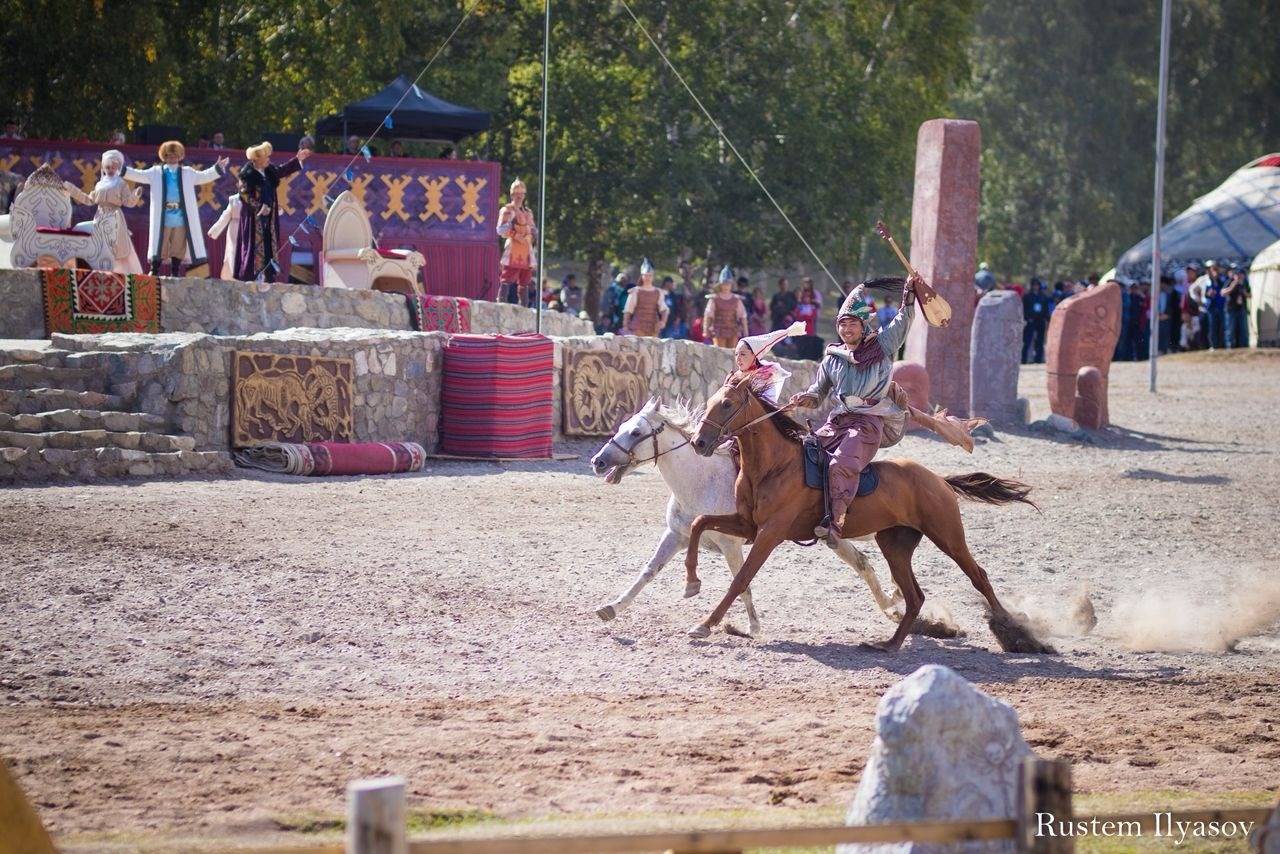
Image: International Secretariat of the World Nomad Games
TCA: How have the Games become global?
They became global not because they grew in scale. The key lies elsewhere in the idea that underpins them. From the very beginning, they have spoken to values that resonate across countries, including respect, fair competition, connection to nature, and the importance of traditions. These universal values have allowed them to extend beyond the region.
For us, the Games are not just a memory of the past. They are a conversation about the future in which differences do not divide but encourage mutual respect. That is why they resonate internationally.
At the same time, partnerships with media, communities, and institutions have helped transform the event from a regional initiative into an international platform.
TCA: What is their role in promoting nomadic heritage?
Today, entire cultural systems risk disappearing, as well as languages.
When a language is lost, so too is a way of understanding the world, passing down memories, and defining values across generations. This often happens quietly, without recognition of the scale of loss.
The Games aim to ensure these cultures are seen and heard. They are not presented as static or museum-like, but as living systems based on adaptability, mobility, and openness. Through sport, culture, and science, that heritage is presented as active and relevant.
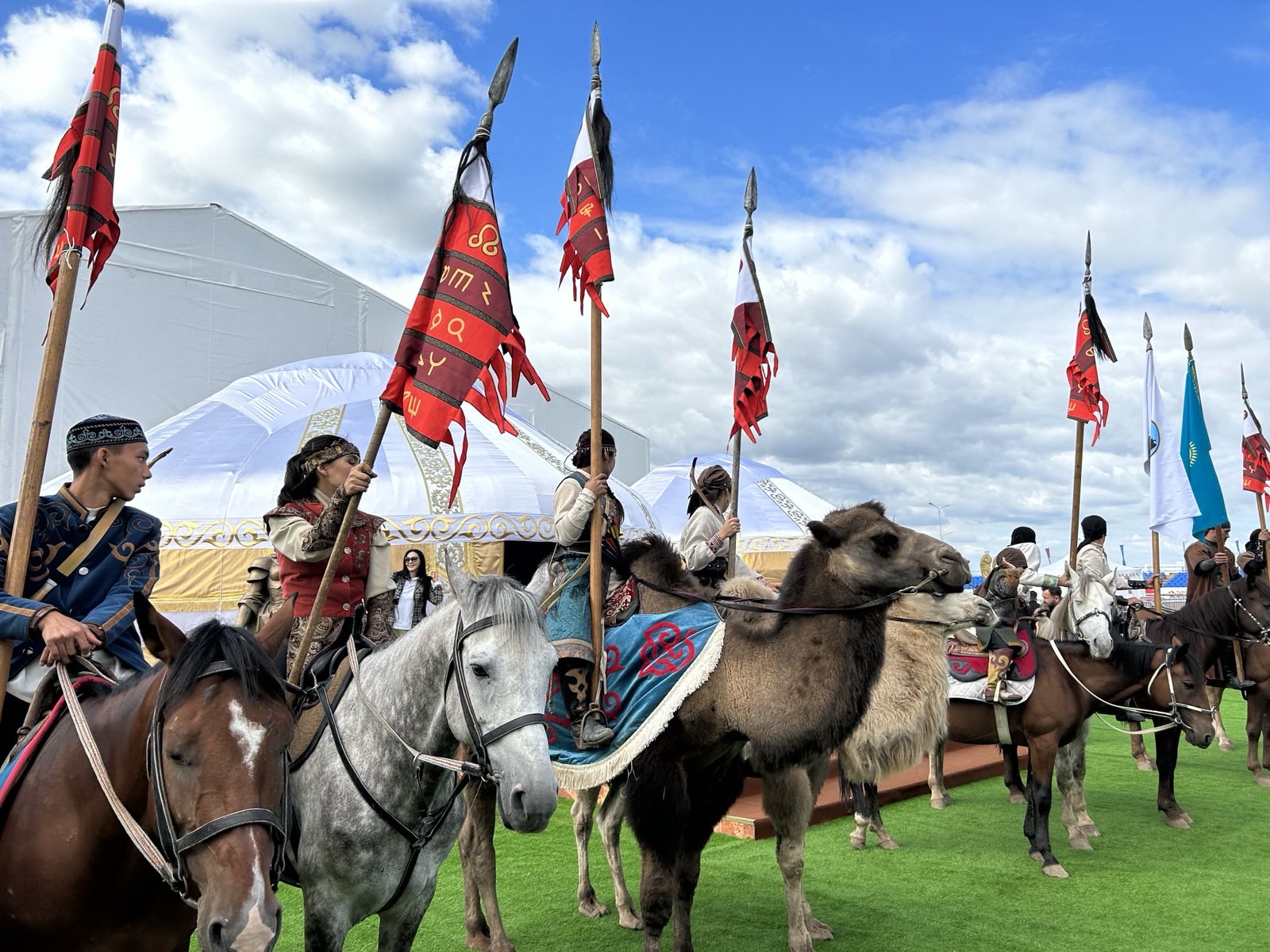
World Nomad Games 2024, Astana, Kazakhstan; image: Stephen M. Bland
TCA: What is their impact on tourism and the economy?
Culture now plays a direct role in how societies interact and sustain themselves.
For Kyrgyzstan, they will increase tourism, activate infrastructure, and attract business interest. But their longer-term value lies in shaping perception. They present the country as open, capable, and culturally rich, able to host major international events.
TCA: How do they raise awareness of the regional identity of Central Asia?
They provide a platform for Central Asia to present itself through shared cultural codes, while preserving national distinctions. They allow each country to showcase its identity while contributing to a broader regional narrative, balancing unity and diversity in a way that resonates internationally.

Image: International Secretariat of the World Nomad Games
Tickets for the World Nomad Games 2026 will be released through the official platform, granting you admission to a week where sport, landscape, and culture collide. Come for the spectacle, stay for the rhythm of life on the steppe, and leave with a sense that this is not just a show, but something that is still very much alive.