• KGS/USD = 0.01144 0%
  • KZT/USD = 0.00213 0%
  • TJS/USD = 0.10562 0%
  • UZS/USD = 0.00008 0%
  • TMT/USD = 0.28530 0%
  • KGS/USD = 0.01144 0%
  • KZT/USD = 0.00213 0%
  • TJS/USD = 0.10562 0%
  • UZS/USD = 0.00008 0%
  • TMT/USD = 0.28530 0%
  • KGS/USD = 0.01144 0%
  • KZT/USD = 0.00213 0%
  • TJS/USD = 0.10562 0%
  • UZS/USD = 0.00008 0%
  • TMT/USD = 0.28530 0%
  • KGS/USD = 0.01144 0%
  • KZT/USD = 0.00213 0%
  • TJS/USD = 0.10562 0%
  • UZS/USD = 0.00008 0%
  • TMT/USD = 0.28530 0%
  • KGS/USD = 0.01144 0%
  • KZT/USD = 0.00213 0%
  • TJS/USD = 0.10562 0%
  • UZS/USD = 0.00008 0%
  • TMT/USD = 0.28530 0%
  • KGS/USD = 0.01144 0%
  • KZT/USD = 0.00213 0%
  • TJS/USD = 0.10562 0%
  • UZS/USD = 0.00008 0%
  • TMT/USD = 0.28530 0%
  • KGS/USD = 0.01144 0%
  • KZT/USD = 0.00213 0%
  • TJS/USD = 0.10562 0%
  • UZS/USD = 0.00008 0%
  • TMT/USD = 0.28530 0%
  • KGS/USD = 0.01144 0%
  • KZT/USD = 0.00213 0%
  • TJS/USD = 0.10562 0%
  • UZS/USD = 0.00008 0%
  • TMT/USD = 0.28530 0%

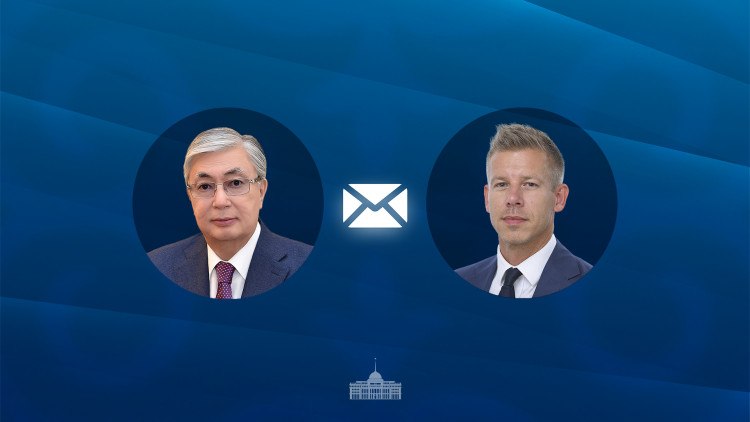
Tokayev Congratulates Péter Magyar on Victory in Hungary’s Parliamentary Elections

Kazakhstan’s President Kassym-Jomart Tokayev has sent a congratulatory telegram to Péter Magyar, leader of the TISZA party, following his victory in Hungary’s parliamentary elections.

According to the presidential press service, Tokayev noted that the election results reflect a high level of public trust in the TISZA party and its program and expressed confidence in Hungary’s continued sustainable development.

Tokayev emphasised that Astana attaches great importance to strengthening its strategic partnership with Budapest, reaffirming readiness to expand bilateral cooperation for the benefit of both countries. He also wished Magyar success in his new role, along with prosperity and well-being for the Hungarian people.

So far, there have been no reports of congratulatory messages from other Central Asian leaders addressed to Hungary’s new leadership.

Hungary’s political transition following the defeat of Viktor Orbán’s party and his resignation has drawn attention not only in the European Union and the U.S., but also in Central Asia, where Budapest has actively developed economic and energy cooperation in recent years.

During Orbán’s tenure, Hungary expanded engagement with Central Asian states, seeking to diversify energy supply sources and reduce dependence on Russian oil and gas. In this context, resource-rich Kazakhstan, Uzbekistan, and Turkmenistan emerged as key partners.

One key question now is whether the country’s new leadership will maintain this course, including cooperation in energy, investment, and trade. Experts note that the durability of these ties will depend on the foreign policy priorities of Magyar’s government and its approach to relations with the European Union and partners beyond it.

Beyond the Belt and Road: China’s New Playbook in Central Asia

In the Kyzylorda Region, near the town of Shieli, the silos and conveyor belts of a Chinese-backed plant rise out of the fine brown dust that dominates the landscape. It is the kind of project the Belt and Road was supposed to deliver in Central Asia: heavy industry, fixed capital, and a visible mark on the landscape. But it is also a reminder that China’s role in the region has become narrower, more contested, and less sweeping than the old rhetoric suggested.

In photographs, the Gezhouba Cement Plant looks like a self-contained industrial island on the steppe. For nearby villagers, it became something else: a source of jobs and local prestige for some, but also of years of complaints about dust clouds and whether the state was quicker to defend a flagship Chinese-backed project than the people living beside it.

Projects like the plant in Shieli also help explain why views of China across Central Asia remain mixed. Beijing is seen as a source of trade, investment, and technology, but that promise is tempered in some places by concerns over transparency, environmental costs, and who really benefits when a project arrives.

China has become Central Asia’s dominant trading partner, but investment has not kept pace with the surge in commerce. The gap says a lot about how Beijing now works in the region: with a sharper focus on sectors that matter to its long-term influence.

In 2025, trade in goods between China and the five Central Asian states reached $106.3 billion, up 12% year on year. Chinese exports to the region totaled $71.2 billion, while imports from Central Asia reached $35.1 billion. Trade has grown fast enough to reshape the region’s external balance, but long-term investment has been far more selective. Over 2005–2025, the five Central Asian states accounted for about 3% of China’s global overseas investment and construction total.

The picture changes once direct investment is separated from trade and construction contracts. China’s FDI stock in the five Central Asian states stood at about $36 billion by mid-2025. Roughly 90% was concentrated in Kazakhstan, Uzbekistan, and Turkmenistan. The structure of that capital has also changed. Extractive industries still accounted for 46% of the portfolio, but manufacturing and energy together made up more than one third, and greenfield projects rose from 43% to 60%. China has not poured money into Central Asia on the scale once implied by early Belt and Road rhetoric. Instead, it has invested in sectors that strengthen its industrial position.

Kazakhstan remains at the center of this relationship. It is China’s biggest commercial partner in Central Asia, and the main destination for Chinese capital in the region. Kazakhstan-China trade reached $43.8 billion in 2024. The country’s portfolio of projects with Chinese participation includes 224 ventures worth about $66.4 billion. Some are still at the planning stage, but the range of projects is telling. Recent developments have included a hydrogen energy technology innovation center in Almaty and a large wind farm with electricity storage. Kazakhstan still sells raw materials to China, but it also wants Chinese capital, technology, and industrial capacity at home.

Uzbekistan, meanwhile, has become the fastest-moving part of the regional story. Over the past decade, Chinese FDI in Uzbekistan grew by $10.4 billion, lifting the country’s share of China’s Central Asian investment portfolio from 1% to 16%. Bilateral trade has also kept rising, with both sides setting a target of $20 billion. As of January 1, 2026, Uzbekistan had 5,044 companies with Chinese capital. That figure had risen to 5,257 by March 16, 2026. Uzbekistan wants more factories, more processing, and more export-oriented production, and Chinese firms have become central to that push.

Kyrgyzstan and Tajikistan show a different pattern. Their economies are smaller and their bargaining power is weaker, but Chinese trade and investment are still deeply embedded in key sectors. In Kyrgyzstan, China held the largest share of foreign trade in 2025. Accumulated Chinese FDI in the Kyrgyz economy reached $2.1 billion at the end of 2025. In Tajikistan, the accumulated volume of Chinese investment had reached nearly $4 billion by early 2025, and about 70% of that total was direct capital. In both countries, Chinese money has gone into mining, infrastructure, energy, and border development. That gives Beijing more weight than the headline numbers suggest.

Turkmenistan remains a special case because gas still dominates the relationship. Chinese capital is present, and Turkmenistan is one of the three countries that make up about 90% of China’s Central Asian FDI stock. However, the commercial picture is much more concentrated than in Kazakhstan or Uzbekistan. Trade turnover between China and Turkmenistan reached $10.6 billion in 2024, up 11% from 2023, but this growth is still built chiefly on one commodity. That leaves Turkmenistan more exposed to a single-channel relationship than its neighbors to the east and north.

Trade and investment measure different kinds of power. Trade can rise quickly when Chinese goods are cheap, routes are open, and Central Asian markets need machinery, electronics, and consumer goods. Investment moves more slowly because it depends on politics, regulation, and returns. So even if Central Asia remains a modest part of China’s global capital map, parts of the region can still become deeply tied to Chinese demand, finance, equipment, and project delivery.

This is why the old Belt and Road image of limitless Chinese spending no longer fits. Beijing’s overseas capital has become more disciplined, and the region has become more demanding. Central Asian governments want local jobs, more processing at home, and projects tied to energy security, manufacturing, and transport resilience. China wants secure supplies, export markets, and reliable overland routes across Eurasia. The overlap is strong, but not unlimited. Kazakhstan and Uzbekistan are both deepening links with other partners at the same time, including Europe, the United States, and the Gulf states. They want Chinese capital, but not exclusivity. That multi-vector outlook is now central to the region’s economic policies.

In Central Asia, China’s presence can no longer be measured by the old Belt and Road spectacle. It is better read in the projects themselves: a cement plant on the edge of a village, a dry port at a border, a logistics complex taking shape outside Tashkent. The material footprint is real. It is just more focused, strategic, and more politically negotiated than the slogans once suggested.

Horses, Eagles, and Fire: The Steppe Awakens as the 2026 World Nomad Games Return to Kyrgyzstan

On the shores of Lake Issyk-Kul, where mountains drop sharply into the water, and horses and cars are found in almost equal measure, Kyrgyzstan will host the World Nomad Games 2026 from August 31 to September 6, with The Times of Central Asia reporting from the ground. Since their launch in 2014, the Games have grown well beyond their origins, drawing competitors and audiences from across the world.

This year’s emblem, the snow leopard, captures that idea with unusual precision. It has been adopted as the national symbol of Kyrgyzstan in recent years and has long been central to the country’s conservation diplomacy, including its role in establishing October 23 as International Snow Leopard Day. Presented as a representation of strength, clarity, and endurance, it reflects both the terrain and the mindset that fortifies the event.

Image: International Secretariat of the World Nomad Games

The Games have expanded beyond the region, but are now returning home again. Kyrgyzstan hosted the first three editions before they went to Turkey in 2022 and Kazakhstan in 2024. Their homecoming now carries greater international weight, reinforced by UNESCO’s support, recognizing their role in preserving intangible cultural heritage.

This year’s experience is mostly set in the Issyk-Kul region, around three hours from Bishkek, where the mountainous landscape will form the backdrop to the lakeside venues.

The opening and closing ceremonies are scheduled to take place in the capital’s Bishkek Arena. In Cholpon Ata, the hippodrome will host horse racing and Kok Boru, while the nearby sports complex stages wrestling competitions. The Rukh Ordo Cultural Center brings together strength events and traditional tournaments alongside parts of the cultural program. In Kyrchyn, the Ethno Village will become the core of the experience, where archery, falconry, crafts, performances, and food sit within a setting that reflects nomadic life.
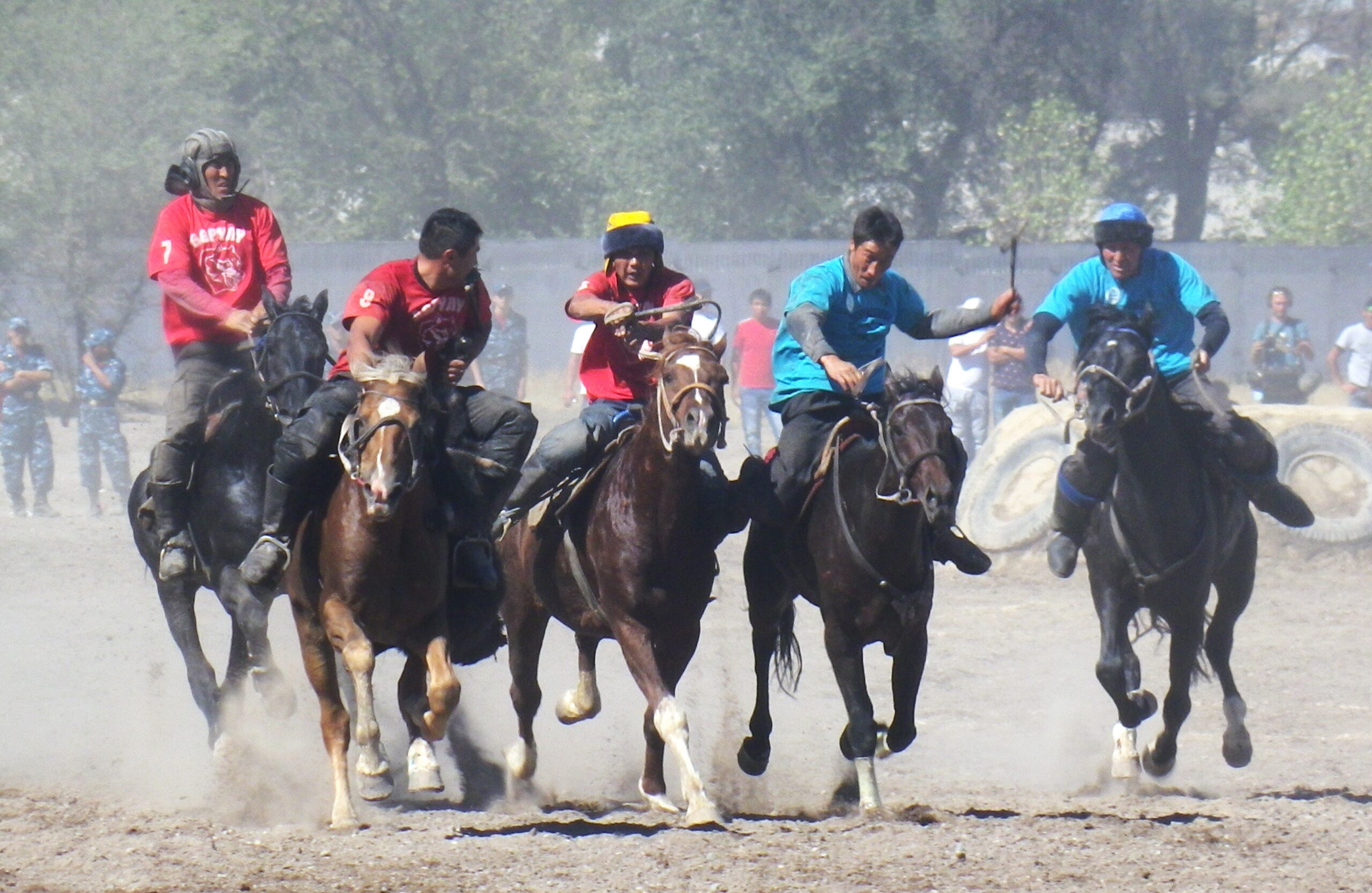
Kok Boru at the Bishkek Hippodrome, 2014; image: Stephen M. Bland

Forty-plus sports disciplines will be spread across competitive and demonstrative formats, with more than 100 medals at stake. Kok Boru is fast and unforgiving, played on horseback as riders grapple over what was traditionally a headless goat carcass (now a synthetic dummy or serke), surging and colliding before hurling it into the opponent’s goal.

Image: International Secretariat of the World Nomad Games

Horseback archery demands precision under movement, with riders standing in the stirrups or twisting at full gallop to fire arrows at distant targets.

Eagle hunting illustrates a partnership between human and bird refined over generations, as trained golden eagles launch from the arm to track and strike prey across open ground.
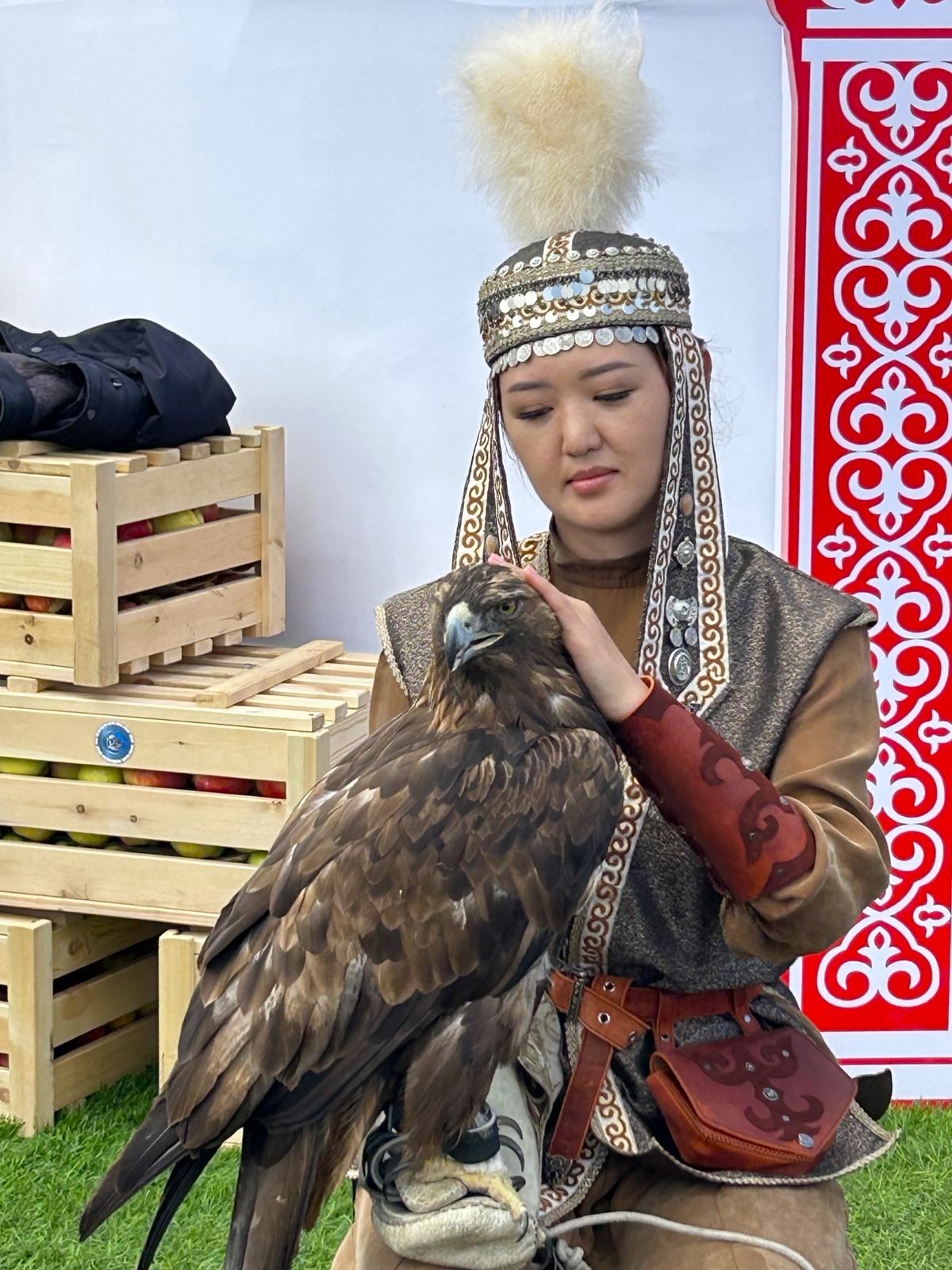
Woman with a bird of prey, World Nomad Games, Astana, 2024; image: Stephen M. Bland

Wrestling styles such as Alysh and Kurash emphasize balance and control rather than brute force, with fighters gripping belts and using timing, leverage, and footwork to unbalance their opponent.

The Times of Central Asia spoke with the International Secretariat of the World Nomad Games to get a feel for what to expect and to set the mood for what lies ahead.
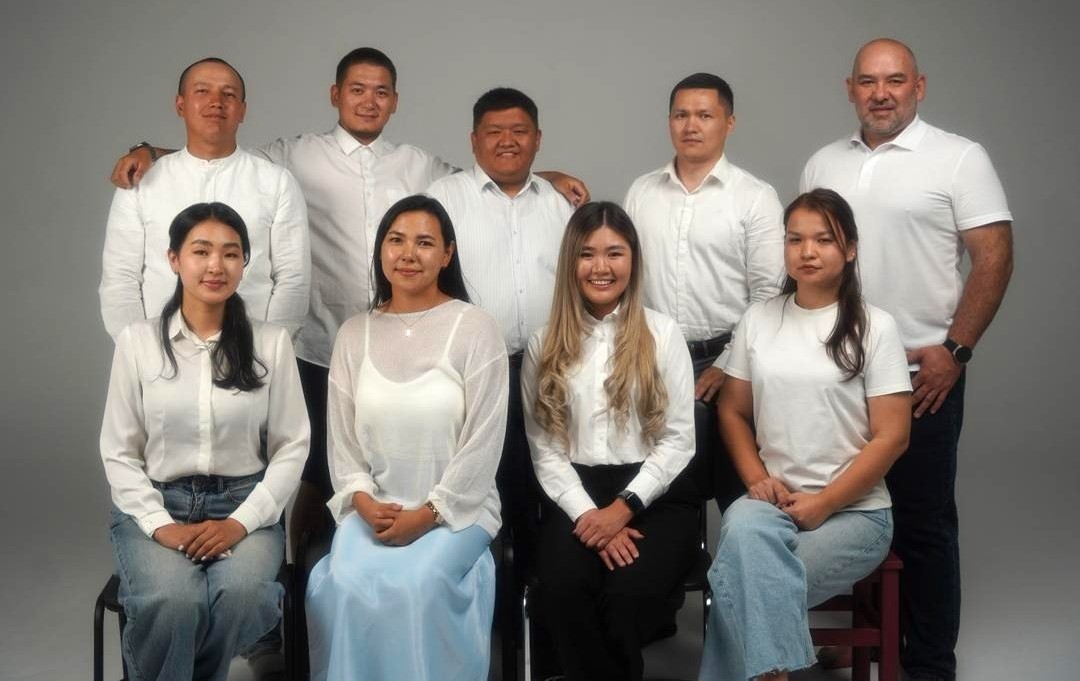
The International Secretariat of the World Nomad Games; image courtesy of the subject

TCA: What should we anticipate from this year’s Games?

The 2026 World Nomad Games are more than just an event in the traditional sense. Today, they serve as an international platform that brings countries together through sports, culture, and science.

What matters to us this year is not only the scale of the event, but also how the Games will be perceived. We want to present them as a holistic project, where all components are interconnected and work toward a common vision.

Therefore, the Games in Kyrgyzstan promise more than just competitions and spectacular events. They will offer an opportunity to gain a deeper understanding of nomadic civilization and to see that these traditions have not been left behind. They continue to live on, evolve, and speak to the modern world.
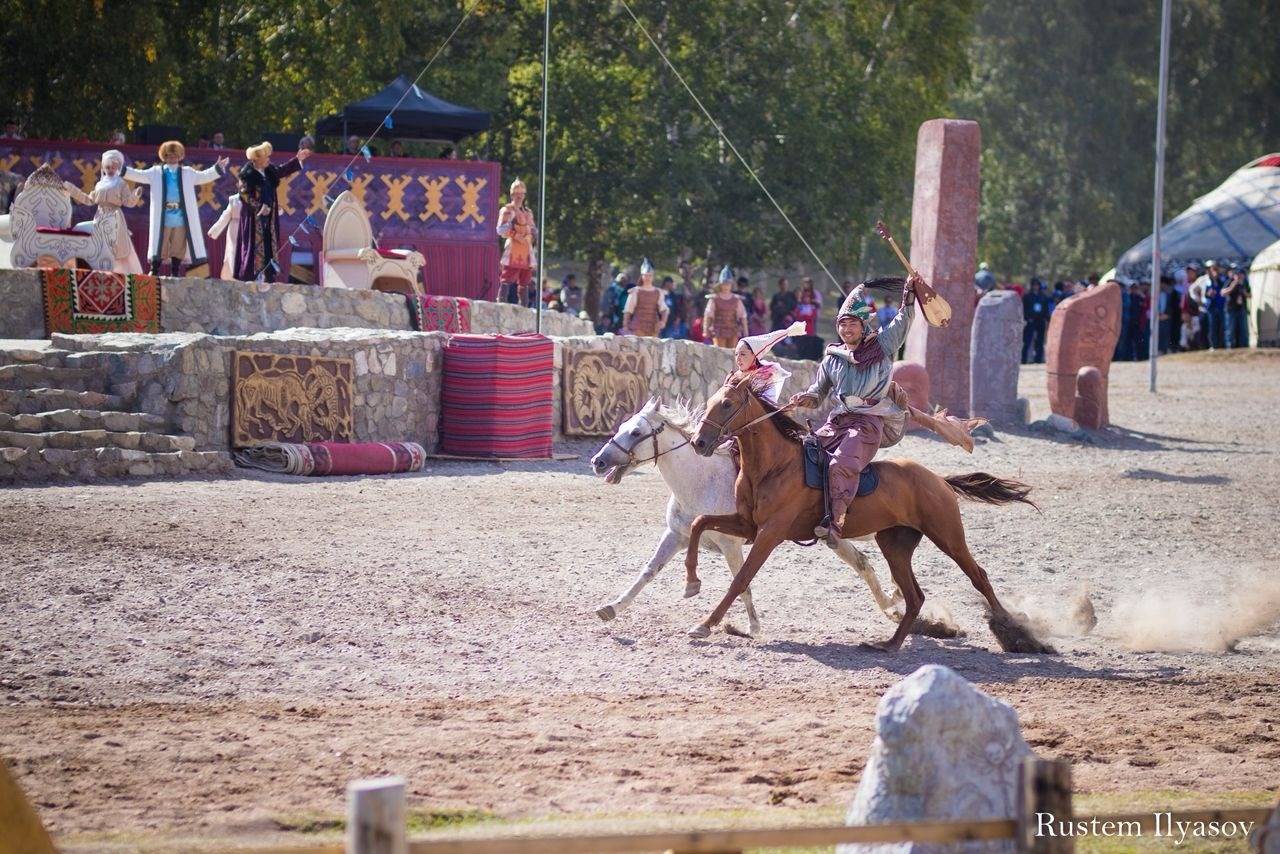
Image: International Secretariat of the World Nomad Games

TCA: How have the Games become global?

They became global not because they grew in scale. The key lies elsewhere in the idea that underpins them. From the very beginning, they have spoken to values that resonate across countries, including respect, fair competition, connection to nature, and the importance of traditions. These universal values have allowed them to extend beyond the region.

For us, the Games are not just a memory of the past. They are a conversation about the future in which differences do not divide but encourage mutual respect. That is why they resonate internationally.

At the same time, partnerships with media, communities, and institutions have helped transform the event from a regional initiative into an international platform.

TCA: What is their role in promoting nomadic heritage?

Today, entire cultural systems risk disappearing, as well as languages.

When a language is lost, so too is a way of understanding the world, passing down memories, and defining values across generations. This often happens quietly, without recognition of the scale of loss.

The Games aim to ensure these cultures are seen and heard. They are not presented as static or museum-like, but as living systems based on adaptability, mobility, and openness. Through sport, culture, and science, that heritage is presented as active and relevant.
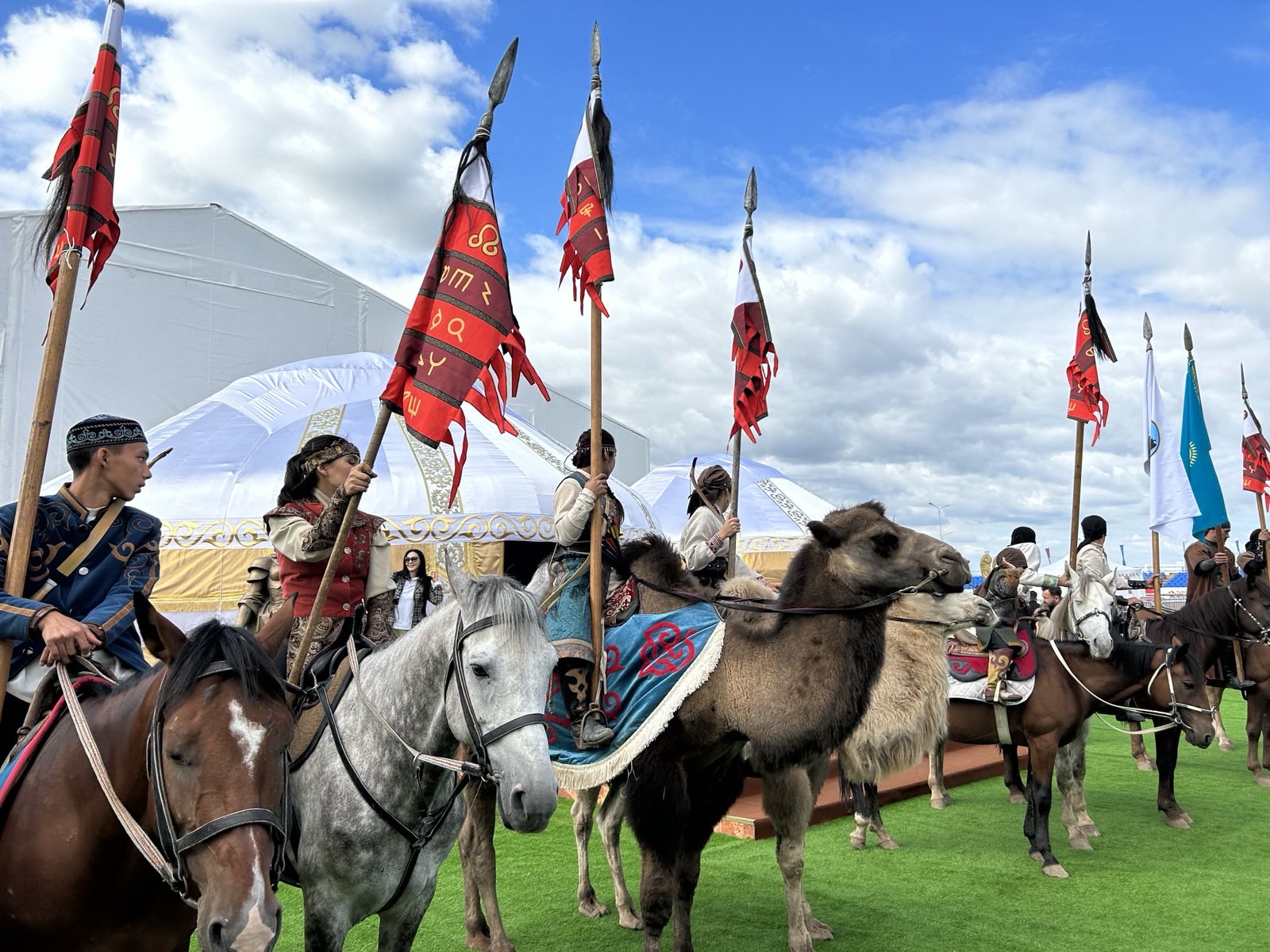
World Nomad Games 2024, Astana, Kazakhstan; image: Stephen M. Bland

TCA: What is their impact on tourism and the economy?

Culture now plays a direct role in how societies interact and sustain themselves.

For Kyrgyzstan, they will increase tourism, activate infrastructure, and attract business interest. But their longer-term value lies in shaping perception. They present the country as open, capable, and culturally rich, able to host major international events.

TCA: How do they raise awareness of the regional identity of Central Asia?

They provide a platform for Central Asia to present itself through shared cultural codes, while preserving national distinctions. They allow each country to showcase its identity while contributing to a broader regional narrative, balancing unity and diversity in a way that resonates internationally.

Image: International Secretariat of the World Nomad Games

Tickets for the World Nomad Games 2026 will be released through the official platform, granting you admission to a week where sport, landscape, and culture collide. Come for the spectacle, stay for the rhythm of life on the steppe, and leave with a sense that this is not just a show, but something that is still very much alive.

Chess: Sindarov Wins Candidates Contest, Will Face World Champion

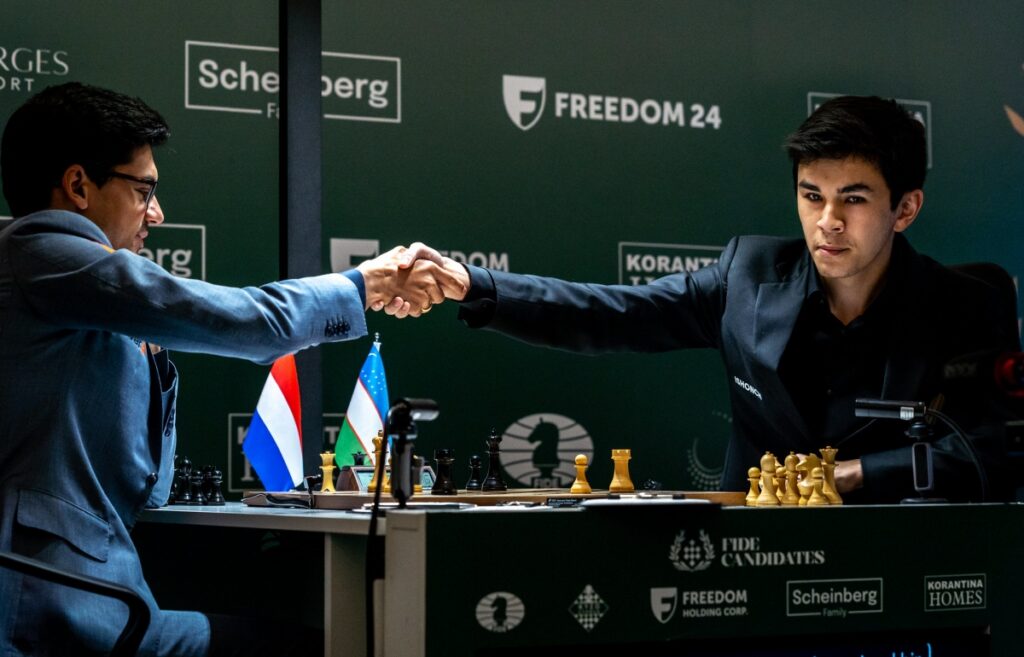
Javokhir Sindarov of Uzbekistan has won the eight-player FIDE Candidates Tournament, earning the opportunity to challenge world chess champion Gukesh Dommaraju of India later this year.

Sindarov drew a game against Anish Giri at the tournament venue in Cyprus on Tuesday, “and with one round remaining, Sindarov holds a commanding two-point lead over the rest of the field,” said FIDE, the international governing body of chess.

On the women’s side, Bibisara Asaubayeva of Kazakhstan defeated Ukrainian Anna Muzychuk on Tuesday to move into a tie for first place with India’s R. Vaishali.

The women’s final round on Wednesday “will determine whether there will be an outright winner or a tiebreak will be required,” FIDE said. “Up to six of the eight players still have a theoretical chance to win the event.”

Sindarov, who won the 2025 World Cup in Goa, India, was one of Uzbekistan’s youngest national champions in history, achieving that goal at the age of 13. He is now 20 years old.

Magnus Carlsen of Norway currently doesn’t play in the candidates tournament format even though he is the top-ranked classical chess player in the world.

Tajikistan, Dependent on Sugar Imports, Contends with Price Surge

Tajikistan’s government has been trying to reduce or at least diversify food imports whose prices are vulnerable to regional or global shocks. But a recent surge in the cost of sugar highlights ongoing challenges for the landlocked country.

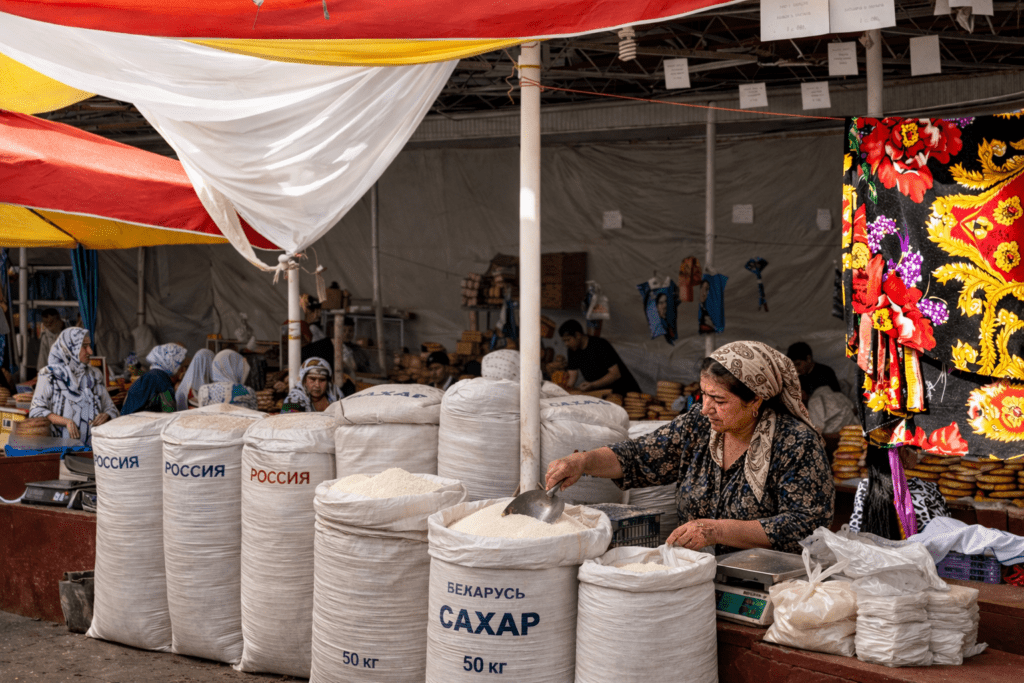
Tajikistan relies on sugar imports from Russia, Belarus, India, Pakistan, Kazakhstan, and other countries. Last year, it imported about 190,000 tons. Now, as oil prices fluctuate because of conflict in the Middle East, Tajikistan is among many countries, including its neighbors in Central Asia, that are struggling with uncertainty over the international energy trade.

The country has faced similar cycles in the past.

In 2024, Russia announced a ban on grain and sugar exports to some trading partners to ensure its own food needs as it grappled with sanctions and other economic pressures related to the war in Ukraine. Kazakhstan imposed a similar ban on exports as supply tightened. The result was that the sugar price in Tajikistan jumped by about 25% over the previous year.

Those export bans were eventually lifted, and the sugar price stabilized and even dropped in Tajikistan in 2025. Now the country faces another bout of price volatility as concerns mount following U.S. and Israeli air strikes on Iran and Iranian retaliation in the region. U.S. and Iranian negotiators failed to reach an agreement in recent talks, and the International Monetary Fund warns that oil market disruptions could slow global growth and spur inflation.

The price of a kilogram of sugar in Tajikistan has increased from 9–11 somoni ($0.80–$1) at the end of March to 12–14 somoni ($1.10–$1.30) this month, according to Asia-Plus, a media group in Tajikistan. It said the wholesale price of a 50-kilogram bag had risen from 380–400 somoni ($34–$36) to more than 500 somoni (more than $45) during the same period.

Those are increases of at least 25%, similar to the 2024 jump in cost.

The Food and Agriculture Organization, a United Nations agency, said the global sugar price index, which measures the monthly change in cost, was up 7.2% in March, and that the Middle East conflict was contributing to upward pressure on prices.

“Nevertheless, the overall increase in world sugar prices was contained by the generally favorable global supply outlook for the 2025/26 season, supported by good harvest progress in India and Thailand,” the agency said.

Minister Sydykov on the Bakai Bank Verdict and Kyrgyzstan’s Economic Path Forward

On April 13 in Washington, D.C., The Times of Central Asia’s Javier M. Piedra spoke with Kyrgyzstan’s Minister of Economy and Commerce, Bakyt Tolomushevich Sydykov, regarding the April 7 verdict in the “Bakai Bank vs. Open Dialogue Foundation” case before the Enterprise Court of Brussels – an important legal win for Kyrgyzstan and its stance in international financial markets.

In a verdict with international implications for Kyrgyzstan and the region, the Enterprise Court of Brussels sided with Bakai Bank, a Kyrgyz financial institution, in connection with a high-profile defamation case between Bakai Bank and Open Dialogue Foundation (ODF) – finding that ODF published allegations about the bank’s financial conduct without sufficient evidence. The judgment marks a significant development in a cross-border reputational and financial dispute, setting a visible bar for accountability and offering a more balanced snapshot of Kyrgyz efforts to cultivate transparency and compliance in its banking sector.

Kyrgyz government officials responded to the ruling with a practical and positive outlook, acknowledging that the country has prioritized policy, monitoring, and enforcement steps to bolster integrity and trust in its institutions. This ruling is expected to reinforce public confidence and strengthen the long-term resilience of Kyrgyzstan’s governance framework.

In Washington D.C. this week, Sydykov told TCA that, “We welcome this decision not just as an affirmation of Bakai Bank, but also for our broader financial system. It helps to convey our message to policymakers, diplomats, investors, and partners that Kyrgyzstan is open for business – and a ready contributor to regional and international trade. Our financial institutions operate in line with international standards, compliance expectations, and responsible governance. We are glad to move forward with strengthening our banking system and growing Kyrgyzstan’s economy for the benefit of its citizens.”

Case background

The proceedings were brought before the French-speaking Enterprise Court of Brussels (Tribunal de l’entreprise francophone de Bruxelles) after Bakai Bank challenged a series of publications issued by the Open Dialogue Foundation in 2023. The NGO had alleged that Bakai Bank was involved in facilitating financial transactions linked to sanctions circumvention and networks connected to Russian capital flows following the expansion of Western sanctions in early 2022.

Bakai Bank rejected these allegations as unsubstantiated and damaging to its international reputation and access to financial markets. It subsequently filed a civil action in Belgium, where the ODF is active and publishes much of its advocacy material.

Court proceedings and findings

In its judgment, the Brussels court examined whether the Open Dialogue Foundation had sufficient factual grounds to support its published claims. The court found that the NGO’s statements were presented as factually assertive allegations rather than opinion or conjecture, thereby requiring a higher evidentiary threshold.

The court concluded that the ODF had failed to provide adequate supporting evidence for its assertions regarding Bakai Bank’s alleged involvement in illicit financial activity. As a result, the court determined that the publications were unlawful in their form and impact, particularly in relation to reputational harm inflicted on the bank.

The ruling ordered the ODF to remove the contested publications from its platforms, publish the court’s decision prominently on its website, and cover legal costs associated with the proceedings.

Decision and implications

The case has been widely interpreted as reinforcing the responsibility of advocacy organizations operating in the EU to distinguish between allegations and substantiated claims, particularly in sensitive areas involving sanctions, banking integrity, and geopolitical conflict.

While the Open Dialogue Foundation has not been criminally sanctioned, the civil ruling represents a reputational setback.  Minister Sydykov told TCA, “We welcome further engagement in Kyrgyzstan’s banking and natural resources sectors, alongside expanded credit access, entrepreneurship, cross-border trade, and transport development.”

The case could set a precedent for how courts may respond to unproven claims made by NGOs.