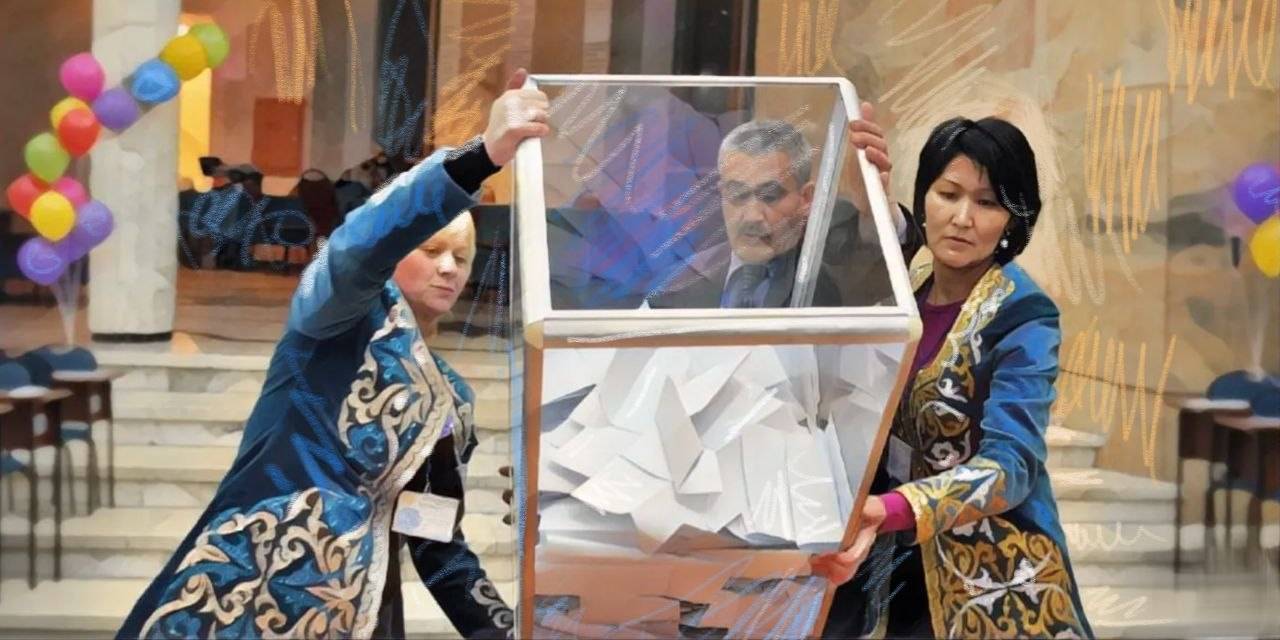

How Digital Public Services Are Changing Daily Life in Central Asia
Kazakhstan, Uzbekistan, and Kyrgyzstan have moved from queues at public service centers to passports in mobile apps in just a few years, compressing a transition that took many countries decades. Behind the impressive figures, however, are questions the region is still trying to answer. Not so long ago, obtaining a...

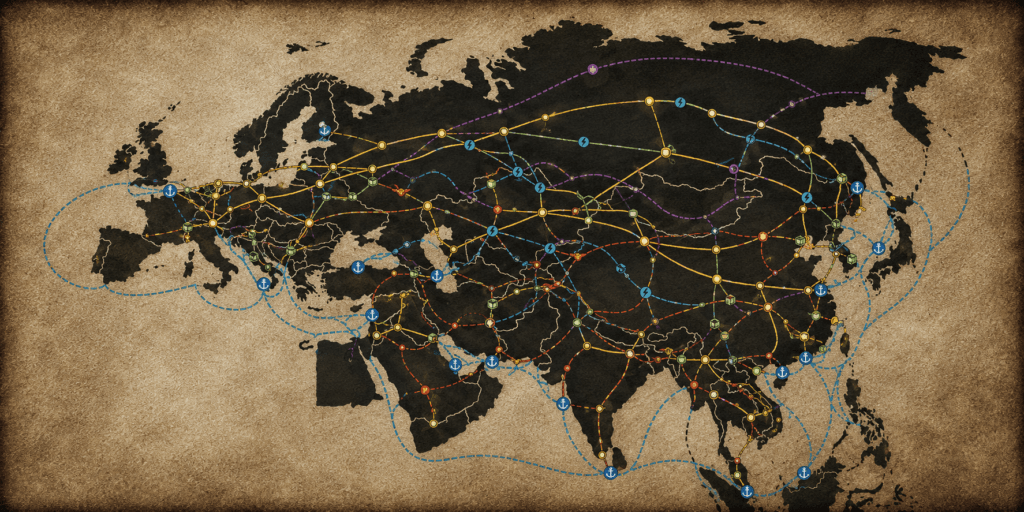
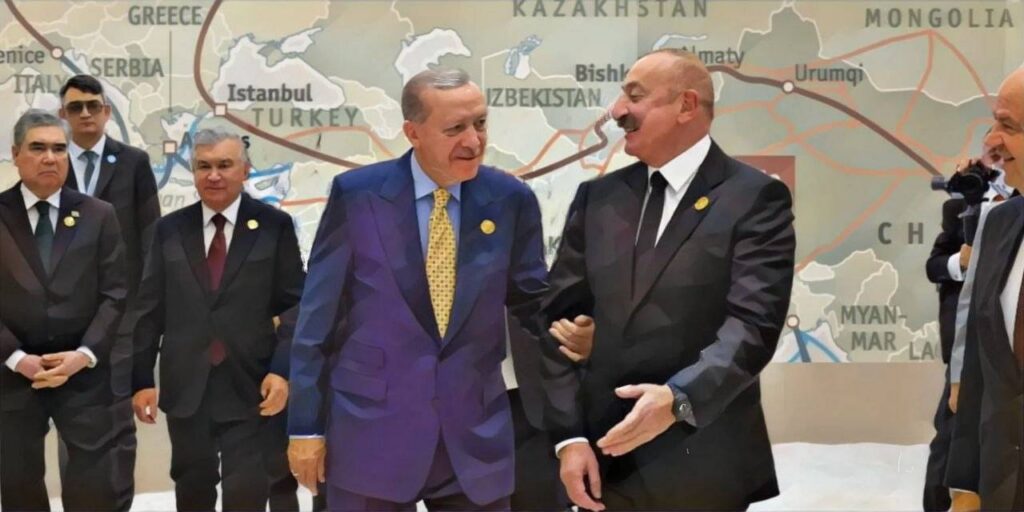
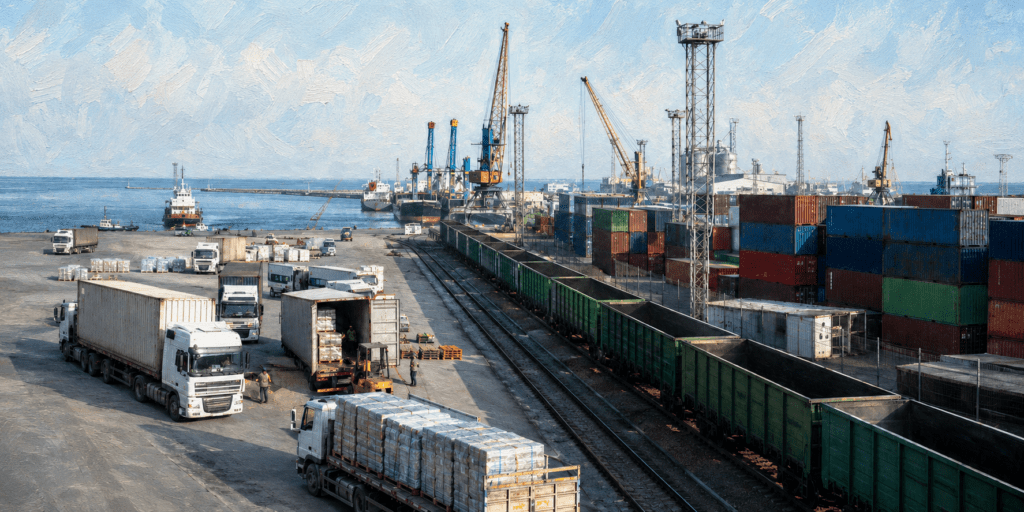
Pashinyan Victory Points to New Transport Options for Central Asia
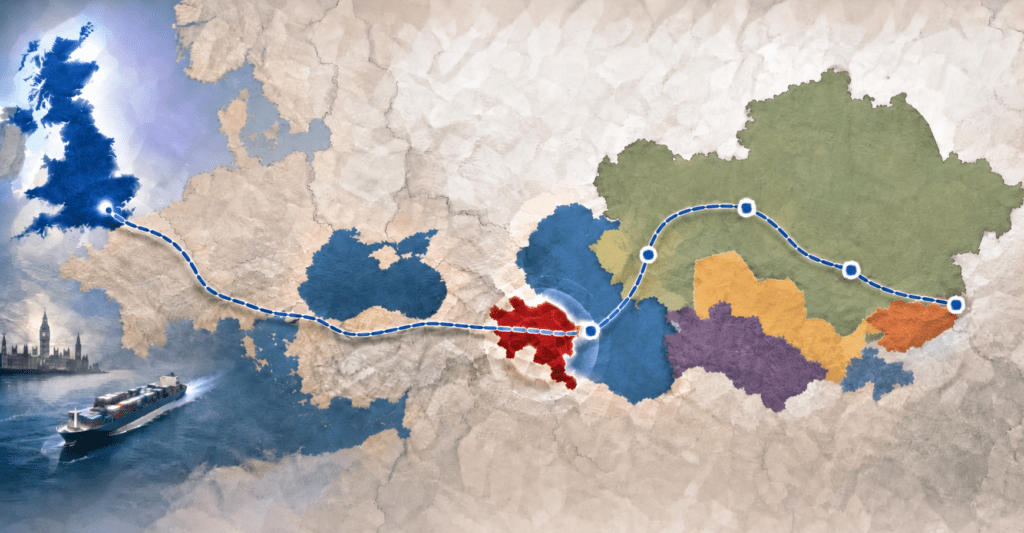
Kazakh President Kassym-Jomart Tokayev congratulated Armenian Prime Minister Nikol Pashinyan on June 8 after Pashinyan’s Civil Contract party won Armenia’s parliamentary election. The message came through Akorda. Tokayev said the vote, in the preliminary view of most international observers, was open, followed Armenian election law, and allowed citizens to express...
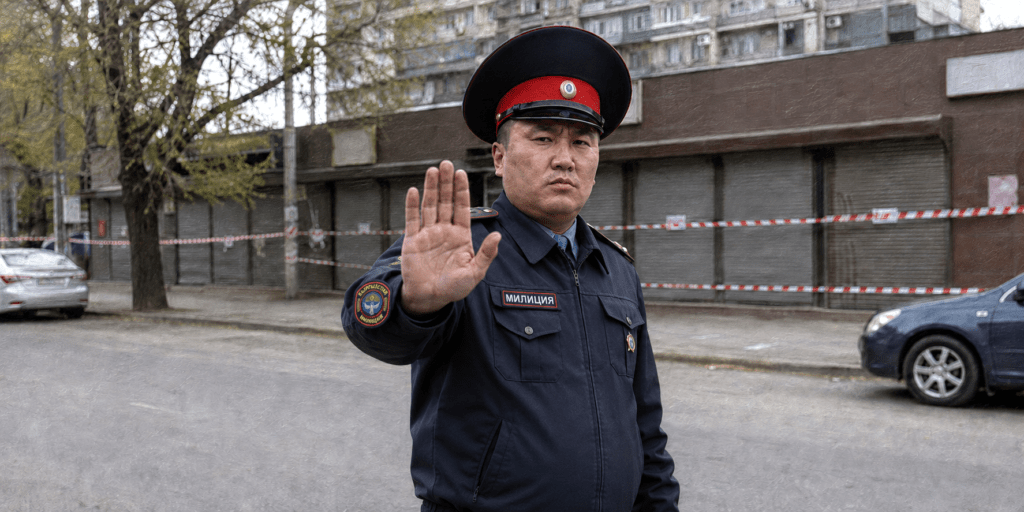
EU Sanctions Seminar in Bishkek Puts Kyrgyzstan’s Russia Trade Under Scrutiny
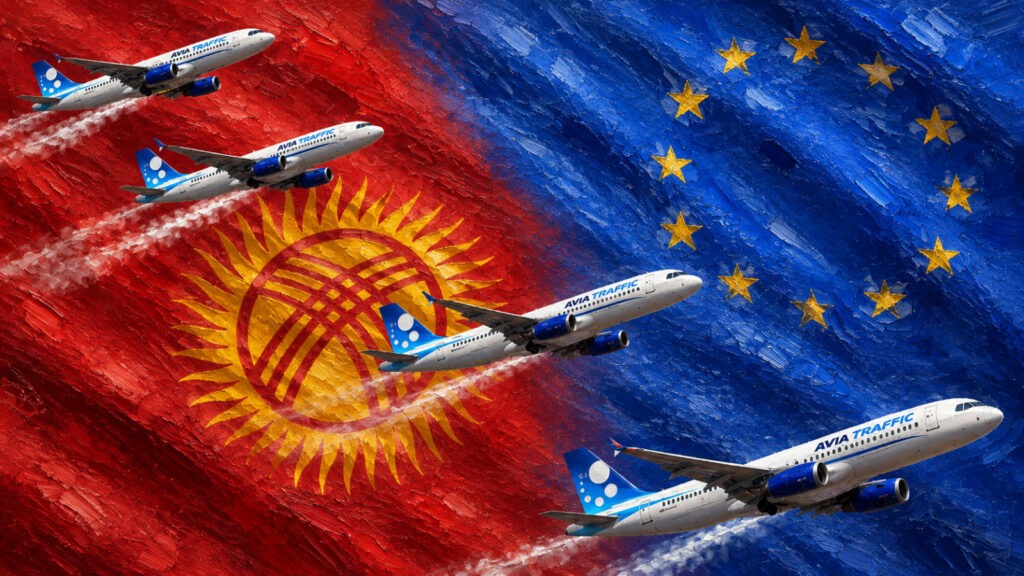
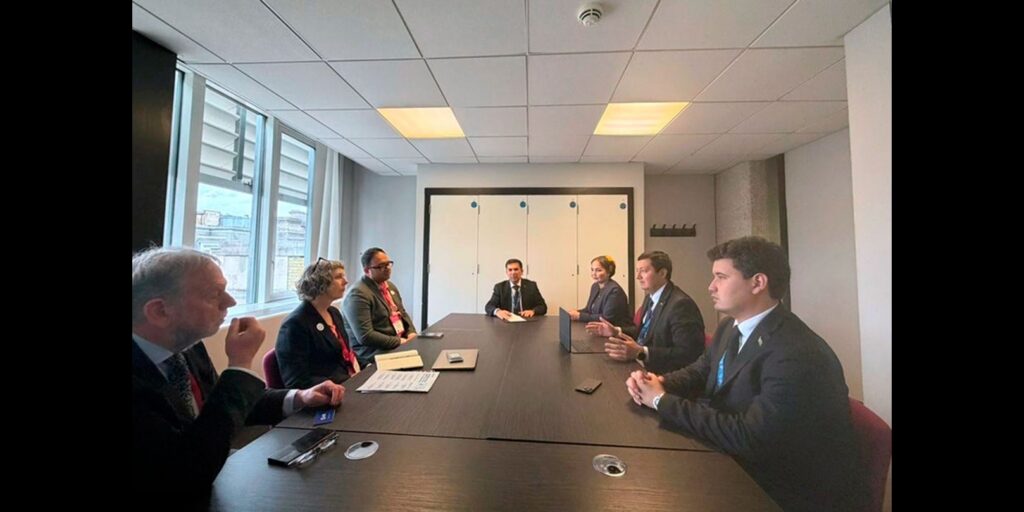
The European Union held a full-day sanctions seminar in Bishkek on June 9, aimed at Kyrgyz companies, banks, logistics operators and virtual-asset businesses. The session comes less than seven weeks after Brussels used its anti-circumvention tool against Kyrgyzstan for the first time. The EU Delegation to the Kyrgyz Republic said...
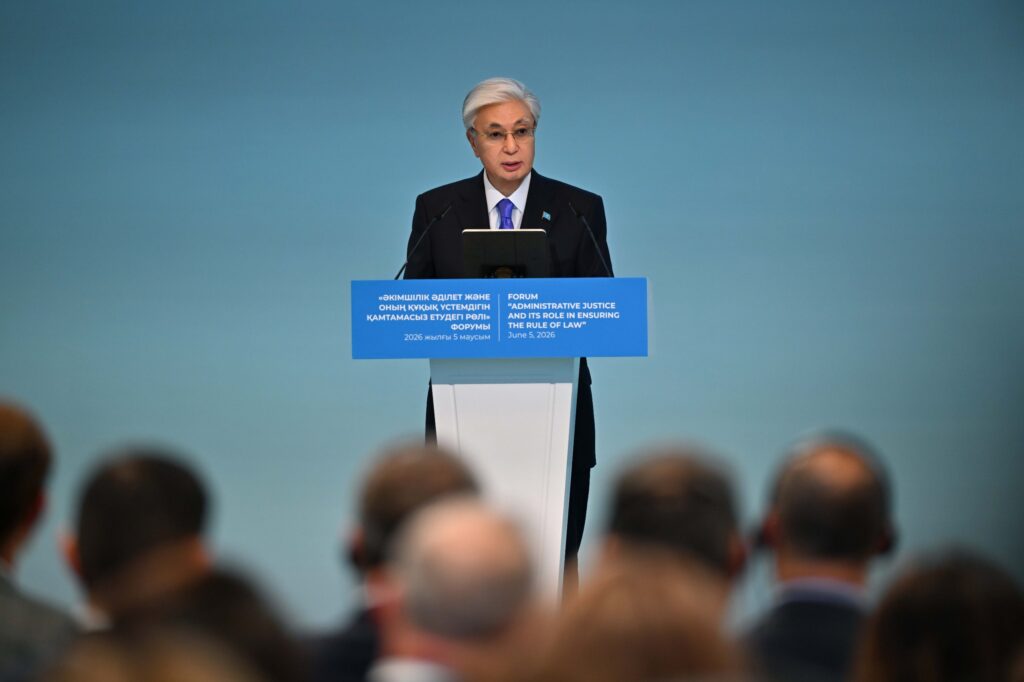
Kazakhstan Justice Reform Sees Citizens Winning More Cases Against State Bodies
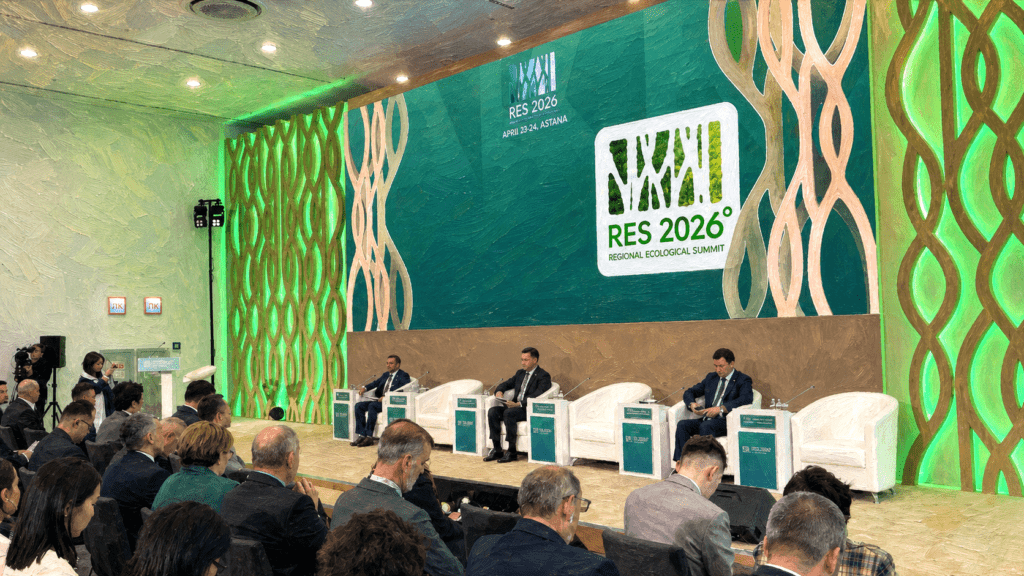
In a boost for proponents of justice reform in Kazakhstan, citizens and businesses are now winning more than half of administrative court cases against government agencies. President Kassym-Jomart Tokayev said, citing what he described as the growing impact of the country’s administrative justice reforms. Speaking at an Astana forum entitled...
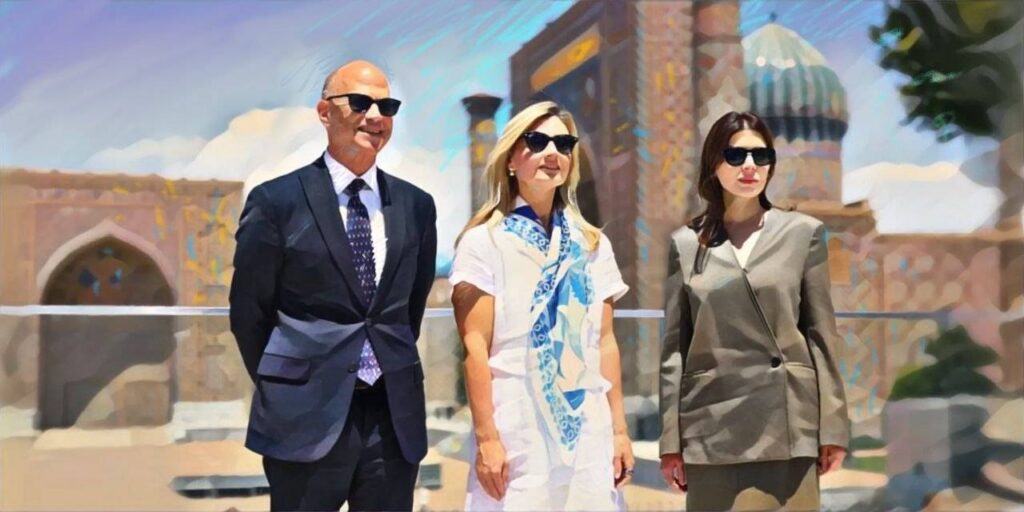
From Culture to Critical Minerals: C5+1 Opens Busy U.S. Week in Central Asia
The United States and Central Asia moved another part of the C5+1 agenda into a working-level form on June 5, when culture officials from the five Central Asian states and Washington met in Tashkent. The meeting came just days before a separate C5+1 critical minerals session in Astana, giving the...

Pannier and Hillard’s Spotlight on Central Asia: New Episode Out Now
As Managing Editor of The Times of Central Asia, I’m delighted that, in partnership with the Oxus Society for Central Asian Affairs, from October 19, we are the home of the Spotlight on Central Asia podcast. Chaired by seasoned broadcasters Bruce Pannier of RFE/RL’s long-running Majlis podcast and Michael Hillard...

Megaprojects Instead of Quotas: How Central Asia’s Water Diplomacy Is Changing
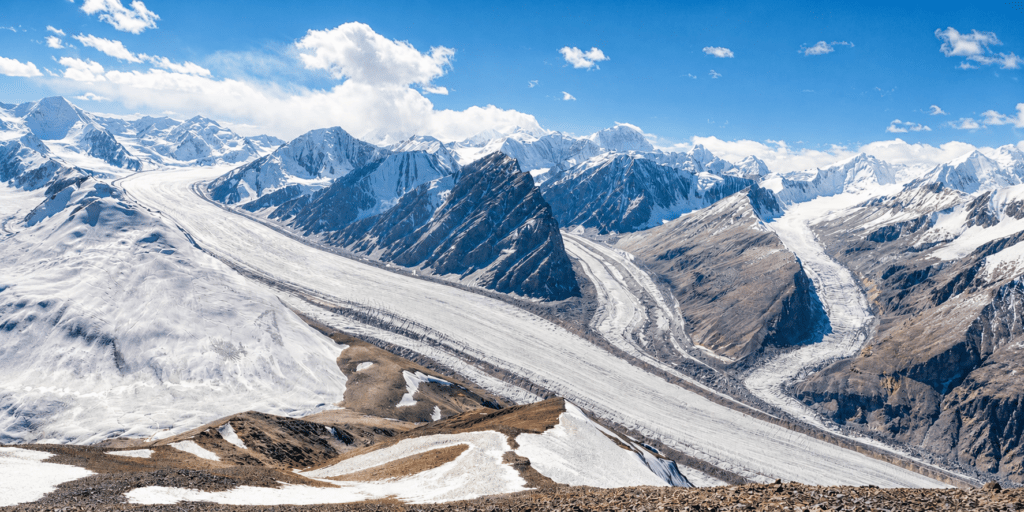
Central Asia’s water politics are moving beyond Soviet-era quotas. As glaciers in the Tien Shan retreat and climate pressure increases, river management has become a question of energy security, food production, and regional stability. The Soviet-era system of river-water allocation has reached its limits, forcing Central Asian states to look...
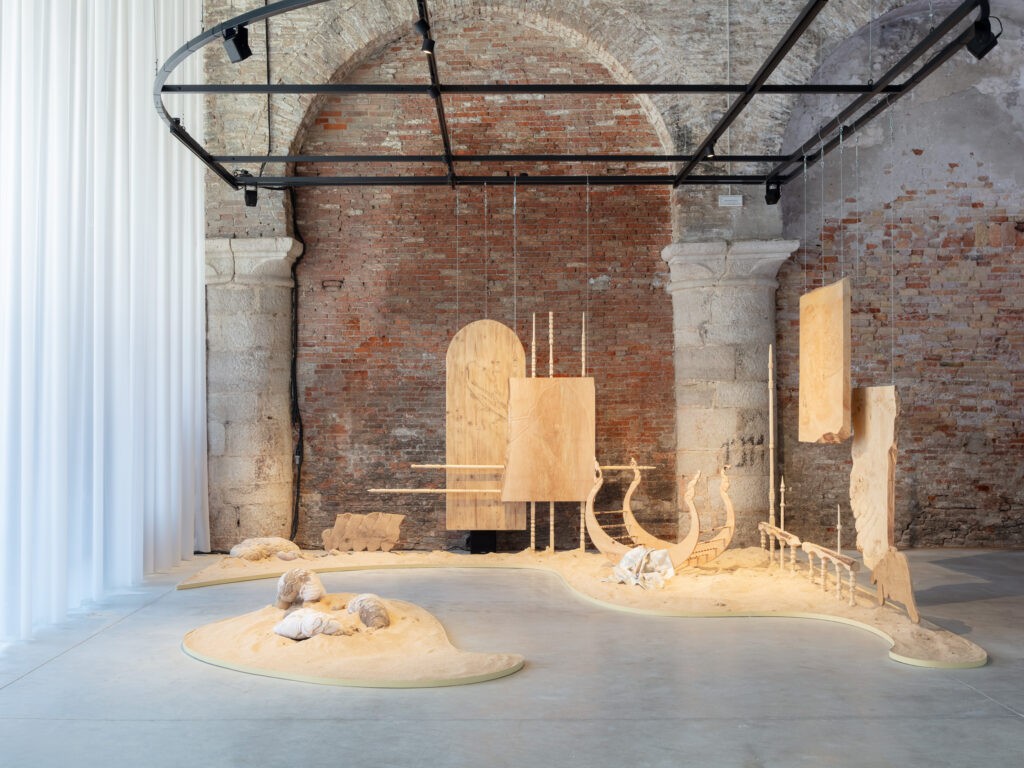
The Aural Sea: Uzbekistan’s Pavilion at the 2026 Venice Biennale
No other edition of the Venice Biennale has seen Central Asia so well represented. Kazakhstan, Kyrgyzstan and Uzbekistan all have their own national pavilions, and there are also two exhibitions featuring Central Asian artists at the Palazzo Franchetti – “Instruments of the Mind” by the Uzbek conceptual artist Vyacheslav Akhunov,...



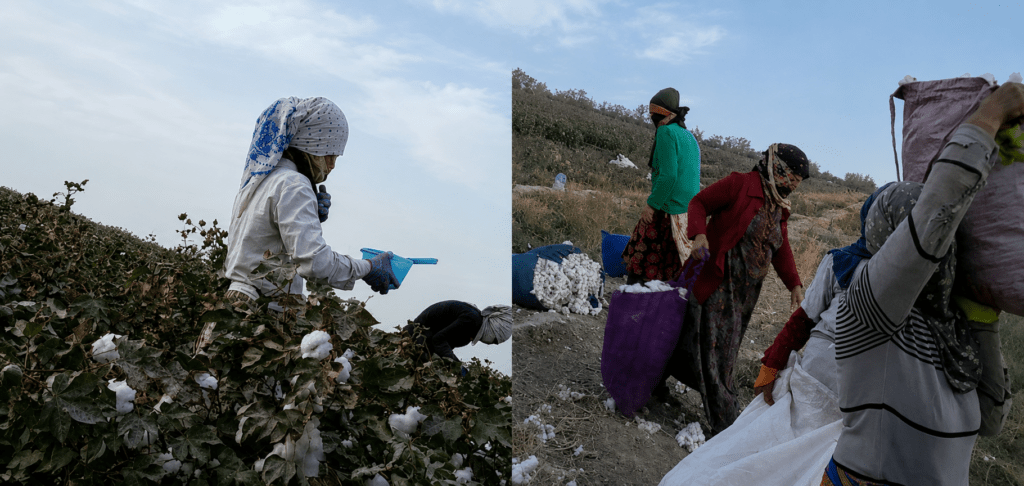
Defence Deals, Cotton Conscription, and Kyrgyzstan’s UN Victory
Sunkar Podcast
Kazakhstan to Host 2027 Table Tennis World Championships