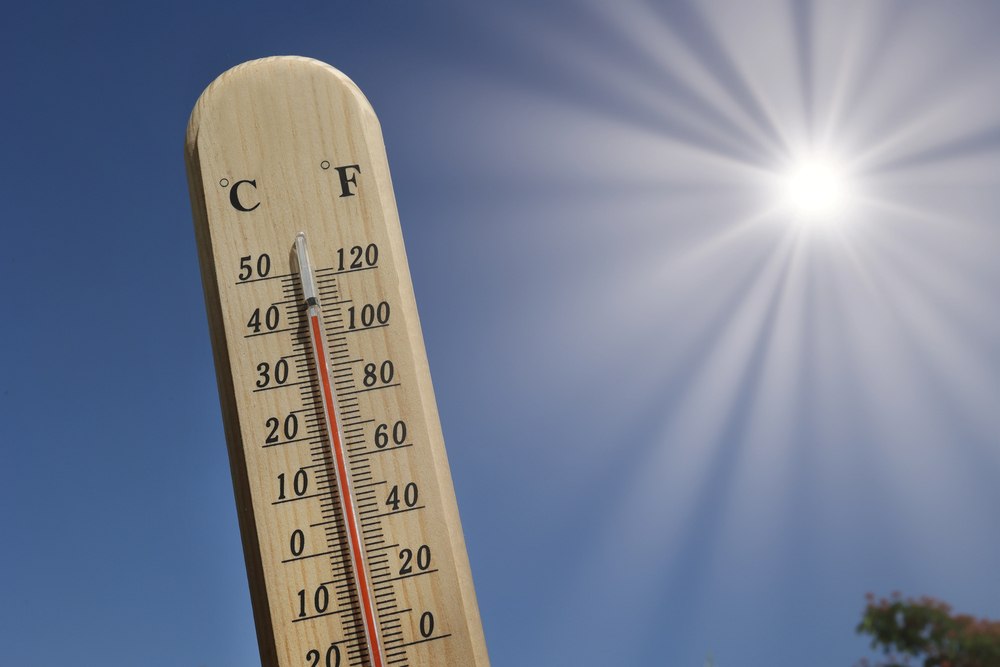
Uzbekistan is preparing for extreme heat after the national weather agency warned that temperatures across much of the country could reach dangerous levels this week. Authorities have stepped up emergency measures and urged residents to take precautions.
According to Uzhydromet, very hot air masses moving north from the south are expected to affect the country between July 13 and July 17. During the hottest days, daytime temperatures are forecast to reach 41-43°C across most regions, while northern, southern, and desert areas could see temperatures as high as 44-46°C.
The weather agency also warned that wind speeds could increase to 13-18 meters per second in some areas, with possible dust storms.
The expected heatwave is likely to put additional pressure on Uzbekistan’s electricity network. Citing the regional power distribution company Hududiy Elektr Tarmoqlari, or Regional Electric Networks, local news outlet Daryo reported that electricity demand typically rises during periods of extreme heat as households and businesses rely more heavily on cooling systems. Higher temperatures can also reduce the efficiency of transmission lines and transformers, increasing the risk of technical failures.
The company said it has introduced a range of measures to maintain a stable electricity supply and respond quickly to any emergencies. More than 6,500 employees have been assigned to 1,203 emergency response teams operating around the clock across the country. Each team has been equipped with specialized vehicles and equipment, while additional repair materials and spare parts have been stockpiled to deal with possible breakdowns during the summer season.
Hududiy Elektr Tarmoqlari said ensuring uninterrupted electricity supplies during peak demand remains one of its top priorities. The company appealed to consumers to use electricity responsibly in order to reduce unnecessary strain on the power system.
Emergency authorities have also stepped up public safety efforts. Employees of the Ministry of Emergency Situations have been seen on the streets of Tashkent reminding residents to avoid going outside during the hottest part of the day unless absolutely necessary.
The ministry issued a separate warning about the dangers of leaving vehicles in direct sunlight. It said temperatures inside a parked car can rise to between 50°C and 70°C within 50 to 60 minutes, creating life-threatening conditions.
“Just one minute of carelessness can lead to irreversible consequences,” the ministry warned.
Officials urged drivers never to leave children or other passengers inside parked vehicles, even for a short time, and encouraged the public to take extra precautions to protect themselves, their families, and those around them during the period of extreme heat.
The latest forecasts suggest that Uzbekistan will remain under the influence of the hot air mass for several days, with authorities continuing to monitor weather conditions and the country’s energy infrastructure as temperatures approach some of the highest levels recorded this summer.